rubber impregnated knitted mixed fiber gloves
CN → US| HS编码 | 关税税率 | 原产国 | 目的国 | 文档 |
|---|---|---|---|---|
| 4015195100 | 49.0% | CN | US | 官方文档 |
| 9018390020 | 10.0% | CN | US | 官方文档 |
| 9018390050 | 10.0% | CN | US | 官方文档 |
| 3926201050 | 10.0% | CN | US | 官方文档 |
| 4015191150 | 38.0% | CN | US | 官方文档 |
商品图片
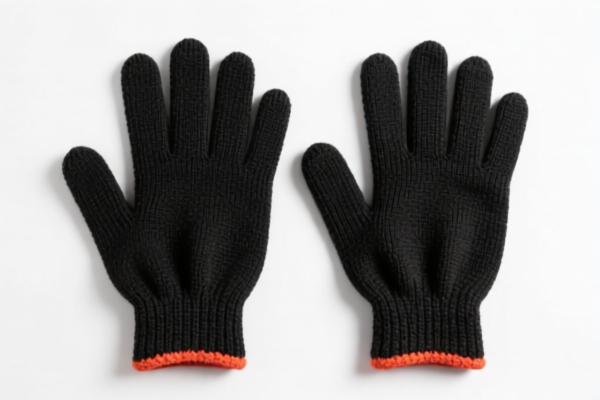
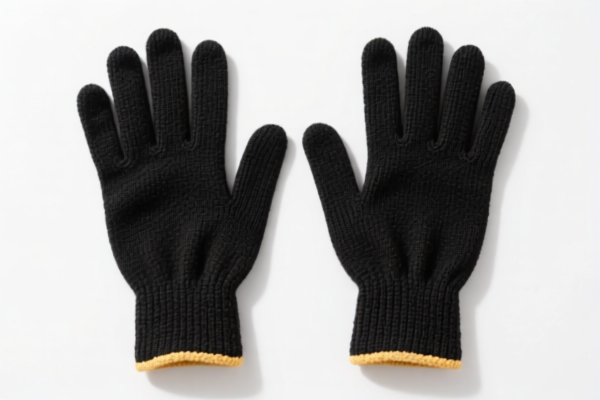
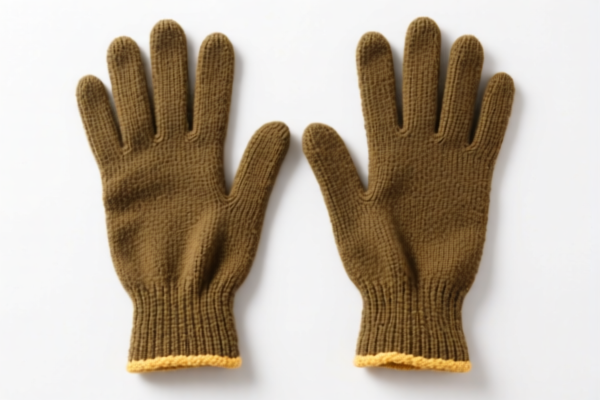

AI分析
🧤 Rubber Impregnated Knitted Mixed Fiber Gloves
🌐 HS Code Reference & Clearance Guide | 2026 Latest Tariff Analysis | Professional Customs Strategy
📌 I. Product Definition & Classification: Do You Really Know "Rubber Impregnated Gloves"?
Rubber Impregnated Knitted Mixed Fiber Gloves are a hybrid industrial product combining a flexible knitted base (mixed fibers like cotton/nylon/spandex) with a rubber coating to provide water resistance, chemical protection, and enhanced grip. In international trade, classification depends on the dominant material and the intended use:
- Protective Handwear (Chemical/Industrial): If the rubber coating is the primary functional feature for protection, they fall under Chapter 40 (Rubber).
- General Work Gloves: If the knitted fabric is dominant and rubber is merely a minor coating, they may fall under Chapter 39 (Plastics/Composite) or Chapter 90 (Medical/Technical Instruments).
- Medical Application: If specifically designed for surgical or medical use, they fall under Chapter 90.
⚠️ Critical Distinction:
- If the rubber impregnation is thick/solid and defines the glove's protective nature → HS Code 4015...
- If the product is a medical device or diagnostic tool extension → HS Code 9018...
- If viewed as a composite polymer material rather than pure rubber → HS Code 3926...
📦 II. HS Code Classification Details (2026 Latest Tariff Authority)
| HS Code | Product Description | Application Scenario | Key Classification Logic |
|---|---|---|---|
4015.19.51.00 |
Rubber Impregnated Finger Cots/Gloves (Vulcanized Rubber, Hand/Finger Protection) |
General industrial safety, food processing, cleaning. | Classified as "Other Gloves" (Chapter 40). The rubber coating (vulcanized) defines the primary protective function. |
9018.39.00.20 |
Rubber Impregnated Finger Cots (Form: Catheter/Probe Extension) |
Specific extension tools for medical devices, non-surgical probes. | Classified as "Catheters, Cannulas, and Similar Instruments". The "finger cot" shape is treated as a functional extension of a medical probe. |
9018.39.00.50 |
Medical Rubber Impregnated Finger Cots (Category: Catheters/Tubing) |
Surgical, clinical, or sterile medical environments. | Classified under "Other Medical Instruments". Fits the "Catheter/Tubing" category for specialized medical use. |
3926.20.10.50 |
Rubber Impregnated Finger Cots (Plastic/High Polymer Composite) |
General purpose gloves where material is viewed as a composite polymer. | Classified as "Gloves and Mittens of Plastics". The product is treated as a plastic/polymer composite rather than pure rubber. |
4015.19.11.50 |
Rubber Impregnated Finger Cots (Garment Accessory/Other) |
Fashion accessories or non-specialized handwear. | Classified as "Clothing Accessories". Deduced as an accessory to clothing, falling under a broader "Other" category of Chapter 40. |
🔍 Key Reminder:
- Chapter 40 (Rubber): Preferred for general safety/industrial use where the rubber layer is the main barrier.
- Chapter 90 (Medical): Only applicable if the product is explicitly medical (e.g., sterile, surgical).
- Chapter 39 (Plastics): Used if the "mixed fiber" + "rubber" is marketed as a composite polymer rather than a rubber product.
💰 III. 2026 Latest Tariff Rate Analysis (Including Additional Taxes)
✅ Applicable Country: United States (US)
✅ Country of Origin: China (CN)
✅ Effective Date: Includes all imports subject to current Section 301 & IEEPA measures.
🎯 1. 4015.19.51.00 — Rubber Gloves (Vulcanized, Industrial)
| Item | Content |
|---|---|
| Base Duty Rate | 14.0% (Standard MFN) |
| Section 301 Surcharge | +25.0% (Trade Action) |
| Section 122 Duty | +10.0% (Targeted China Imports) |
| Total Tax Rate | 49.0% |
| Calculation | CIF Value × 49% |
| De Minimis Exemption | ❌ Not Eligible (High-risk category) |
| Legal Path | Section 301 + Section 122 + 4015.19 |
📌 Explanation:
- This is the highest tariff scenario for standard industrial rubber gloves.
- The 14% is the standard duty; 25% is the Section 301 penalty; 10% is the additional Section 122 tax.
- Total Cost: Nearly 50% of the product value.
🎯 2. 9018.39.00.20 & 9018.39.00.50 — Medical/Probe Extensions
| Item | Content |
|---|---|
| Base Duty Rate | 0.0% (Duty-Free for Medical) |
| Section 301 Surcharge | 0.0% (Exempt) |
| Section 122 Duty | +10.0% (Targeted China) |
| Total Tax Rate | 10.0% |
| Calculation | CIF Value × 10% |
| De Minimis Exemption | ❌ Not Eligible |
| Legal Path | Section 122 + 9018.39 |
📌 Note:
- Medical devices often enjoy 0% base duty.
- However, the Section 122 (10%) still applies to Chinese origin goods.
- Savings: 39% vs4015.19.51.00.
🎯 3. 3926.20.10.50 — Plastic/Composite Gloves
| Item | Content |
|---|---|
| Base Duty Rate | 0.0% (Duty-Free) |
| Section 301 Surcharge | 0.0% (Exempt) |
| Section 122 Duty | +10.0% |
| Total Tax Rate | 10.0% |
| Calculation | CIF Value × 10% |
| De Minimis Exemption | ❌ Not Eligible |
| Legal Path | Section 122 + 3926.20 |
📌 Note:
- If classified as "Plastic/Composite," the tax drops to 10%.
- Risk: Customs may challenge this if the rubber layer is dominant.
🎯 4. 4015.19.11.50 — Garment Accessory (Other)
| Item | Content |
|---|---|
| Base Duty Rate | 3.0% |
| Section 301 Surcharge | +25.0% |
| Section 122 Duty | +10.0% |
| Total Tax Rate | 38.0% |
| Calculation | CIF Value × 38% |
| De Minimis Exemption | ❌ Not Eligible |
| Legal Path | Section 301 + Section 122 + 4015.19.11 |
📌 Note:
- Lower base duty (3%) than4015.19.51.00(14%), but Section 301 still applies heavily.
- Total: 38% (Still high, but better than 49%).
🛠️ IV. Customs Clearance Practical Advice (Real-World Pitfall Avoidance)
✅ 1. Documentation Checklist (Non-Negotiable)
| Document | Required? | Purpose |
|---|---|---|
| Material Composition Report | ✅ Yes | Proof of "Knitted Mixed Fiber" vs. "Pure Rubber" ratio. |
| Usage Declaration | ✅ Yes | Clarify if "Industrial", "Medical", or "General". |
| Product Photos (Cross-section) | ✅ Yes | Show the rubber impregnation thickness and coating method. |
| Medical Certificate | ⚠️ If applicable | Required for 9018 classification (FDA/CE). |
| Fiber Mix Ratio Sheet | ✅ Yes | Crucial for distinguishing 4015 (Rubber) vs 3926 (Plastic). |
✅ 2. Declaration Strategy (Golden Rules)
🔥 "Know Your Function, Declare Your Form!"
| Scenario | Correct Classification | Risk if Misclassified |
|---|---|---|
| Industrial Safety Gloves | 4015.19.51.00 |
Misclassifying as Medical (9018) → Fraud Penalty. |
| Medical Surgical Gloves | 9018.39.00.50 |
Misclassifying as Industrial (4015) → Overpaying 39%. |
| General Work Gloves | 3926.20.10.50 |
Misclassifying as 9018 without proof → Customs Audit. |
| Fashion/Accessory Gloves | 4015.19.11.50 |
Rare; usually not the best fit for "Rubber Impregnated". |
✅ 3. Special Situations
| Situation | Advice |
|---|---|
| "Mixed Fiber" Base | If the fiber content > rubber content, argue for 3926 (Plastic) to lower tax, but prove rubber isn't the sole protective layer. |
| Medical Use | Must have FDA clearance or equivalent. Without it, 9018 is impossible. |
| Section 122 Risk | All Chinese-origin rubber/plastic gloves are currently under 10% additional tax. No exemption currently. |
🌍 V. Global Market Comparison (2026 Tariffs)
| Country/Region | Recommended HS Code | Total Tariff (China Origin) | Key Certification | Note |
|---|---|---|---|---|
| 🇺🇸 USA | 4015.19.51.00 / 9018... |
10% – 49% | FDA (Medical), OSHA (Industrial) | Highest tax due to Section 301 & 122. |
| 🇪🇺 EU | 4015.19.51 / 3926.20 |
0% – 4.5% | CE, REACH | No Section 301; standard MFN applies. |
| 🇯🇵 Japan | 4015.19.51 |
0% – 3% | PSE, JIS | Favorable for industrial gloves. |
| 🇨🇦 Canada | 4015.19.51 |
0% – 15% | CSA | No Section 122; lower risk. |
📌 Conclusion:
- USA is the most expensive market for rubber gloves due to Section 301 + 122.
- Medical classification (9018) saves 39% tax in the US, but requires strict proof.
- EU/Asia markets are more favorable (0–5% range).
📌 VI. Common Mistakes & Pitfalls (Lessons Learned)
❌ Mistake 1: Claiming "Industrial Gloves" as "Medical" without FDA docs.
👉 Result: Customs seizure + 39% tax bill.
❌ Mistake 2: Declaring "Plastic Gloves" (3926) when rubber is dominant.
👉 Result: Underpayment penalty + Back Taxes.
❌ Mistake 3: Ignoring "Section 122" (10% extra tax).
👉 Result: Unexpected 10% cost increase on all rubber/plastic goods from China.
✅ Correct Approach:
"Knitted Mixed Fiber Gloves with Rubber Coating, Industrial Grade, 100% Cotton/Nylon Base, Natural Rubber Layer, Non-Medical, US Origin/China Origin."
🎯 VII. Conclusion: Strategic Declaration Saves Cost!
🎯 Remember the Golden Rule:
🔹 "Medical = 10%, Industrial Rubber = 49%, Plastic Composite = 10%!"
🔹 "If it's for surgery, use 9018. If it's for factory work, use 4015!"
📌 Pro Tip:
If your product is not strictly medical, do NOT force 9018 classification. The risk of audit outweighs the 39% savings.
Best Strategy:
1. If Medical: Use 9018.39.00.50 (10% tax).
2. If Industrial: Use 4015.19.51.00 (49% tax) or negotiate 3926 if fiber ratio allows (10% tax).
3. Always prepare a Material Composition Report to defend your classification.
📣 Action Now:
📞 Consult a Customs Broker to verify "Rubber vs. Plastic" dominance.
📄 Submit FDA/CE Certificates if claiming Medical status.
🚀 Calculate Total Landed Cost with 49% (Industrial) vs 10% (Medical/Composite).
✨ Professional Clearance Starts with Accurate Classification!
💼 Every 1% of Tax Saved is Pure Profit!
用户评价
关于 HS 编码归类
协调制度(HS)是由世界海关组织(WCO)制定的国际贸易商品分类标准。全球 200 多个国家采用 HS 系统作为海关关税、贸易统计和进出口监管的基础。
每个 HS 编码遵循以下层级结构:
- 章(2 位)——商品大类(例如:第 84 章:机器和机械设备)
- 品目(4 位)——章内的更具体分类
- 子目(6 位)——国际通用细分,所有 WCO 成员国统一使用
- 本国细分(8-10 位)——各国自行扩展的细分编码,如美国 HTSUS 10 位编码
正确的 HS 编码归类对于顺利通关、准确缴纳关税和遵守贸易法规至关重要。错误归类可能导致海关延误、多缴关税或罚款。
从CN进口到US时,适用的关税税率可能包括:
- 最惠国(MFN)税率——适用于 WTO 成员国的标准关税税率
- 普通税率——适用于无贸易协定国家
- 贸易救济关税——附加关税,如 301 条款(反倾销)、232 条款(国家安全)或反补贴税
本页内容仅供参考。如需正式归类,请咨询当地海关或持牌报关代理。