rubber raw materials special purpose
CN → US| HS编码 | 关税税率 | 原产国 | 目的国 | 文档 |
|---|---|---|---|---|
| 3901909000 | 41.5% | CN | US | 官方文档 |
| 3901901000 | 35.0% | CN | US | 官方文档 |
| 4002990000 | 35.0% | CN | US | 官方文档 |
| 4002800000 | 35.0% | CN | US | 官方文档 |
商品图片
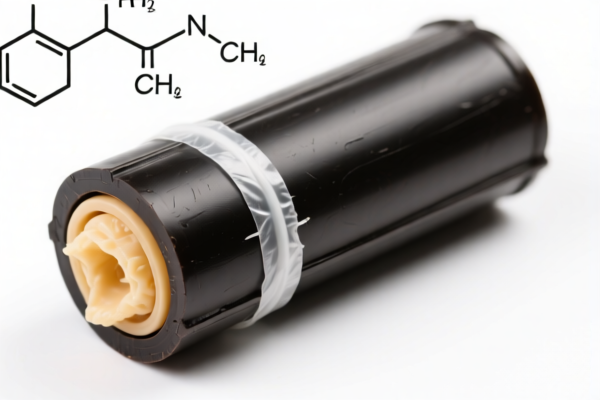
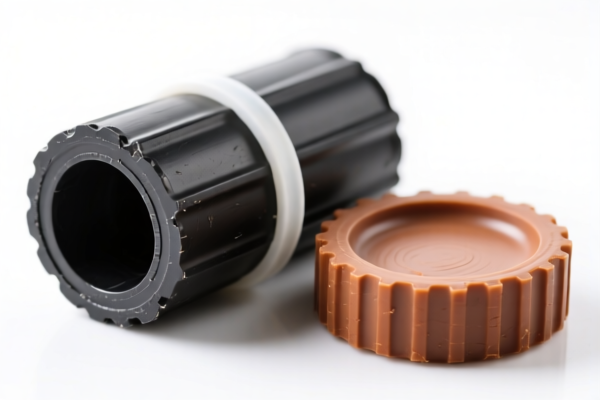
AI分析
🧪 Synthetic Rubber & Polymers: Raw Materials for Specialized Applications
🌐 HS Code Reference & Customs Clearance Guide | 2026 Latest Tariff Analysis | Professional Clearance Strategy 📌 I. Product Definition & Classification: What are "Special Purpose Rubber Raw Materials"?
In international trade, "Rubber Raw Materials" for special purposes primarily refer to Synthetic Rubbers, Factice Derived from Oils, and Polymeric Raw Materials (such as Polyethylene) in their primary forms (liquid, powder, granules, etc.) or in plates, sheets, or strips.
These are the foundational inputs for manufacturing tires, seals, gaskets, hoses, and industrial elastomers. Unlike finished rubber products, these are chemical/polymer raw materials.
⚠️ Key Distinction:
- If the product is a mixture of synthetic rubber (Heading 4001) and other products from Heading 4002 → It falls under 4002.80.
- If the product is pure synthetic rubber/factice not specifically listed elsewhere → It falls under 4002.99.
- If the product is a polymer of ethylene (polyethylene) → It falls under Chapter 39, not Chapter 40. This is a critical classification error trap!
📦 II. HS Code Classification Details (2026 Latest Tariff Authority Comparison)
Based on the provided data, here are the four specific HS Codes identified for these rubber/raw material products:
| HS Code | Product Description | Application Scenario | Key Identifier |
|---|---|---|---|
4002.99.00.00 |
Synthetic rubber and factice derived from oils... Other: Other | General synthetic rubbers (e.g., SBR, NBR) not specifically listed; mixtures not covered elsewhere. | Pure/Specialty Synthetic Rubber |
4002.80.00.00 |
Synthetic rubber and factice... Mixtures of any product of heading 4001 with any product of this heading | Blends of different synthetic rubbers or rubber-factice mixtures. | Mixture/Blend |
3901.90.90.00 |
Polymers of ethylene, in primary forms: Other: Other: Other | General polyethylene (PE) resins, not elastomeric, not specifically listed. | Polyethylene (Plastic Resin) |
3901.90.10.00 |
Polymers of ethylene, in primary forms: Other: Elastomeric | Ethylene-propylene rubber (EPR/EPDM) or other elastomeric polyethylenes. | Elastomeric Polymer |
🔍 Critical Reminder:
- Chapter 40 vs. Chapter 39: Many users confuse "Synthetic Rubber" (Ch 40) with "Elastomeric Polymers" (Ch 39).
- If it is Ethylene-based elastomer, it goes to 3901.90.10.00, NOT 4002.
- If it is SBR/NBR/Butyl, it goes to 4002.99.00.00 or 4002.80.00.00.
💰 III. 2026 Latest Tariff Rate Breakdown (Including Surcharges & Policy Add-ons)
✅ Applicable Country: United States (US)
✅ Origin: China (CN)
✅ Effective Time: 2025 November 10 onwards (and subsequent imports)
🎯 1. 4002.99.00.00 & 4002.80.00.00 — Synthetic Rubber & Factice
| Item | Content |
|---|---|
| Base Tariff | 0.0% (ad valorem) |
| Section 301 Surcharge | +25.0% |
| Total Tax Rate | 25.0% |
| Tax Calculation | CIF Value × 25% |
| De Minimis Eligibility | ❌ Not Eligible (Subject to strict scrutiny for bulk chemicals) |
| Legal Basis | USITC:4002.99.00.00 → Footnote 9903.88.01 (Section 301) |
📌 Explanation:
- Synthetic Rubbers (SBR, NBR, EPDM, etc.) from China face a 25% surcharge under US Trade Law Section 301.
- Even though the base tariff is 0%, the effective cost is 25%.
- Mixtures (4002.80) are taxed identically to pure synthetic rubbers (4002.99) at 25%.
- Factice derived from oils is also included in this 25% bracket.
🎯 2. 3901.90.90.00 — Polymers of Ethylene (Other/General)
| Item | Content |
|---|---|
| Base Tariff | 6.5% (ad valorem) |
| Section 301 Surcharge | +25.0% |
| Total Tax Rate | 31.5% |
| Tax Calculation | CIF Value × 31.5% |
| De Minimis Eligibility | ❌ Not Eligible |
| Legal Basis | USITC:3901.90.90.00 → Footnote 9903.88.01 (Section 301) |
📌 Explanation:
- General Polyethylene (PE) is subject to a 6.5% base duty PLUS 25% surcharge.
- Total: 31.5%. This is 6.5% higher than synthetic rubber imports.
- Common in plastic packaging, films, and containers.
🎯 3. 3901.90.10.00 — Polymers of Ethylene (Elastomeric)
| Item | Content |
|---|---|
| Base Tariff | 0.0% (ad valorem) |
| Section 301 Surcharge | +25.0% |
| Total Tax Rate | 25.0% |
| Tax Calculation | CIF Value × 25% |
| De Minimis Eligibility | ❌ Not Eligible |
| Legal Basis | USITC:3901.90.10.00 → Footnote 9903.88.01 (Section 301) |
📌 Explanation:
- Elastomeric Polyethylenes (like certain EPDM or POE) benefit from a 0% base tariff.
- Total: 25%.
- Strategic Tip: If your product can be technically classified as "Elastomeric Polymer" rather than "General PE," you save 6.5% in base duties.
🛠️ IV. Customs Clearance Practical Advice (Real-World Pitfall Avoidance)
✅ 1. Required Documentation Checklist (Non-Negotiable)
| Document | Mandatory? | Description |
|---|---|---|
| ✅ Product Specification Sheet | ✔️ | Must include chemical composition, monomer type (e.g., Styrene-Butadiene), and form (pellets, liquid). |
| ✅ Certificate of Analysis (COA) | ✔️ | Proves it is "Synthetic Rubber" and not a finished good or mixed commodity. |
| ✅ Material Safety Data Sheet (MSDS) | ✔️ | Critical for bulk chemical imports; identifies hazmat class if applicable. |
| ✅ Commercial Invoice | ✔️ | Clearly state: "Synthetic Rubber, SBR Type, Primary Form, HS 4002.99.00.00". Avoid vague terms like "Rubber Material." |
| ✅ Bill of Lading | ✔️ | Ensure weight and volume match invoice; discrepancies trigger customs audit. |
✅ 2. Declaration Techniques (Key Mantras)
🔥 "Chemical Name First, HS Code Specific, Form Precise, Tax Optimized!"
| Scenario | Correct Declaration | Wrong Practice |
|---|---|---|
| SBR Rubber Granules | 4002.99.00.00 - Synthetic Rubber, SBR, Pellets |
Misdeclare as "Plastic Pellets" → 31.5% (Wrong Chapter) |
| Mixed Rubber Blend | 4002.80.00.00 - Mixture of Heading 4001 & 4002 Products |
Declare as single type if it's a blend → Audit Risk |
| EPDM Rubber | 3901.90.10.00 - Elastomeric Polymer of Ethylene |
Declare as general PE (3901.90.90) → Pay 31.5% instead of 25% |
| Factice (Oil-Based) | 4002.99.00.00 - Factice Derived from Oils |
Declare as "Natural Rubber" → Severe Penalty/Fraud |
✅ 3. Special Circumstances Handling
| Situation | Handling Advice |
|---|---|
| Is it a "Finished Good"? | If the rubber is compounded with carbon black, accelerators, etc., it may fall under 4005 (Compounded Rubber), not 4002. Check with a customs broker! |
| Elastomeric vs. General PE | If your product is an ethylene-propylene copolymer with rubber-like properties, argue for 3901.90.10.00 (25% total) instead of 3901.90.90.00 (31.5% total). Provide technical data proving elasticity. |
| Small Samples vs. Bulk | Both are subject to the 25% surcharge. No de minimis exemption for bulk chemicals. |
| Origin Marking | Ensure products are clearly marked "Made in China" to avoid anti-circumvention investigations. |
🌍 V. Global Market Clearance Comparison (2026 Latest)
| Country/Region | Recommended HS Code | Tariff Rate (China Origin) | Certification/Notes |
|---|---|---|---|
| 🇺🇸 USA | 4002.99.00.00 / 3901.90.90.00 |
25% - 31.5% | High Section 301 Surcharges. Strict MSDS. |
| 🇨🇳 China | 4002.99.00.00 |
5% - 10% (Import Duty) | Export Rebates May Apply. |
| 🇪🇺 EU | 4002.99 / 3901.90 |
0% - 6.5% | No Section 301. CE/REACH Compliance Required. |
| 🇯🇵 Japan | 4002.99 / 3901.90 |
0% - 5% | No Surcharges. JIS Standards Apply. |
| 🇲🇽 Mexico | 4002.99 / 3901.90 |
0% (Under USMCA if Originating) | Must meet USMCA Rules of Origin for 0% duty. |
📌 Conclusion:
- USA is the most expensive market due to 25%+ surcharges.
- EU and Japan offer significantly lower tariff burdens but require strict chemical compliance (REACH/JIS).
- Mexico is a potential hub for US-bound goods if USMCA rules are met (0% duty).
📌 VI. Common Errors & Pitfalls (Lessons Learned)
❌ Error 1: Classifying EPDM Rubber as "General Polyethylene"
👉 Consequence: Paying 31.5% instead of 25%.
✅ Fix: Use 3901.90.10.00 for elastomeric ethylene polymers.
❌ Error 2: Declaring Compounded Rubber (with additives) as "Raw Synthetic Rubber"
👉 Consequence: Classification error (should be 4005). May lead to back-taxes or seizure.
✅ Fix: Identify if additives >2%. If so, use Heading 4005.
❌ Error 3: Ignoring the "Mixture" Definition
👉 Consequence: If you blend two types of synthetic rubber, it’s a 4002.80 mixture. Incorrectly declaring as pure type may trigger audit.
✅ Fix: Accurately declare as 4002.80.00.00 if it’s a blend.
❌ Error 4: Missing MSDS/COA at Port
👉 Consequence: Customs detention for hazardous chemical review. Delay of weeks.
✅ Fix: Include digital and physical MSDS with every shipment.
🎯 VII. Conclusion: Professional Declaration, Cost Savings, Efficiency!
🎯 Remember the Mantra:
🔹 "Synthetic Rubber = 4002 (25% Tax)"
🔹 "General PE = 3901.90 (31.5% Tax)"
🔹 "Elastomeric PE = 3901.10 (25% Tax)"
🔹 "Blend = 4002.80 (25% Tax)"🔹 "HS Code is Life. 6.5% Difference Can Make or Break Your Margin!"
📌 Pro Tip:
- If you are importing EPDM or POE into the US, insist on 3901.90.10.00 to save 6.5% on base duties.
- For SBR/NBR, there is no base duty benefit, so focus on supply chain efficiency to offset the 25% surcharge.
- Pre-Apply for Advance Rulings if your product is on the borderline between "Rubber" and "Polymer."
📣 Immediate Action:
📞 Contact a Licensed Customs Broker
📂 Provide Technical Data Sheets & MSDS
🚀 Clear Customs Smoothly, Minimize Taxes, Maximize Profit!
✨ Professional Clearance Starts with Accurate Classification!
💼 Every Cent Saved in Duties is Pure Profit!
用户评价
关于 HS 编码归类
协调制度(HS)是由世界海关组织(WCO)制定的国际贸易商品分类标准。全球 200 多个国家采用 HS 系统作为海关关税、贸易统计和进出口监管的基础。
每个 HS 编码遵循以下层级结构:
- 章(2 位)——商品大类(例如:第 84 章:机器和机械设备)
- 品目(4 位)——章内的更具体分类
- 子目(6 位)——国际通用细分,所有 WCO 成员国统一使用
- 本国细分(8-10 位)——各国自行扩展的细分编码,如美国 HTSUS 10 位编码
正确的 HS 编码归类对于顺利通关、准确缴纳关税和遵守贸易法规至关重要。错误归类可能导致海关延误、多缴关税或罚款。
从CN进口到US时,适用的关税税率可能包括:
- 最惠国(MFN)税率——适用于 WTO 成员国的标准关税税率
- 普通税率——适用于无贸易协定国家
- 贸易救济关税——附加关税,如 301 条款(反倾销)、232 条款(国家安全)或反补贴税
本页内容仅供参考。如需正式归类,请咨询当地海关或持牌报关代理。