rubber shoe sole
CN → US| HS编码 | 关税税率 | 原产国 | 目的国 | 文档 |
|---|---|---|---|---|
| 6402190590 | 16.0% | CN | US | 官方文档 |
| 6402190530 | 16.0% | CN | US | 官方文档 |
| 6403191000 | 22.5% | CN | US | 官方文档 |
| 6403193030 | 18.5% | CN | US | 官方文档 |
| 6404112071 | 20.5% | CN | US | 官方文档 |
| 6404115900 | 58.0% | CN | US | 官方文档 |
商品图片
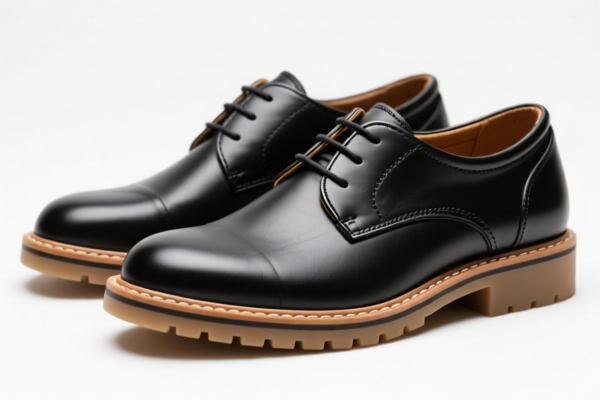
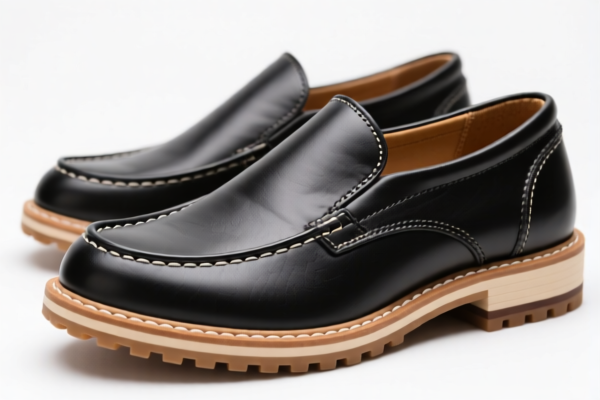
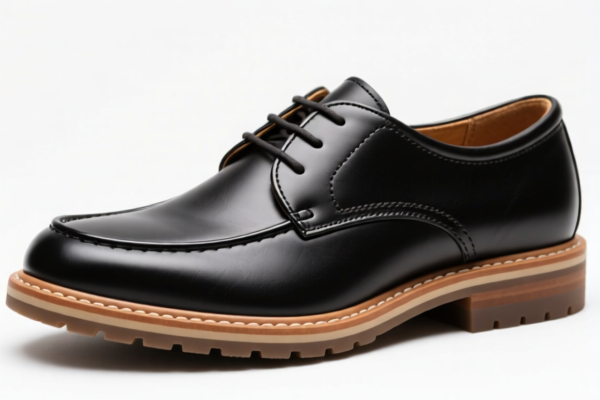
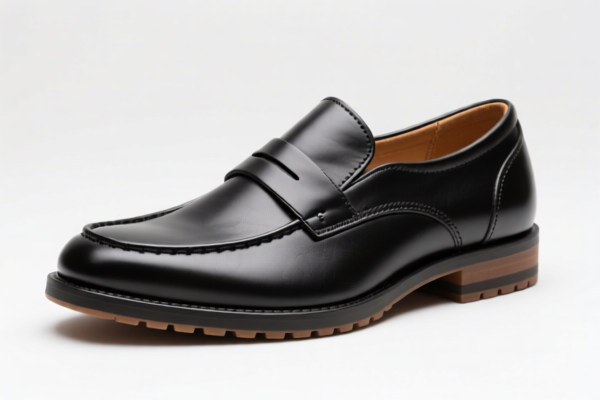
AI分析
👞 Rubber Shoe Sole (Raw Material / Component for Footwear)
🌐 HS Code Reference & Customs Clearance Guide | 2026 Latest Tariff Breakdown | Strategic Compliance Strategy
📌 I. Product Definition & Classification: What Exactly is a "Rubber Shoe Sole"?
In international trade, the term "Rubber Shoe Sole" can refer to two distinct categories depending on its state and intended use:
- Raw Material/Component (Unworked Semi-Finished): Solid rubber or plastic soles that have been cut into shape but lack uppers, stitching, or final assembly. These are often used by manufacturers to assemble finished shoes.
- Finished Footwear (Wearable): If the "sole" comes attached to an upper (even a partial one) or is marketed as a complete golf shoe with a rubber/plastic outsole, it is classified as Footwear, not a raw material.
⚠️ Key Distinction Point:
- If it is bare rubber/plastic outsoles without uppers → It might be considered a part/accessory, but often falls under footwear chapters if specifically shaped for shoes.
- If it is a complete Golf Shoe with a rubber/plastic outsole → It must be classified under Chapter 64 (Footwear).
- Note: The provided data only lists HS Codes for Footwear (Chapter 64), implying the input refers to Golf Shoes with rubber/plastic soles, not raw rubber blocks.
📦 II. HS Code Classification Matrix (Based on Provided Data)
| HS Code | Product Description | Material & Use Match | Total Tax Rate | Tax Detail Breakdown |
|---|---|---|---|---|
6402.19.05.90 |
Rubber or Plastic Golf Shoes | ✅ Matches: Rubber/plastic outsole, Golf purpose | 16.0% | Base: 6.0%, Additional: 0%, Section 301: 10% |
6402.19.05.30 |
Rubber/Plastic Sole Golf Shoes | ✅ Matches: Rubber/plastic outsole, Golf purpose | 16.0% | Base: 6.0%, Additional: 0%, Section 301: 10% |
6403.19.10.00 |
Rubber/Plastic Sole Golf Shoes | ✅ Matches: Rubber/plastic outsole, Golf purpose | 22.5% | Base: 5.0%, Additional: 7.5%, Section 301: 10% |
6403.19.30.30 |
Rubber/Plastic Sole Golf Shoes | ✅ Matches: Rubber/plastic outsole, Golf purpose | 18.5% | Base: 8.5%, Additional: 0%, Section 301: 10% |
6404.11.20.71 |
Rubber/Plastic Sole Golf Shoes | ✅ Matches: Rubber/plastic outsole, Sportswear category | 20.5% | Base: 10.5%, Additional: 0%, Section 301: 10% |
🔍 Critical Insight:
All listed HS Codes belong to Chapter 64 (Footwear). This means the item is not a raw rubber block or generic sole component, but rather finished or partially assembled Golf Shoes where the outer sole material is rubber or plastic.
-6402: Footwear with outer sole of rubber, plastics, leather composition, etc.
-6403: Footwear with outer sole of rubber, plastics, leather, and uppers of leather (likely the reason for higher base tax in some subcodes).
-6404: Footwear with outer sole of rubber, plastics, leather, or textile materials.
💰 III. 2026 Tariff Rate Detailed Analysis (Including Additional Duties)
✅ Applicable Country: United States (US)
✅ Origin: China (CN) (Implied by Section 301/122 Clause reference)
✅ Effective Date: Current trade policies apply
🎯 1. 6402.19.05.90 & 6402.19.05.30 – Rubber/Plastic Sole Golf Shoes (Lower Tax Bracket)
| Item | Content |
|---|---|
| Base Tariff (MFN) | 6.0% |
| Section 301 / 122 Additional Duty | +10.0% |
| Total Effective Tax Rate | 16.0% |
| Calculation Basis | CIF Value (Cost + Insurance + Freight) × 16% |
| De Minimis Exemption | ❌ Not Applicable (Section 301 goods are generally excluded) |
| Legal Basis Path | HTSUS: 6402.19.05 → Section 301 Footnote: 9903.01.25 (or similar) |
📌 Explanation:
- These codes fall under Heading 6402 (Footwear with outer sole of rubber/plastics).
- The 6.0% base rate is standard for many footwear items under MFN treatment.
- The +10% additional duty is likely from Section 301 (China-specific tariffs).
- Total 16% is the most competitive rate among the options.
🎯 2. 6403.19.10.00 – Highest Tax Bracket (Leather Uppers Implied?)
| Item | Content |
|---|---|
| Base Tariff (MFN) | 5.0% |
| Additional Duty (Section 301/122) | +7.5% |
| Section 301 / 122 Additional Duty | +10.0% |
| Total Effective Tax Rate | 22.5% |
| Calculation Basis | CIF Value × 22.5% |
| De Minimis Exemption | ❌ Not Applicable |
| Legal Basis Path | HTSUS: 6403.19.10 → Section 301 Footnote |
📌 Explanation:
- Why higher total tax despite lower base (5%)? Because the Additional Duty is 7.5% instead of 0%.
- This subcode likely includes footwear with leather uppers (Heading 6403), which often face stricter regulatory scrutiny or different trade policy treatments.
- Total 22.5% is the highest cost among the provided options.
🎯 3. 6403.19.30.30 – Mid-Range Tax
| Item | Content |
|---|---|
| Base Tariff (MFN) | 8.5% |
| Additional Duty | 0.0% |
| Section 301 / 122 Additional Duty | +10.0% |
| Total Effective Tax Rate | 18.5% |
| Calculation Basis | CIF Value × 18.5% |
🎯 4. 6404.11.20.71 – Sportswear Category
| Item | Content |
|---|---|
| Base Tariff (MFN) | 10.5% |
| Additional Duty | 0.0% |
| Section 301 / 122 Additional Duty | +10.0% |
| Total Effective Tax Rate | 20.5% |
| Calculation Basis | CIF Value × 20.5% |
📌 Explanation:
- Heading 6404 covers footwear with outer sole of rubber/plastics and upper of textile materials.
- Higher base tax (10.5%) reflects the textile content.
- Total 20.5% is moderate but higher than the 6402 options.
🛠️ IV. Customs Clearance Practical Advice (Avoiding Pitfalls)
✅ 1. Essential Documentation Checklist
| Document | Required? | Notes |
|---|---|---|
| ✅ Commercial Invoice | ✔️ | Must clearly state "Golf Shoes, Rubber/Plastic Outsole" |
| ✅ Packing List | ✔️ | Detail quantity, weight, dimensions |
| ✅ Product Photos | ✔️ | Clear images of sole material, stitching, and any branding |
| ✅ Material Declaration | ✔️ | Specify % of rubber, plastic, leather, textile in upper and sole |
| ✅ FCC/CE Certification | ❌ | Usually not required for footwear, but check for special safety standards |
| ✅ Origin Certificate (CO) | ✔️ | Required to prove origin (China) and apply correct Section 301 duties |
✅ 2. Classification Strategy (Key Tips)
🔥 “Sole Material + Upper Material = HS Code”
| Scenario | Correct HS Code | Reason |
|---|---|---|
| Golf Shoe with Rubber Sole + Leather Upper | Likely 6403.19.10.00 or 6403.19.30.30 |
Heading 6403 = Leather Upper |
| Golf Shoe with Rubber Sole + Textile Upper | Likely 6404.11.20.71 |
Heading 6404 = Textile Upper |
| Golf Shoe with Rubber/Plastic Sole + Other Material (e.g., PVC, Synthetic) | Likely 6402.19.05.90 or 6402.19.05.30 |
Heading 6402 = Rubber/Plastics/Leather Composition |
⚠️ Warning:
- Do NOT declare as "Rubber Sole Only" if it’s a finished shoe.
- Do NOT misdeclare leather uppers as textile to avoid higher duties (customs may inspect and penalize).
✅ 3. Special Handling for Section 301 / 122 Clauses
| Clause | Impact | Mitigation |
|---|---|---|
| Section 301 (10%) | Applies to all Chinese-origin footwear | Cannot be avoided; must be included in cost calculation |
| Section 122 (if applicable) | May add 7.5% in some cases (see 6403.19.10.00) |
Check if product falls under specific exclusion lists |
| De Minimis (Section 321) | ❌ Excluded for Section 301 goods | No $800 exemption for China-origin goods under 301 |
🌍 V. Global Market Comparison (2026)
| Country/Region | Recommended HS Code | Tariff Rate (China Origin) | Notes |
|---|---|---|---|
| 🇺🇸 USA | 6402.19.05.90 |
16.0% | Most competitive; avoid 6403 if possible |
| 🇨🇳 China | 6402.19.05.90 |
~5-8% | Import duties apply; check VAT |
| 🇪🇺 EU | 6402.19.00 |
~12% | No Section 301; standard MFN rate |
| 🇬🇧 UK | 6402.19.00 |
~12% | Post-Brexit tariff regime |
| 🇯🇵 Japan | 6402.19.00 |
~15% | Free Trade Agreement (JTEPA) may reduce |
📌 Conclusion:
- US market is most impacted by Section 301 tariffs.
- Selecting6402codes (16%) is better than6403(22.5%) or6404(20.5%) for cost efficiency.
- Consider supply chain diversification (e.g., Vietnam, India) if tariffs become prohibitive.
📌 VI. Common Mistakes & Pitfalls (Lessons Learned)
❌ Mistake 1: Declaring as "Rubber Parts" instead of "Footwear"
👉 Consequence: Customs may reclassify to footwear, applying 16-22% + penalties.
❌ Mistake 2: Misidentifying upper material
👉 Consequence: If leather is declared as textile, customs inspection may lead to higher duties (6403 vs 6404) + fines.
❌ Mistake 3: Ignoring Section 301 applicability
👉 Consequence: Assuming $800 de minimis exemption applies → Shipment seized or backdated duties + interest.
❌ Mistake 4: Using vague descriptions like "Shoes"
👉 Consequence: Customs may assign default higher tariff rate or delay clearance for inspection.
✅ Correct Practice:
"Golf Shoes, Men’s, Size 10, Rubber Outsole, Leather Upper, Model XYZ, Made in China"
→ Use precise HS Code6403.19.10.00or6402.19.05.90based on material breakdown.
🎯 VII. Conclusion: Precision in Classification Saves Money!
🎯 Remember the Golden Rules:
🔹 “Sole Material + Upper Material = Exact HS Code”
🔹 “Section 301 = 10% Extra for China Origin”
🔹 “6402 is Cheaper Than 6403 for Non-Leather Uppers”
🔹 “No De Minimis for 301 Goods”
📌 Pro Tip:
If your golf shoes have synthetic or textile uppers, aim for 6402.19.05.90 (16%) or 6404.11.20.71 (20.5%). Avoid 6403 unless absolutely necessary, as it carries higher total duties (22.5%).
📣 Action Required:
📞 Consult a licensed customs broker to verify the exact upper material composition.
🚀 Request an Advance Ruling from US Customs (CBP) to lock in the HS Code and tariff rate before shipment.
✨ Accurate Classification from Day One!
💼 Your Profit Margin Depends on the 16% vs 22.5% Difference!
用户评价
关于 HS 编码归类
协调制度(HS)是由世界海关组织(WCO)制定的国际贸易商品分类标准。全球 200 多个国家采用 HS 系统作为海关关税、贸易统计和进出口监管的基础。
每个 HS 编码遵循以下层级结构:
- 章(2 位)——商品大类(例如:第 84 章:机器和机械设备)
- 品目(4 位)——章内的更具体分类
- 子目(6 位)——国际通用细分,所有 WCO 成员国统一使用
- 本国细分(8-10 位)——各国自行扩展的细分编码,如美国 HTSUS 10 位编码
正确的 HS 编码归类对于顺利通关、准确缴纳关税和遵守贸易法规至关重要。错误归类可能导致海关延误、多缴关税或罚款。
从CN进口到US时,适用的关税税率可能包括:
- 最惠国(MFN)税率——适用于 WTO 成员国的标准关税税率
- 普通税率——适用于无贸易协定国家
- 贸易救济关税——附加关税,如 301 条款(反倾销)、232 条款(国家安全)或反补贴税
本页内容仅供参考。如需正式归类,请咨询当地海关或持牌报关代理。