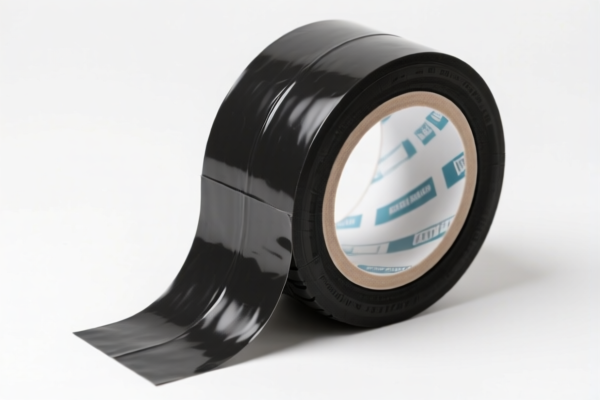
rubber tire repair patch
CN → US| HS编码 | 关税税率 | 原产国 | 目的国 | 文档 |
|---|---|---|---|---|
| 4012118000 | 38.4% | CN | US | 官方文档 |
| 4012124035 | 39.0% | CN | US | 官方文档 |
| 4013100010 | 38.7% | CN | US | 官方文档 |
| 3926901000 | 20.9% | CN | US | 官方文档 |
| 8708995500 | 37.5% | CN | US | 官方文档 |
商品图片



AI分析
🛞 Rubber Tire Repair Patch (Tire Patching Materials)
🌐 HS Code Reference & Customs Clearance Guide | 2026 Latest Tariff Analysis | Professional Clearance Strategy 📌 I. Product Definition & Classification: Do You Really Know "Rubber Tire Repair Patches"?
A rubber tire repair patch is a specialized automotive accessory used to seal punctures in pneumatic tires. In international trade, its classification depends heavily on its material composition, form factor, and intended use. It is often confused with general rubber parts or tire assemblies, leading to significant tariff differences.
Key Distinctions: - Tire Assemblies (Tyres): If the product is a complete tire (new or retreaded), it falls under Chapter 40 (e.g., 4011, 4012). - General Rubber Articles: If the patch is a simple flat sheet without specific tire-retreading functionality, it might be classified as a general rubber article (e.g., 3926 for plastic/rubber blends or 4012 for discarded/used tires parts). - Vehicle Parts: If marketed specifically as a "part of the vehicle" for shock absorption or protection, it might mistakenly be looked at under 8708.
⚠️ Critical Classification Point:
- Pure rubber patches intended for retreading or repairing tires are primarily classified under HS Code 4012 (Retreaded tyres; used pneumatic tyres; vulcanized rubber fittings).
- Misclassification Risk: Declaring them as general "rubber mats" (3926.90.10.00) can lead to lower duties but may trigger audits for misdeclaration. Declaring them as auto parts (8708) is often incorrect unless they are specific shock absorber components, not simple patches.
📦 II. HS Code Classification Details (2026 Latest Tariff Authoritative Comparison)
Based on the provided data, here are the relevant HS codes for rubber tire-related products and patches:
| HS Code | Product Description | Applicability | Key Characteristics |
|---|---|---|---|
4012.11.80.00 |
Rubber Tires, Retreaded or Used | Tires, retreading materials | Material: Rubber; Form: Tire. Matches core classification for tire-related rubber goods. |
4012.12.40.35 |
Other Rubber Tires / Parts | Tire accessories | Material: Rubber; Form: Tire. Categorized under other tire-related items. |
4013.10.00.10 |
Inner Tubes / Tire Liners | Tire components | Material: Rubber; Use: For tires. Core elements align with tire systems. |
3926.90.10.00 |
Other Rubber/Plastic Articles | General rubber products | Material: Rubber; Form: Mat/Patch. Classified as "other articles" if not specifically a tire. |
8708.99.55.00 |
Parts and Accessories of Motor Vehicles | Shock absorption/protection | Material: Rubber; Use: Shock absorption/protection. Often misused for generic rubber pads. |
🔍 Focus Reminder:
- True Tire Patches/Retreading Materials: Should ideally fall under 4012.xx.xx because they are integral to the tire's function or structure.
- General Rubber Pads: If the "patch" is a simple isolation pad or mat not directly part of the tire assembly, it may fall under 3926.90.10.00.
- Incorrect Classification: Avoid 8708.99.55.00 unless the product is a specialized shock-absorbing component for the vehicle chassis, not a tire patch.
💰 III. 2026 Latest Tariff Rate Breakdown (Including Surtaxes & Policy Add-ons)
✅ Applicable Country: USA (US)
✅ Origin: China (CN)
✅ Effective Date: From November 10, 2025 (including subsequent imports)
🎯 1. 4012.11.80.00 – Rubber Tires/Retreaded Rubber Articles
| Item | Content |
|---|---|
| Base Tariff | 3.4% (ad valorem) |
| Section 301 Surcharge | +25.0% |
| Section 122 Tariff | +10.0% |
| Total Tariff Rate | 38.4% |
| Tax Calculation | CIF Value × 38.4% |
| De Minimis Eligibility | ❌ Not Eligible (deny_de_minimis) |
| Legal Basis Path | USITC:4012.11.80.00 → Section 301: +25% → Section 122: +10% |
📌 Explanation:
- Section 301 (25%): Applies to most rubber products from China due to trade tensions.
- Section 122 (10%): Specific additional duty for certain rubber imports.
- Total 38.4%: This is the standard high-duty rate for rubber tire-related goods.
🎯 2. 4012.12.40.35 – Other Rubber Tire-Related Articles
| Item | Content |
|---|---|
| Base Tariff | 4.0% |
| Section 301 Surcharge | +25.0% |
| Section 122 Tariff | +10.0% |
| Total Tariff Rate | 39.0% |
| Tax Calculation | CIF Value × 39.0% |
| De Minimis Eligibility | ❌ Not Eligible |
| Legal Basis Path | USITC:4012.12.40.35 → Section 301: +25% → Section 122: +10% |
📌 Note:
- Slightly higher base rate than 4012.11.80.00.
- Still subject to the same heavy surcharges.
- Common for "other" tire parts not explicitly covered in 4012.11.
🎯 3. 4013.10.00.10 – Inner Tubes / Tire Liners
| Item | Content |
|---|---|
| Base Tariff | 3.7% |
| Section 301 Surcharge | +25.0% |
| Section 122 Tariff | +10.0% |
| Total Tariff Rate | 38.7% |
| Tax Calculation | CIF Value × 38.7% |
| De Minimis Eligibility | ❌ Not Eligible |
| Legal Basis Path | USITC:4013.10.00.10 → Section 301: +25% → Section 122: +10% |
📌 Note:
- If your "patch" is part of an inner tube assembly or sold as a liner, this code may apply.
- Tax burden is similar to 4012 codes (~38.7%).
🎯 4. 3926.90.10.00 – Other Rubber/Plastic Articles (General Use)
| Item | Content |
|---|---|
| Base Tariff | 3.4% |
| Section 301 Surcharge | +7.5% |
| Section 122 Tariff | +10.0% |
| Total Tariff Rate | 20.9% |
| Tax Calculation | CIF Value × 20.9% |
| De Minimis Eligibility | ❌ Not Eligible (Check specific product type) |
| Legal Basis Path | USITC:3926.90.10.00 → Section 301: +7.5% → Section 122: +10% |
📌 Critical Insight:
- Lowest Tariff Option (20.9%): If the product can be legally defined as a "rubber mat" or "general article" rather than a "tire part," the tariff drops significantly from ~38% to ~21%.
- Risk: High risk of customs audit. Must prove the product is not primarily a tire component.
- Section 301 is only 7.5% for this category, unlike 25% for tire-specific codes.
🎯 5. 8708.99.55.00 – Auto Parts (Shock Absorption/Protection)
| Item | Content |
|---|---|
| Base Tariff | 2.5% |
| Section 301 Surcharge | +25.0% |
| Section 122 Tariff | +10.0% |
| Total Tariff Rate | 37.5% |
| Tax Calculation | CIF Value × 37.5% |
| De Minimis Eligibility | ❌ Not Eligible |
| Legal Basis Path | USITC:8708.99.55.00 → Section 301: +25% → Section 122: +10% |
📌 Note:
- Base rate is low (2.5%), but Section 301 surcharge is high (25%).
- Only applicable if the patch is specifically designed as a shock-absorbing component for the vehicle body, not the tire.
- High Misclassification Risk: Using this for a tire patch is likely incorrect and may result in penalties.
🛠️ IV. Customs Clearance Practical Advice (Battle-Tested Pitfall Avoidance Guide)
✅ 1. Document Checklist (Mandatory)
| Document | Required | Explanation |
|---|---|---|
| ✅ Product Specification Sheet | ✔️ | Must detail material (vulcanized rubber), dimensions, and intended use (tire repair vs. general padding). |
| ✅ Product Photos (Clear & Labeled) | ✔️ | Show the product in isolation and in use. Label must distinguish if it's a "Tire Patch" or "Rubber Pad." |
| ✅ Composition Analysis Report | ✔️ | To determine if it falls under Chapter 40 (Rubber) or 39 (Plastics/Rubber mix). |
| ✅ Commercial Invoice | ✔️ | Use precise description: "Vulcanized Rubber Tire Repair Patch" or "Rubber Isolation Mat." Avoid vague terms like "Auto Part." |
| ✅ Packing List | ✔️ | Indicate if the patches are packaged with tires (implies 4012) or separately (supports 3926). |
✅ 2. Declaration Strategy (Key Mantras)
🔥 "Define Use, Define Form; Avoid Auto Parts, Watch Chapter 40!"
| Scenario | Correct Declaration | Incorrect Practice |
|---|---|---|
| Tire Patch for Retreading | 4012.11.80.00 or 4012.12.40.35 |
Declare as "Rubber Mat" (3926) → Audit Risk |
| General Rubber Pad (Non-Tire) | 3926.90.10.00 |
Declare as "Tire Patch" → Higher Duty (38.4%) |
| Shock Absorber Component | 8708.99.55.00 |
Declare as "Tire Patch" → Wrong Code |
| Inner Tube with Patch | 4013.10.00.10 |
Declare as "Tire Assembly" → Wrong Code |
✅ 3. Special Handling Tips
| Situation | Advice |
|---|---|
| Hybrid Products | If the patch has a textile backing, clarify if it's >50% rubber by weight to stay in Chapter 40. |
| Packaging | If sold in a kit with glue and tools, ensure the invoice clearly separates the rubber patch to justify its specific classification. |
| Pre-Ruling | For large shipments, apply for an Advance Ruling from US Customs to confirm if your product qualifies for the lower 3926.90.10.00 rate. |
| Origin Marking | Ensure "Made in China" is clearly marked on the product/packaging to avoid Section 301 disputes. |
🌍 V. Global Market Clearance Comparison (2026 Latest)
| Country/Region | Recommended HS Code | Estimated Duty (China Origin) | Certification | Notes |
|---|---|---|---|---|
| 🇺🇸 USA | 4012.11.80.00 |
38.4% (if tire part) | None specific | High risk of 25% Section 301. |
| 🇺🇸 USA | 3926.90.10.00 |
20.9% (if general article) | None specific | Lower duty, but higher audit risk. |
| 🇨🇳 China | 4012.11.80.00 |
~5-10% | CCC (if applicable) | Lower tariffs for imported rubber parts. |
| 🇪🇺 EU | 4012.10.00.00 |
0-6.5% | REACH / RoHS | No Section 301 equivalent. |
| 🇬🇧 UK | 4012.10.00.00 |
0-6.5% | UKCA | Post-Brexit rules apply. |
📌 Conclusion:
- USA is the most expensive market due to Section 301 and Section 122 tariffs.
- Strategic Option: If the product can be legitimately classified as a "general rubber article" (3926), you save ~17.5% in duties compared to "tire parts." However, ensure compliance to avoid penalties.
- EU/UK offer much lower tariffs for similar products, making them easier markets for entry.
📌 VI. Common Mistakes & Pitfalls (Lessons Learned)
❌ Mistake 1: Declaring "Tire Patches" as "Auto Parts" (8708) to get base duty of 2.5%
👉 Consequence: Customs rejects classification, imposes 38.4% + penalties. Section 301 (25%) still applies.
❌ Mistake 2: Mixing "Tire Patches" with "Tires" in one shipment without separate declaration
👉 Consequence: Complex customs valuation issues. Each item must be declared separately with its own HS Code.
❌ Mistake 3: Ignoring Section 122 Tariffs
👉 Consequence: Unexpected 10% surcharge on top of 25% Section 301. Total duty jumps from 28.4% to 38.4%.
❌ Mistake 4: Using vague descriptions like "Rubber Goods"
👉 Consequence: Customs assigns default high-duty codes. Be specific!
✅ Correct Action:
"Vulcanized Rubber Tire Repair Patches, 4012.11.80.00, Made in China, Subject to Section 301 & 122 Tariffs."
🎯 VII. Conclusion: Precise Classification, Cost Control!
🎯 Remember the Mantra:
🔹 "Tire Part = 38.4% / General Rubber = 20.9% / Auto Part = 37.5% – Choose Wisely!"
🔹 "Section 301 + 122 = Double Trouble for Rubber from China!"
📌 Pro Tip:
If your business volume is significant, consider supply chain diversification (e.g., sourcing from Vietnam or Malaysia) to potentially avoid Section 301 tariffs. However, ensure substantial transformation occurs in the third country to legally change origin.
📣 Immediate Action:
📞 Consult a licensed customs broker in the US.
📦 Prepare detailed product specs and photos.
🚀 Apply for a Pre-Ruling if you wish to use3926.90.10.00for lower duties.
✨ Professional Clearance Starts with Accurate Classification!
💼 Your Cost Savings Are Worth the Extra Documentation!
用户评价
关于 HS 编码归类
协调制度(HS)是由世界海关组织(WCO)制定的国际贸易商品分类标准。全球 200 多个国家采用 HS 系统作为海关关税、贸易统计和进出口监管的基础。
每个 HS 编码遵循以下层级结构:
- 章(2 位)——商品大类(例如:第 84 章:机器和机械设备)
- 品目(4 位)——章内的更具体分类
- 子目(6 位)——国际通用细分,所有 WCO 成员国统一使用
- 本国细分(8-10 位)——各国自行扩展的细分编码,如美国 HTSUS 10 位编码
正确的 HS 编码归类对于顺利通关、准确缴纳关税和遵守贸易法规至关重要。错误归类可能导致海关延误、多缴关税或罚款。
从CN进口到US时,适用的关税税率可能包括:
- 最惠国(MFN)税率——适用于 WTO 成员国的标准关税税率
- 普通税率——适用于无贸易协定国家
- 贸易救济关税——附加关税,如 301 条款(反倾销)、232 条款(国家安全)或反补贴税
本页内容仅供参考。如需正式归类,请咨询当地海关或持牌报关代理。