rust removal screw extractor
CN → US| HS编码 | 关税税率 | 原产国 | 目的国 | 文档 |
|---|---|---|---|---|
| 8205100000 | 41.2% | CN | US | 官方文档 |
| 8467115020 | 35.0% | CN | US | 官方文档 |
| 8467891000 | 17.5% | CN | US | 官方文档 |
| 8205595560 | 40.3% | CN | US | 官方文档 |
| 7326190080 | 87.9% | CN | US | 官方文档 |
商品图片
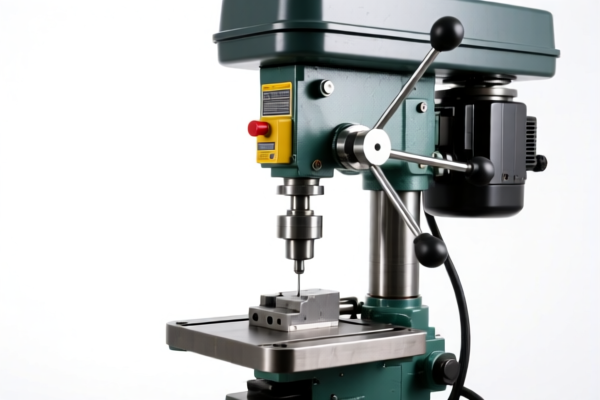
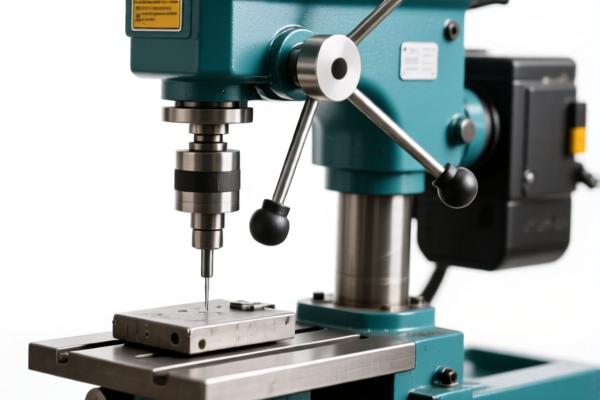
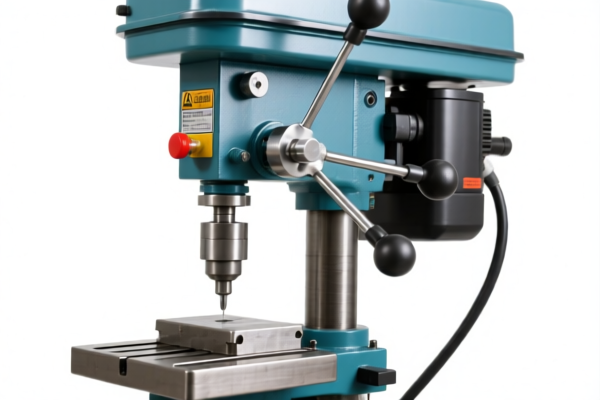
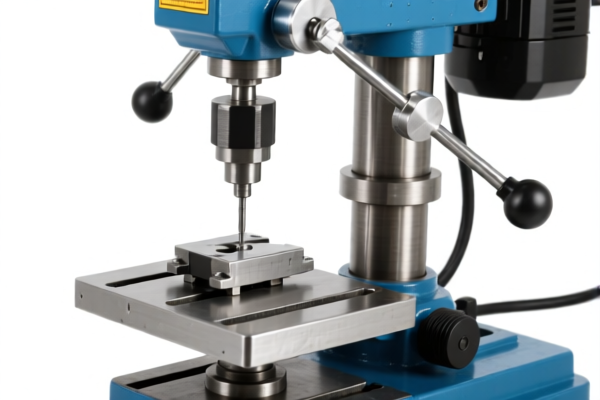
AI分析
🔩 Rust Removal Screw Extractor (Threaded Reverse Spiral Bits)
🌐 HS Code Reference & Clearance Guide | 2026 Latest Tariff Analysis | Professional Customs Strategy
📌 I. Product Definition & Classification: What Exactly Is a "Screw Extractor"?
A Rust Removal Screw Extractor is a specialized hand tool designed to remove broken, stripped, or rusted screws and bolts. It typically consists of a hardened steel shaft with reverse spiral flutes (left-hand threads). When rotated counter-clockwise, the flutes dig into the screw head, gripping it tightly to unscrew it.
In international trade, these tools are classified based on their mechanism and primary function. They are generally considered "Hand Tools" (Chapter 82) or "Tools for Working in the Hand" (Chapter 84), depending on whether they are purely manual or part of a powered system.
⚠️ Key Distinction:
- If the tool is purely manual (used with a wrench or drill chuck without internal power generation) → Often falls under Chapter 82 (Tools of Base Metal) or 8467 (Powered Hand Tools).
- If it is marketed specifically as a "Screw Extractor" for mechanical operations → 8467.11/8467.89 are common.
- If it is a simple metal shank without a specific tool head classification → Might fall under 8205 (Miscellaneous Hand Tools).
📦 II. HS Code Classification Details (2026 Latest Tariff Reference)
Based on the provided data, here are the specific HS Codes and their corresponding tax structures. Note that different customs interpretations may apply based on the exact physical design (e.g., is it a bit for a drill, or a standalone manual extractor?).
| HS Code | Product Description | Tax Rate (Total) | Tax Breakdown |
|---|---|---|---|
8205.10.00.00 |
Manual/Mechanical Tools for drilling, tapping, or threading operations. No material conflict. | 41.2% | Base Duty: 6.2% + Add. Duty: 25.0% + Section 122 Duty: 10% |
8467.11.50.20 |
Pneumatic or Mechanical Rotating Hand Tools, categorized under screwdrivers and nut-runners. | 35.0% | Base Duty: 0.0% + Add. Duty: 25.0% + Section 122 Duty: 10% |
8467.89.10.00 |
Handheld Tools for metal working/processing, form factor: Tool. | 17.5% | Base Duty: 0.0% + Add. Duty: 7.5% + Section 122 Duty: 10% |
8205.59.55.60 |
Hand Tools, function: Screw Removal, categorized under "Other." | 40.3% | Base Duty: 5.3% + Add. Duty: 25.0% + Section 122 Duty: 10% |
7326.19.00.80 |
Steel Articles, as tool accessories/parts, categorized under "Other." | 87.9% | Base Duty: 2.9% + Add. Duty: 25.0% + Section 122 Duty: 10% + Steel/Alu/Cu Surcharge: 50% |
🔍 Critical Note on Classification:
-8467Codes (35.0% & 17.5%): These are often more favorable if the extractor is viewed as a "Rotary Tool" or "Metal Processing Tool." Customs may accept this if the tool is used in conjunction with a drill (i.e., a drill bit).
-8205Codes (41.2% & 40.3%): These classify the item as a "Miscellaneous Hand Tool." This is a safer, broader classification but comes with a higher base duty (6.2% or 5.3%).
-7326Code (87.9%): AVOID THIS CODE unless the item is clearly a part/fitting of another machine. It attracts a massive 50% steel surcharge, making it the most expensive option. Do not classify a finished screw extractor as a "steel article part."
💰 III. 2026 Tariff Rate Details (Including Add-Ons & Policy Surcharges)
✅ Applicable Country: United States (US)
✅ Origin: China (CN)
✅ Effective Date: Nov 10, 2025 (Including subsequent imports)
🎯 1. 8205.10.00.00 —— Manual/Mechanical Tools (Drilling/Tapping)
| Item | Content |
|---|---|
| Base Duty | 6.2% (ad valorem) |
| Section 301 Add-On | +25.0% |
| Section 122 Duty | +10.0% |
| Total Effective Rate | 41.2% |
| Calculation | CIF Value × 41.2% |
| De Minimis Exemption | ❌ Not Available |
| Legal Path | USITC:8205.10.00.00 → FOOTNOTE:301 → FOOTNOTE:122 |
📌 Explanation:
- This code is appropriate if the extractor is sold as a standalone manual tool (e.g., a straight screw extractor used with a wrench).
- The 6.2% base duty is the primary differentiator here compared to8467.11(0% base).
- However, the 35% total surcharge (25% + 10%) remains constant across most categories.
🎯 2. 8467.11.50.20 —— Rotating Hand Tools (Screwdrivers/Nut-Runners)
| Item | Content |
|---|---|
| Base Duty | 0.0% |
| Section 301 Add-On | +25.0% |
| Section 122 Duty | +10.0% |
| Total Effective Rate | 35.0% |
| Calculation | CIF Value × 35.0% |
| De Minimis Exemption | ❌ Not Available |
| Legal Path | USITC:8467.11.50.20 → FOOTNOTE:301 → FOOTNOTE:122 |
📌 Explanation:
- This is often the best classification for screw extractors if they are marketed as drill bits or rotary tools.
- The 0% base duty saves you 6.2% compared to the8205classification.
- Risk: Customs may challenge this if the item is not clearly a "rotary tool" but rather a simple manual extractor.
🎯 3. 8467.89.10.00 —— Handheld Metal Processing Tools
| Item | Content |
|---|---|
| Base Duty | 0.0% |
| Section 301 Add-On | +7.5% |
| Section 122 Duty | +10.0% |
| Total Effective Rate | 17.5% |
| Calculation | CIF Value × 17.5% |
| De Minimis Exemption | ❌ Not Available |
| Legal Path | USITC:8467.89.10.00 → FOOTNOTE:301 (partial) → FOOTNOTE:122 |
📌 Explanation:
- LOWEST TAX RATE (17.5%).
- This code applies if the tool is specifically defined as a "Metal Working Tool" that is handheld.
- Strategy: If you can justify the tool as a "metal processing tool" (which it is, as it removes metal/rust via extraction), this is the most cost-effective classification.
- Note: The Section 301 add-on is only 7.5% here, not 25%. This is a significant savings.
🎯 4. 8205.59.55.60 —— Other Hand Tools (Screw Removal)
| Item | Content |
|---|---|
| Base Duty | 5.3% |
| Section 301 Add-On | +25.0% |
| Section 122 Duty | +10.0% |
| Total Effective Rate | 40.3% |
| Calculation | CIF Value × 40.3% |
| De Minimis Exemption | ❌ Not Available |
📌 Explanation:
- Similar to8205.10but with a slightly lower base duty (5.3% vs 6.2%).
- Useful if the specific product description fits "Other" hand tools better than "Drilling/Tapping" tools.
🎯 5. 7326.19.00.80 —— Steel Articles (Parts)
| Item | Content |
|---|---|
| Base Duty | 2.9% |
| Section 301 Add-On | +25.0% |
| Section 122 Duty | +10.0% |
| Steel/Cu/Alu Surcharge | +50.0% |
| Total Effective Rate | 87.9% |
| Calculation | CIF Value × 87.9% |
| De Minimis Exemption | ❌ Not Available |
📌 CRITICAL WARNING:
- DO NOT USE THIS CODE for finished screw extractors.
- This code is for parts and accessories made of steel.
- The 50% steel surcharge makes this classification prohibitively expensive.
- Only use this if you are importing raw steel rods or unprocessed steel blanks for manufacturing, not finished tools.
🛠️ IV. Customs Clearance Practical Advice (Avoid Pitfalls)
✅ 1. Documentation Checklist (Must-Haves)
| Document | Required | Notes |
|---|---|---|
| ✅ Product Specs | ✔️ | Include: Material (e.g., S2 Steel, M42 HSS), Size, Pack Quantity. |
| ✅ Product Photos | ✔️ | Clear images showing the spiral flute design and reverse threading. |
| ✅ Commercial Invoice | ✔️ | Describe as "Handheld Screw Extractor Bits" or "Reverse Spiral Screw Removal Tool". Avoid vague terms like "Steel Part." |
| ✅ HS Code Justification | ✔️ | Provide a brief memo explaining why 8467.89.10.00 (17.5%) or 8467.11.50.20 (35%) is appropriate. Argue that it is a "Rotary Hand Tool" for metal processing. |
| ✅ Packing List | ✔️ | Ensure no mixed shipments with unrelated steel parts to avoid triggering 7326. |
✅ 2. Declaration Tips (Key Rules)
🔥 "Call it a Tool, Not a Part; Specify 'Handheld', Not 'Steel'!"
| Scenario | Recommended HS Code | Risk if Incorrect |
|---|---|---|
| Selling as Drill Bits for extractors | 8467.11.50.20 (35%) |
If misclassified as 7326 → 87.9% |
| Selling as Manual Extractors (for wrenches) | 8205.10.00.00 (41.2%) |
Safe, but higher tax than 8467 |
| Selling as Metal Processing Tools | 8467.89.10.00 (17.5%) |
Best Rate. Requires justification that it's for "metal processing." |
| Selling as Steel Raw Material/Parts | 7326.19.00.80 (87.9%) |
Avoid. Only for unfinished goods. |
✅ 3. Special Cases
| Situation | Handling Advice |
|---|---|
| Set of Extractors | Declare as a "Kit." Ensure the kit is complete and ready for use. Do not declare individual bits separately if sold as a set. |
| OEM Branding | If branded, ensure the invoice matches the brand name. Customs may check for trademark violations. |
| Material Declaration | Clearly state the material (e.g., "S2 Tool Steel"). If you say "Steel," it triggers the 50% surcharge in 7326. If you say "Tool," it fits 8467 or 8205. |
| Usage Description | Use terms like "Reverse Spiral Extractor Bit," "Screw Removal Tool," or "Thread Extractor." Avoid "Metal Fitting" or "Steel Component." |
🌍 V. Global Market Comparison (2026 Latest)
| Country/Region | Recommended HS Code | Tariff | Certification | Notes |
|---|---|---|---|---|
| 🇺🇸 USA | 8467.89.10.00 |
17.5% | No specific | Lowest Tax. Argue for "Metal Processing Tool." |
| 🇺🇸 USA | 8467.11.50.20 |
35.0% | No specific | Safe alternative if 8467.89 is rejected. |
| 🇨🇳 China | 8205.59.55.60 |
~5-10% | CCC (if applicable) | Domestic China rates are much lower. |
| 🇪🇺 EU | 8205.59.55.60 |
0-4% | CE | Generally low duty for hand tools. |
| 🇬🇧 UK | 8205.59.55.60 |
0-4% | UKCA | Post-Brexit, similar to EU for tools. |
📌 Conclusion:
- USA is the most challenging market due to Section 301 and 122 duties.
-8467.89.10.00(17.5%) is the optimal classification for screw extractors if you can justify their use in metal processing.
-7326(87.9%) is a trap. Never classify finished tools as "steel parts."
📌 VI. Common Mistakes & Pitfalls (Lessons Learned)
❌ Mistake 1: Classifying as 7326.19.00.80 (Steel Article)
👉 Consequence: 87.9% Total Tax. You will pay nearly double the value in duties.
👉 Fix: Classify as a "Hand Tool" (8467 or 8205).
❌ Mistake 2: Vague Description "Screw Part"
👉 Consequence: Customs will default to the highest possible duty or request additional docs.
👉 Fix: Use precise terms: "Manual Screw Extractor Tool" or "Reverse Spiral Drill Bit."
❌ Mistake 3: Ignoring Section 122 Duty
👉 Consequence: Surprise 10% add-on on all entries.
👉 Fix: Factor this into your pricing model. It applies to all 8467 and 8205 codes for Chinese goods.
✅ Correct Practice:
"Handheld Reverse Spiral Screw Extractor, S2 Steel, 6-Piece Set, for Use with Power Drills, Model XYZ"
🎯 VII. Conclusion: Professional Classification, Cost Savings!
🎯 Key Takeaway:
🔹 "Screw Extractors" are Tools, Not Steel Parts!
🔹 Best Rate:8467.89.10.00(17.5%) if justified as a metal processing tool.
🔹 Safe Rate:8467.11.50.20(35.0%) if considered a rotary hand tool.
🔹 Avoid:7326(87.9%) – The "Steel Part" Trap.
📌 Pro Tip:
If you are importing large volumes, consider applying for an HTS Exclusion or Advance Ruling from US Customs to secure the 8467.89.10.00 classification. This can save you 20-70% in duties compared to other classifications.
📣 Immediate Action:
📞 Consult your customs broker with the correct product description ("Handheld Metal Processing Tool").
🚀 Optimize Your HS Code, Optimize Your Profit!
✨ Professional Clearance Starts with Accurate Classification!
💼 Every Percent Saved is Pure Profit!
用户评价
关于 HS 编码归类
协调制度(HS)是由世界海关组织(WCO)制定的国际贸易商品分类标准。全球 200 多个国家采用 HS 系统作为海关关税、贸易统计和进出口监管的基础。
每个 HS 编码遵循以下层级结构:
- 章(2 位)——商品大类(例如:第 84 章:机器和机械设备)
- 品目(4 位)——章内的更具体分类
- 子目(6 位)——国际通用细分,所有 WCO 成员国统一使用
- 本国细分(8-10 位)——各国自行扩展的细分编码,如美国 HTSUS 10 位编码
正确的 HS 编码归类对于顺利通关、准确缴纳关税和遵守贸易法规至关重要。错误归类可能导致海关延误、多缴关税或罚款。
从CN进口到US时,适用的关税税率可能包括:
- 最惠国(MFN)税率——适用于 WTO 成员国的标准关税税率
- 普通税率——适用于无贸易协定国家
- 贸易救济关税——附加关税,如 301 条款(反倾销)、232 条款(国家安全)或反补贴税
本页内容仅供参考。如需正式归类,请咨询当地海关或持牌报关代理。