safety buckle
CN → US| HS编码 | 关税税率 | 原产国 | 目的国 | 文档 |
|---|---|---|---|---|
| 8708295160 | 0.0% | CN | US | 官方文档 |
| 8708210000 | 37.5% | CN | US | 官方文档 |
| 3926902500 | 24.0% | CN | US | 官方文档 |
| 8308100000 | 0.0% | CN | US | 官方文档 |
| 8308906000 | 13.9% | CN | US | 官方文档 |
商品图片
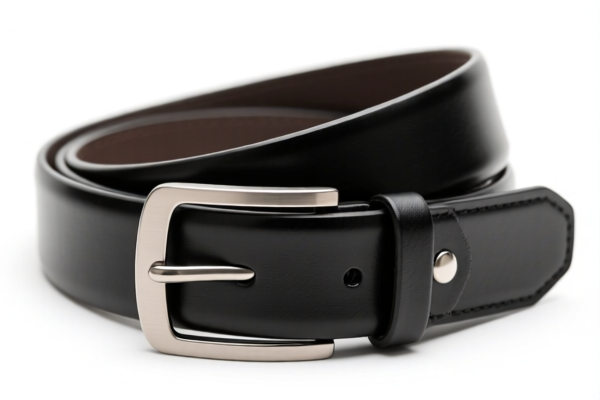
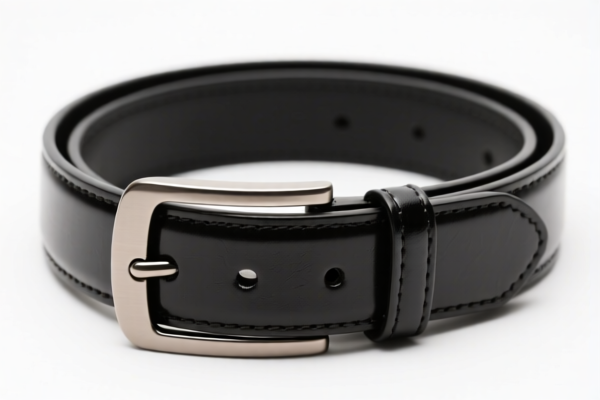
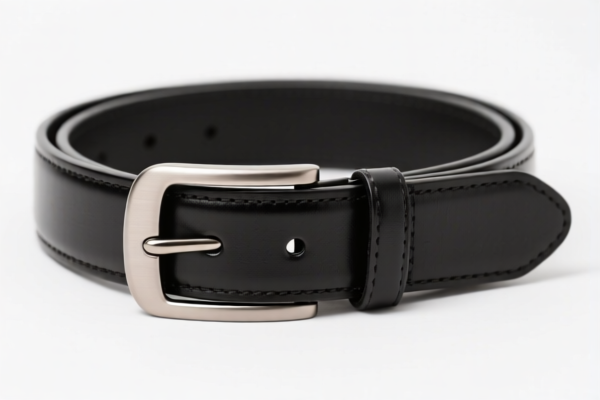
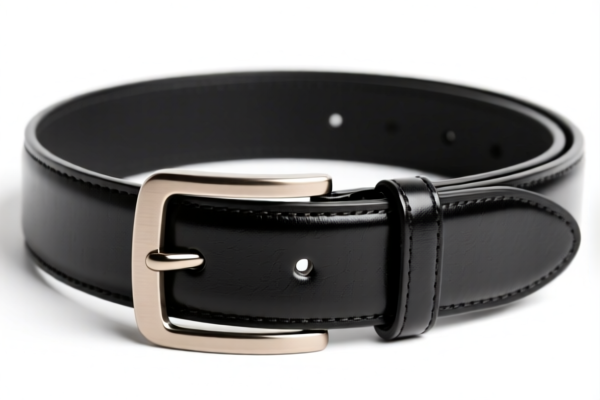
AI分析
🛡️ Safety Buckle (Vehicle Safety Belt Component)
🌐 HS Code Reference & Customs Clearance Guide | 2026 Updated Tariff Analysis | Professional Import Strategy
📌 One, Product Definition & Classification: What Exactly Is a "Safety Buckle"?
A safety buckle is a critical component of a vehicle’s seat belt system, designed to securely lock and release the webbing during normal use and crash events. It functions as the interlocking mechanism that ensures occupant restraint under dynamic forces.
In international trade classification, it is not treated as a standalone safety device but rather as a component of a safety belt system — specifically, the male or female end of the buckle that mates with the tongue or latch plate.
⚠️ Key Classification Insight:
- If the buckle is intended solely for use in seat belts, it falls under automotive parts and not general safety equipment.
- It must be designed and marketed as part of a seat belt system to avoid misclassification.
📦 Two, HS Code Classification Details (2026 Updated Tariff Authority)
| HS Code | Product Description | Applicable Use Case | Material Type | Key Notes |
|---|---|---|---|---|
8708.29.51.60 |
Automotive safety buckle, as a body accessory; may be metal or plastic | Vehicle interior safety systems | Metal or plastic | Classified under "other vehicle parts" |
8708.21.00.00 |
Safety buckle as a component of seat belt system; part of safety belt or its attachments | Primary seat belt assembly | Likely metal or plastic | Directly linked to safety belt function |
3926.90.25.00 |
Plastic component, unspecified; includes handles, knobs, or fittings made from plastic | Non-metallic buckles or housing | Plastic | For non-metallic parts not elsewhere specified |
8308.10.00.00 |
Hook, eye, or eyelet made of metal or base metal; includes fastening mechanisms | Metal buckles with hook-like structure | Metal / base metal | Perimeter-based fastening parts |
8308.90.60.00 |
Other metal fasteners, including clasps; used as accessories for other products | General-purpose metal buckles | Metal | Not specifically for vehicles |
🔍 Critical Distinction:
-8708.21.00.00applies when the buckle is clearly intended for seat belts — this is the most accurate and commonly used code.
-8708.29.51.60applies if it's seen as a body accessory (e.g., part of the door trim or interior panel), even if functional.
-3926.90.25.00only applies if the buckle is plastic-only and not part of a safety system.
-8308.10.00.00and8308.90.60.00are for non-vehicle-specific metal fasteners — risk of misclassification if used for automotive use.
💰 Three, 2026 Updated Tariff Breakdown (With附加 Taxes & Legal Triggers)
✅ Applicable Country: United States (US)
✅ Origin: China (CN)
✅ Effective Date: November 10, 2025 (including future imports)
🎯 1. 8708.29.51.60 — Automotive Safety Buckle (Body Accessory)
| Item | Detail |
|---|---|
| Base Duty | 2.5% ad valorem |
| Additional Tariff (Section 301) | +25.0% (USITC Footnote 9903.88.01) |
| Section 122 Tariff (Steel, Aluminum, Copper Products) | +10% (applies to metal or alloy-based parts) |
| 122 Clause - Steel/Aluminum/Copper Add-on | +50% (if material is steel, aluminum, or copper) |
| Total Effective Rate | 85.0% (if metal and subject to 122 clause) |
| Tax Calculation | CIF Value × 85.0% |
| De Minimis Threshold | ❌ Not applicable (denied due to 301/122 triggers) |
| Legal Basis Path | USITC:8708.29.51.60 → FOOTNOTE:9903.88.01 → SECTION 122: 10% + 50% |
📌 Explanation:
- This code is highly sensitive to material type.
- If the buckle is metal (especially steel/aluminum/copper) → +50% under 122 clause → Total = 85%
- If plastic, then 122 clause does not apply, so total = 2.5% + 25% + 10% = 37.5%
- Always verify material composition before shipment.
🎯 2. 8708.21.00.00 — Safety Buckle as Seat Belt Component
| Item | Detail |
|---|---|
| Base Duty | 2.5% ad valorem |
| Additional Tariff (Section 301) | +25.0% |
| Section 122 Tariff (Steel/Aluminum/Copper) | +10% |
| Total Effective Rate | 37.5% |
| Tax Calculation | CIF Value × 37.5% |
| De Minimis Threshold | ❌ Not applicable |
| Legal Basis Path | USITC:8708.21.00.00 → FOOTNOTE:9903.88.01 → SECTION 122: 10% |
📌 Note:
- This code is more accurate for seat belt components.
- No 50% add-on under 122 clause unless material is specifically steel/aluminum/copper.
- Still subject to 25% + 10% = 37.5% — still very high.
🎯 3. 3926.90.25.00 — Plastic Component (Unspecified Handle/Knob)
| Item | Detail |
|---|---|
| Base Duty | 6.5% ad valorem |
| Additional Tariff (Section 301) | +7.5% |
| Section 122 Tariff | +10% (only if material is metal — does not apply to plastic) |
| Total Effective Rate | 24.0% |
| Tax Calculation | CIF Value × 24.0% |
| De Minimis Threshold | ❌ Not applicable |
| Legal Basis Path | USITC:3926.90.25.00 → FOOTNOTE:9903.88.01 → SECTION 301: 7.5% |
📌 Key Point:
- This code only applies if the buckle is made entirely of plastic and not intended for safety systems.
- If used in vehicle seat belts, this code is incorrect — leads to reclassification, penalties, and delays.
🎯 4. 8308.10.00.00 — Metal Hook, Eye, or Eyelet (Fastening)
| Item | Detail |
|---|---|
| Base Duty | 1.1¢ per kg + 2.9% ad valorem |
| Additional Tariff (Section 301) | +25.0% |
| Section 122 Tariff | +10% |
| Total Effective Rate | 1.1¢/kg + 2.9% + 35.0% = 37.9% (approx.) |
| Tax Calculation | (1.1¢/kg × weight) + (CIF × 37.9%) |
| De Minimis Threshold | ❌ Not applicable |
| Legal Basis Path | USITC:8308.10.00.00 → FOOTNOTE:9903.88.01 → SECTION 122: 10% |
📌 Important:
- This code is not for automotive seat belt buckles unless it's a simple hook (e.g., for luggage).
- If used in seat belts, it’s misclassified → risk of audit, fines, or seizure.
🎯 5. 8308.90.60.00 — Other Metal Clasps (Accessories)
| Item | Detail |
|---|---|
| Base Duty | 3.9% ad valorem |
| Additional Tariff (Section 301) | 0.0% (no 301 tariff on this code) |
| Section 122 Tariff | +10% |
| Total Effective Rate | 13.9% |
| Tax Calculation | CIF × 13.9% |
| De Minimis Threshold | ❌ Not applicable |
| Legal Basis Path | USITC:8308.90.60.00 → SECTION 122: 10% |
📌 Note:
- This code applies to non-automotive metal clasps (e.g., for bags, belts, garments).
- Not recommended for automotive safety buckles — incorrect classification.
🛠️ Four, Customs Clearance Best Practices (Pro Tips to Avoid Penalties)
✅ 1. Required Documentation (Must-Have Checklist)
| Document | Required? | Why It Matters |
|---|---|---|
| ✅ Product Specification Sheet | ✔️ | Proves material (plastic/metal), intended use, dimensions |
| ✅ Technical Drawing / Assembly Diagram | ✔️ | Shows how it connects to seat belt system |
| ✅ Product Photos (with branding & markings) | ✔️ | Helps customs confirm function and design |
| ✅ Material Certificate (e.g., steel/aluminum/copper content) | ✔️ | Critical for 122 clause applicability |
| ✅ Commercial Invoice | ✔️ | Must state "Safety Buckle for Vehicle Seat Belt" |
| ✅ Certificate of Origin (CO) | ✔️ | Required for tariff eligibility (e.g., USMCA, ASEAN) |
| ✅ Test Report (e.g., ISO 13485, FMVSS 209) | ✔️ | Proves safety compliance (if required) |
✅ 2.申报技巧(Key Rules to Remember)
🔥 “Intended Use Defines the Code — Not the Shape!”
| Scenario | Correct HS Code | Wrong Code | Why It’s Wrong |
|---|---|---|---|
| Plastic buckle for car seat belt | 8708.21.00.00 |
3926.90.25.00 |
Misrepresents safety function |
| Metal buckle (steel) for seat belt | 8708.29.51.60 |
8308.10.00.00 |
Not a hook — misclassification |
| Buckle used in backpack | 8308.90.60.00 |
8708.21.00.00 |
Not automotive — incorrect |
| Buckle with plastic housing + metal core | 8708.21.00.00 |
3926.90.25.00 |
Partial plastic ≠ non-automotive |
✅ 3. Special Handling Scenarios
| Situation | Recommended Action |
|---|---|
| Mixed material (plastic + metal) | Use 8708.21.00.00 — intended use overrides material |
| Buckle used in both vehicles and luggage | Declare for automotive use — use 8708.21.00.00 |
| Buckle from non-China origin (e.g., Vietnam, Mexico) | Apply for IEEPA/301 exemption — may reduce to 0–5% |
| Prototype or sample shipment | Use de minimis if value < $800 — but only if not subject to 301/122 |
🌍 Five, Global Market Tariff Comparison (2026)
| Country/Region | Recommended HS Code | Base Tariff | Additional Taxes | Notes |
|---|---|---|---|---|
| 🇺🇸 United States | 8708.21.00.00 |
2.5% | +25% +10% = 37.5% | High risk; 122 clause applies |
| 🇨🇳 China | 8708.21.00.00 |
5% | 0% | No 301/122; low cost |
| 🇪🇺 European Union | 8708.21.00.00 |
0% (if CE compliant) | 0% | No additional tariffs |
| 🇦🇺 Australia | 8708.21.00.00 |
5% | 0% | No 301/122 |
| 🇯🇵 Japan | 8708.21.00.00 |
0% | 0% | No additional taxes |
📌 Insight:
- The U.S. is the only market with 301 + 122 clauses on automotive safety components.
- China-origin products face the highest effective tariffs — 37.5% to 85%.
📌 Six, Common Mistakes & Risk Warnings (Avoid These!)
❌ Mistake 1: Using 3926.90.25.00 for a plastic buckle in a car seat belt
👉 Result: Misclassification → reassessment, penalties, delays
❌ Mistake 2: Using 8308.10.00.00 for a metal safety buckle
👉 Result: Incorrect code → seizure or rejection
❌ Mistake 3: Not declaring material composition
👉 Result: 122 clause not triggered → underpaid duty → future audit risk
❌ Mistake 4: Declaring "buckle" without specifying intended use
👉 Result: Customs may classify as general fastener → higher risk of penalty
✅ Correct Declaration Example:
“Vehicle Safety Buckle, Seat Belt Component, Plastic Housing with Metal Core, Intended for Use in Automotive Seat Belts, Model XYZ, ISO 13485 Certified”
🎯 Seven, Conclusion: Precision Matters — One Wrong Code = Thousands in Penalties!
🎯 Remember the Golden Rule:
🔹 “If it’s for a seat belt, it’s
8708.21.00.00— not3926or8308!”
🔹 “Material determines 122 clause — but use defines the HS Code!”
🔹 “Never assume — verify with material certs and intended use.”
📌 Pro Tip:
✅ Apply for an Advance Ruling (Pre-Clearance) from U.S. Customs before shipping large volumes.
✅ Use a licensed customs broker with automotive component expertise.
✅ Audit your product labeling and packaging — consistency is key.
📣 Act Now:
📞 Contact a specialized customs broker + provide product drawings + material certs
🚀 Get HS Code pre-approval — avoid delays, fines, and rejections!
✨ Professional Customs, Start with Accurate Classification!
💼 Your profit margin depends on one correct code.
用户评价
关于 HS 编码归类
协调制度(HS)是由世界海关组织(WCO)制定的国际贸易商品分类标准。全球 200 多个国家采用 HS 系统作为海关关税、贸易统计和进出口监管的基础。
每个 HS 编码遵循以下层级结构:
- 章(2 位)——商品大类(例如:第 84 章:机器和机械设备)
- 品目(4 位)——章内的更具体分类
- 子目(6 位)——国际通用细分,所有 WCO 成员国统一使用
- 本国细分(8-10 位)——各国自行扩展的细分编码,如美国 HTSUS 10 位编码
正确的 HS 编码归类对于顺利通关、准确缴纳关税和遵守贸易法规至关重要。错误归类可能导致海关延误、多缴关税或罚款。
从CN进口到US时,适用的关税税率可能包括:
- 最惠国(MFN)税率——适用于 WTO 成员国的标准关税税率
- 普通税率——适用于无贸易协定国家
- 贸易救济关税——附加关税,如 301 条款(反倾销)、232 条款(国家安全)或反补贴税
本页内容仅供参考。如需正式归类,请咨询当地海关或持牌报关代理。