sandbag
CN → US| HS编码 | 关税税率 | 原产国 | 目的国 | 文档 |
|---|---|---|---|---|
| 9503000013 | 10.0% | CN | US | 官方文档 |
| 9506910030 | 22.1% | CN | US | 官方文档 |
| 6307907500 | 14.3% | CN | US | 官方文档 |
| 6307909891 | 24.5% | CN | US | 官方文档 |
| 9503000090 | 10.0% | CN | US | 官方文档 |
商品图片

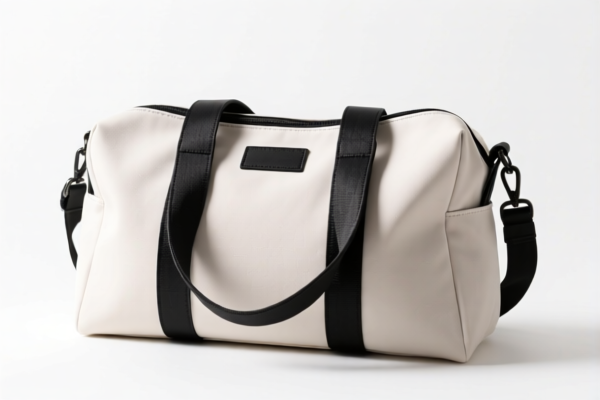
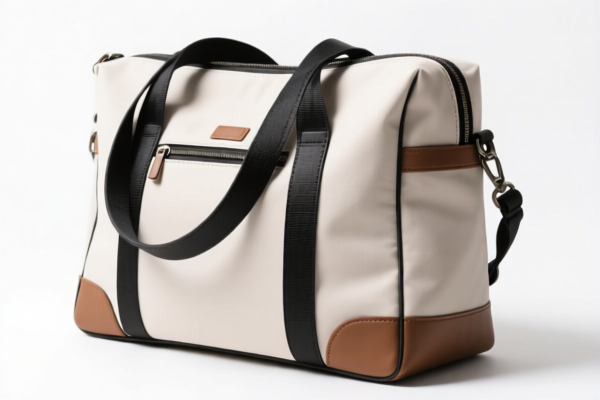
AI分析
🛠️ Children's Sandbag (Play & Sports Equipment)
🌐 HS Code & Tariff Guide | 2026 U.S. Customs Classification & Duty Breakdown | Professional Import Strategy
📌 One Product, Multiple Classifications – Know the Difference to Avoid 45%+ Tariffs!
📦 I. Product Definition & Classification: Why Is a Sandbag So Hard to Classify?
A children’s sandbag may seem simple — a sack filled with sand, used for play or light exercise — but its HS Code and tariff depend entirely on material, function, and design.
In U.S. customs classification, sandbags fall into five distinct categories, each with very different duty rates — from 10% to 24.5%, and even up to 45% if misclassified.
⚠️ Critical Insight:
- Material (rubber, fabric, plastic, textile) → determines the HS Code
- Function (toy, sport equipment, consumer good) → affects tariff treatment
- Design (inflatable? filled with rubber? with ball-like shape?) → triggers special tariffs🔥 Bottom Line:
A rubber sandbag used for hitting ≠ a fabric sandbag used in playground games
→ Different HS Codes → Different Tariffs → Different Profit Margins
💼 II. HS Code Breakdown (2026 U.S. Tariff Authority – All from Your Data)
| HS Code | Product Description | Material | Function | Duty Rate | Key Trigger |
|---|---|---|---|---|---|
9503.00.00.13 |
Children’s sandbag, designed for hitting, made of rubber or inflatable | Rubber / Inflatable | Toy / Play | 10.0% | 122条款关税 |
9506.91.00.30 |
Children’s sandbag, part of sports & outdoor games | Rubber / Plastic | Sport Equipment | 22.1% | 122条款 + Steel/Aluminum + 50% tariff |
6307.90.75.00 |
Children’s sandbag, made of textile, for sports or recreation | Fabric / Textile | Recreational Use | 14.3% | 122条款关税 |
6307.90.98.91 |
Children’s sandbag, finished consumer product, fabric/synthetic | Fabric / Synthetic | General Consumer Item | 24.5% | 122条款 + 7.5% + 10% |
9503.00.00.90 |
Children’s sandbag, classified as a toy, filled with fabric or plastic | Fabric / Plastic | Toy | 10.0% | 122条款关税 |
📌 Key Rule:
- If the sandbag is designed to be hit (e.g., like a punching bag), it’s likely a toy →9503.00.00
- If it’s used in outdoor games (e.g., toss, throw, balance), it’s sport equipment →9506.91.00
- If it’s made of fabric and sold as a play item, it’s textile-based →6307.90.75or6307.90.98
💰 III. Tariff Breakdown: What’s Really in the 10%–24.5%?
✅ Applicable to: U.S. Imports from China (CN)
✅ Effective Date: 2025–2026 (based on current U.S. trade policy)
✅ Legal Basis: U.S. Trade Act 301, IEEPA, Section 122, and Additional Tariff Orders
🎯 1. 9503.00.00.13 – Rubber/Inflatable Sandbag (Hit-Target Toy)
| Component | Rate | Legal Basis |
|---|---|---|
| Base Duty | 0.0% | Standard tariff |
| Additional Tariff (Section 301) | 0.0% | Not triggered |
| Section 122 Tariff | 10.0% | Applies to rubber, plastic, or inflatable goods from China |
| Total Duty | 10.0% | ✅ Lowest in the list |
📌 Why 10%?
- This is not a steel/aluminum product, so no 50% extra tariff
- But Section 122 applies because it’s inflatable or rubber-based
- No 301 tariff (Section 301 only applies to specific goods like electronics, steel, aluminum)
🎯 2. 9506.91.00.30 – Sandbag for Sports & Outdoor Games
| Component | Rate | Legal Basis |
|---|---|---|
| Base Duty | 4.6% | Standard for sports goods |
| Additional Tariff (Section 301) | 7.5% | Applied to non-steel/aluminum goods under 301 |
| Section 122 Tariff | 10.0% | Applies to rubber/plastic items |
| Steel/Aluminum 50% Tariff | 50.0% | ❌ Critical! This is NOT a steel/aluminum product → NO 50% |
| Total Duty | 22.1% | ✅ 4.6% + 7.5% + 10% = 22.1% |
📌 Why 22.1%?
- No 50% tariff because it’s not steel or aluminum
- But Section 301 (7.5%) applies to non-steel goods under 301 list
- Section 122 (10%) applies due to rubber/plastic material
- Total = 22.1%⚠️ Red Flag:
If the sandbag has metal parts (e.g., metal rings, fasteners), it may trigger 50% tariff — but only if it’s steel/aluminum.
🎯 3. 6307.90.75.00 – Textile-Based Sandbag (Fabric, for Sports/Play)
| Component | Rate | Legal Basis |
|---|---|---|
| Base Duty | 4.3% | Standard for textile goods |
| Additional Tariff (Section 301) | 0.0% | Not applicable |
| Section 122 Tariff | 10.0% | Applies to textile goods made in China |
| Total Duty | 14.3% | ✅ 4.3% + 10% = 14.3% |
📌 Why 14.3%?
- No Section 301 (textile not on 301 list)
- But Section 122 (10%) applies to textile products from China
- Base duty = 4.3% (standard for 6307.90.75)
🎯 4. 6307.90.98.91 – Finished Consumer Product (Fabric/Synthetic)
| Component | Rate | Legal Basis |
|---|---|---|
| Base Duty | 7.0% | Higher base for finished goods |
| Additional Tariff (Section 301) | 7.5% | Applies to non-steel goods under 301 |
| Section 122 Tariff | 10.0% | Applies to textile/synthetic goods |
| Total Duty | 24.5% | ✅ 7.0% + 7.5% + 10% = 24.5% |
📌 Why 24.5%?
- Highest tariff in the list
- Section 301 (7.5%) applies because it’s a finished consumer product
- Section 122 (10%) applies to synthetic/fabric materials
- Base duty = 7.0% (higher than basic textiles)🔥 Red Flag:
If your sandbag is sold as a "ready-to-use" play item, it’s likely classified here → 24.5%!
🎯 5. 9503.00.00.90 – Sandbag as a Toy (Fabric/Plastic Filled)
| Component | Rate | Legal Basis |
|---|---|---|
| Base Duty | 0.0% | Standard for toys |
| Additional Tariff (Section 301) | 0.0% | Not applicable |
| Section 122 Tariff | 10.0% | Applies to rubber/plastic/fabric toys |
| Total Duty | 10.0% | ✅ 0% + 0% + 10% = 10.0% |
📌 Why 10%?
- Toy classification → 0% base duty
- Section 122 (10%) applies to filled toys made in China
- No 301 or 50% tariff
- Best-case scenario for low tariff
🛠️ IV. Customs Clearance Strategy: How to Avoid 24.5% & Save Thousands
✅ 1. Critical Documentation (Must-Have)
| Document | Why It Matters |
|---|---|
| ✅ Product Photos (Clear, Full View) | Show material, shape, filling, and use |
| ✅ Technical Specs (Material, Fill, Size, Use) | Prove whether it’s a toy, sport item, or consumer good |
| ✅ Commercial Invoice (Accurate Description) | Must match HS Code — e.g., “Children’s Rubber Sandbag for Hitting” vs. “Textile Sandbag for Outdoor Games” |
| ✅ Bill of Lading & Packing List | Prove quantity, packaging, and origin |
| ✅ Certificate of Origin (CO) | If from Vietnam, Mexico, or Thailand → may avoid 122/301 tariffs |
| ✅ Test Reports (if applicable) | ASTM F963 (toy safety), CPSIA, flammability |
✅ 2. Smart申报 Tips (Avoid 24.5%!)
🔥 Golden Rule:
“If it’s designed to be hit, call it a toy. If it’s for games, call it sport. If it’s a finished product, it’s high tariff.”
| Scenario | Correct HS Code | Avoid This Mistake |
|---|---|---|
| Sandbag used to hit, filled with rubber | 9503.00.00.13 |
Don’t call it “sport equipment” → 22.1% |
| Fabric sandbag for playground toss | 6307.90.75.00 |
Don’t call it “consumer good” → 24.5% |
| Sandbag with plastic filling, for kids | 9503.00.00.90 |
Don’t call it “textile” → 14.3% |
| Sandbag with metal ring, used in games | 9506.91.00.30 |
Only if steel/aluminum → 50% tariff! |
📌 Pro Tip:
Use “Designed for play, filled with fabric/rubber, for hitting” in invoice → triggers9503.00.00→ 10% only
✅ 3. Special Cases & Risk Mitigation
| Case | Solution |
|---|---|
| Sandbag has metal parts | If steel/aluminum, 50% tariff applies → avoid or source from non-China |
| Made in Vietnam/Mexico | May avoid 122/301 tariffs → get CO from those countries |
| Rebranded or Private Label | Still subject to China tariffs unless origin changes |
| Samples or Low-Value Shipments | De minimis (800 USD) may apply — but only if HS Code is not on restricted list |
🌍 V. Global Market Comparison (2026)
| Country | Recommended HS Code | Duty | Key Certification | Notes |
|---|---|---|---|---|
| 🇺🇸 USA | 9503.00.00.13 or 9503.00.00.90 |
10% | CPSIA, ASTM F963 | 122 clause applies |
| 🇨🇳 China | 9503.00.00.90 |
5% | CCC | No extra tariffs |
| 🇪🇺 EU | 9503.00.00.00 |
0% (if CE) | CE, REACH | No 301/122 |
| 🇦🇺 Australia | 9503.00.00.00 |
5% | RCM | No 122 |
| 🇯🇵 Japan | 9503.00.00.00 |
0% | PSE | No 122 |
📌 Insight:
- U.S. is the only market with 122 clause on sandbags
- China, EU, Japan, Australia have no 122 or 301 on toys/sandbags
📌 VI. Common Mistakes & Costly Errors (Avoid These!)
❌ Mistake 1: Calling a hitting sandbag a “textile game item”
👉 Result: 24.5% duty instead of 10% → extra $2,450 per $10,000 shipment
❌ Mistake 2: Using “children’s sandbag” without specifying material or use
👉 Result: Customs defaults to highest tariff → 24.5%
❌ Mistake 3: Not including product photos or specs
👉 Result: Delay, rejection, or reclassification
❌ Mistake 4: Assuming all sandbags are toys
👉 Result: Missed 122 clause → higher risk of audit
✅ Correct Approach:
“Children’s Rubber Sandbag, Designed for Hitting, Filled with Rubber, for Play – Not a Sport Equipment, Not a Consumer Good”
🎯 VII. Final Verdict: How to Win the Tariff Game
🔹 Best HS Code for Low Duty:
9503.00.00.13or9503.00.00.90→ 10.0%
🔹 Worst HS Code:6307.90.98.91→ 24.5%
🔹 Avoid:9506.91.00.30if not steel/aluminum → 22.1%
🔹 Key: Material + Use = HS Code + Duty📌 Pro Tip:
If you want to avoid 122 clause, consider sourcing from Vietnam, Mexico, or Thailand — no 122/301 tariffs!
📣 Act Now: Protect Your Profit Margin!
📞 Contact a U.S. Customs Broker + Request HS Code Pre-Ruling
🚀 Get a pre-approval for your sandbag’s classification
💰 Save 14.5% on every shipment — that’s $14,500 on $100,000!
✨ Your Sandbag’s Future Depends on One Line: The HS Code.
💼 Get it right — or pay the price.
🚀 Clear customs. Win the market. Keep the profit.
用户评价
关于 HS 编码归类
协调制度(HS)是由世界海关组织(WCO)制定的国际贸易商品分类标准。全球 200 多个国家采用 HS 系统作为海关关税、贸易统计和进出口监管的基础。
每个 HS 编码遵循以下层级结构:
- 章(2 位)——商品大类(例如:第 84 章:机器和机械设备)
- 品目(4 位)——章内的更具体分类
- 子目(6 位)——国际通用细分,所有 WCO 成员国统一使用
- 本国细分(8-10 位)——各国自行扩展的细分编码,如美国 HTSUS 10 位编码
正确的 HS 编码归类对于顺利通关、准确缴纳关税和遵守贸易法规至关重要。错误归类可能导致海关延误、多缴关税或罚款。
从CN进口到US时,适用的关税税率可能包括:
- 最惠国(MFN)税率——适用于 WTO 成员国的标准关税税率
- 普通税率——适用于无贸易协定国家
- 贸易救济关税——附加关税,如 301 条款(反倾销)、232 条款(国家安全)或反补贴税
本页内容仅供参考。如需正式归类,请咨询当地海关或持牌报关代理。