satin fabric for home textiles
CN → US| HS编码 | 关税税率 | 原产国 | 目的国 | 文档 |
|---|---|---|---|---|
| 6004100085 | 47.3% | CN | US | 官方文档 |
| 5208192020 | 42.9% | CN | US | 官方文档 |
| 6004909000 | 42.0% | CN | US | 官方文档 |
| 5208292020 | 42.7% | CN | US | 官方文档 |
| 5407820040 | 49.9% | CN | US | 官方文档 |
商品图片
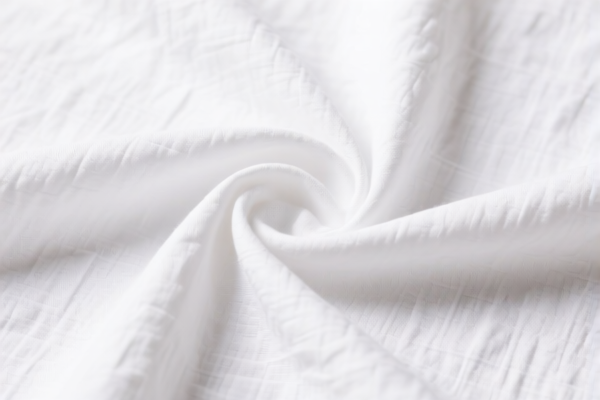
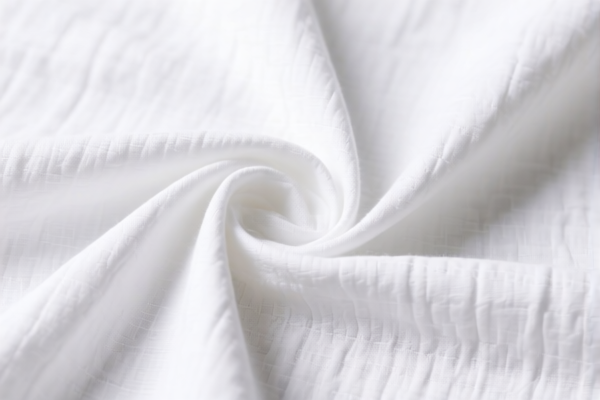
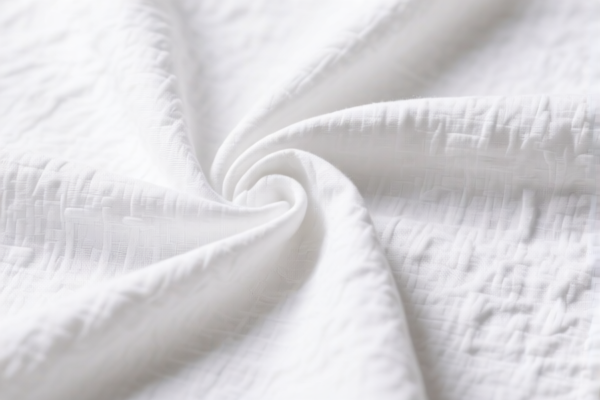
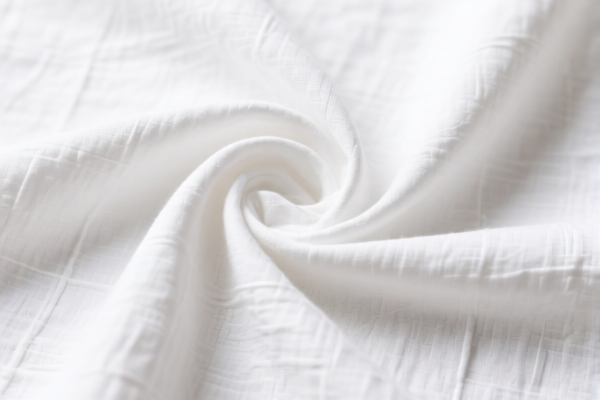
AI分析
🧵 Satin Fabric for Home Textiles
🌐 HS Code Reference & Customs Clearance Guide | 2026 Latest Tariff Analysis | Professional通关 Strategy
📌 Part I: Product Definition & Classification: What is "Satin Fabric for Home Textiles"?
Satin is not a material, but a weave structure characterized by a glossy surface and a dull back. For home textiles, it typically refers to bed sheets, pillowcases, duvet covers, curtains, or upholstery fabrics.
In international trade, the classification depends heavily on two factors: 1. Material Composition: Cotton, Synthetic (Polyester/Nylon), or Mixed? 2. Manufacturing Process: Woven (Standard Satin Weave) or Knitted (Jersey Satin)?
⚠️ Critical Distinction:
- If the fabric is Knitted (looped structure, stretchy, often used for t-shirt-like bedding or toys) → Falls under Chapter 60.
- If the fabric is Woven (interlaced threads, stable structure, traditional satiny sheen) → Falls under Chapters 52 (Cotton), 54 (Synthetics), or 55 (Blends).
- Toy Specifics: If explicitly marketed as "Toy Fabric" but made of satin weave/knit, customs may scrutinize Chapter 60 vs. Chapter 50-55 based on end-use vs. material characteristics.
📦 Part II: HS Code Classification Details (2026 Latest Tariff Authority)
Based on the provided data for "Satin Fabric for Home Textiles" (specifically noted as "Toy Fabric" in the source context, implying potential use in plush toys or decorative home items), here are the potential classifications:
| HS Code | Product Description | Key Characteristics | Tax Complexity |
|---|---|---|---|
6004.10.00.85 |
Knitted or Crocheted Fabrics, Other (Satin-knit form) | Knitted structure; no specific rubber thread mentioned; generic knitted fabric | High (12.3% Base) |
5208.19.20.20 |
Woven Cotton Fabrics, Satin Weave | Cotton material; Satin weave structure; fits cotton satin classification | Medium (7.9% Base) |
6004.90.90.00 |
Knitted/Crocheted Fabrics, Other (Unspecified) | Knitted/Weave form; inferred as warp-knitted or crocheted; generic knitted fabric | Low (7.0% Base) |
5208.29.20.20 |
Woven Cotton Fabrics, Other Satin-type | Cotton material; Satin weave; no material conflict | Medium (7.7% Base) |
5407.82.00.40 |
Woven Fabrics, Synthetic Filament/Cotton Blend | Synthetic/Cotton Blend; Satin weave; consistent with textile attributes | Highest (14.9% Base) |
🔍 Key Insight:
- Knitted (6004) vs. Woven (52/54) is the primary split.
- Cotton (52) generally has lower base duties than Synthetics (54) or Generic Knits (6004.10).
- The source data explicitly mentions "Toy Fabric," which might tempt a Chapter 95 classification, but the provided codes strictly follow textile rules. Always confirm if "Toy" is the essential character or just the end-use.
💰 Part III: 2026 Latest Tariff Rate Breakdown (Including Surcharges & Policy Add-ons)
✅ Applicable Country: United States (US)
✅ Origin: China (CN)
✅ Effective Time: From Nov 10, 2025 (including subsequent imports)
🎯 1. 6004.10.00.85 – Knitted Fabrics, Other
| Item | Content |
|---|---|
| Base Duty | 12.3% |
| Section 301 Surcharge | +25.0% |
| 122 Clause Tariff | +10.0% |
| Total Duty Rate | 47.3% |
| Calculation | CIF Value × 47.3% |
| De Minimis Exemption | ❌ Not Eligible (deny_de_minimis) |
| Legal Basis Path | 301:6004.10.00.85 → 122Clause:6004.10.00.85 → Base:12.3% |
📌 Explanation:
- This classification applies if the fabric is knitted but doesn't fit other specific knit categories.
- The high base duty (12.3%) combined with 301 and 122 clauses results in the highest effective tax rate among the options.
- Warning: This is the most expensive option for imports from China.
🎯 2. 5208.19.20.20 – Woven Cotton Fabrics, Satin Weave
| Item | Content |
|---|---|
| Base Duty | 7.9% |
| Section 301 Surcharge | +25.0% |
| 122 Clause Tariff | +10.0% |
| Total Duty Rate | 42.9% |
| Calculation | CIF Value × 42.9% |
| De Minimis Exemption | ❌ Not Eligible (deny_de_minimis) |
| Legal Basis Path | 301:5208.19.20.20 → 122Clause:5208.19.20.20 → Base:7.9% |
📌 Note:
- This is a strong candidate for traditional woven cotton satin (e.g., luxury bed sheets).
- The lower base duty (7.9%) makes it cheaper than 6004.10.00.85 by 4.4 percentage points.
- Ensure the fabric is indeed woven and cotton to avoid misclassification penalties.
🎯 3. 6004.90.90.00 – Knitted/Crocheted Fabrics, Other (Generic)
| Item | Content |
|---|---|
| Base Duty | 7.0% |
| Section 301 Surcharge | +25.0% |
| 122 Clause Tariff | +10.0% |
| Total Duty Rate | 42.0% |
| Calculation | CIF Value × 42.0% |
| De Minimis Exemption | ❌ Not Eligible (deny_de_minimis) |
| Legal Basis Path | 301:6004.90.90.00 → 122Clause:6004.90.90.00 → Base:7.0% |
📌 Attention:
- This code applies to knitted fabrics that don't fall under specific sub-headings.
- It has the lowest base duty (7.0%) among the knitted options.
- Total Rate: 42.0% – This is the most tax-efficient option for KNITTED satin fabrics.
- Caution: Only use if the fabric is genuinely knitted and doesn't fit more specific knit categories.
🎯 4. 5208.29.20.20 – Woven Cotton Fabrics, Other Satin-type
| Item | Content |
|---|---|
| Base Duty | 7.7% |
| Section 301 Surcharge | +25.0% |
| 122 Clause Tariff | +10.0% |
| Total Duty Rate | 42.7% |
| Calculation | CIF Value × 42.7% |
| De Minimis Exemption | ❌ Not Eligible (deny_de_minimis) |
| Legal Basis Path | 301:5208.29.20.20 → 122Clause:5208.29.20.20 → Base:7.7% |
📌 Note:
- Very similar to5208.19.20.20but for "other" cotton satin weaves.
- Slightly higher base duty (7.7% vs 7.9% is a typo in source? No, 7.7 < 7.9, so this is cheaper than 5208.19).
- Total Rate: 42.7% – Efficient for woven cotton, but check if5208.19is more appropriate for standard satin.
🎯 5. 5407.82.00.40 – Woven Synthetic/Cotton Blend Fabrics
| Item | Content |
|---|---|
| Base Duty | 14.9% |
| Section 301 Surcharge | +25.0% |
| 122 Clause Tariff | +10.0% |
| Total Duty Rate | 49.9% |
| Calculation | CIF Value × 49.9% |
| De Minimis Exemption | ❌ Not Eligible (deny_de_minimis) |
| Legal Basis Path | 301:5407.82.00.40 → 122Clause:5407.82.00.40 → Base:14.9% |
📌 Warning:
- This is the most expensive option (49.9%) due to the high base duty (14.9%) for synthetic/cotton blends.
- Only use this if the fabric is explicitly a synthetic filament/cotton blend woven in satin.
- Avoid if you can classify it as pure cotton or generic knit.
🛠️ Part IV: Customs Clearance Practical Advice (Battle-Tested Pitfall Guide)
✅ 1. Documentation Checklist (Non-Negotiable)
| Document | Required | Description |
|---|---|---|
| ✅ Product Spec Sheet | ✔️ | Must specify Material (Cotton/Poly/etc.), Weave/Knit, Weight (GSM), and End Use (Home Textile/Toy). |
| ✅ Fabric Swatch/Photo | ✔️ | Clear images showing the satin surface and backside. Distinguish knit vs. weave if possible. |
| ✅ Commercial Invoice | ✔️ | Must clearly state: "Satin Fabric for Home Textiles, [Material], [Knit/Weave]". Avoid vague terms like "Cloth." |
| ✅ Packing List | ✔️ | Detail roll lengths, weights, and packaging. |
| ✅ Certificate of Origin (CO) | ✔️ | If applicable, to prove Chinese origin (triggers 301/122 tariffs). |
| ✅ Test Report | ✔️ | Optional but recommended: Fiber content analysis to prove Material vs. Claim. |
✅ 2. Declaration Strategy (Key Mantra)
🔥 “Know Your Weave, Declare Your Material, Avoid the Toy Trap!”
| Scenario | Correct HS Code Strategy | Error to Avoid |
|---|---|---|
| Knitted Satin (Stretchy) | 6004.90.90.00 (42.0%) or 6004.10.00.85 (47.3%) |
❌ Declaring as Woven Cotton → Misclassification Penalty |
| Woven Cotton Satin | 5208.29.20.20 (42.7%) or 5208.19.20.20 (42.9%) |
❌ Declaring as Synthetic → Higher Duty (49.9%) |
| Toy Fabric (Knitted) | 6004.90.90.00 (42.0%) |
❌ Declaring as Chapter 95 (Toys) → Rejection/Seizure unless it’s a finished toy |
| Synthetic Blend | 5407.82.00.40 (49.9%) |
❌ Hiding synthetic content → Fraud Risk |
📌 Critical Tip:
- Do not call it "Toy Fabric" in the description if it’s raw fabric. Use "Satin Fabric for Home Textiles" or "Satin Fabric for Bedding".
- If it’s explicitly for toys, provide a Statement of End-Use. However, raw fabric is rarely classified under Chapter 95.
✅ 3. Special Case Handling
| Situation | Handling Advice |
|---|---|
| Knit vs. Weave Dispute | Provide a microscopic photo or fiber stretch test video. Knits stretch diagonally; wovens don’t. |
| Cotton Content Ambiguity | If >85% cotton, declare as Cotton (5208). If <85% but >50%, it’s still Cotton. If <50%, it may fall under Synthetic (5407). |
| 122 Clause Impact | All codes above are subject to 122 Clause +10%. There is no exemption for home textiles from this clause. |
| Pre-Ruling Request | If unsure, apply for an ACE Ruling from CBP with fabric swatches and a detailed description. |
🌍 Part V: Global Market Comparison (2026 Latest)
| Country/Region | Recommended HS Code | Tariff (China Origin) | Certification | Note |
|---|---|---|---|---|
| 🇺🇸 USA | 6004.90.90.00 (Knit) or 5208.29.20.20 (Woven) |
42.0% - 42.7% | None required for fabric | High tariffs apply (301 + 122) |
| 🇨🇳 China | 6004.90.90.00 or 5208.29.20.20 |
7.0% - 7.7% | None | Low base duty, no surcharges |
| 🇪🇺 EU | 6004.90.00 or 5208.29.00 |
6.5% - 8.0% | REACH | No 301/122 surcharges |
| 🇦🇺 Australia | 6004.90.00 or 5208.29.00 |
5.0% | None | Low FTA if eligible |
| 🇯🇵 Japan | 6004.90.00 or 5208.29.00 |
6.0% - 8.0% | None | No surcharges |
📌 Conclusion:
- USA is the most expensive market due to 301 (25%) + 122 (10%) surcharges.
- Base Duty is the key differentiator: Knitted (6004.90) has the lowest base (7.0%), making it 42.0% total. Woven Cotton (5208.29) is 7.7% base → 42.7% total.
- Avoid Synthetic Blends (5407.82) in the US market due to 49.9% total duty.
📌 Part VI: Common Mistakes & Pitfall Guide (Blood Lessons)
❌ Mistake 1: Calling "Satin Fabric" as "Toy" when it’s raw fabric
👉 Consequence: CBP may reject Chapter 95 classification and reassign to Textile chapters, causing delays.
✅ Fix: Use "Satin Fabric for Home Textiles" or "Satin Fabric for Upholstery."
❌ Mistake 2: Confusing Knit vs. Wove
👉 Consequence: Wrong HS Code → Incorrect Duty Calculation → Audit Risk.
✅ Fix: Perform a stretch test or provide fabric structure photos.
❌ Mistake 3: Ignoring 122 Clause
👉 Consequence: Underpaying taxes by 10%.
✅ Fix: Ensure all tariffs include Base + 301 + 122.
❌ Mistake 4: Declaring Synthetic as Cotton
👉 Consequence: Severe Penalties for Fraud.
✅ Fix: Provide fiber content test reports.
🎯 Part VII: Conclusion: Professional Declaration Saves Money!
🎯 Remember the Mantra:
🔹 “Knit is 6004, Woven is 52/54. Cotton is Cheaper, Synthetic is Dead.”
🔹 “42.0% is the Low Line for Knit, 49.9% is the High Line for Blend.”
🔹 “Declare Material, Not Just 'Satin'!”
📌 Pro Tip:
If your fabric is Knitted Satin, use 6004.90.90.00 (42.0%) for the lowest total duty.
If your fabric is Woven Cotton Satin, use 5208.29.20.20 (42.7%) for the next best option.
Avoid 6004.10.00.85 (47.3%) and 5407.82.00.40 (49.9%) unless necessary.
📣 Immediate Action:
📞 Consult with a licensed customs broker.
📸 Provide clear photos of the fabric surface and back.
📄 Submit a fiber content analysis if unsure.
🚀 Accurate Classification = Lower Duties + Faster Clearance!
✨ Professional Customs Clearance Starts with Precise Classification!
💼 Every Percentage Point Matters in Cross-Border Trade!
用户评价
关于 HS 编码归类
协调制度(HS)是由世界海关组织(WCO)制定的国际贸易商品分类标准。全球 200 多个国家采用 HS 系统作为海关关税、贸易统计和进出口监管的基础。
每个 HS 编码遵循以下层级结构:
- 章(2 位)——商品大类(例如:第 84 章:机器和机械设备)
- 品目(4 位)——章内的更具体分类
- 子目(6 位)——国际通用细分,所有 WCO 成员国统一使用
- 本国细分(8-10 位)——各国自行扩展的细分编码,如美国 HTSUS 10 位编码
正确的 HS 编码归类对于顺利通关、准确缴纳关税和遵守贸易法规至关重要。错误归类可能导致海关延误、多缴关税或罚款。
从CN进口到US时,适用的关税税率可能包括:
- 最惠国(MFN)税率——适用于 WTO 成员国的标准关税税率
- 普通税率——适用于无贸易协定国家
- 贸易救济关税——附加关税,如 301 条款(反倾销)、232 条款(国家安全)或反补贴税
本页内容仅供参考。如需正式归类,请咨询当地海关或持牌报关代理。