satin jacquard fabric
CN → US| HS编码 | 关税税率 | 原产国 | 目的国 | 文档 |
|---|---|---|---|---|
| 5408339050 | 47.0% | CN | US | 官方文档 |
| 5407810040 | 49.9% | CN | US | 官方文档 |
| 6006909000 | 35.0% | CN | US | 官方文档 |
| 5408329050 | 50.0% | CN | US | 官方文档 |
| 5407820040 | 49.9% | CN | US | 官方文档 |
商品图片
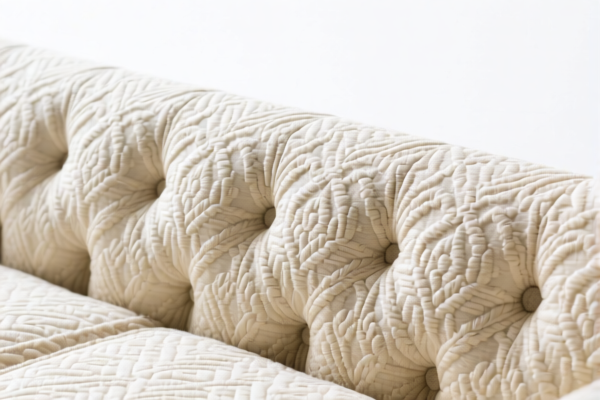
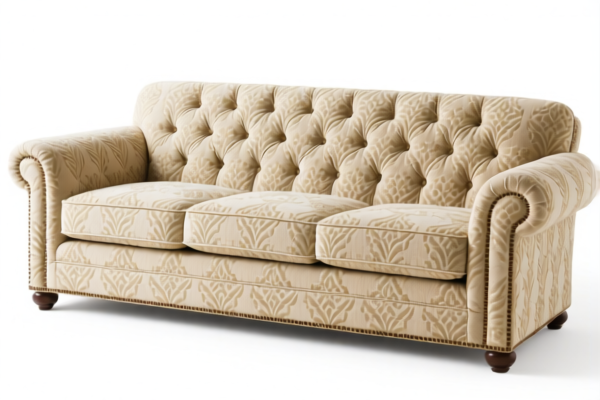
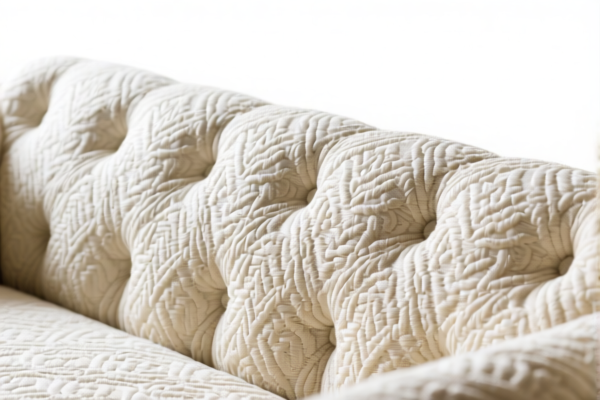
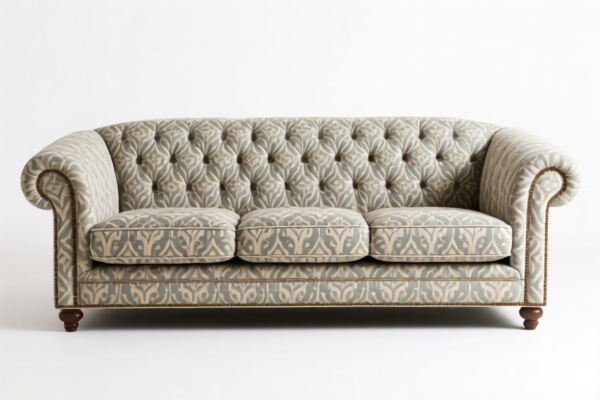
AI分析
🧵 Satin Jacquard Fabric (色丁面料/缎纹提花织物)
🌐 HS Code Reference & Customs Clearance Guide | 2026 Latest Tariff Analysis | Professional Strategy for US Imports
📌 I. Product Definition & Classification: Understanding "Satin Jacquard"
"Satin" refers to the weave structure (characterized by a glossy surface and dull back due to long floats of warp yarns), while "Jacquard" refers to the pattern created by complex weaving. However, in customs classification, the primary determinant is often the fiber content and the specific weave type described in the Harmonized Tariff Schedule (HTS).
The term "Satin" in trade often overlaps with: 1. Satin Weave (缎纹织物): The specific interlacing pattern. 2. Polyester/Viscose Blend Fabrics: Most "satin" fabrics are made from synthetic or semi-synthetic fibers. 3. Knitted vs. Woven: Crucial distinction. "Satin" is typically woven, but if it is knitted, it falls under Chapter 60.
⚠️ Key Distinction Point:
- If the fabric is Woven and has a Satin Weave (glossy surface, plain weave back): It falls under Chapters 54 (Synthetic Man-Made Filaments).
- If the fabric is Woven and is a Blended Fabric (e.g., Polyester + Cotton) with Satin/Plain/Twill weave: It falls under different 54xx subheadings depending on composition.
- If the fabric is Knitted (even if it mimics satin appearance): It falls under Chapter 60 (Knitted or Crocheted Fabrics).
📦 II. HS Code Classification Details (2026 Latest Tariff Authority Mapping)
Based on the provided <DATA>, here are the five most relevant HS Codes for "Satin Fabric," categorized by material and structure:
| HS Code | Product Description & Rationale | Tax Rate (Total) | Key Tax Components |
|---|---|---|---|
5408.33.90.50 |
Woven Satin Fabric (Polyester) Fits the definition of "Satin Weave" (缎纹织物). Classified under Synthetic Man-Made Filaments Woven Fabrics, specifically Polyester Satin. |
47.0% | Base: 12.0% + Section 301: 25.0% + IEEPA (Section 122): 10% |
5400.7.81.00.40 (Note: Data says 5407.81...) |
Woven Satin/Twill Fabric (Polyester/Cotton Blend) "Satin" fabric often implies a blend. This code fits "Synthetic Fiber & Cotton Blend" with Satin or Twill structure. |
49.9% | Base: 14.9% + Section 301: 25.0% + IEEPA (Section 122): 10% |
6006.90.90.00 |
Knitted Satin-Effect Fabric If the fabric is Knitted (针织) or Crocheted but has a satin-like appearance, it falls under "Other Knitted/Crocheted Fabrics." |
35.0% | Base: 0.0% + Section 301: 25.0% + IEEPA (Section 122): 10% |
5408.32.90.50 |
Woven Satin Fabric (Viscose/Artificial Filament) Fits the definition of "Satin Weave" using Artificial/Semi-Synthetic Filaments (人造长丝). |
50.0% | Base: 15.0% + Section 301: 25.0% + IEEPA (Section 122): 10% |
5407.82.00.40 |
Woven Satin/Twill Fabric (Polyester Blend Variant) Another variant for Satin/Twill structures, potentially differing in weight or specific blend ratio compared to 5407.81. |
49.9% | Base: 14.9% + Section 301: 25.0% + IEEPA (Section 122): 10% |
🔍 Important Note on Data Consistency:
The provided data lists two codes (5407.81.00.40and5407.82.00.40) with identical tax rates (49.9%) but different summaries. These likely represent slight variations in blend percentages or fabric weight. Always verify the exact fiber composition ratio with your supplier to choose between.81and.82.
💰 III. 2026 Tariff Rate Detailed Breakdown (Including Surcharges)
✅ Applicable Country: United States (US)
✅ Country of Origin: China (CN)
✅ Effective Time: Post-2025 (Including subsequent imports)
🎯 1. 5408.33.90.50 — Polyester Satin Fabric (Woven)
| Item | Details |
|---|---|
| Base Duty | 12.0% |
| Section 301 Duty | +25.0% |
| IEEPA (122 Clause) | +10.0% |
| Total Effective Rate | 47.0% |
| Tax Calculation | CIF Value × 47.0% |
| De Minimis Eligibility | ❌ No (Denied) |
| Legal Basis | IEEPA:9903.01.25 → IEEPA:9903.01.24 → USITC:5408.33.90.50 |
📌 Explanation:
- This is the standard code for pure Polyester Satin.
- The 47% total tax is extremely high. This includes the base tariff, the 301 tariff (trade war), and the 122 Clause tariff (national security/emergency powers).
🎯 2. 5407.81.00.40 & 5407.82.00.40 — Blended Satin/Twill Fabrics
| Item | Details |
|---|---|
| Base Duty | 14.9% |
| Section 301 Duty | +25.0% |
| IEEPA (122 Clause) | +10.0% |
| Total Effective Rate | 49.9% |
| Tax Calculation | CIF Value × 49.9% |
| De Minimis Eligibility | ❌ No |
| Legal Basis | IEEPA:9901.25 → IEEPA:9903.01.24 → USITC:5407.xx.xx |
📌 Explanation:
- Blended fabrics (Polyester + Cotton/Viscose) often face higher base tariffs (14.9% vs 12.0%) than pure synthetics.
- The 301 and 122 surcharges are fixed, making the total cost nearly 50% of the invoice value.
🎯 3. 5408.32.90.50 — Artificial Filament Satin (Viscose/Rayon)
| Item | Details |
|---|---|
| Base Duty | 15.0% |
| Section 301 Duty | +25.0% |
| IEEPA (122 Clause) | +10.0% |
| Total Effective Rate | 50.0% |
| Tax Calculation | CIF Value × 50.0% |
| De Minimis Eligibility | ❌ No |
📌 Explanation:
- Viscose/Rayon Satin is the most expensive to import at 50%.
- If you can substitute Polyester for Viscose, you can save 3% (47% vs 50%).
🎯 4. 6006.90.90.00 — Knitted Satin-Effect Fabric (Lowest Tax Option?)
| Item | Details |
|---|---|
| Base Duty | 0.0% |
| Section 301 Duty | +25.0% |
| IEEPA (122 Clause) | +10.0% |
| Total Effective Rate | 35.0% |
| Tax Calculation | CIF Value × 35.0% |
| De Minimis Eligibility | ❌ No |
📌 Explanation:
- Critical Strategy: If your "Satin" fabric can be classified as Knitted (e.g., stretch satin, jersey satin) rather than Woven, the base duty is 0%.
- This results in a 12-15% tax saving compared to woven satin.
- Warning: You must provide proof of knitting structure (loop formation) to Customs. If it’s woven, this classification will be rejected and penalized.
🛠️ IV. Customs Clearance Practical Advice (Pitfall Avoidance Guide)
✅ 1. Preparation Checklist (Non-negotiable)
| Document | Required? | Reason |
|---|---|---|
| ✅ Fabric Specification Sheet | ✔️ | Must specify: Fiber Content (%), Width, Weight (GSM), Weave Type (Satin/Woven/Knitted). |
| ✅ Product Photos (Macro) | ✔️ | Must clearly show the weave structure. |
| > - Woven: Shows intersecting threads at 90°. | ||
| > - Knitted: Shows interlocking loops. | ||
| > - Satin Surface: Shows glossy floats. | ||
| ✅ Commercial Invoice | ✔️ | Must state: "Woven/Satin Fabric, Polyester/Viscose, For Garment Use." |
| ✅ Certificate of Origin (CO) | ✔️ | To prove CN origin (triggers the 301/122 tariffs). |
| ✅ Shipping Bill of Lading | ✔️ | Standard customs requirement. |
✅ 2. Declaration Strategy (Key Tips)
🔥 "Material Defines Code, Structure Defines Rate, Knitting Saves Money!"
| Scenario | Recommended HS Code | Tax Rate | Risk |
|---|---|---|---|
| Pure Polyester Satin (Woven) | 5408.33.90.50 |
47.0% | Low (Standard) |
| Polyester-Cotton Satin Blend | 5407.81.00.40 |
49.9% | Medium (Check blend %) |
| Viscose/Rayon Satin | 5408.32.90.50 |
50.0% | Medium |
| Knitted Satin-Effect Fabric | 6006.90.90.00 |
35.0% | High Risk: Must prove knitted structure. If Customs inspects and finds it woven, you face penalties + back taxes. |
| Generic "Satin Fabric" | ❌ Do Not Use | N/A | High Risk: Too vague. Customs will assign worst-case code. |
✅ 3. Special Handling Cases
| Situation | Advice |
|---|---|
| OEM Custom Satin | Provide design specs and fiber test reports. Ensure "Satin" is described as "Satin Weave Structure." |
| Jacquard Pattern | If the fabric has a raised pattern (Jacquard) but is still satin weave, it usually remains in Chapter 54. Do not misclassify as "Embroidered" (Chapter 61) unless it is actual embroidery. |
| Small Sample Shipments | Even samples are subject to the 35-50% duty if value exceeds de minimis ($800). Do not under-invoice. |
| Knitted vs. Woven Dispute | If you want to use 6006.90.90.00, ensure the fabric has elastane/spandex or is a knit structure. Otherwise, Customs will reclassify to 54xx and charge the higher rate + fines. |
🌍 V. Global Market Comparison (2026 Snapshot)
| Region | Recommended HS Code | Approx. Tax Rate (China Origin) | Notes |
|---|---|---|---|
| 🇺🇸 USA | 5408.33.90.50 (Woven Satin) |
47.0% | High due to 301 + 122 tariffs. |
| 🇺🇸 USA | 6006.90.90.00 (Knitted) |
35.0% | Lowest cost option if structure allows. |
| 🇪🇺 EU | 5407.54 / 6006 (Varies) | ~6-12% | No Section 301/122 tariffs. Much cheaper. |
| 🇨🇳 China | 5407.54 / 6006 | ~5-10% | Domestic consumption only. |
📌 Conclusion:
- US Market: The tax burden on Satin Fabric is massive (35-50%).
- Strategy:
1. If possible, switch to Knitted Satin (6006.90.90.00) to save 12-15%.
2. If Woven is required, prefer Polyester (5408.33.90.50) over Viscose (5408.32.90.50) to save 3%.
3. Do not under-declare. The 122 Clause tariffs are strictly enforced.
📌 VI. Common Mistakes & Pitfalls (Lessons Learned)
❌ Mistake 1: Declaring "Satin Fabric" without specifying weave type.
👉 Consequence: Customs assigns arbitrary code, likely the highest tax bracket (e.g., 50%).
❌ Mistake 2: Misclassifying Woven Satin as Knitted (6006.90.90.00) to save tax.
👉 Consequence: If inspected and found to be woven, you pay back taxes + penalties + interest.
❌ Mistake 3: Ignoring the "122 Clause" (IEEPA 10%).
👉 Consequence: Budgeting for only 37% (27+10) or 42% (32+10) when actual is 47%+ leads to cash flow crises.
❌ Mistake 4: Using "Jacquard" as the primary descriptor.
👉 Consequence: "Jacquard" is a pattern, not a fiber or weave structure. Focus on Material (Poly/Viscose) and Weave (Satin/Twill).
✅ Correct Declaration Example:
"Woven Satin Fabric, 100% Polyester, 45 inches wide, 150 GSM, Glossy Finish, for Garment Lining. HS Code: 5408.33.90.50"
🎯 VII. Conclusion: Professional Declaration, Cost Control!
🎯 Remember These Keys:
🔹 "Woven Satin = 47-50% Tax"
🔹 "Knitted Satin = 35% Tax (If Structurally Accurate)"
🔹 "Polyester is Cheaper than Viscose"
🔹 "122 Clause is Non-Negotiable (10%)"
📌 Pro Tip:
If your business volume is significant, consider applying for an Advance Ruling (Ruling Request) from CBP to confirm the HS Code and tax rate for your specific fabric type, avoiding post-audit surprises.
📣 Immediate Action:
📞 Contact Your Freight Forwarder + Provide Fabric Sample Photo + Confirm Fiber Content
🚀 Optimize Your Supply Chain to absorb or pass on the 35-50% tax burden!
✨ Professional Clearance Starts with Precise Classification!
💼 Every Percent of Duty Saved is Profit Earned!
用户评价
关于 HS 编码归类
协调制度(HS)是由世界海关组织(WCO)制定的国际贸易商品分类标准。全球 200 多个国家采用 HS 系统作为海关关税、贸易统计和进出口监管的基础。
每个 HS 编码遵循以下层级结构:
- 章(2 位)——商品大类(例如:第 84 章:机器和机械设备)
- 品目(4 位)——章内的更具体分类
- 子目(6 位)——国际通用细分,所有 WCO 成员国统一使用
- 本国细分(8-10 位)——各国自行扩展的细分编码,如美国 HTSUS 10 位编码
正确的 HS 编码归类对于顺利通关、准确缴纳关税和遵守贸易法规至关重要。错误归类可能导致海关延误、多缴关税或罚款。
从CN进口到US时,适用的关税税率可能包括:
- 最惠国(MFN)税率——适用于 WTO 成员国的标准关税税率
- 普通税率——适用于无贸易协定国家
- 贸易救济关税——附加关税,如 301 条款(反倾销)、232 条款(国家安全)或反补贴税
本页内容仅供参考。如需正式归类,请咨询当地海关或持牌报关代理。