satin printed dyed fabric
CN → US| HS编码 | 关税税率 | 原产国 | 目的国 | 文档 |
|---|---|---|---|---|
| 5408329050 | 50.0% | CN | US | 官方文档 |
| 5408339050 | 47.0% | CN | US | 官方文档 |
| 5407810040 | 49.9% | CN | US | 官方文档 |
| 5407820040 | 49.9% | CN | US | 官方文档 |
| 6006901000 | 42.0% | CN | US | 官方文档 |
商品图片
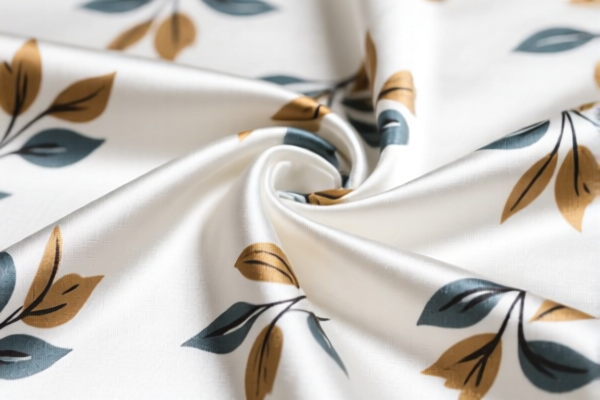
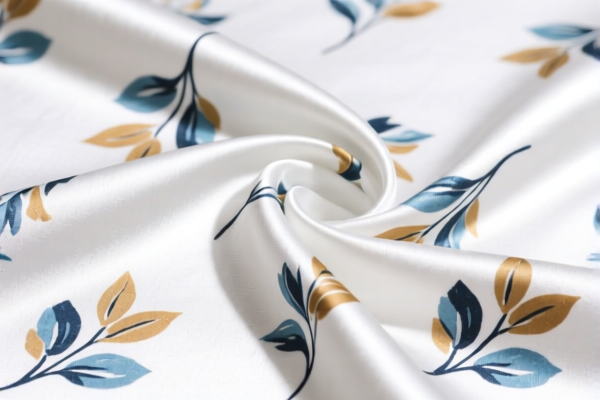
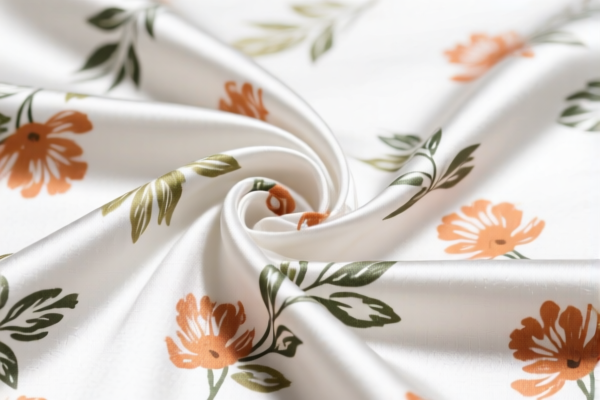
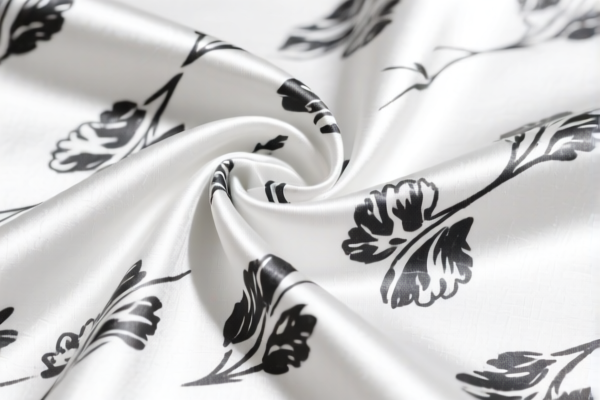
AI分析
🧵 Satin Printed Dyed Fabric (色丁面料)
🌐 HS Code Reference & Customs Clearance Guide | 2026 Latest Tariff Analysis | Professional Entry Strategy
📌 I. Product Definition & Classification: Do You Really Know "Satin Fabric"?
Satin is not a fiber, but a weave structure (Satin Weave) characterized by a smooth, glossy surface and a dull back. In international trade, "Satin Printed Dyed Fabric" falls under Chapter 54 (Man-Made Filaments) or Chapter 60 (Knitted/Crocheted Fabrics), depending on the fiber content and production method.
The classification depends strictly on three factors: 1. Fiber Material: Synthetic (Polyester/Nylon) vs. Artificial (Viscose/Rayon) vs. Blends. 2. Weave Type: Woven (traditional satin) vs. Knitted (satin knit). 3. Structure: Pure filament vs. Blended with other fibers (e.g., Cotton).
⚠️ Key Distinction Point:
- Pure Artificial Filament Satin (e.g., Viscose Satin) → 5408 Series
- Synthetic/Acrylic Blended Satin (e.g., Poly-Cotton Satin) → 5407 Series
- Knitted Satin (Any fiber) → 6006 Series
📦 II. HS Code Classification Details (2026 Latest Tariff Authority Comparison)
Based on the provided data, here is the breakdown for Satin Printed Dyed Fabric:
| HS Code | Product Description | Application Scenario | Fiber Composition |
|---|---|---|---|
5408.32.90.50 |
Satin Fabric, Satin Weave, Man-Made Filament Fabric | High-end apparel, linings, artificial silk dresses | ✅ 100% Artificial Filament (e.g., Viscose/Rayon) |
5408.33.90.50 |
Satin Fabric, Satin Weave, Man-Made Filament Fabric | Similar to above, but different sub-category classification | ✅ 100% Artificial Filament (Different Sub-heading) |
5407.81.00.40 |
Satin Fabric, Satin Weave, Synthetic Fiber & Cotton Blended Fabric | Shirts, blouses, home textiles | ✅ Blended (e.g., Polyester + Cotton) |
5407.82.00.40 |
Satin Fabric, Satin Weave, Fabric Form | General synthetic satin fabrics | ✅ Synthetic Filament (Woven) |
6006.90.10.00 |
Satin Fabric, Knitted or Crocheted Fabric, Other Classes | Stretchy satin, jersey-satin blends, knitwear | ✅ Knitted/Crocheted (Any fiber type) |
🔍 Key Reminder:
- If the fabric is knitted (stretchy, looped structure), it MUST go to6006.90.10.00, regardless of fiber content.
- If it is woven and made of pure artificial filament (like rayon/viscose), it goes to 5408.
- If it is woven and made of synthetic fibers (like polyester) often blended with cotton, it goes to 5407.
💰 III. 2026 Latest Tariff Rate Breakdown (Including Surcharges & Policy Add-ons)
✅ Applicable Country: United States (US)
✅ Origin: China (CN)
✅ Effective Date: Including imports from 2025 onwards
🎯 1. 5408.32.90.50 & 5408.33.90.50 —— Pure Artificial Filament Satin (Woven)
These codes apply to fabrics made primarily from regenerated fibers like Viscose, Rayon, or Cupra.
| Item | Content |
|---|---|
| Base Tariff | 15.0% (for .50) / 12.0% (for .50) |
| Section 301 Surcharge (Additional Duty) | +25.0% |
| Section 122 Tariff | +10.0% |
| Total Tax Rate | 50.0% (for .50) / 47.0% (for .50) |
| Tax Calculation | CIF Value × 50% / 47% |
| De Minimis Exemption Available? | ❌ No (deny_de_minimis) |
| Legal Basis Path | Base Tariff → Section 301 Footnote → Section 122 Clause |
📌 Explanation:
- Base Tariff: Varies between 12-15% depending on the specific sub-classification of artificial filaments.
- Section 301 (+25%): Applies to all Chinese-origin goods in Chapter 54.
- Section 122 (+10%): Additional tariff on specific textile imports from China.
- Total: A staggering 47%-50%. This is a high-cost item for US importers.
🎯 2. 5407.81.00.40 & 5407.82.00.40 —— Synthetic & Cotton Blended Satin (Woven)
These codes apply to fabrics like Polyester-Cotton blends or other synthetic satins.
| Item | Content |
|---|---|
| Base Tariff | 14.9% |
| Section 301 Surcharge (Additional Duty) | +25.0% |
| Section 122 Tariff | +10.0% |
| Total Tax Rate | 49.9% |
| Tax Calculation | CIF Value × 49.9% |
| De Minimis Exemption Available? | ❌ No (deny_de_minimis) |
| Legal Basis Path | Base Tariff → Section 301 → Section 122 |
📌 Note:
- The tax rate is nearly identical to the artificial filament category.
- Even if it's a blend (e.g., 65% Polyester / 35% Cotton), as long as it's synthetic-dominated or falls under this specific heading, the surcharges apply fully.
🎯 3. 6006.90.10.00 —— Knitted Satin Fabric (Any Fiber)
This code applies if the satin fabric is knitted (not woven).
| Item | Content |
|---|---|
| Base Tariff | 7.0% |
| Section 301 Surcharge (Additional Duty) | +25.0% |
| Section 122 Tariff | +10.0% |
| Total Tax Rate | 42.0% |
| Tax Calculation | CIF Value × 42.0% |
| De Minimis Exemption Available? | ❌ No (deny_de_minimis) |
| Legal Basis Path | Base Tariff → Section 301 → Section 122 |
📌 Key Insight:
- Knitted satin has the LOWEST total tax rate (42%) among all listed options due to a lower base tariff (7% vs 12-15%).
- However, structure matters: You cannot classify a woven fabric as knitted. Misclassification leads to severe penalties.
🛠️ IV. Customs Clearance Practical Advice (Battle-Tested Pitfall Guide)
✅ 1. Required Documentation Checklist (All Are Mandatory)
| Document | Mandatory? | Explanation |
|---|---|---|
| ✅ Product Specification Sheet | ✔️ | Must detail: Fiber content (e.g., 100% Viscose vs. 65/35 Poly/Cotton), Weave type (Woven/Knitted), Weight (GSM), Width. |
| ✅ Technical Diagram / Weave Structure Photo | ✔️ | Crucial to prove "Satin Weave" vs. plain/weft knit. |
| ✅ Product Photos (With Label) | ✔️ | Clear view of pattern, color, and any brand labels. |
| ✅ Commercial Invoice | ✔️ | Must specify "Satin Printed Dyed Fabric" and exact HS Code. |
| ✅ Packing List | ✔️ | Net weight, gross weight, dimensions. |
| ✅ Origin Certificate (CO) | ✔️ | To prove Chinese origin (triggers tariffs). |
| ✅ Third-Party Test Report | ✔️ | Fiber content analysis is critical for correct HS classification. |
✅ 2. Declaration Tips (Key Mnemonics)
🔥 "Fiber First, Weave Second, Print is Irrelevant for HS!"
| Scenario | Correct Declaration | Wrong Practice |
|---|---|---|
| 100% Viscose Satin (Woven) | 5408.32.90.50 or 5408.33.90.50 |
Misclassifying as Polyester → Wrong Tax Base |
| Poly-Cotton Satin (Woven) | 5407.81.00.40 |
Misclassifying as 100% Polyester → Potential Penalty |
| Stretchy Satin (Knitted) | 6006.90.10.00 |
Declaring as Woven Satin → Incorrect Structure |
| Printed Pattern | Ignore print in HS Code | Print affects style, NOT HS classification |
📌 Important:
- "Printed Dyed" describes the finishing, not the fiber. HS codes are determined by Fiber + Weave.
- Do NOT try to hide the "Print" aspect; it doesn't change the tariff, but misrepresenting the fiber will.
✅ 3. Special Situations Handling
| Situation | Handling Advice |
|---|---|
| Mixed Container (Satin + Other Fabrics) | Separate HS Codes clearly. Do not lump "Satin" with "Cotton T-shirt Fabric". Each needs its own line item. |
| Sample Shipment | Still subject to 42-50% tariffs. No de minimis exemption for textile goods from China. |
| Re-export from Vietnam/Mexico | If re-exported, prove Substantial Transformation. If merely transshipped, US Customs will still trace origin to China and apply tariffs. |
| Blended Fabrics (e.g., 50% Cotton, 50% Polyester) | Check the "Principal Character" test. If synthetic is dominant or falls under 5407, use 5407 codes. |
🌍 V. Global Market Clearance Comparison (2026 Latest)
| Country/Region | Recommended HS Code | Total Tax Rate (China Origin) | Key Certification | Notes |
|---|---|---|---|---|
| 🇺🇸 United States | Varies (See Above) | 42% - 50% | None for fabric, but FDA/EPA may apply for chemicals | Highest Tariffs Globally due to Section 301 & 122 |
| 🇨🇳 China | Varies | ~5% - 15% | None | Import duties lower; focus on VAT (13%) |
| 🇪🇺 European Union | Varies | 0% - 4% | REACH (Chemical Safety) | No Section 301 equivalent; lower risk |
| 🇬🇧 United Kingdom | Varies | 0% - 4% | UKCA (if applicable) | Post-Brexit rules; generally low fabric tariffs |
| 🇯🇵 Japan | Varies | 0% - 5% | PSE (if chemical-treated) | FTA benefits possible if origin qualifies |
📌 Conclusion:
- USA is the most expensive market for Chinese satin fabrics.
- EU/UK/Japan are significantly cheaper for importers, but have strict chemical/environmental regulations (REACH).
- Cost Saving Tip: If targeting the US, consider sourcing from Vietnam, India, or Turkey to avoid Section 301/122 tariffs.
📌 VI. Common Errors & Pitfall Guide (Lessons Learned)
❌ Error 1: Classifying Knitted Satin as Woven Satin
👉 Consequence: Incorrect HS Code → Customs delay, potential fines, or forced re-classification.
❌ Error 2: Assuming "Printed" changes the HS Code
👉 Consequence: None. Printing is a finishing process. Focusing on print instead of fiber leads to misclassification.
❌ Error 3: Ignoring Section 122 Tariffs
👉 Consequence: Calculating only Base + 301 tariffs → Underestimating cost by 10% → Profit margin erosion.
❌ Error 4: Misidentifying Artificial Filament vs. Synthetic
👉 Consequence:
- Artificial (Viscose) → 5408
- Synthetic (Polyester) → 5407
- Confusion leads to wrong code → Potential penalty for undervaluation/overvaluation.
✅ Correct Declaration Example:
"100% Viscose Satin Weave Fabric, Dyed, Printed, Width 150cm, Weight 120gsm, For Apparel Use"
🎯 VII. Conclusion: Precision in Classification Saves Money!
🎯 Remember the Mantra:
🔹 "Fiber defines Chapter, Weave defines Heading, Print is Just Style."
🔹 "USA Tariffs: 42-50% – Plan Your Supply Chain!"
🔹 "Knitted vs. Woven – Get It Wrong, Pay It Twice!"
📌 Pro Tip:
If you are importing into the US, calculate the Total Landed Cost including the 42-50% tariff before signing contracts.
Consider Advanced Rulings (Pre-Rulings) with US CBP to confirm HS Code classification, especially for blended fabrics.
📣 Immediate Action:
📞 Consult with a licensed customs broker.
📤 Provide fiber content analysis reports.
🚀 Optimize your supply chain to mitigate high US tariffs.
✨ Professional Customs Clearance Starts with Accurate Classification!
💼 Every Percentage Point of Tariff Matters!
用户评价
关于 HS 编码归类
协调制度(HS)是由世界海关组织(WCO)制定的国际贸易商品分类标准。全球 200 多个国家采用 HS 系统作为海关关税、贸易统计和进出口监管的基础。
每个 HS 编码遵循以下层级结构:
- 章(2 位)——商品大类(例如:第 84 章:机器和机械设备)
- 品目(4 位)——章内的更具体分类
- 子目(6 位)——国际通用细分,所有 WCO 成员国统一使用
- 本国细分(8-10 位)——各国自行扩展的细分编码,如美国 HTSUS 10 位编码
正确的 HS 编码归类对于顺利通关、准确缴纳关税和遵守贸易法规至关重要。错误归类可能导致海关延误、多缴关税或罚款。
从CN进口到US时,适用的关税税率可能包括:
- 最惠国(MFN)税率——适用于 WTO 成员国的标准关税税率
- 普通税率——适用于无贸易协定国家
- 贸易救济关税——附加关税,如 301 条款(反倾销)、232 条款(国家安全)或反补贴税
本页内容仅供参考。如需正式归类,请咨询当地海关或持牌报关代理。