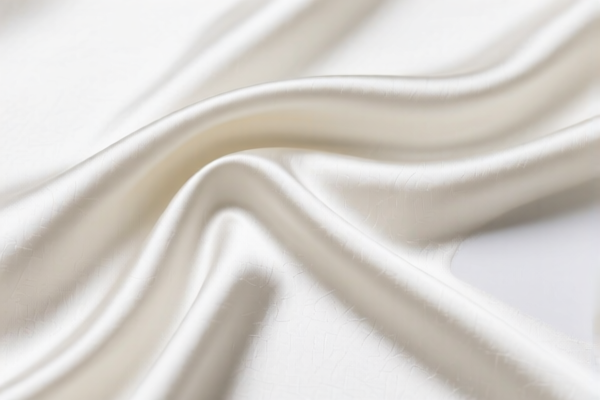
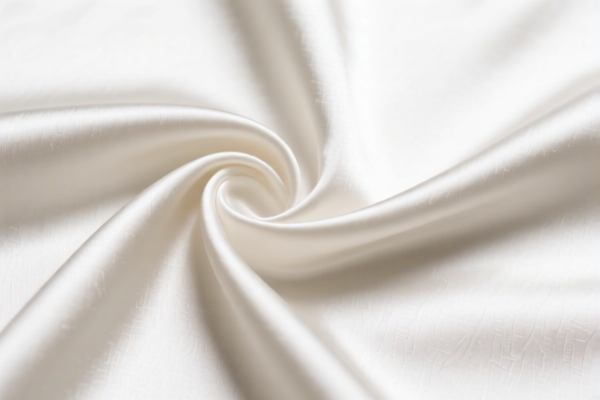
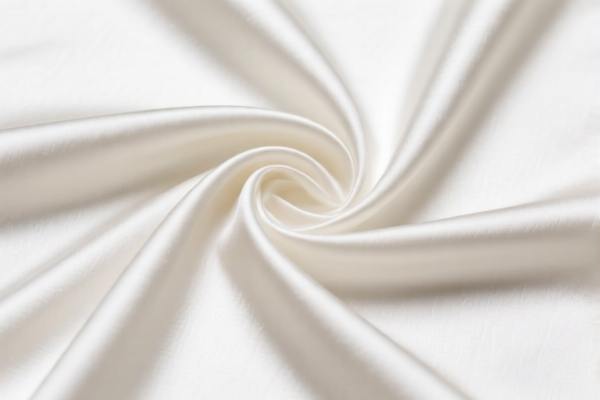
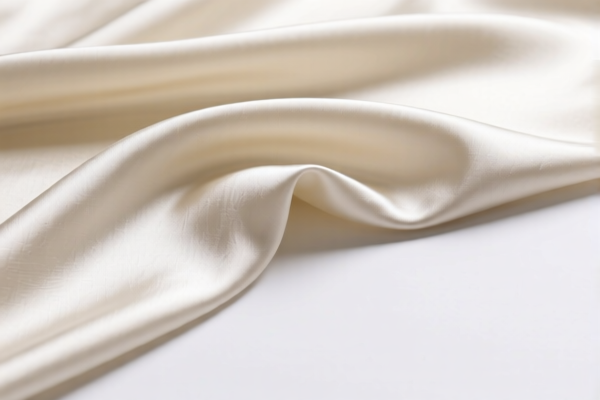
satin weave fabric for garments unbleached/bleached
CN → US| HS编码 | 关税税率 | 原产国 | 目的国 | 文档 |
|---|---|---|---|---|
| 5208192020 | 42.9% | CN | US | 官方文档 |
| 5208192090 | 42.9% | CN | US | 官方文档 |
| 5407912050 | 49.9% | CN | US | 官方文档 |
| 5407810040 | 49.9% | CN | US | 官方文档 |
| 5208192020 | 42.9% | CN | US | 官方文档 |
商品图片
AI分析
🧵 Unbleached/Bleached Satin Weave Fabrics for Garments
🌐 HS Code Reference & Customs Clearance Guide | 2026 Latest Tariff Analysis | Professional Clearance Strategy
📌 I. Product Definition & Classification: What exactly is "Satin Weave Fabric"?
Satin weave fabric is a textile structure characterized by a glossy surface and dull back, widely used in high-end apparel, linings, and home textiles. In international trade, classification depends primarily on fiber composition and bleaching status.
Key Distinction:
- Unbleached: Raw cotton/yarn state, natural color, no chemical bleaching.
- Bleached: Treated to remove natural pigments, usually white or ready for dyeing.
- Material: Cotton (天然棉), Synthetic Filament (合成纤维长丝), or Blended (混纺).
⚠️ Critical Classification Point:
- Cotton-based satin: Falls under Chapter 52
- Synthetic filament satin: Falls under Chapter 54
- Bleached vs. Unbleached: Different subheadings even within the same material!
📦 II. HS Code Breakdown (2026 Tariff Schedule)
Based on your product description "satin weave fabric for garments unbleached/bleached", here are the applicable HS codes from the provided data:
| HS Code | Product Description | Material | Bleaching Status | Total Tax Rate (US) |
|---|---|---|---|---|
5208.19.20.20 |
Unbleached satin/crape fabric, cotton | Cotton (棉制) | Unbleached (未漂白) | 42.9% |
5208.19.20.90 |
Unbleached satin/crape fabric, cotton (other) | Cotton (棉制) | Unbleached (未漂白) | 42.9% |
5407.91.20.50 |
Unbleached satin/crape fabric, synthetic filament | Synthetic Filament (合成纤维长丝) | Unbleached (未漂白) | 49.9% |
5407.81.00.40 |
Unbleached satin/crape fabric, synthetic/cotton blend | Blended (混纺) | Unbleached (未漂白) | 49.9% |
5208.19.20.20 |
Unbleached satin/crape fabric, cotton | Cotton (棉制) | Unbleached (未漂白) | 42.9% |
🔍 Note:
- All listed codes in the provided data refer to Unbleached (未漂白) fabrics.
- Bleached satin fabrics would typically fall under different subheadings (e.g.,5208.19.30.xfor bleached cotton satin), but these are NOT included in the provided<DATA>.
- The term "satin weave" (缎纹/缎面) is covered under subheading5208.19(Cotton) and5407.91/5407.81(Synthetic).
💰 III. 2026 Latest Tariff Rate Breakdown (Detailed Tax Clauses)
✅ Applicable Country: United States (US)
✅ Origin: China (CN)
✅ Effective Date: From November 10, 2025, onward
🎯 1. Cotton-Based Satin Fabric (HS Codes: 5208.19.20.20 / 5208.19.20.90)
| Item | Details |
|---|---|
| Base Tariff | 7.9% (ad valorem) |
| Section 301 Additional Tariff | 25.0% |
| Section 122 Tariff | 10.0% |
| Total Tax Rate | 42.9% |
| Tax Calculation | CIF Value × 42.9% |
| De Minimis Exemption | ❌ Not Eligible (deny_de_minimis) |
| Legal Basis Path | USITC:5208.19.20.20 → Section 301: 25% → Section 122: 10% |
📌 Explanation:
- 7.9%: Standard Most Favored Nation (MFN) base duty for cotton fabrics.
- 25%: Additional duty under US Trade Act Section 301 against Chinese imports.
- 10%: Additional duty under Section 122 (National Security/Emergency Powers).
- Total: 42.9% — This is a high-cost item. Must be factored into pricing!
🎯 2. Synthetic Filament/Blend Satin Fabric (HS Codes: 5407.91.20.50 / 5407.81.00.40)
| Item | Details |
|---|---|
| Base Tariff | 14.9% (ad valorem) |
| Section 301 Additional Tariff | 25.0% |
| Section 122 Tariff | 10.0% |
| Total Tax Rate | 49.9% |
| Tax Calculation | CIF Value × 49.9% |
| De Minimis Exemption | ❌ Not Eligible (deny_de_minimis) |
| Legal Basis Path | USITC:5407.91.20.50 → Section 301: 25% → Section 122: 10% |
📌 Explanation:
- 14.9%: Base duty for synthetic filament fabrics (higher than cotton due to chemical processing).
- 25% + 10%: Same additional tariffs as cotton.
- Total: 49.9% — Even higher than cotton! Synthetic fabrics face heavier duties.
🛠️ IV. Customs Clearance Practical Advice (Avoiding Pitfalls)
✅ 1. Required Documentation Checklist
| Document | Mandatory? | Notes |
|---|---|---|
| Product Specification Sheet | ✔️ | Must specify fiber content (e.g., 100% Cotton, 65% Polyester/35% Cotton), weave type (satin), weight (GSM), and bleaching status. |
| Commercial Invoice | ✔️ | Clearly state "Unbleached Satin Weave Fabric for Garments" + HS Code. |
| Packing List | ✔️ | Detail roll dimensions, weight, and material breakdown. |
| Certificate of Origin (CO) | ✔️ | If claiming preferential treatment (not applicable here due to 301/122 tariffs, but still required). |
| Bill of Lading/Air Waybill | ✔️ | Standard shipping document. |
| Test Report (Optional but Recommended) | ✔️ | Fiber composition analysis from a third-party lab to avoid misclassification. |
✅ 2. Declaration Tips (Key Mantras)
🔥 "Be Precise: Fiber Content, Weave, Bleaching Status!"
| Scenario | Correct Declaration | Wrong Practice |
|---|---|---|
| 100% Cotton, Unbleached Satin | 5208.19.20.20 (if standard) or 5208.19.20.90 |
Misdeclare as "bleached" → Wrong HS code → Penalty |
| Polyester/Cotton Blend, Unbleached | 5407.81.00.40 |
Declare as "100% Cotton" → Severe penalty for misdeclaration |
| Bleached Satin (NOT in provided data) | Must use correct bleached subheading (e.g., 5208.19.30.xx) |
Use unbleached HS code for bleached goods → Customs rejection |
| Small Sample Shipment | Still subject to 42.9%-49.9% duties | Assume de minimis exemption → DOES NOT APPLY |
✅ 3. Special Cases & Solutions
| Case | Recommendation |
|---|---|
| OEM/Custom Fabric | Provide fabric swatch + lab test report to prove fiber content. |
| Mixed Shipments (Cotton + Synthetic) | Declare each HS code separately. Do not consolidate under one code. |
| "Satin" vs. "Sateen" | In US customs, "Sateen" is often treated as satin weave cotton. Be consistent in description. |
| Pre-Shipment Inspection | Use SGS, Bureau Veritas, or Intertek to verify fiber content before shipment. |
🌍 V. Global Market Comparison (2026)
| Country/Region | Recommended HS Code | Base Duty | Additional Tariffs (China) | Total Effective Rate |
|---|---|---|---|---|
| 🇺🇸 USA | 5208.19.20.20 / 5407.91.20.50 |
7.9% ~ 14.9% | +25% (301) +10% (122) | 42.9% ~ 49.9% |
| 🇪🇺 EU | 5208.19.00 / 5407.91.00 |
8.0% ~ 12.0% | 0% | ~8-12% |
| 🇨🇳 China (Import) | 5208.19.20 / 5407.91.20 |
8.0% ~ 10.0% | 0% | ~8-10% |
| 🇬🇧 UK | 5208.19.00 / 5407.91.00 |
8.0% ~ 12.0% | 0% | ~8-12% |
📌 Conclusion:
- USA has the highest effective duty due to Section 301 and Section 122 tariffs.
- If exporting to the US, cost optimization is critical. Consider sourcing from non-China origins (e.g., Vietnam, India) for Section 301 exemption.
- For other markets (EU, UK, China), duties are significantly lower.
📌 VI. Common Mistakes & Pitfalls (Lessons Learned)
❌ Mistake 1: Declaring "Satin Fabric" without specifying fiber content
👉 Result: Customs cannot determine correct HS code → Delay + Penalty.
❌ Mistake 2: Confusing Unbleached vs. Bleached
👉 Result: Using unbleached HS codes for bleached goods → Misclassification fine.
❌ Mistake 3: Assuming de minimis (Section 321) applies to small shipments
👉 Result: De minimis does NOT apply to goods from China under 301/122 tariffs → Full duty charged even for small samples.
❌ Mistake 4: Mislabeling Blend fabrics as 100% Cotton or 100% Synthetic
👉 Result: Incorrect HS code → Severe penalty and potential seizure.
✅ Correct Approach:
"100% Cotton, Unbleached Satin Weave Fabric, 150 GSM, for Garment Lining, Origin: China"
HS Code:5208.19.20.20
🎯 VII. Conclusion: Precision in Classification Saves Money!
🎯 Remember Mantras:
🔹 "Fiber Content is King: Cotton vs. Synthetic!"
🔹 "Unbleached ≠ Bleached: Check Subheadings!"
🔹 "Section 301 + 122 = 35% Additional Duty: Factor it in!"
📌 Pro Tips:
- If your satin fabric is bleached, consult a customs broker for the correct HS code (e.g., 5208.19.30.xx for bleached cotton satin), as it is not in the provided data.
- For US imports, consider duty drawback programs if re-exporting.
- Pre-arrival Ruling: Apply for an Advance Ruling from CBP to lock in the HS code and avoid disputes.
📣 Immediate Action:
📞 Contact a licensed customs broker + Provide fabric swatch + Verify fiber content with lab test
🚀 Ensure smooth clearance, avoid penalties, and maximize profit margins!
✨ Professional clearance starts with accurate classification!
💼 Every percentage point of duty matters!
用户评价
关于 HS 编码归类
协调制度(HS)是由世界海关组织(WCO)制定的国际贸易商品分类标准。全球 200 多个国家采用 HS 系统作为海关关税、贸易统计和进出口监管的基础。
每个 HS 编码遵循以下层级结构:
- 章(2 位)——商品大类(例如:第 84 章:机器和机械设备)
- 品目(4 位)——章内的更具体分类
- 子目(6 位)——国际通用细分,所有 WCO 成员国统一使用
- 本国细分(8-10 位)——各国自行扩展的细分编码,如美国 HTSUS 10 位编码
正确的 HS 编码归类对于顺利通关、准确缴纳关税和遵守贸易法规至关重要。错误归类可能导致海关延误、多缴关税或罚款。
从CN进口到US时,适用的关税税率可能包括:
- 最惠国(MFN)税率——适用于 WTO 成员国的标准关税税率
- 普通税率——适用于无贸易协定国家
- 贸易救济关税——附加关税,如 301 条款(反倾销)、232 条款(国家安全)或反补贴税
本页内容仅供参考。如需正式归类,请咨询当地海关或持牌报关代理。