seamless protective gloves other materials
CN → US| HS编码 | 关税税率 | 原产国 | 目的国 | 文档 |
|---|---|---|---|---|
| 3926201020 | 10.0% | CN | US | 官方文档 |
| 6116999510 | 13.8% | CN | US | 官方文档 |
| 3926201050 | 10.0% | CN | US | 官方文档 |
| 6116999560 | 13.8% | CN | US | 官方文档 |
| 4016990500 | 20.9% | CN | US | 官方文档 |
商品图片
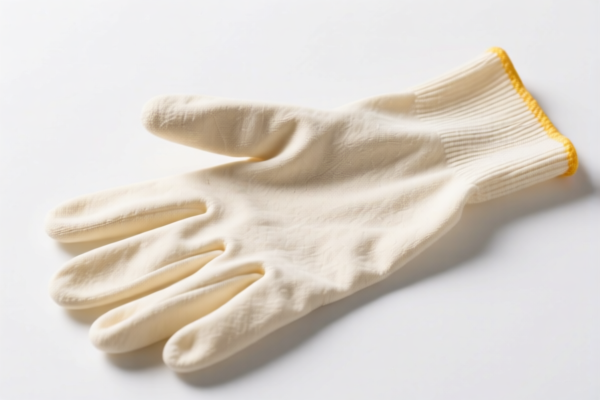
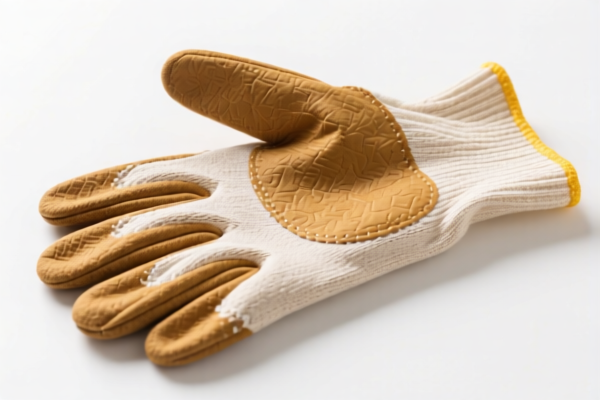
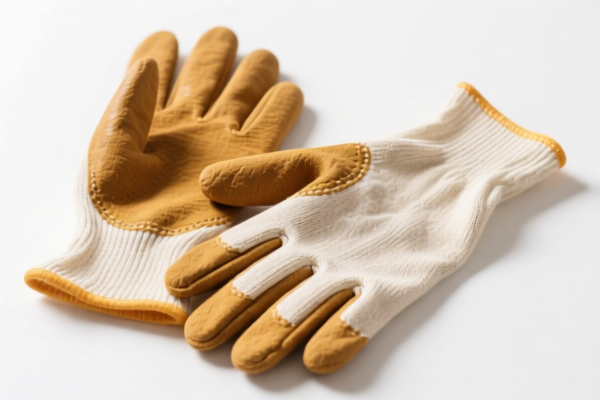
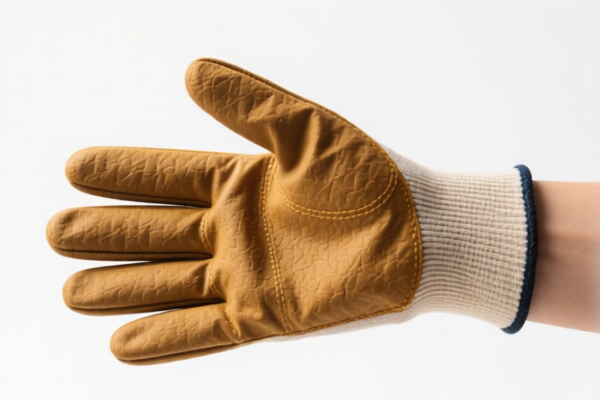
AI分析
🧤 Seamless Protective Gloves (Other Materials)
🌐 HS Code Reference & Clearance Guide | 2026 Latest Tariff Analysis | Professional Customs Strategy
📌 1. Product Definition & Classification: What Are "Other Materials Seamless Gloves"?
"Seamless protective gloves" refer to gloves manufactured using seamless knitting technology, providing hand protection in industrial, medical, or household contexts. The phrase "Other Materials" in your query specifically excludes: 1. Plastic/Rubber (Chapter 39/40): Gloves made entirely of plastic or rubber are classified elsewhere. 2. Specific Textiles (Chapter 61): Gloves made of cotton, wool, or standard knitted fabrics.
Therefore, "Other Materials" generally points to specialty synthetic fibers, non-woven materials, or blended textile materials that do not fit the primary definitions of plastic/rubber seamless gloves. This category often involves high-performance synthetic fibers (e.g., aramid, specialized nylon blends) or non-textile composites used for specific protective functions.
⚠️ Critical Distinction:
- If the glove is plastic/rubber (even if seamless) → It falls under Chapter 39 or 40.
- If the glove is textile-based (knitted/woven) but not cotton/wool → It falls under Chapter 61.
- The term "Other" in HS codes often acts as a residual (catch-all) category for materials not explicitly listed in primary subheadings.
📦 2. HS Code Classification Matrix (Based on Provided Data)
The provided data indicates five potential HS codes, split into two main material groups: Plastics and Textiles.
Group A: Plastic Materials (Chapter 39)
These codes apply if the glove is primarily made of plastic materials (e.g., PVC, PE, PU-coated seamless liners).
| HS Code | Product Description | Material Logic | Total Tax Rate |
|---|---|---|---|
3926.20.10.20 |
Other seamless gloves, plastic material | Fits "residual" principle for plastic gloves not otherwise specified | 10.0% |
3926.20.10.50 |
Other seamless gloves, plastic material | Matches form, function, and material attributes perfectly | 10.0% |
🔍 Key Insight:
Both plastic codes (3926.20.10.20and3926.20.10.50) carry the same 10.0% total tax. The distinction lies in specific USITC sub-categorization for "Other" plastics. Ensure the material is indeed plastic-based (not rubber, which would be Chapter 40).
Group B: Textile Materials (Chapter 61)
These codes apply if the glove is made from knitted or crocheted fabrics of other textile materials (e.g., polyester blends, nylon, special fibers).
| HS Code | Product Description | Material Logic | Total Tax Rate |
|---|---|---|---|
6116.99.95.10 |
Seamless gloves, other textile materials | Fits glove function and morphology; made of other textiles | 13.8% |
6116.99.95.60 |
Seamless gloves, other textile materials | Matches form and usage requirements for other textiles | 13.8% |
🔍 Key Insight:
Both textile codes (6116.99.95.10and6116.99.95.60) carry the same 13.8% total tax. The difference is in sub-classification for "Other" textile materials. Confirm the glove is textile-based (knitted/crocheted) and not rubber/plastic.
Group C: Rubber/Synthetic Rubber (Chapter 40) - Special Case
One code in the data refers to vulcanized rubber, which is distinct from plastic.
| HS Code | Product Description | Material Logic | Total Tax Rate |
|---|---|---|---|
4016.99.05.00 |
Other vulcanized rubber goods, household/industrial use | Classified as "Other articles of vulcanized rubber"; residual category for rubber gloves | 20.9% |
⚠️ Warning:
If your glove is made of rubber (even if seamless), it cannot be classified under Chapter 39 (Plastic). It must go to Chapter 40. This code has the highest tax rate (20.9%) due to additional duties.
💰 3. 2026 Tariff Rate Breakdown (US Import from China)
✅ Applicable Country: United States (US)
✅ Origin: China (CN)
✅ Effective Date: Includes post-2025 duties (Section 301 + IEEPA)
🎯 1. Plastic Gloves: 3926.20.10.20 & 3926.20.10.50
| Item | Detail |
|---|---|
| Basic Tariff | 0.0% |
| Section 301 Tariff | 0.0% (No additional 25% for these specific sub-codes based on data) |
| IEEPA 122 Tariff | 10.0% |
| Total Tax Rate | 10.0% |
| Tax Calculation | CIF Value × 10.0% |
| De Minimis Exemption | ❌ Not Eligible (Denied) |
| Legal Path | IEEPA:9903.01.24 → USITC:3926.20.10.x0 → FOOTNOTE:122 |
📌 Explanation:
- Plastic gloves benefit from a 0% basic tariff but are subject to the 122 Section IEEPA tariff of 10%.
- No Section 301 (25%) is applied in the provided data for these codes, making them more favorable than rubber.
🎯 2. Textile Gloves: 6116.99.95.10 & 6116.99.95.60
| Item | Detail |
|---|---|
| Basic Tariff | 3.8% |
| Section 301 Tariff | 0.0% |
| IEEPA 122 Tariff | 10.0% |
| Total Tax Rate | 13.8% |
| Tax Calculation | CIF Value × 13.8% |
| De Minimis Exemption | ❌ Not Eligible |
| Legal Path | IEEPA:9903.01.24 → USITC:6116.99.95.x0 → FOOTNOTE:122 |
📌 Explanation:
- Textile gloves have a 3.8% basic tariff.
- Plus the 122 Section IEEPA tariff of 10%.
- Total 13.8% is lower than rubber but higher than plastic.
🎯 3. Rubber Gloves: 4016.99.05.00
| Item | Detail |
|---|---|
| Basic Tariff | 3.4% |
| Section 301 Tariff | 7.5% |
| IEEPA 122 Tariff | 10.0% |
| Total Tax Rate | 20.9% |
| Tax Calculation | CIF Value × 20.9% |
| De Minimis Exemption | ❌ Not Eligible |
| Legal Path | IEEPA:9903.01.24 → USITC:4016.99.05.00 → FOOTNOTE:122 + SECTION301 |
📌 Explanation:
- Rubber gloves are the most expensive to import.
- They incur 3.4% basic + 7.5% Section 301 + 10% IEEPA.
- Critical: Ensure the material is indeed rubber, not plastic, to avoid misclassification penalties.
🛠️ 4. Customs Clearance Practical Advice
✅ 1. Documentation Checklist (Mandatory)
| Document | Required | Purpose |
|---|---|---|
| ✅ Product Specification Sheet | ✔️ | Detail material composition (e.g., "100% Nylon," "PVC-coated"). Crucial for distinguishing Plastic vs. Textile vs. Rubber. |
| ✅ Material Composition Label | ✔️ | Show % of each fiber/material. |
| ✅ Product Photos | ✔️ | Clear images of the glove, interior, and exterior to show seamless construction. |
| ✅ Commercial Invoice | ✔️ | Must state: "Seamless Protective Gloves, [Material Type], Made in China." |
| ✅ Packing List | ✔️ | List quantities per box. |
| ✅ Certificate of Origin (CO) | ✔️ | If claiming any potential exemptions (though IEEPA usually applies to CN origin). |
| ✅ Test Reports | ✔️ | ASTM/EN standards for protective function (e.g., cut resistance, chemical resistance). |
✅ 2. Declaration Strategy (Key Tips)
🔥 "Know Your Material, Know Your Rate!"
| Scenario | Correct HS Code | Total Tax | Risk of Misclassification |
|---|---|---|---|
| Plastic-based (e.g., PU-coated) | 3926.20.10.20 or 3926.20.10.50 |
10.0% | Low risk if material is clear. |
| Textile-based (e.g., Knitted Nylon) | 6116.99.95.10 or 6116.99.95.60 |
13.8% | Moderate risk if blended with plastic. |
| Rubber-based (e.g., Latex, Nitrile) | 4016.99.05.00 |
20.9% | HIGH RISK: Misdeclaring rubber as plastic saves 10.9% but triggers penalties. |
⚠️ Critical Warning:
- "Other Materials" is ambiguous. You must define the primary material.
- If the glove is coated (e.g., textile core with plastic coating), it may still be classified under Chapter 39 or 61 depending on the coating's value/function.
- Never use "Other Materials" in the commercial invoice without specifying the actual material (e.g., "Polyester Blend Seamless Gloves").
✅ 3. Special Cases
| Situation | Advice |
|---|---|
| Mixed Material Gloves (e.g., Plastic-coated textile) | If plastic coating >50% by weight/value, classify under Chapter 39 (3926.20.10.x0). |
| Disposable Medical Gloves | Ensure they are not classified as "Latex" (Chapter 40) if they are nitrile (also Chapter 40) or PVC (Chapter 39). |
| Industrial Cut-Resistant Gloves (Aramid/Kevlar) | Likely Textile (6116.99.95.x0) due to knitting process, unless coated with significant plastic/rubber. |
| Gift Sets with Gloves | Declare gloves separately if possible. Bundling may complicate classification. |
🌍 5. Global Market Comparison (2026)
| Market | Recommended HS Code | Tax Rate (CN Origin) | Key Requirements |
|---|---|---|---|
| 🇺🇸 USA | 3926.20.10.x0 (Plastic) |
10.0% | IEEPA 122 applies. No Section 301 for plastic gloves. |
| 🇺🇸 USA | 6116.99.95.x0 (Textile) |
13.8% | IEEPA 122 + Basic 3.8%. |
| 🇺🇸 USA | 4016.99.05.00 (Rubber) |
20.9% | IEEPA 122 + Section 301 7.5% + Basic 3.4%. |
| 🇨🇳 China | 3926.20.10 |
5.0% | Standard MFN rate. |
| 🇪🇺 EU | 3926.20 / 6116.99 |
Varies (0-10%) | No Section 301/IEEPA. CE marking may be required. |
| 🇬🇧 UK | 3926.20 / 6116.99 |
Varies (0-10%) | No additional duties post-Brexit for these categories. |
📌 Conclusion:
- USA is the most challenging market due to IEEPA and Section 301 tariffs.
- Plastic gloves (10%) are the most cost-effective for import into the US.
- Rubber gloves (20.9%) are the most expensive.
📌 6. Common Errors & Pitfalls (Blood Lessons)
❌ Error 1: Declaring "Rubber Gloves" as "Plastic Gloves"
👉 Consequence: 20.9% vs 10.0%. Underpayment leads to audit, penalties, and seizure.
👉 Fix: Verify material composition with manufacturer.
❌ Error 2: Using "Other Materials" as the product description
👉 Consequence: CBP may reject the declaration or assign a generic code with higher duties.
👉 Fix: Specify "Seamless Gloves, 100% Polyester Knitted" or "Seamless Gloves, PVC-Coated."
❌ Error 3: Ignoring IEEPA 122 Tariff
👉 Consequence: Calculating tax as only "Basic Rate" results in underpayment.
👉 Fix: Always add 10% for IEEPA on Chinese goods.
❌ Error 4: Misclassifying Textile Gloves as Plastic
👉 Consequence: If the glove is 100% textile, declaring it as plastic may lead to reclassification and additional duties if the textile code has higher basic rates (though in this data, textile is 13.8% vs plastic 10.0%, so risk is financial loss + penalty).
🎯 7. Conclusion: Precision in Classification Saves Money
🎯 Key Takeaways:
🔹 Plastic Seamless Gloves: 10.0% Total Tax (Best Rate)
🔹 Textile Seamless Gloves: 13.8% Total Tax (Moderate Rate)
🔹 Rubber Seamless Gloves: 20.9% Total Tax (Highest Rate)
🔹 Always Specify Material: "Other Materials" is not a valid customs description.📌 Pro Tip:
If your gloves are coated textile (e.g., nylon core with plastic coating), consult a customs broker to determine if they qualify under Chapter 39 (Plastic) or Chapter 61 (Textile). The 3.8% difference in total tax is significant.
📣 Immediate Action:
📞 Contact a Licensed Customs Broker to verify material composition.
📄 Prepare Detailed Product Specifications including material breakdown.
🚀 Apply for Advance Ruling if unsure about classification to avoid post-import liabilities.
✨ Professional Clearance Starts with Accurate Classification!
💼 Every Percent of Tax Savings Counts!
用户评价
关于 HS 编码归类
协调制度(HS)是由世界海关组织(WCO)制定的国际贸易商品分类标准。全球 200 多个国家采用 HS 系统作为海关关税、贸易统计和进出口监管的基础。
每个 HS 编码遵循以下层级结构:
- 章(2 位)——商品大类(例如:第 84 章:机器和机械设备)
- 品目(4 位)——章内的更具体分类
- 子目(6 位)——国际通用细分,所有 WCO 成员国统一使用
- 本国细分(8-10 位)——各国自行扩展的细分编码,如美国 HTSUS 10 位编码
正确的 HS 编码归类对于顺利通关、准确缴纳关税和遵守贸易法规至关重要。错误归类可能导致海关延误、多缴关税或罚款。
从CN进口到US时,适用的关税税率可能包括:
- 最惠国(MFN)税率——适用于 WTO 成员国的标准关税税率
- 普通税率——适用于无贸易协定国家
- 贸易救济关税——附加关税,如 301 条款(反倾销)、232 条款(国家安全)或反补贴税
本页内容仅供参考。如需正式归类,请咨询当地海关或持牌报关代理。