self adhesive electrical tape long roll
CN → US| HS编码 | 关税税率 | 原产国 | 目的国 | 文档 |
|---|---|---|---|---|
| 3919102020 | 40.8% | CN | US | 官方文档 |
| 5604909000 | 40.0% | CN | US | 官方文档 |
| 3919905030 | 40.8% | CN | US | 官方文档 |
商品图片
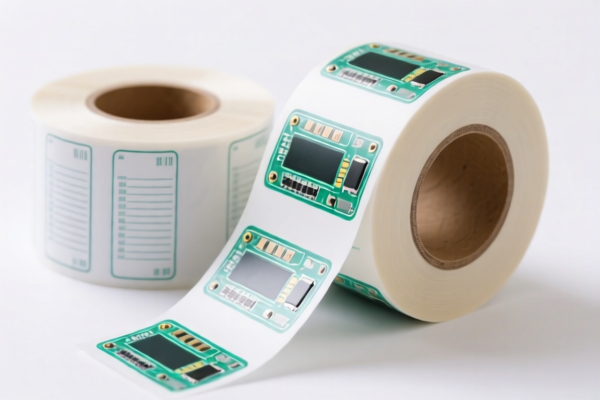
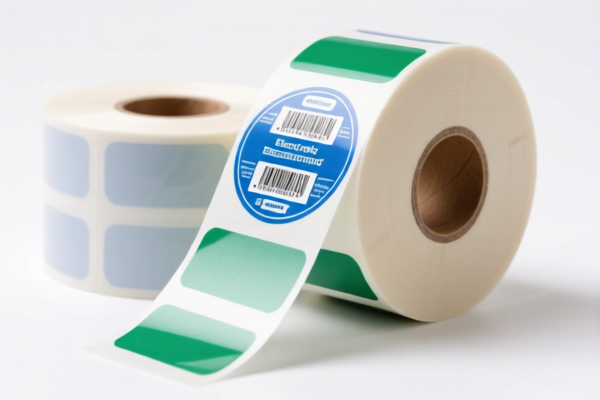
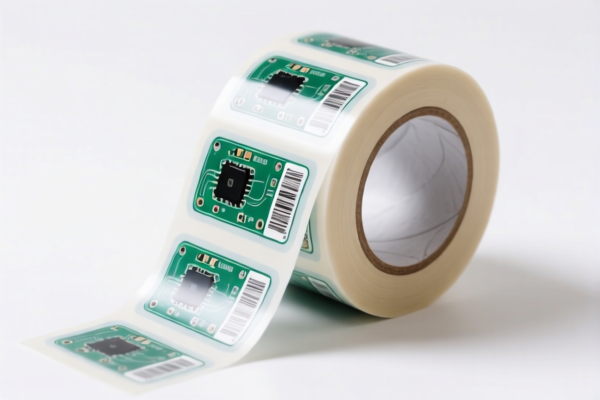
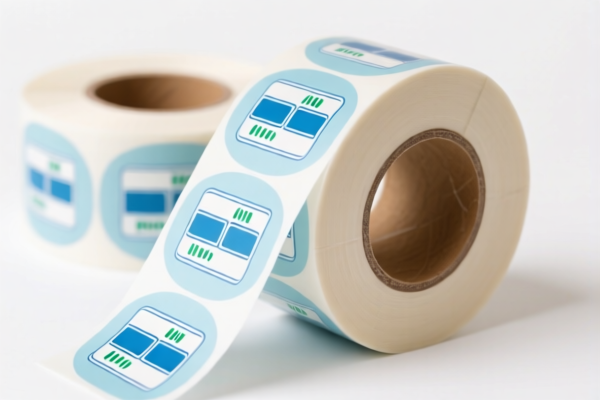
AI分析
📦 Self-Adhesive Electrical Tape Long Roll
🌐 HS Code Reference & Customs Clearance Guide | 2026 Latest Tariff Analysis | Professional Clearance Strategy
📌 1. Product Definition & Classification: Do You Really Understand "Electrical Tape"?
Self-adhesive electrical tape is a specialized insulating material used for electrical wiring, cable bundling, and protection. In international trade, it is primarily classified based on its material composition (Plastic vs. Textile/Rubber) and form (Roll/Strip).
There are three main classification paths for "Long Roll Electrical Tape":
Path A: Plastic-Based Tape (Most Common)
If the tape is made of PVC (Polyvinyl Chloride), PE (Polyethylene), or other plastics, it falls under Chapter 39.
Key Feature:* Plastic backing, pressure-sensitive adhesive.
Path B: Textile-Based Tape
If the tape consists of textile fabrics (e.g., cloth, vinyl-coated fabric) impregnated with rubber or plastic, it falls under Chapter 56.
Key Feature:* Fabric base, often used for high-flexibility or specific industrial applications.
Path C: Other Plastic Articles
If it doesn't fit the specific "self-adhesive" definition of Chapter 39 but is still a flat plastic strip, it may fall under "Other Plates, Sheets, Film, Foil, and Strip."
⚠️ Critical Distinction:
- Plastic Base → Chapter 39 (Most likely for standard black PVC tape)
- Textile/Fabric Base → Chapter 56
- Form: Must be in Rolls or Coils.
📦 2. HS Code Classification Details (2026 Latest Tariff Alignment)
Based on the provided data, here are the three specific HS Codes applicable to "Self-adhesive Electrical Tape Long Roll":
| HS Code | Product Description | Material/Base | Applicability |
|---|---|---|---|
| 3919.10.20.20 | Self-adhesive plates, sheets, film, foil, tape, strip and other flat shapes, of plastics, in rolls of a width not exceeding 20 cm | Plastic (PVC/PE) | Standard PVC Electrical Tape. Most common classification for household and general industrial use. |
| 5604.90.90.00 | Textile fabrics coated, covered, or laminated with rubber, plastics... other than those of heading 56.02 or 56.03; textile yarn... impregnated, coated, covered or sheathed with plastics or rubber | Textile + Rubber/Plastic | Fabric-based Electrical Tape. Used when the core material is cloth or textile, impregnated for insulation. |
| 3919.90.50.30 | Other plates, sheets, film, foil, and strip, of plastics, self-adhesive, in rolls of a width not exceeding 20 cm | Plastic | Specialty Plastic Tape. Used if the tape does not fit the specific "10.20" sub-heading but is still plastic and self-adhesive. |
🔍 Key Note:
- All three codes carry a high tariff burden due to US-China trade policies.
- The distinction between 3919.10 and 3919.90 often depends on specific width or backing material nuances within Chapter 39.
- 5604.90 is distinct because it is not purely plastic; it is a composite textile-rubber/plastic product.
💰 3. 2026 Latest Tariff Rate Breakdown (Including Surcharge & Policy Add-ons)
✅ Applicable Country: United States (US)
✅ Country of Origin: China (CN)
✅ Effective Date: Ongoing (including post-Nov 2025)
🎯 1. 3919.10.20.20 & 3919.90.50.30 —— Plastic Electrical Tape
| Item | Content |
|---|---|
| Basic Tariff Rate | 5.8% (Ad Valorem) |
| Section 301 Surcharge (Add-on Tariff) | +25.0% |
| Section 122 Tariff (IEEPA/Other) | +10.0% |
| Total Tariff Rate | 40.8% |
| Tax Calculation | CIF Value × 40.8% |
| De Minimis Exemption? | ❌ No (De Minimis does not apply to goods subject to Section 301/122 tariffs) |
| Legal Basis Path | HTSUS:3919.10.20.20 → Section 301: Footnote 9903.88.01 → Section 122: IEEPA Authority |
📌 Explanation:
- 5.8% is the standard Most Favored Nation (MFN) rate for plastic tapes.
- 25% is the Section 301 tariff applied to Chinese goods in this category.
- 10% is an additional duty often applied under Section 122 of the Trade Expansion Act or specific executive orders targeting Chinese imports.
- Total Cost Impact: The tariff alone increases the landed cost by 40.8%.
🎯 2. 5604.90.90.00 —— Textile-Based Electrical Tape
| Item | Content |
|---|---|
| Basic Tariff Rate | 5.0% (Ad Valorem) |
| Section 301 Surcharge (Add-on Tariff) | +25.0% |
| Section 122 Tariff (IEEPA/Other) | +10.0% |
| Total Tariff Rate | 40.0% |
| Tax Calculation | CIF Value × 40.0% |
| De Minimis Exemption? | ❌ No |
| Legal Basis Path | HTSUS:5604.90.90.00 → Section 301 → Section 122 |
📌 Note:
- Slightly lower total rate (40.0%) compared to plastic tape (40.8%) due to a lower base rate (5.0% vs 5.8%).
- Same surcharges apply. Do not assume textile items are tariff-free.
🛠️ 4. Customs Clearance Practical Advice (Avoid Pitfalls)
✅ 1. Preparation Checklist (Non-negotiable)
| Document | Required? | Details |
|---|---|---|
| ✅ Product Specification Sheet | ✔️ | Must clearly state: Material (e.g., PVC, Cloth), Thickness, Width, Color, Insulation Rating (Voltage). |
| ✅ Composition Breakdown | ✔️ | Crucial for distinguishing between 3919 (Plastic) and 5604 (Textile). |
| ✅ Commercial Invoice | ✔️ | Must match HS Code description exactly. Avoid vague terms like "Tape"; use "Self-Adhesive Electrical Insulating Tape." |
| ✅ Photo of Product/Label | ✔️ | Show roll dimensions, adhesive side, and any safety warnings. |
| ✅ Certificate of Origin | ✔️ | Mandatory to prove CN origin (which triggers the surcharges). |
✅ 2. Declaration Tips (Critical Keywords)
🔥 "Material Determines Code, Description Matches Code, Avoid 'General' Terms!"
| Scenario | Correct Declaration | Incorrect Declaration | Risk |
|---|---|---|---|
| Standard Black PVC Tape | "Self-adhesive PVC electrical insulation tape, roll, width X cm" | "Cling Wrap" or "General Tape" | Misclassification → Penalty + Back Taxes |
| Fabric/ Cloth Tape | "Vinyl-coated cloth electrical tape, roll, insulated" | "Plastic Tape" | Wrong HS Code (5604 vs 3919) → Audit Risk |
| Bulk Industrial Rolls | "Self-adhesive plastic strip, for electrical insulation" | "Household Adhesive Tape" | Customs may doubt "electrical" function → Delay |
✅ 3. Special Handling
| Situation | Recommendation |
|---|---|
| Multi-Material Tape | If the backing is paper with plastic coating, it may still be classified under 39 or 59. Get a Pre-Ruling. |
| OEM Custom Colors | Ensure the invoice lists the custom color but states the base material is PVC/Cloth. |
| Small Sample Shipments | Do not rely on De Minimis. Even small shipments are subject to 40%+ tariffs if correctly declared. |
🌍 5. Global Market Comparison (2026 Update)
| Market | Recommended HS Code | Base Tariff | Surcharges (China) | Total Estimated Duty | Notes |
|---|---|---|---|---|---|
| 🇺🇸 USA | 3919.10.20.20 / 5604.90.90.00 |
5.0% - 5.8% | +35% (301+122) | 40.0% - 40.8% | High Barrier. Budget accordingly. |
| 🇨🇳 China (Export) | Varies | 0% | None | 0% | Export tax rebates may apply. |
| 🇪🇺 EU | 3919.10.90 / 5604.90.90 |
~6.5% | None (unless dual-use) | ~6.5% | No Section 301 equivalent. Much cheaper entry. |
| 🇬🇧 UK | 3919.10.90 |
~6.5% | None | ~6.5% | Post-Brexit tariffs similar to EU for most goods. |
📌 Strategic Insight:
- US Market: Profit margins are severely squeezed by 40%+ tariffs.
- Alternative Markets: Consider shipping to EU/UK for warehousing and re-export (if rules of origin allow) to avoid US surcharges.
- Supply Chain: Some manufacturers may shift final assembly to Vietnam/Mexico to claim non-Chinese origin (Check Rules of Origin carefully!).
📌 6. Common Mistakes & Pitfalls (Lessons Learned)
❌ Mistake 1: Declaring as "Stationery Tape"
👉 Result: Customs will reclassify based on function (electrical insulation) → Retrospective Tax + Fine.
❌ Mistake 2: Ignoring the "Roll Width"
👉 Result: HS codes 3919.10 and 3919.90 often have width thresholds (e.g., ≤20cm vs >20cm). Wrong width = Wrong Code.
❌ Mistake 3: Assuming "Plastic" and "Fabric" are interchangeable
👉 Result: 3919 (Plastic) and 5604 (Textile) have different base rates. Misdeclaration leads to audit flags.
❌ Mistake 4: Using De Minimis (Section 321) for B2B Shipments
👉 Result: Section 301/122 tariffs override de minimis exemptions for goods originating in China. You will be billed.
✅ Correct Practice:
"Self-Adhesive PVC Electrical Insulating Tape, Black, 19mm Width, Roll, PVC Backing, Pressure-Sensitive Adhesive, Model: EL-100"
🎯 7. Conclusion: Professional Declaration for Cost Control
🎯 Remember the Formula:
🔹 Material = Code (Plastic → 39, Textile → 56)
🔹 Origin = Surcharge (China → +35%)
🔹 Function = Verification (Electrical Insulation > General Tape)
🔹 Total Cost = CIF × 40%+
📌 Pro Tip:
If you are importing into the US, negotiate DDP (Delivered Duty Paid) with your supplier or use a Bonded Warehouse strategy if possible.
For large volumes, consider Tariff Engineering:
- Can the product be classified under a different sub-heading with a lower base rate?
- Can the backing material be changed to a non-subsidized polymer?
📣 Immediate Action:
📞 Consult a Customs Broker: Get an Advance Ruling for your specific product.
📄 Verify Material Safety Data Sheet (MSDS): Ensure it confirms insulation properties.
📉 Calculate Landed Cost: Factor in the 40.8% tariff in your pricing model.
✨ Accurate Classification Saves Thousands!
💼 Don’t let 40% tariffs erase your profit margin.
用户评价
关于 HS 编码归类
协调制度(HS)是由世界海关组织(WCO)制定的国际贸易商品分类标准。全球 200 多个国家采用 HS 系统作为海关关税、贸易统计和进出口监管的基础。
每个 HS 编码遵循以下层级结构:
- 章(2 位)——商品大类(例如:第 84 章:机器和机械设备)
- 品目(4 位)——章内的更具体分类
- 子目(6 位)——国际通用细分,所有 WCO 成员国统一使用
- 本国细分(8-10 位)——各国自行扩展的细分编码,如美国 HTSUS 10 位编码
正确的 HS 编码归类对于顺利通关、准确缴纳关税和遵守贸易法规至关重要。错误归类可能导致海关延误、多缴关税或罚款。
从CN进口到US时,适用的关税税率可能包括:
- 最惠国(MFN)税率——适用于 WTO 成员国的标准关税税率
- 普通税率——适用于无贸易协定国家
- 贸易救济关税——附加关税,如 301 条款(反倾销)、232 条款(国家安全)或反补贴税
本页内容仅供参考。如需正式归类,请咨询当地海关或持牌报关代理。