self adhesive felt roll set
CN → US| HS编码 | 关税税率 | 原产国 | 目的国 | 文档 |
|---|---|---|---|---|
| 3919905060 | 40.8% | CN | US | 官方文档 |
| 5602290000 | 41.3% | CN | US | 官方文档 |
| 3919102055 | 40.8% | CN | US | 官方文档 |
| 6307909891 | 24.5% | CN | US | 官方文档 |
| 6307905020 | 17.5% | CN | US | 官方文档 |
商品图片
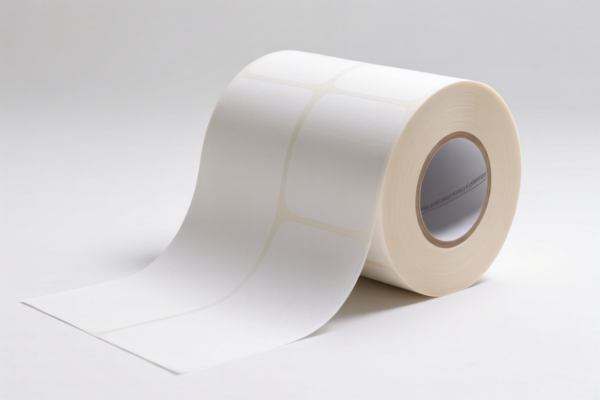
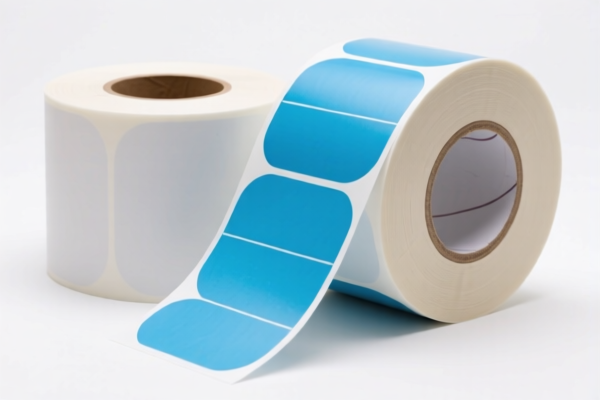
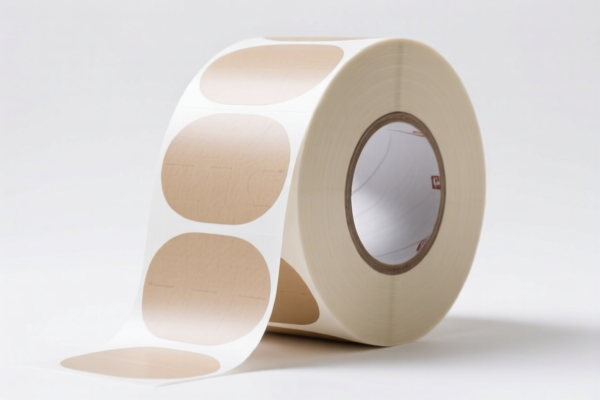
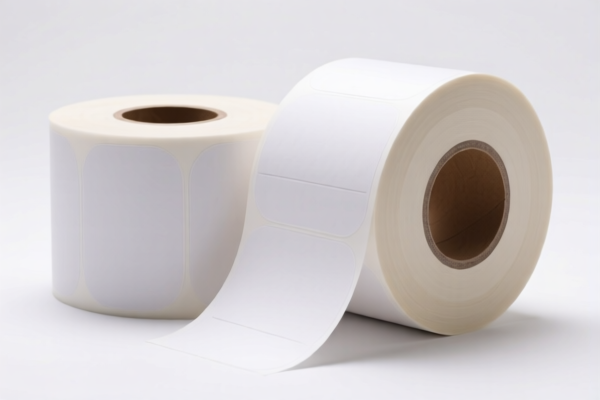
AI分析
🎀 Self-Adhesive Felt Roll Set (The Ultimate Decor & Protection Tool)
🌐 HS Code Reference & Customs Clearance Guide | 2026 Latest Tariff Analysis | Professional Clearance Strategy
📌 I. Product Definition & Classification: Do You Really Understand "Self-Adhesive Felt"?
A Self-Adhesive Felt Roll Set is a versatile composite product consisting of non-woven textile material (felt) bonded with an adhesive backing, typically supplied in rolls for cutting and application. It is used for furniture padding, soundproofing, craft projects, and floor protection.
In international trade, the classification hinges on two critical factors: 1. Material Composition: Is it purely textile (felt) or does it have a dominant plastic/polymer backing? 2. Form & Function: Is it a simple raw material (sheet/roll) or a finished article (cut pad)?
⚠️ Key Classification Divergence:
- If classified as Textile: Falls under Chapter 56 (Batted Textile Materials) or Chapter 63 (Other Made Up Textile Articles).
- If classified as Plastic/Paper: Falls under Chapter 39 (Plastics) if the plastic layer is essential.
- Note: The data below reflects specific interpretations for the US market, highlighting significant tariff differences based on these definitions.
📦 II. HS Code Classification Details (2026 Latest Tariff Authority Comparison)
| HS Code | Product Description | Applicable Logic | Total Tax Rate |
|---|---|---|---|
3919.90.50.60 |
Self-adhesive sheets, plastic-based | Material Inference: Treated as "Plastics/Man-made sheets" due to adhesive/backing dominance. | 40.8% |
5602.29.00.00 |
Self-adhesive felt (Batted Textile) | Material Principle: Classified under "Batted textile materials" using the "catch-all" principle for felt. | 41.3% |
3919.10.20.55 |
Self-adhesive plastic/fiber sheets | Material Inference: Similar to above, but specific to "Plastic/Synthetic Fiber" flat shapes. | 40.8% |
6307.90.98.91 |
Made-up Felt Article (Other) | Finished Product Logic: Classified as a "Made-up article" of felt, recognizing its final utility. | 24.5% |
6307.90.50.20 |
Felt Pad/Cushion (Other Made-up) | Specific Category: Classified specifically as a "Pad" among other made-up textile articles. | 17.5% |
🔍 Critical Observation:
- The Tax Rate Variance is massive, ranging from 17.5% to 41.3%.
- Classifying as a "Pad" (6307.90.50.20) offers the lowest duty (17.5%).
- Classifying as "Batted Textile" (5602.29.00) results in the highest duty (41.3%) due to specific footnote applications.
- Plastic-based classifications (3919) hover around 40.8%.
💰 III. 2026 Latest Tariff Rate Breakdown (Including Additional Taxes & Policy Surcharges)
✅ Applicable Country: United States (US)
✅ Origin: China (CN)
✅ Effective Date: 2025-11-10 onwards
🎯 1. 3919.90.50.60 & 3919.10.20.55 —— Self-Adhesive Plastic/Fiber Sheets
| Item | Content |
|---|---|
| Base Duty | 5.8% (Ad Valorem) |
| Section 301 Surcharge | +25.0% (USITC Footnote) |
| Section 122 Tariff | +10.0% (China-specific surcharge) |
| Total Effective Rate | 40.8% |
| Tax Calculation | CIF Value × 40.8% |
| De Minimis Eligibility | ❌ No (High tariff threshold) |
| Legal Path | USITC:3919.90.50.60 → FOOTNOTE:301 + Section 122 |
📌 Explanation:
- These codes assume the product is primarily a plastic sheet with adhesive.
- The 122 Clause adds a specific 10% surcharge on top of the standard 301 tariffs for Chinese goods.
- High Cost Alert: This classification is expensive and risky if the product is actually felt-based.
🎯 2. 5602.29.00.00 —— Batted Textile Materials (Felt)
| Item | Content |
|---|---|
| Base Duty | 6.3% (Ad Valorem) |
| Section 301 Surcharge | +25.0% (USITC Footnote) |
| Section 122 Tariff | +10.0% (China-specific surcharge) |
| Total Effective Rate | 41.3% |
| Tax Calculation | CIF Value × 41.3% |
| De Minimis Eligibility | ❌ No |
| Legal Path | USITC:5602.29.00.00 → FOOTNOTE:301 + Section 122 |
📌 Warning:
- This is the most expensive classification in the dataset.
- Even though felt is textile, the Section 301 and Section 122 tariffs are applied heavily.
- Strategy Avoidance: Avoid this HS Code unless absolutely necessary, as it yields the highest tax burden.
🎯 3. 6307.90.98.91 —— Other Made-Up Textile Articles
| Item | Content |
|---|---|
| Base Duty | 7.0% (Ad Valorem) |
| Section 301 Surcharge | +7.5% (Reduced 301 rate for made-up articles in some contexts) |
| Section 122 Tariff | +10.0% |
| Total Effective Rate | 24.5% |
| Tax Calculation | CIF Value × 24.5% |
| De Minimis Eligibility | ❌ No |
| Legal Path | USITC:6307.90.98.91 → FOOTNOTE:301 + Section 122 |
📌 Explanation:
- This code treats the product as a "Made-Up Article".
- The Section 301 rate is lower (7.5%) compared to raw materials (25%).
- A significant savings opportunity compared to the 40%+ ranges.
🎯 4. 6307.90.50.20 —— Felt Pads/Cushions (Best Option)
| Item | Content |
|---|---|
| Base Duty | 0.0% (Ad Valorem) |
| Section 301 Surcharge | +7.5% |
| Section 122 Tariff | +10.0% |
| Total Effective Rate | 17.5% |
| Tax Calculation | CIF Value × 17.5% |
| De Minimis Eligibility | ❌ No |
| Legal Path | USITC:6307.90.50.20 → FOOTNOTE:301 + Section 122 |
📌 Key Advantage:
- Base Duty is 0%!
- Only the additional surcharges (7.5% + 10%) apply.
- This is the most cost-effective classification for self-adhesive felt pads/rolls if they can be justified as "pads" or "made-up articles" rather than raw materials or plastic sheets.
🛠️ IV. Customs Clearance Practical Advice (Real-World Pitfall Guide)
✅ 1. Documentation Checklist (Non-Negotiable)
| Document | Required? | Notes |
|---|---|---|
| ✅ Product Specification Sheet | ✔️ | Must state: Material = 100% Felt (Textile), Adhesive Type, Thickness. |
| ✅ Composition Statement | ✔️ | Clearly declare: "Textile Felt + Pressure-Sensitive Adhesive". |
| ✅ Product Photos | ✔️ | Show the roll, the backing, and the texture. Prove it’s Felt, not Plastic. |
| ✅ Commercial Invoice | ✔️ | Use precise description: "Self-Adhesive Felt Pad Roll" NOT "Plastic Sheet". |
| ✅ Bill of Lading | ✔️ | Ensure consistency with Invoice description. |
✅ 2. Classification Strategy (Key Mantra)
🔥 "Define as Pad, Not Sheet! Avoid Raw Material Trap!"
| Scenario | Correct HS Code | Incorrect HS Code | Consequence of Error |
|---|---|---|---|
| Felt Pads for Furniture | 6307.90.50.20 |
5602.29.00.00 |
Pay 17.5% instead of 41.3% (Saves 23.8%) |
| Felt Rolls for Crafting | 6307.90.98.91 |
3919.90.50.60 |
Pay 24.5% instead of 40.8% (Saves 16.3%) |
| If deemed Plastic-based | 3919.90.50.60 |
6307.90.50.20 |
Risk of Back Taxes + Penalties if origin is proven to be Felt. |
⚠️ Crucial Note:
- Do NOT describe the product as "Plastic Sheet" if it is felt.
- Do NOT describe it as "Raw Felt Material" if it is cut/adhesive-backed (which makes it a "made-up article").
- Goal: Argue that the product is a "Made-Up Article" (Chapter 63) rather than a "Raw Material" (Chapter 56/55) or "Plastic Sheet" (Chapter 39).
✅ 3. Special Handling Tips
| Situation | Recommendation |
|---|---|
| Roll vs. Cut | If sold as a roll, it may be harder to classify as a "pad". If cut into specific shapes, 6307.90.50.20 is stronger. For rolls, try 6307.90.98.91 (Other made-up articles). |
| Adhesive Type | Declare the adhesive as secondary. The primary characteristic is the Felt. |
| Section 122 Impact | Remember, Section 122 (10%) applies regardless of HS Code for Chinese goods. Focus on minimizing Base + 301 tariffs. |
🌍 V. Global Market Comparison (2026)
| Market | Recommended HS Code | Estimated Total Tax | Notes |
|---|---|---|---|
| 🇺🇸 USA | 6307.90.50.20 |
17.5% | Best option. Avoid 5602 (41.3%). |
| 🇪🇺 EU | 5903.20.90 |
Low Base + 10% | EU classifies adhesive textile differently; generally lower than US. |
| 🇨🇳 China | 5903.20.90 |
~7-10% | Import duty for used/imported felt products is moderate. |
📌 Conclusion:
- The US market is the most challenging due to high Section 301 and Section 122 tariffs.
- Classification Accuracy is Vital: A difference between6307.90.50.20and5602.29.00.00is 23.8% of the CIF value. For a $10,000 shipment, that’s a $2,380 difference.
📌 VI. Common Mistakes & Pitfalls (Lessons Learned)
❌ Mistake 1: Calling it "Plastic Adhesive Tape"
👉 Result: Assigned 3919 → 40.8% Tax.
💡 Fix: Emphasize "Felt" and "Textile" in descriptions.
❌ Mistake 2: Calling it "Raw Felt Sheet"
👉 Result: Assigned 5602 → 41.3% Tax.
💡 Fix: Emphasize "Self-Adhesive" and "Made-Up Article" status.
❌ Mistake 3: Ignoring Section 122
👉 Result: Unexpected 10% surcharge on all codes.
💡 Fix: Always factor in the 10% Section 122 in cost calculations.
✅ Best Practice:
"Self-Adhesive Felt Pad Rolls, Textile Material, Made-Up Article for Furniture Protection" → Target
6307.90.50.20or6307.90.98.91.
🎯 VII. Conclusion: Professional Classification Saves Money!
🎯 Remember the Mantra:
🔹 "Felt is Textile, Not Plastic!"
🔹 "Pad is Made-Up, Not Raw Material!"
🔹 "Aim for 6307, Avoid 5602, Escape 3919!"
📌 Pro Tip:
If your product is originally from Vietnam or Thailand, it may be exempt from Section 301 and Section 122, reducing the tax to near 0-5%.
For China-origin goods, 6307.90.50.20 (17.5%) is the optimal balance of legality and cost.
📣 Immediate Action:
📞 Consult a Customs Broker: Verify if your specific product dimensions and adhesive type qualify for
6307.90.50.20.
📄 Prepare Documentation: Ensure your invoice clearly states "Felt" and "Textile Article".
🚀 Optimize Your Cost: Save up to 24% on tariffs by choosing the correct HS Code!
✨ Professional Clearance Starts with Accurate Classification!
💼 Every Percent Saved is Pure Profit!
用户评价
关于 HS 编码归类
协调制度(HS)是由世界海关组织(WCO)制定的国际贸易商品分类标准。全球 200 多个国家采用 HS 系统作为海关关税、贸易统计和进出口监管的基础。
每个 HS 编码遵循以下层级结构:
- 章(2 位)——商品大类(例如:第 84 章:机器和机械设备)
- 品目(4 位)——章内的更具体分类
- 子目(6 位)——国际通用细分,所有 WCO 成员国统一使用
- 本国细分(8-10 位)——各国自行扩展的细分编码,如美国 HTSUS 10 位编码
正确的 HS 编码归类对于顺利通关、准确缴纳关税和遵守贸易法规至关重要。错误归类可能导致海关延误、多缴关税或罚款。
从CN进口到US时,适用的关税税率可能包括:
- 最惠国(MFN)税率——适用于 WTO 成员国的标准关税税率
- 普通税率——适用于无贸易协定国家
- 贸易救济关税——附加关税,如 301 条款(反倾销)、232 条款(国家安全)或反补贴税
本页内容仅供参考。如需正式归类,请咨询当地海关或持牌报关代理。