semi finished lamb skin
CN → US商品图片
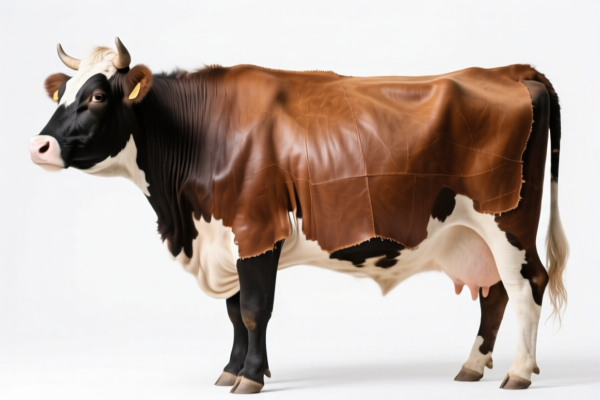
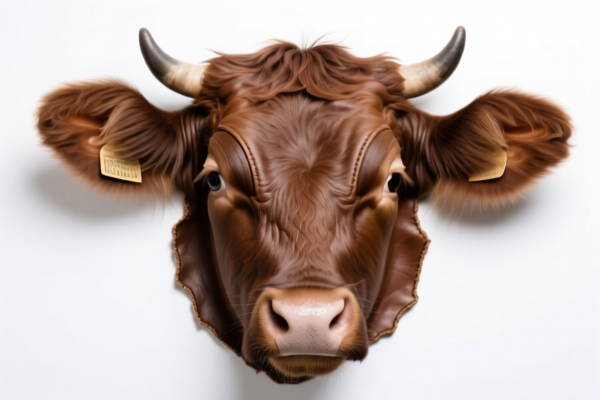
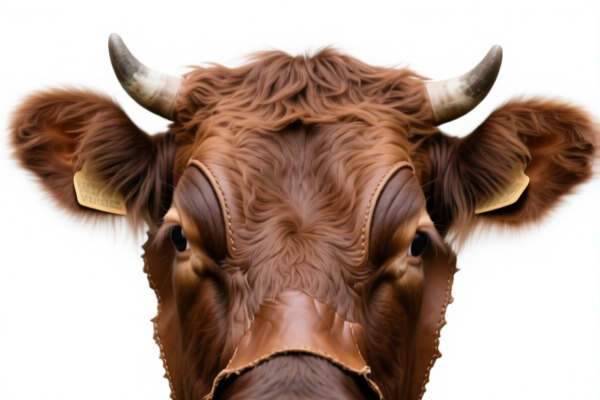
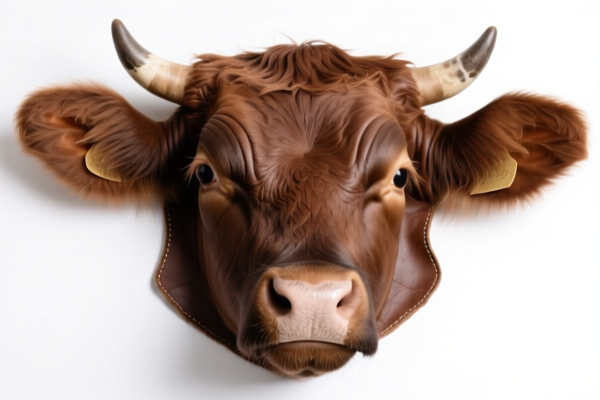
AI分析
🐑 Semi-Finished Lamb Skin (Unfinished & Tanned Skins)
🌐 HS Code Reference & Customs Clearance Guide | 2026 Latest Tariff Analysis | Professional Clearance Strategy
📌 I. Product Definition: What Exactly Is "Semi-Finished Lamb Skin"?
In international trade, "Semi-Finished Lamb Skin" is a critical intermediate good, sitting between raw hides and finished leather goods. It is NOT just a raw animal skin, nor is it a final product like a coat or glove.
It typically refers to lamb skins that have undergone specific processing steps such as salting, liming, de-hairing, or light tanning to preserve them for further manufacturing.
⚠️ Key Distinction:
- Raw Skins (Unprocessed): Fresh, salted, or dried without chemical treatment to preserve protein structure → Chapter 41 (Raw Hides & Skins).
- Semi-Finished (Tanned/Dressed): Underwent chemical processes (tanning, bleaching, dyeing) to make them stable and resistant to decay → Chapter 41 (Tanned Hides/Skins).
- Finished Leather: Further processed for specific end-uses (e.g., garment leather, upholstery leather) → Chapter 41 or 42 depending on form.
📦 II. HS Code Classification Details (2026 Latest Tariff Authority)
| HS Code | Product Description | Applicable Scenario | Processing Status |
|---|---|---|---|
4101.21.00.00 |
Raw hides of lambs, fresh, salted, or dried | Fresh lamb skins, lightly salted for transport, no tanning | ✅ Raw |
4101.29.10.00 |
Other raw hides of lambs | Unprocessed lamb skins, not fresh/salted/dried in standard form | ✅ Raw |
4103.20.00.00 |
Tanned or crust lamb skins (Semi-finished) | Lamb skins that are tanned, bleached, or dyed but not yet finished for specific end-use | ✅ Semi-Finished |
4104.31.00.00 |
Bovine leather (for comparison) | Not applicable | ❌ N/A |
4201.00.00.00 |
Saddlery and harness goods | Finished leather goods | ❌ Finished |
🔍 Critical Alert:
- "Semi-finished" in the leather industry usually points to4103.20.00.00(Tanned/Crust Skins) if they have been chemically treated to prevent rotting but are not yet dyed/painted for final use.
- If they are untreated, they fall under4101.21/29(Raw).
- Misclassification Risk: Declaring tanned skins as "raw" to avoid tariffs will result in severe penalties. Declaring raw skins as "tanned" may trigger unnecessary inspections.
💰 III. 2026 Latest Tariff Rate Details (Including Surcharges)
✅ Applicable Country: United States (US)
✅ Origin: China (CN)
✅ Effective Date: From November 10, 2025 (and subsequent imports)
🎯 1. 4103.20.00.00 —— Tanned or Crust Lamb Skins (Semi-Finished)
| Item | Content |
|---|---|
| Base Duty Rate | 4.4% (ad valorem) |
| USITC Surcharge | +25% (Under USITC Footnote 9903.88.01 for certain leather goods/components) |
| IEEPA Surcharge | +10% (Section 301 surcharge for Chinese products) |
| Total Effective Rate | ~39.4% (Calculated cumulatively on CIF value) |
| Tax Calculation | CIF Value × 39.4% |
| De Minimis Exemption | ❌ Denied (Not eligible for $800 de minimis) |
| Legal Path | IEEPA:9903.01.25 → IEEPA:9903.01.24 → USITC:4103.20.00.00 → FOOTNOTE:9903.88.01 |
📌 Explanation:
- The 25% USITC surcharge applies to specific leather articles and components under Section 301.
- The 10% IEEPA surcharge is the base Section 301 tariff for Chinese goods.
- Total ~39.4% is a high duty rate. Importers must factor this into their cost structure.
- No De Minimis: Shipments valued under $800 cannot bypass customs duties for this HS code.
🎯 2. 4101.21.00.00 —— Raw Lamb Skins (Fresh/Salted)
| Item | Content |
|---|---|
| Base Duty Rate | 0% (ad valorem) for most raw hides |
| USITC Surcharge | 0% (Generally exempt from Section 301 if truly raw) |
| IEEPA Surcharge | 0% |
| Total Effective Rate | 0% |
| Tax Calculation | CIF Value × 0% |
| De Minimis Exemption | ✅ Eligible (If < $800) |
| Legal Path | Standard Chapter 41 |
📌 Note:
- If the skins are truly raw (only salted/dried, no chemical tanning), the duty is 0%.
- However, Customs may classify them as "semi-finished" if they detect signs of tanning chemicals.
🛠️ IV. Customs Clearance Practical Advice (Real-World Pitfall Guide)
✅ 1. Required Documentation (Non-Negotiable)
| Document | Must Provide | Description |
|---|---|---|
| ✅ Product Specification Sheet | ✔️ | Detailed processing steps (e.g., "Salted," "Limed," "Chrome-Tanned") |
| ✅ Process Flow Chart | ✔️ | Crucial to prove whether it is "Raw" or "Tanned" |
| ✅ Photos of Skins | ✔️ | Show color, texture, and any chemical treatment residue |
| ✅ Commercial Invoice | ✔️ | Clearly state: "Lamb Skins, Tanned, Semi-Finished" or "Raw Lamb Skins" |
| ✅ Certificate of Origin | ✔️ | To verify origin (China) for accurate surcharge application |
| ✅ Packing List | ✔️ | Weight, quantity, and packaging type |
✅ 2. Declaration Strategy (Key Mnemonics)
🔥 "Raw is Low, Tanned is High, Prove the Process, Avoid the Lie!"
| Scenario | Correct Declaration | Incorrect Practice |
|---|---|---|
| Fresh/Salted Skins | 4101.21.00.00 |
Declaring as "Tanned" → 39.4% duty |
| Tanned/Crust Skins | 4103.20.00.00 |
Declaring as "Raw" → Severe Penalty + Back Taxes |
| Finished Leather | Check Chapter 41/42 | Misclassifying as semi-finished → Lower duty fraud |
| Small Samples (<$800) | 4101.21.00.00 (if raw) |
Declaring tanned skins under $800 → Denied De Minimis |
✅ 3. Special Cases Handling
| Scenario | Handling Advice |
|---|---|
| Mixed Shipments (Raw + Tanned) | Split Declaration! Do not mix. Raw goes to 4101, Tanned to 4103. |
| Chemical Residue Detection | If Customs detects chrome or other tanning agents, they will classify as 4103.20 regardless of claim. |
| OEM for Garment Makers | Provide end-use declaration to support "semi-finished" status, not finished goods. |
| Origin Transshipment | If skins are from China but transshipped via Vietnam, no IEEPA exemption applies unless processed substantially in Vietnam. |
🌍 V. Global Market Clearance Comparison (2026 Latest)
| Country/Region | Recommended HS Code | Duty Rate | Certification Requirement | Notes |
|---|---|---|---|---|
| 🇺🇸 USA | 4103.20.00.00 |
~39.4% | None | High surcharges for Chinese origin |
| 🇨🇳 China | 4103.20.00.00 |
10% | None | Standard import duty |
| 🇪🇺 EU | 4103.20.00.00 |
6.5% | REACH Compliance | Strict chemical regulations |
| 🇦🇺 Australia | 4103.20.00.00 |
5% | None | Moderate duty |
| 🇯🇵 Japan | 4103.20.00.00 |
5.6% | None | Low duty |
📌 Conclusion:
- USA is the most expensive market due to Section 301 & IEEPA surcharges.
- EU has strict REACH regulations on chemical residues in tanned skins.
- Asia-Pacific markets are more favorable for semi-finished leather imports.
📌 VI. Common Mistakes & Pitfalls (Blood & Tears Lessons)
❌ Mistake 1: Declaring Tanned Skins as "Raw" to save 39% duty
👉 Consequence: Customs lab test reveals chemicals → Confiscation + Fine + Blacklist
❌ Mistake 2: Mixing Raw and Tanned Skins in One Invoice
👉 Consequence: Customs rejects entire shipment → Delays + Storage Fees
❌ Mistake 3: Ignoring Chemical Residue Limits in EU
👉 Consequence: Rejected at border due to REACH non-compliance → Return or Destruction
❌ Mistake 4: Assuming De Minimis Applies to Tanned Skins
👉 Consequence: $800 shipment of tanned skins still incurs 39.4% duty → Unexpected Cost
✅ Correct Approach:
"Lamb Skins, Tanned, Chrome-Free, Semi-Finished, for Garment Manufacturing, HS 4103.20.00.00"
🎯 VII. Conclusion: Precision is Profit!
🎯 Remember the Mantra:
🔹 "Raw is Free, Tanned is 39%, Prove the Chemistry!"
🔹 "HS Code 4103 for Tanned, 4101 for Raw, Don't Gamble with Customs!"
📌 Pro Tip:
If your lamb skins are finished leather (dyed, painted, grained for final use), check Chapter 41 or Chapter 42 for different duty rates.
For China-origin semi-finished skins entering the US, consider Third-Country Transshipment (with substantial transformation) to mitigate IEEPA surcharges, but ensure compliance with Rules of Origin.
📣 Immediate Action:
📞 Contact a Customs Broker + Provide Lab Test Reports + Verify HS Code Pre-Ruling
🚀 Ensure your chemical processing is documented to avoid misclassification!
✨ Professional Clearance Starts with Accurate Classification!
💼 Every Dollar Saved Starts with the Right HS Code!
用户评价
关于 HS 编码归类
协调制度(HS)是由世界海关组织(WCO)制定的国际贸易商品分类标准。全球 200 多个国家采用 HS 系统作为海关关税、贸易统计和进出口监管的基础。
每个 HS 编码遵循以下层级结构:
- 章(2 位)——商品大类(例如:第 84 章:机器和机械设备)
- 品目(4 位)——章内的更具体分类
- 子目(6 位)——国际通用细分,所有 WCO 成员国统一使用
- 本国细分(8-10 位)——各国自行扩展的细分编码,如美国 HTSUS 10 位编码
正确的 HS 编码归类对于顺利通关、准确缴纳关税和遵守贸易法规至关重要。错误归类可能导致海关延误、多缴关税或罚款。
从CN进口到US时,适用的关税税率可能包括:
- 最惠国(MFN)税率——适用于 WTO 成员国的标准关税税率
- 普通税率——适用于无贸易协定国家
- 贸易救济关税——附加关税,如 301 条款(反倾销)、232 条款(国家安全)或反补贴税
本页内容仅供参考。如需正式归类,请咨询当地海关或持牌报关代理。