semi mechanical paper roll
CN → US| HS编码 | 关税税率 | 原产国 | 目的国 | 文档 |
|---|---|---|---|---|
| 4705000000 | 35.0% | CN | US | 官方文档 |
| 4701000000 | 10.0% | CN | US | 官方文档 |
| 4802613191 | 35.0% | CN | US | 官方文档 |
| 4802616040 | 35.0% | CN | US | 官方文档 |
商品图片
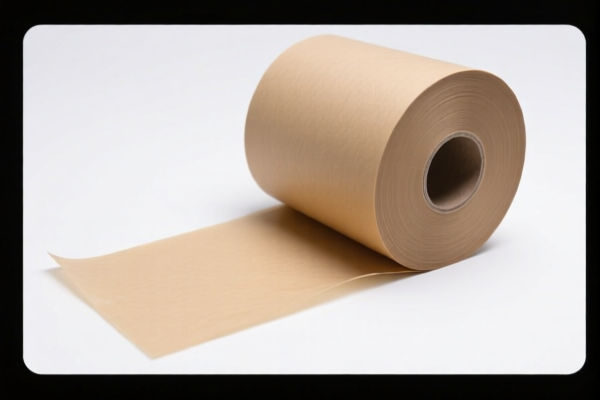

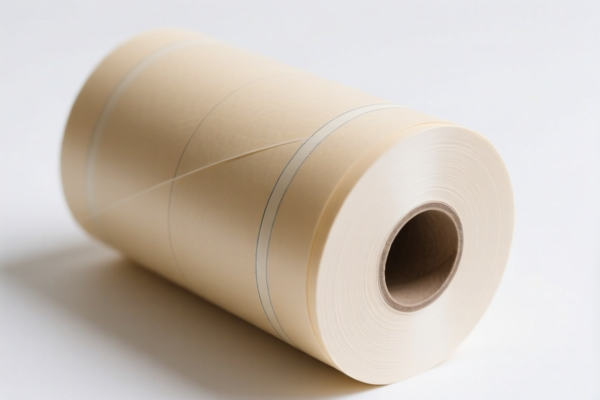
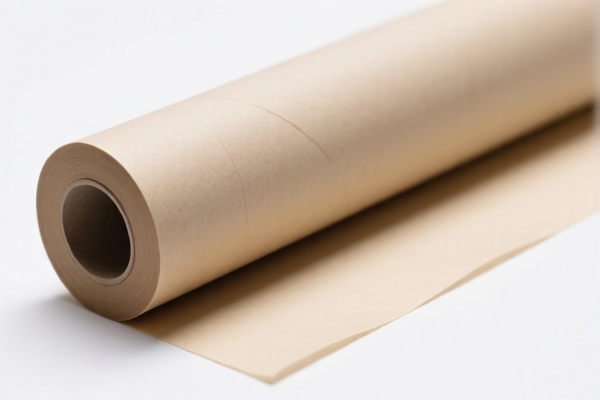
AI分析
📄 Semi-Mechanical Paper Roll
🌐 HS Code Reference & Customs Clearance Guide | 2026 Latest Tariff Analysis | Pro-Level Import Strategy
📌 One Product, Four HS Codes — Why the Tax Varies So Much!
🧩 I. Product Definition & Classification: What Is a "Semi-Mechanical Paper Roll"?
A semi-mechanical paper roll is a paper product made using a hybrid process combining mechanical and chemical pulping, resulting in fibers that are partially chemically treated but still retain significant mechanical fiber content. These rolls are typically used in non-coated printing paper, packaging, or specialty paper applications.
⚠️ Critical Distinction:
- If the pulp is predominantly mechanical (≥10% mechanical fibers) → Higher tariffs apply
- If the pulp is fully chemical or low mechanical content → Lower or zero additional tariffs
- The final product form (roll) and pulping method are key to classification.
📦 II. HS Code Breakdown (2026 Latest Tariff Authority)
| HS Code | Product Description | Key Features | Tax Rate |
|---|---|---|---|
4705.00.00.00 |
Semi-mechanical paper roll, produced via combined mechanical & chemical pulping, in roll form | Hybrid pulping process, roll-shaped, industrial-grade | 35.0% |
4701.00.00.00 |
Semi-mechanical paper roll, made from mechanical wood pulp, in roll form | Pure mechanical pulping, no chemical treatment | 10.0% |
4802.61.31.91 |
Semi-mechanical paper roll, non-coated, roll form, mechanical or chemi-mechanical process | Non-coated, roll-based, hybrid fiber structure | 35.0% |
4802.61.60.40 |
Semi-mechanical paper roll, roll form, with >10% mechanical fibers from mechanical or chemi-mechanical process | High mechanical fiber content (>10%) | 35.0% |
🔍 Why the Difference?
-4701.00.00.00is the only one with 10% tariff — it's not subject to 25% USITC or 10% IEEPA.
- The other three codes (4705.00.00.00, 4802.61.31.91, 4802.61.60.40) all trigger 35% total tariff due to additional U.S. trade actions.
💰 III. 2026 Tariff Breakdown (Detailed & Compliant)
✅ Applicable Country: United States (US)
✅ Origin: China (CN)
✅ Effective Date: November 10, 2025 (and onward)
🎯 1. 4705.00.00.00 — Hybrid Pulping, Roll Form
| Item | Detail |
|---|---|
| Base Duty | 0.0% |
| USITC Section 301 Duty | +25.0% (from USITC Footnote 9903.88.01) |
| IEEPA Emergency Duty | +10.0% (under IEEPA: 9903.01.25) |
| Total Duty | 35.0% |
| Tax Calculation | CIF Value × 35% |
| De Minimis Threshold | ❌ Not applicable (denied) |
| Legal Basis Path | IEEPA:9903.01.25 → USITC:4705.00.00.00 → FOOTNOTE:9903.88.01 |
📌 Explanation:
- This code applies to paper rolls made using both mechanical and chemical pulping, even if the chemical part is minor.
- The 25% USITC is from Section 301 — China-specific trade action.
- The 10% IEEPA is under International Emergency Economic Powers Act — applies to all Chinese-origin goods.
🎯 2. 4701.00.00.00 — Mechanical Wood Pulp, Roll Form
| Item | Detail |
|---|---|
| Base Duty | 0.0% |
| USITC Section 301 Duty | 0.0% |
| IEEPA Emergency Duty | +10.0% |
| Total Duty | 10.0% |
| Tax Calculation | CIF Value × 10% |
| De Minimis Threshold | ✅ Yes (if value ≤ $800) |
| Legal Basis Path | IEEPA:9901.25 → 4701.00.00.00 |
📌 Explanation:
- This code is exempt from the 25% USITC duty — only 10% IEEPA applies.
- Why? It's pure mechanical pulp, not a hybrid.
- Key Insight: If your product is 100% mechanical pulp, you can avoid the 25% USITC tariff — a huge savings.
🎯 3. 4802.61.31.91 — Non-Coated, Roll Form, Chemi-Mechanical Process
| Item | Detail |
|---|---|
| Base Duty | 0.0% |
| USITC Section 301 Duty | +25.0% |
| IEEPA Emergency Duty | +10.0% |
| Total Duty | 35.0% |
| Tax Calculation | CIF Value × 35% |
| De Minimis Threshold | ❌ Not applicable |
| Legal Basis Path | IEEPA:9903.01.25 → USITC:4802.61.31.91 → FOOTNOTE:9903.88.01 |
📌 Explanation:
- Applies to non-coated paper rolls made via chemi-mechanical process.
- Even if coating is absent, the pulping method triggers 35%.
- Avoid if possible — this is a high-risk code.
🎯 4. 4802.61.60.40 — Roll Form, >10% Mechanical Fibers
| Item | Detail |
|---|---|
| Base Duty | 0.0% |
| USITC Section 301 Duty | +25.0% |
| IEEPA Emergency Duty | +10.0% |
| Total Duty | 35.0% |
| Tax Calculation | CIF Value × 35% |
| De Minimis Threshold | ❌ Not applicable |
| Legal Basis Path | IEEPA:9903.01.25 → USITC:4802.61.60.40 → FOOTNOTE:9903.88.01 |
📌 Explanation:
- Threshold-based: If >10% of fibers are mechanical, this code applies.
- Even if the paper is non-coated or thin, mechanical fiber content >10% triggers 35%.
- Most dangerous code — hard to avoid if mechanical fiber is used.
🛠️ IV. Customs Clearance Tips (Pro-Level Strategies)
✅ 1. Must-Have Documentation
| Document | Required? | Why |
|---|---|---|
| ✅ Product Specifications | ✔️ | Prove pulping method, fiber content, coating status |
| ✅ Pulp Composition Report | ✔️ | Show % mechanical vs. chemical fibers |
| ✅ Factory Production Records | ✔️ | Prove process (mechanical/chemical/hybrid) |
| ✅ Product Photos (Roll, Label, Packaging) | ✔️ | Show form, size, branding |
| ✅ Commercial Invoice | ✔️ | Accurate description: "Semi-mechanical paper roll, non-coated, 100% mechanical fiber content" |
| ✅ Certificate of Origin (CO) | ✔️ | For tariff eligibility |
| ✅ Test Report (e.g., ISO 19702, TAPPI) | ✔️ | Prove fiber content |
✅ 2.申报技巧(Key Rules)
🔥 "Pulp First, Form Second, Tax Last!"
| Scenario | Correct HS Code | Wrong Code | Risk |
|---|---|---|---|
| 100% mechanical pulp, roll form | 4701.00.00.00 |
4705.00.00.00 |
Save 25%! |
| Hybrid pulping, roll form | 4705.00.00.00 or 4802.61.31.91 |
4701.00.00.00 |
+25% tax |
| >10% mechanical fibers, roll form | 4802.61.60.40 |
4701.00.00.00 |
+25% tax |
| Non-coated, roll form, hybrid process | 4802.61.31.91 |
4705.00.00.00 |
Same tax, but misleading |
✅ 3. Special Cases
| Situation | Recommendation |
|---|---|
| Pulp is 100% mechanical | Use 4701.00.00.00 → only 10% total duty |
| Fiber content <10% mechanical | Use 4802.61.31.91 or 4705.00.00.00 → still 35% |
| Coated paper roll | Not covered here — different HS code |
| Paper for printing, packaging, or industrial use | All fall under these 4 codes |
🌍 V. Global Market Comparison (2026)
| Country | Recommended HS Code | Duty | Certification | Notes |
|---|---|---|---|---|
| 🇺🇸 USA | 4701.00.00.00 (if pure mechanical) |
10% | None | Avoid 25% USITC if possible |
| 🇨🇳 China | 4701.00.00.00 |
5% | CCC | No extra duties |
| 🇪🇺 EU | 4701.00.00.00 |
0% | CE | No IEEPA/USITC |
| 🇦🇺 Australia | 4701.00.00.00 |
5% | RCM | No extra duties |
| 🇯🇵 Japan | 4701.00.00.00 |
0% | PSE | No extra duties |
📌 Insight:
- Only the U.S. applies 25% USITC + 10% IEEPA.
- If you're exporting to the U.S., the difference between 10% and 35% is massive.
📌 VI. Common Mistakes & How to Avoid Them (Real Cases)
❌ Mistake 1: Calling a hybrid pulp roll "mechanical" to avoid 25%
👉 Result: Misclassification → $50K+ in penalties
❌ Mistake 2: Not proving fiber content → Customs delays or rejection
❌ Mistake 3: Using "paper roll" in invoice without specifying pulping method
👉 Result: Automatic assignment to 35% code
✅ Correct Declaration Example:
"Semi-mechanical paper roll, non-coated, 100% mechanical wood pulp, 100% mechanical fiber content, roll form, 1000mm width, 1000m length, origin: China"
🎯 VII. Final Verdict: How to Save Thousands in Duties
✅ If your pulp is 100% mechanical → Use
4701.00.00.00→ 10% total duty
✅ If fiber content >10% mechanical → You're stuck with 35%
✅ Avoid4802.61.31.91and4802.61.60.40unless unavoidable🔥 Golden Rule:
"Prove the pulp, prove the fibers, prove the process — or pay 35%."
📣 Action Now: Protect Your Profit Margin!
📞 Contact a U.S. Customs Broker + Request HS Code Pre-Ruling
🚀 Get a legal opinion on your pulping process before shipment
💼 Avoid surprise 35% tariffs — plan like a pro!
✨ Your Paper Roll’s Fate Depends on One Line: The HS Code.
💼 Accurate classification = Lower taxes, faster clearance, zero penalties.
🎯 "Know Your Pulp, Know Your Tax — or Pay the Price!"
用户评价
关于 HS 编码归类
协调制度(HS)是由世界海关组织(WCO)制定的国际贸易商品分类标准。全球 200 多个国家采用 HS 系统作为海关关税、贸易统计和进出口监管的基础。
每个 HS 编码遵循以下层级结构:
- 章(2 位)——商品大类(例如:第 84 章:机器和机械设备)
- 品目(4 位)——章内的更具体分类
- 子目(6 位)——国际通用细分,所有 WCO 成员国统一使用
- 本国细分(8-10 位)——各国自行扩展的细分编码,如美国 HTSUS 10 位编码
正确的 HS 编码归类对于顺利通关、准确缴纳关税和遵守贸易法规至关重要。错误归类可能导致海关延误、多缴关税或罚款。
从CN进口到US时,适用的关税税率可能包括:
- 最惠国(MFN)税率——适用于 WTO 成员国的标准关税税率
- 普通税率——适用于无贸易协定国家
- 贸易救济关税——附加关税,如 301 条款(反倾销)、232 条款(国家安全)或反补贴税
本页内容仅供参考。如需正式归类,请咨询当地海关或持牌报关代理。