separable cable
CN → US| HS编码 | 关税税率 | 原产国 | 目的国 | 文档 |
|---|---|---|---|---|
| 8544429010 | 87.6% | CN | US | 官方文档 |
| 8544429090 | 87.6% | CN | US | 官方文档 |
| 8547900030 | 89.6% | CN | US | 官方文档 |
| 8547900040 | 89.6% | CN | US | 官方文档 |
商品图片
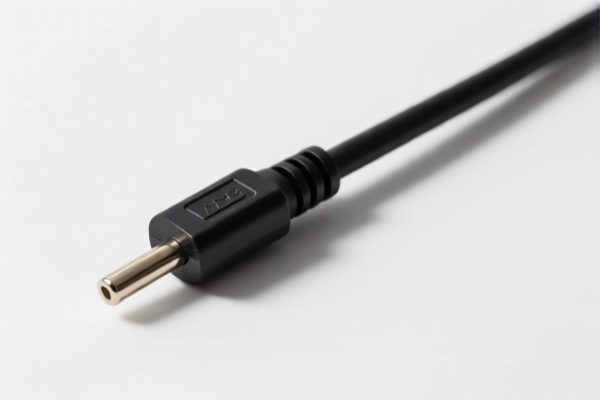
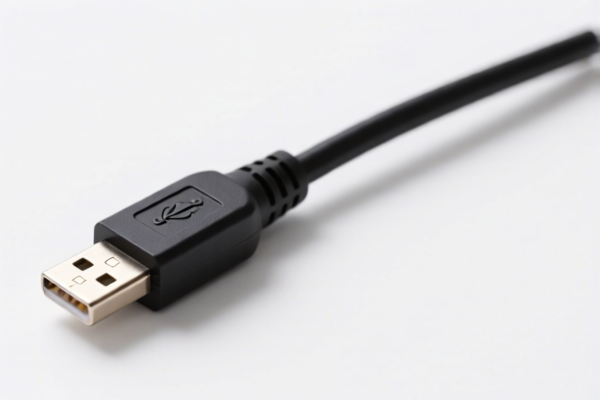
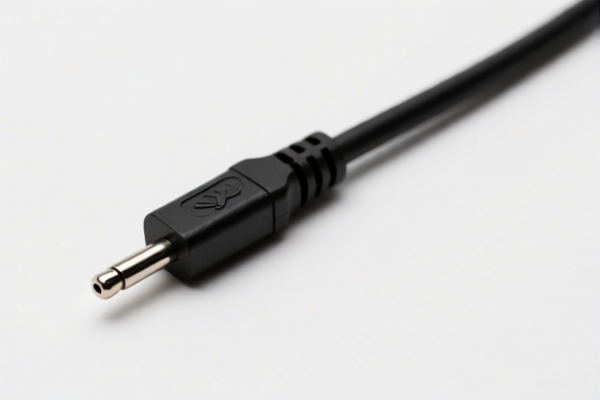
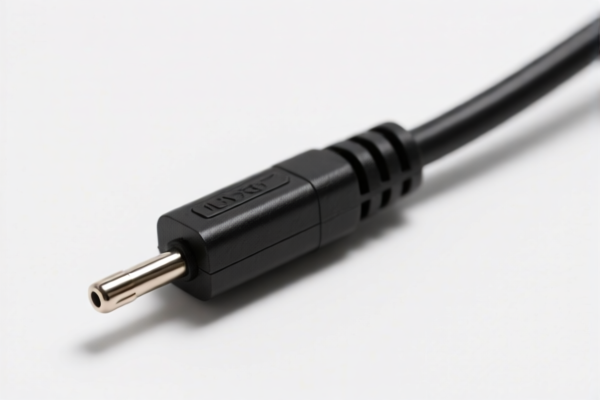
AI分析
🔌 Separable Cable: The Hidden Tariff Trap (HS Codes 8544 & 8547)
🌐 HS Code Reference & Customs Clearance Guide | 2026 Latest Tariff Analysis | Professional Clearance Strategy
📌 I. Product Definition & Classification: What is a "Separable Cable"?
In international trade, the term "Separable Cable" (or Separable Cord Set) refers to flexible electric conductors fitted with plugs and/or socket-outlets, designed to connect electrical equipment to the main power supply or to other devices. They are distinct from permanently wired connections.
The classification depends heavily on two factors: 1. Voltage: Is it low voltage (≤1000V) or high voltage (>1000V)? 2. Construction: Is it just a wire/cord with connectors (8544), or is it a metal conduit/joint system with insulation lining (8547)?
⚠️ Key Distinction:
- If it is a flexible cord with plugs/sockets (e.g., extension cords, power cords for appliances) → Chapter 8544
- If it is a rigid/flexible metal conduit with insulating lining and threaded joints → Chapter 8547
📦 II. HS Code Classification Details (2026 Latest Tariff Authority Mapping)
Based on the provided data, here are the relevant HS Codes and their specific definitions:
| HS Code | Product Description | Application Scenario | Key Features |
|---|---|---|---|
8544.42.90.10 |
Insulated Electric Conductors, ≤1000V, Fitted with Connectors, Other: Extension Cords | Standard extension cords, appliance power cords, IT equipment cables | Has plugs/sockets; Voltage ≤1000V; Defined as "Extension Cord" in Stat Note 6 |
8544.42.90.90 |
Insulated Electric Conductors, ≤1000V, Fitted with Connectors, Other: Other | Generic power cords not meeting "Extension Cord" definition, specialized cable assemblies | Has plugs/sockets; Voltage ≤1000V; Not an "Extension Cord" |
8547.90.00.30 |
Electrical Conduit Tubing & Joints, Base Metal Lined with Insulating Material: Joints: Threaded | Metal conduits with insulating lining, specifically threaded joints | Base metal conduit; Insulated lining; Threaded connection |
8547.90.00.40 |
Electrical Conduit Tubing & Joints, Base Metal Lined with Insulating Material: Joints: Other | Metal conduits with insulating lining, non-threaded joints | Base metal conduit; Insulated lining; Non-threaded connection |
🔍 Critical Note:
- 8544 covers the cables themselves (wire + insulation + connectors).
- 8547 covers conduit systems (metal tubing + insulation lining). Do not confuse a flexible power cord (8544) with a conduit system (8547).
💰 III. 2026 Latest Tariff Rate Breakdown (Including Surcharge Policies)
✅ Applicable Country: United States (US)
✅ Country of Origin: China (CN) (Note: Rates apply to Chinese-origin goods under current trade measures)
✅ Effective Time: Ongoing (Refer to specific footnote dates for updates)
🎯 1. 8544.42.90.10 —— Extension Cords (≤1000V)
| Item | Content |
|---|---|
| Base Tariff | 2.6% |
| Section 301 Surcharge (China) | +25% |
| Section 232 Surcharge (Steel/Alu/Cu) | +50% (Applicable if the cable contains significant steel, aluminum, or copper components as per trade remedy lists) |
| Total Tariff | 77.6% |
| Tax Calculation | CIF Value × 77.6% |
| De Minimis Exemption | ❌ Not Applicable (Deny De Minimis applies to Section 301 goods) |
| Legal Basis Path | HTS:8544.42.90.10 → Section 301: 25% → Section 232: 50% |
📌 Explanation:
- Base 2.6%: Standard US Most Favored Nation (MFN) rate for insulated conductors.
- +25%: Section 301 tariff on Chinese electrical goods.
- +50%: Section 232 tariff on steel, aluminum, or copper products. Note: Even if it's a cable, if the conductors or fittings are classified under steel/aluminum/copper remediation measures, this surcharge may apply. Check specific material composition.
🎯 2. 8544.42.90.90 —— Other Insulated Conductors (≤1000V)
| Item | Content |
|---|---|
| Base Tariff | 0.0% |
| Section 301 Surcharge (China) | +0.0% (Note: Data shows 0% surcharge for this specific subcode in the provided snippet) |
| Section 232 Surcharge (Steel/Alu/Cu) | +50% (If material triggers steel/aluminum/copper rules) |
| Total Tariff | 50.0% |
| Tax Calculation | CIF Value × 50.0% |
| De Minimis Exemption | ❌ Not Applicable |
| Legal Basis Path | HTS:8544.42.90.90 → Section 232: 50% |
📌 Note:
- Unlike extension cords (8544.42.90.10), this category has 0% base and 0% Section 301 (according to provided data).
- However, the 50% Section 232 surcharge remains if the product is deemed to fall under steel/aluminum/copper trade measures.
🎯 3. 8547.90.00.30 & 8547.90.00.40 —— Electrical Conduit Joints (Base Metal + Insulation)
| Item | Content |
|---|---|
| Base Tariff | 0.0% |
| Section 301 Surcharge | 0.0% |
| Section 232 Surcharge (Steel/Alu/Cu) | +50% |
| Total Tariff | 50.0% |
| Tax Calculation | CIF Value × 50.0% |
| De Minimis Exemption | ❌ Not Applicable |
📌 Applicability:
- These codes apply to rigid/flexible metal conduits with insulating linings, not flexible power cords.
- If your product is a conduit joint (e.g., threaded connector for metal wiring pipe), use these codes.
- The 50% tariff is driven by the base metal content (steel/aluminum/copper).
🛠️ IV. Customs Clearance Practical Advice (Pitfall Avoidance Guide)
✅ 1. Document Preparation Checklist (Essential for Clearance)
| Document | Required | Explanation |
|---|---|---|
| Product Specification Sheet | ✔️ | Must specify: Voltage (≤1000V?), Length, Wire Gauge (AWG), Material (Copper/Aluminum), Connector Type |
| Bill of Lading / Commercial Invoice | ✔️ | Clearly state: "Insulated Electric Conductor, Fitted with Connectors" |
| Material Composition Statement | ✔️ | Crucial for Section 232: Confirm if conductors are Copper, Aluminum, or Steel. |
| Country of Origin Certificate | ✔️ | Must indicate China if origin is CN to trigger accurate tariff calculation. |
| FCC Certification | ✔️ | For US import, electrical cables often require FCC compliance proof. |
| UL/ETL Listing | ✔️ | Highly recommended for safety compliance, though not always mandatory for entry. |
✅ 2. Classification Strategy (Key Rules)
🔥 "Wire vs. Conduit: Know the Difference!"
| Scenario | Correct HS Code | Reason |
|---|---|---|
| Power cord with plug (e.g., for a computer, lamp, extension cord) | 8544.42.90.10 or 8544.42.90.90 |
It is an insulated conductor fitted with connectors. |
| Extension Cord (defined in Stat Note 6) | 8544.42.90.10 |
Specifically designated as "Extension Cord" → Higher base tariff (2.6%) but no Section 301 (per data). |
| Metal Pipe Conduit with Insulation | 8547.90.00.30 or 8547.90.00.40 |
It is a "conduit tubing" with insulating lining. Not a flexible wire. |
| Flexible Metal Conduit (FMC) with Insulation | 8547.90.00.30/40 |
If it functions as a conduit for wiring, not as a conductive path itself. |
⚠️ Common Mistake:
- Reporting a flexible power cord as "Electrical Fitting" or "Conduit" → Classification Error.
- Reporting a conduit joint as a "Cable" → Classification Error.
✅ 3. Special Case Handling
| Situation | Recommendation |
|---|---|
| Cable contains Steel/Aluminum Conductors | Expect 50% Section 232 Surcharge. Verify material specs. |
| Product is "Partially Assembled" | If connectors are added later, classify as bare wire (8544.3x) if no connectors, or 8544.4x if fitted. |
| Mixed Shipment (Cables + Conduits) | Declare separately. Do not bundle different HS Codes in one line item. |
| Origin Non-China | If from Vietnam/Mexico, Section 301 (25%) may be eliminated. Check USMCA/ASEAN agreements. |
🌍 V. Global Market Comparison (2026 Outlook)
| Market | Recommended HS Code | Tariff (China Origin) | Certification |
|---|---|---|---|
| 🇺🇸 USA | 8544.42.90.10 / 8544.42.90.90 |
50% - 77.6% | FCC, UL |
| 🇪🇺 EU | 8544.42.90 (varies) |
4% - 6% | CE, RoHS |
| 🇨🇳 China | 8544.42.90 |
0% - 6% | CCC (if applicable) |
| 🇬🇧 UK | 8544.42.90 |
4% - 6% | UKCA |
📌 Conclusion:
- USA is the most costly market due to Section 301 (25%) and Section 232 (50%) surcharges.
- Total tax can reach 77.6% for extension cords.
- Strategic Advice: Consider Third-Country Assembly (Vietnam, Thailand, Mexico) to bypass Section 301 tariffs if feasible.
📌 VI. Common Errors & Pitfalls (Lessons Learned)
❌ Mistake 1: Classifying Extension Cords as "Other Conductors" (8544.42.90.90)
👉 Result: You might save the 2.6% base tax, but you risk misclassification penalties if it fits the Stat Note 6 definition of "Extension Cord." Plus, 8544.42.90.10 has 0% Section 301, which could be cheaper overall than 8544.42.90.90 if Section 301 applies to the latter (note: data shows 0% for both in snippet, but verify current USTR lists).
❌ Mistake 2: Ignoring Section 232 on Copper/Aluminum Cables
👉 Result: Missing the 50% surcharge. If your cable has aluminum or steel shielding, you owe 50% extra.
❌ Mistake 3: Confusing Conduit with Cable
👉 Result: Using 8547 for a power cord. Customs may reclassify and demand back taxes + penalties.
✅ Best Practice:
"Specify Voltage, Material, and Function.
Copper? Aluminum? Steel?
Wire or Conduit?
Plugged or Bare?"
🎯 VII. Conclusion: Professional Clearance Saves Money
🎯 Key Takeaway:
🔹 Extension Cords (
8544.42.90.10): 77.6% Total Tariff (2.6% Base + 25% S301 + 50% S232).
🔹 Other Conductors (8544.42.90.90): 50% Total Tariff (0% Base + 50% S232).
🔹 Conduit Joints (8547): 50% Total Tariff (0% Base + 50% S232).📌 Action Plan:
1. Verify Material: Is it Copper, Aluminum, or Steel?
2. Define Product: Is it a Cord (8544) or Conduit (8547)?
3. Check Origin: If not China, leverage FTA benefits.
4. Pre-Apply Ruling: Get an Advance Ruling from US CBP to confirm HS Code and Surcharge applicability.
📣 Immediate Action:
📞 Consult a customs broker with detailed material specs.
🚀 Optimize Supply Chain: If tariffs exceed 50%, evaluate nearshoring or third-country processing.
✨ Precision in Classification, Profit in Clearance!
💼 Every percentage point counts in today’s trade war environment.
用户评价
关于 HS 编码归类
协调制度(HS)是由世界海关组织(WCO)制定的国际贸易商品分类标准。全球 200 多个国家采用 HS 系统作为海关关税、贸易统计和进出口监管的基础。
每个 HS 编码遵循以下层级结构:
- 章(2 位)——商品大类(例如:第 84 章:机器和机械设备)
- 品目(4 位)——章内的更具体分类
- 子目(6 位)——国际通用细分,所有 WCO 成员国统一使用
- 本国细分(8-10 位)——各国自行扩展的细分编码,如美国 HTSUS 10 位编码
正确的 HS 编码归类对于顺利通关、准确缴纳关税和遵守贸易法规至关重要。错误归类可能导致海关延误、多缴关税或罚款。
从CN进口到US时,适用的关税税率可能包括:
- 最惠国(MFN)税率——适用于 WTO 成员国的标准关税税率
- 普通税率——适用于无贸易协定国家
- 贸易救济关税——附加关税,如 301 条款(反倾销)、232 条款(国家安全)或反补贴税
本页内容仅供参考。如需正式归类,请咨询当地海关或持牌报关代理。