serving tray
CN → US| HS编码 | 关税税率 | 原产国 | 目的国 | 文档 |
|---|---|---|---|---|
| 4421999880 | 38.3% | CN | US | 官方文档 |
| 4421919880 | 38.3% | CN | US | 官方文档 |
| 7323999080 | 88.4% | CN | US | 官方文档 |
| 7323999030 | 88.4% | CN | US | 官方文档 |
| 3924104000 | 13.4% | CN | US | 官方文档 |
商品图片
AI分析
🍽️ Serving Trays: The Ultimate Classification & Customs Clearance Guide (2026 Update)
🌐 HS Code Reference & Customs Strategy | Understanding the "Tray" Tax Trap | Material Matters!
📌 一、Product Definition: What Exactly is a "Serving Tray"?
A Serving Tray is a broad category of flat or slightly concave platforms used to carry dishes, drinks, or items for presentation or service. In international trade, material is king. The customs classification (HS Code) and the resulting tariff burden depend entirely on what the tray is made of.
⚠️ Critical Distinction:
- Wooden/Composite: Falls under Chapter 44 (Wood).
- Metal (Steel/Aluminum/Copper): Falls under Chapter 73 (Iron/Steel) or 76 (Aluminum), often attracting highest duties.
- Plastic: Falls under Chapter 39 (Plastics), usually with lower duties.
📦 二、HS Code Classification Matrix (Based on Provided Data)
| HS Code | Material | Product Description | Total Tax Rate* | Tax Breakdown |
|---|---|---|---|---|
| 4421.99.98.80 | Wood | Display trays (wooden or composite) | 38.3% | Base: 3.3% + Section 301: 25.0% + Section 122: 10% |
| 4421.91.98.80 | Wood | Display trays (wooden) | 38.3% | Base: 3.3% + Section 301: 25.0% + Section 122: 10% |
| 7323.99.90.80 | Iron/Steel | Wine/Display trays (metal tableware) | 88.4% | Base: 3.4% + Section 301: 25.0% + Sec 122: 10% + Steel/Al/Cu Add-on: 50% |
| 7323.99.90.30 | Metal | Wine trays (tableware) | 88.4% | Base: 3.4% + Section 301: 25.0% + Sec 122: 10% + Steel/Al/Cu Add-on: 50% |
| 3924.10.40.00 | Plastic | Wine/Display trays (plastic tableware) | 13.4% | Base: 3.4% + Section 301: 0.0% + Sec 122: 10% |
*Rates apply to imports from China to the US. "Section 122" refers to specific US trade actions.
💰 三、Deep Dive into Tax Structures
🎯 1. Wooden Trays (4421.99.98.80 & 4421.91.98.80)
- Total Rate: 38.3%
- Breakdown:
- Base Duty: 3.3%
- Section 301 (Trump Tariff): 25.0%
- Section 122 Duties: 10.0%
- Analysis: Wooden trays are heavily taxed due to recent trade policies. While the base duty is low, the additive tariffs push the cost to nearly 40%.
🎯 2. Metal/Steel Trays (7323.99.90.80 & 7323.99.90.30)
- Total Rate: 88.4% ⚠️ HIGHEST RISK
- Breakdown:
- Base Duty: 3.4%
- Section 301: 25.0%
- Section 122: 10.0%
- Steel/Aluminum/Copper Add-on: 50%
- Analysis: This is the most expensive category. The 50% surcharge on steel/aluminum products is catastrophic for margins. Metal wine trays are particularly vulnerable.
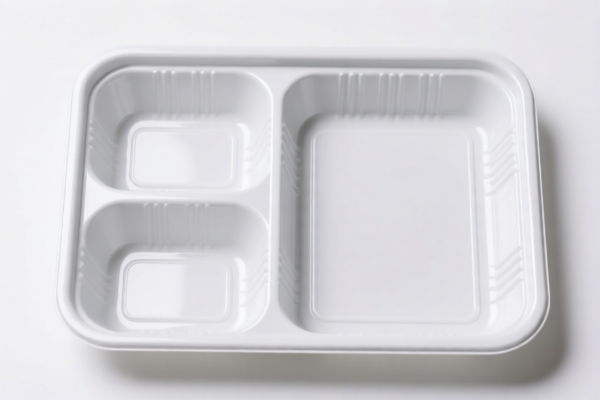
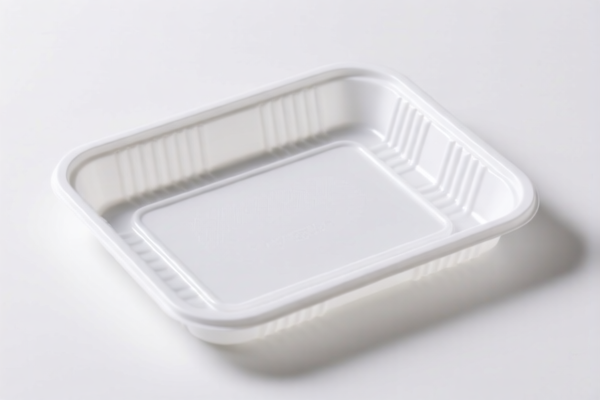
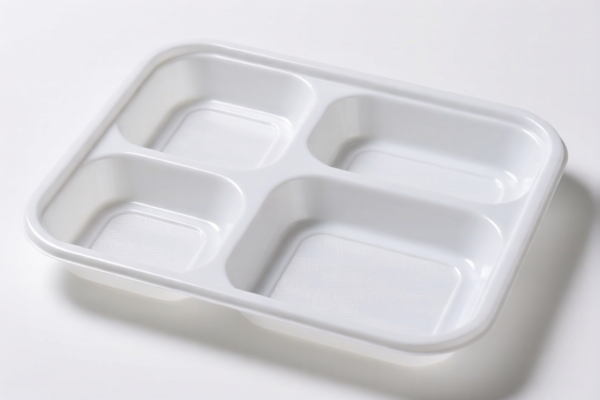
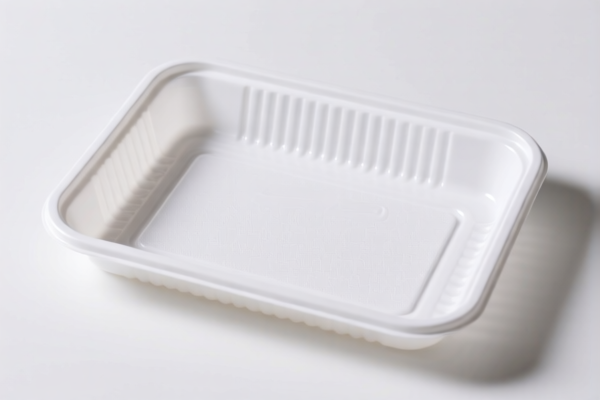
🎯 3. Plastic Trays (3924.10.40.00)
- Total Rate: 13.4% ✅ MOST ECONOMICAL
- Breakdown:
- Base Duty: 3.4%
- Section 301: 0.0% (Plastics are currently exempt from this specific layer in this dataset)
- Section 122: 10.0%
- Analysis: Plastic trays offer the lowest landed cost. If your brand can switch materials without losing quality perception, this is the optimal choice for price-sensitive markets.
🛠️ 四、Customs Clearance Strategy & Compliance
✅ 1. Documentation Requirements
To ensure smooth clearance and avoid reclassification (which could trigger higher taxes), provide:
| Document | Requirement |
|---|---|
| Product Composition Statement | Explicitly state material: e.g., "100% Bamboo," "Stainless Steel 304," "Polypropylene Plastic." |
| Function Description | Define use: "Tabletop serving," "Wine bottle holder," "Retail display." |
| Photos | Clear images showing the material texture and structure. |
| HS Code Justification | Reference the specific HS code and explain why it fits (e.g., "Used as tableware, not construction material"). |
✅ 2. Material Switching Strategy
- If you are currently importing Metal Trays:
Consider switching to Plastic or Wood if the product design allows. The tax difference is ~75% (88.4% vs 13.4% or 38.3%).- Action: Conduct a cost-benefit analysis. Even if plastic is cheaper to produce, ensure it meets durability standards for your market.
- If you must use Metal:
Be prepared for the 88.4% duty. Factor this into your pricing strategy. Ensure the "Steel/Aluminum/Copper" classification is accurate; if it’s actually brass or bronze, it might still fall under the 50% add-on.
✅ 3. Avoiding Misclassification Pitfalls
- Don’t call it "Furniture": Wooden trays might look like small furniture. If classified as furniture, duties could be even higher or subject to different regulations. Stick to "Wooden Articles" or "Tableware."
- Don’t under-declare Material: If a tray has a wooden base and metal handles, it may be classified by the primary material or as a composite. Clearly declare the composition.
- Section 122 Specifics: Ensure your supplier confirms the Country of Origin is China. If transshipped via Vietnam/Malaysia, additional scrutiny and potential duties apply unless substantial transformation is proven.
🌍 五、Global Market Comparison (Contextual)
| Market | Wooden Trays | Metal Trays | Plastic Trays | Notes |
|---|---|---|---|---|
| 🇺🇸 USA | 38.3% | 88.4% | 13.4% | Highest risk for Steel/Aluminum due to 50% add-on. |
| 🇪🇺 EU | Varies (usually 4-10%) | Varies (usually 3-8%) | Varies (usually 3-6%) | No Section 301/122 equivalent. Generally lower taxes. |
| 🇨🇳 China | 0-10% | 0-10% | 0-10% | Import duties into China are generally lower for these items. |
| 🇬🇧 UK | Varies | Varies | Varies | Post-Brexit tariffs apply, but no US-style punitive add-ons. |
📌 Key Insight: The US market is uniquely hostile to Chinese steel/aluminum goods. If your target is primarily North America, Plastic or Wood is strongly recommended for serving trays.
📌 六、Common Errors & Best Practices
❌ Error 1: Classifying a Steel Tray as "Furniture" or "Miscellaneous"
👉 Risk: Customs may reclassify it to 7323, triggering the 88.4% tax and penalties.
❌ Error 2: Ignoring Section 122 Duties
👉 Risk: Even if Section 301 (25%) seems negotiable or exempt, Section 122 (10%) may still apply. Always calculate the Total Tax.
❌ Error 3: Vague Product Descriptions
👉 Risk: "Tray" is too generic. Use "Plastic Serving Tray" or "Steel Wine Bottle Holder" to help customs officers match the correct HS Code quickly.
✅ Best Practice:
"Material + Function + HS Code Pre-Ruling"
Always get an Advance Ruling from CBP (US Customs) if you are unsure about the material classification, especially for mixed-material trays.
🎯 七、Conclusion: Strategic Recommendation
🎯 For US Imports:
1. Avoid Steel/Aluminum Trays unless absolutely necessary due to the 88.4% tax burden.
2. Prioritize Plastic Trays for cost efficiency (13.4%).
3. Wooden Trays are a middle ground (38.3%) but offer a premium, eco-friendly perception.
🚀 Action Plan:
Step 1: Audit your current product line. Identify metal trays.
Step 2: Calculate the margin impact of an 88.4% tax vs. 13.4% (Plastic) or 38.3% (Wood).
Step 3*: If switching to Plastic/Wood is not feasible, consider sourcing from non-China origins to avoid Section 301/122 duties (check Free Trade Agreements).
📣 Need Help?
📞 Consult a Customs Broker: Confirm the exact HS Code for your specific product design.
📄 Request a Binding Ruling: Protect your business from unexpected tax hikes.
✨ Smart Classification = Higher Profits!
💼 Don’t let 88% tariffs eat your margin. Choose wisely.
用户评价
关于 HS 编码归类
协调制度(HS)是由世界海关组织(WCO)制定的国际贸易商品分类标准。全球 200 多个国家采用 HS 系统作为海关关税、贸易统计和进出口监管的基础。
每个 HS 编码遵循以下层级结构:
- 章(2 位)——商品大类(例如:第 84 章:机器和机械设备)
- 品目(4 位)——章内的更具体分类
- 子目(6 位)——国际通用细分,所有 WCO 成员国统一使用
- 本国细分(8-10 位)——各国自行扩展的细分编码,如美国 HTSUS 10 位编码
正确的 HS 编码归类对于顺利通关、准确缴纳关税和遵守贸易法规至关重要。错误归类可能导致海关延误、多缴关税或罚款。
从CN进口到US时,适用的关税税率可能包括:
- 最惠国(MFN)税率——适用于 WTO 成员国的标准关税税率
- 普通税率——适用于无贸易协定国家
- 贸易救济关税——附加关税,如 301 条款(反倾销)、232 条款(国家安全)或反补贴税
本页内容仅供参考。如需正式归类,请咨询当地海关或持牌报关代理。