sheepskin
CN → US| HS编码 | 关税税率 | 原产国 | 目的国 | 文档 |
|---|---|---|---|---|
| 4102103000 | 12.0% | CN | US | 官方文档 |
| 4102293000 | 19.5% | CN | US | 官方文档 |
| 4301300000 | 10.0% | CN | US | 官方文档 |
| 4301900000 | 10.0% | CN | US | 官方文档 |
| 6216009000 | 21.3% | CN | US | 官方文档 |
| 4203294000 | 47.6% | CN | US | 官方文档 |
| 4203295000 | 47.6% | CN | US | 官方文档 |
商品图片
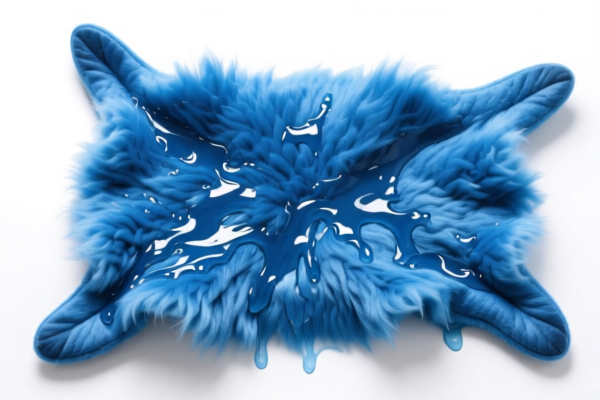
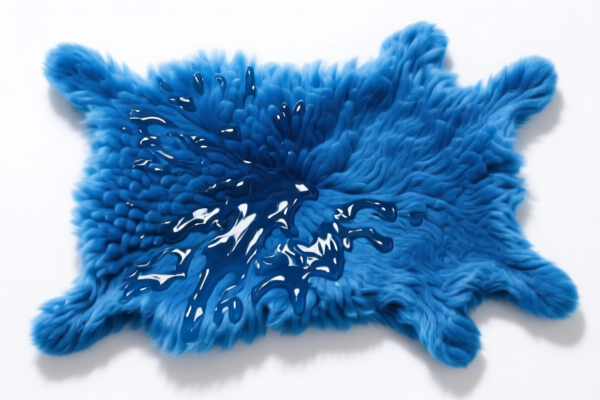
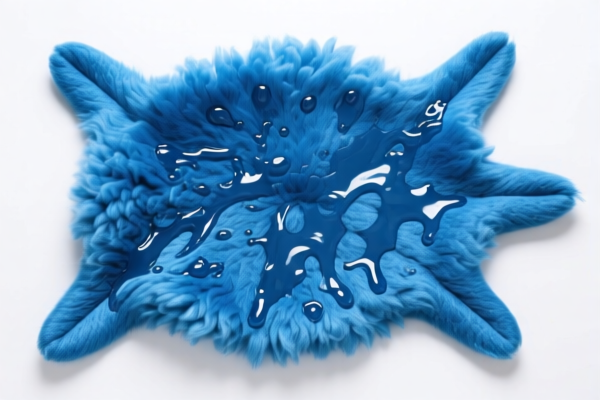
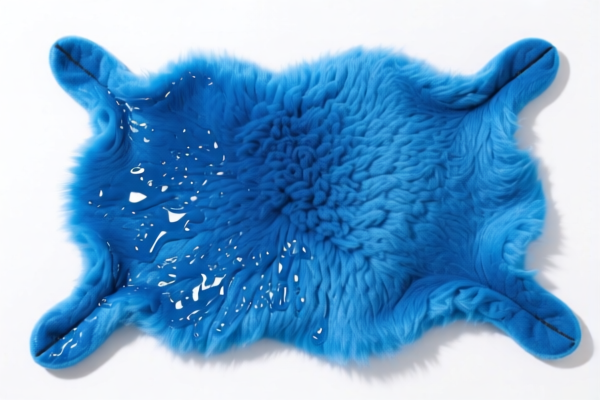
AI分析
🐑 Sheepskin (Raw Hides, Tanned Pelts, and Gloves)
🌐 HS Code Reference & Clearance Guide | 2026 Latest Tariff Analysis | Professional Entry Strategy
📌 I. Product Definition & Classification: Do You Really Understand "Sheepskin"?
Sheepskin is a versatile raw material used in diverse industries, ranging from high-end fashion and footwear to automotive interiors and industrial insulation. In international trade, its classification is strictly determined by its processing state (raw vs. tanned) and its final form (raw pelt vs. manufactured goods like gloves).
Key Classification Distinctions:
- Raw Hides (Untanned): Unprocessed skins from sheep or lambs, suitable only for further tanning.
- Tanned Pelts (Furskins): Preserved skins retaining their wool/fur, used for clothing, rugs, or luxury goods.
- Manufactured Goods: Finished products such as gloves, where the material is secondary to the form/function.
⚠️ Critical Differentiator:
- If the skin is untanned and raw → It falls under Chapter 41 (Raw Hides & Skins).
- If the skin is tanned and retains wool → It falls under Chapter 43 (Furskins).
- If it is cut and sewn into gloves → It falls under Chapter 62 (Apparel & Accessories).
📦 II. HS Code Classification Details (Based on Provided Data)
| HS Code | Product Description | Application Scenario | Processing Status | Total Tax Rate |
|---|---|---|---|---|
4102.10.30.00 |
Sheepskin, Matched Success | Raw sheepskin, direct material correspondence | ✅ Raw (Untanned) | 12.0% |
4102.29.30.00 |
Sheepskin, Sheep/Lamb Origin | Raw sheep/lamb skins, untanned, uncurried | ✅ Raw (Untanned) | 19.5% |
4301.30.00.00 |
Sheepskin/Lamb Skin (Pelts) | Tanned pelts, classified as fur skin trade goods | ✅ Tanned (Wool Retained) | 10.0% |
4301.90.00.00 |
Other Furskins | General fur skins used by furriers/traders | ✅ Tanned (Wool Retained) | 10.0% |
6216.00.90.00 |
Sheepskin Gloves | Finished gloves made of sheepskin | ✅ Finished Product | 21.3% |
🔍 Key Insight:
- Raw vs. Tanned:4102codes are for untanned skins.4301codes are for tanned skins (fur). Do not confuse them; misclassification leads to immediate customs delays.
- Form Matters: Once the sheepskin is cut and sewn into a specific item like gloves, it loses its identity as a "raw material" and becomes a "manufactured good" (6216), significantly changing the tax burden.
💰 III. 2026 Latest Tariff Rate Breakdown (Including Additional Taxes & Policy Surcharges)
✅ Applicable Country: United States (US)
✅ Origin: China (CN)
✅ Effective Date: Current 2026 Tariff Schedule
🎯 1. 4102.10.30.00 – Raw Sheepskin (General Match)
| Item | Content |
|---|---|
| Base Tariff | 2.0% |
| Additional Tariff (Section 301/Trade War) | 0.0% |
| Section 122 Tariff | 10.0% |
| Total Tax Rate | 12.0% |
| Tax Calculation | CIF Value × 12.0% |
| De Minimis Exemption | ❌ Not Applicable (High-value raw materials usually excluded or scrutinized) |
| Legal Basis Path | USITC:4102.10.30.00 → Section 122: 10% |
📌 Explanation:
- The Base Tariff is low (2%) because raw agricultural by-products are often treated lightly.
- The Section 122 Tariff (10%) is a specific surcharge applied to certain imports, likely related to national security or strategic material reserves.
- No Section 301 tariffs apply here, making this the most cost-effective entry for raw, untanned sheepskin.
🎯 2. 4102.29.30.00 – Raw Sheep/Lamb Skins
| Item | Content |
|---|---|
| Base Tariff | 2.0% |
| Additional Tariff (Section 301/Trade War) | 7.5% |
| Section 122 Tariff | 10.0% |
| Total Tax Rate | 19.5% |
| Tax Calculation | CIF Value × 19.5% |
| De Minimis Exemption | ❌ Not Applicable |
| Legal Basis Path | USITC:4102.29.30.00 → Section 301: 7.5% → Section 122: 10% |
📌 Note:
- This code applies specifically to sheep or lamb raw skins.
- It attracts a 7.5% Section 301 additional tariff, bringing the total to 19.5%.
- Comparison: This is 7.5% higher than4102.10.30.00. Ensure your product description matches the exact biological classification (Sheep vs. Lamb) to avoid overpaying or underpaying.
🎯 3. 4301.30.00.00 – Tanned Sheep/Lamb Pelts
| Item | Content |
|---|---|
| Base Tariff | 0.0% |
| Additional Tariff (Section 301/Trade War) | 0.0% |
| Section 122 Tariff | 10.0% |
| Total Tax Rate | 10.0% |
| Tax Calculation | CIF Value × 10.0% |
| De Minimis Exemption | ❌ Not Applicable |
| Legal Basis Path | USITC:4301.30.00.00 → Section 122: 10% |
📌 Explanation:
- Base Tariff is 0% because tanned furskins often enjoy preferential treatment in base schedules.
- However, the Section 122 Tariff (10%) still applies, resulting in a flat 10% rate.
- Strategy: If you are importing tanned pelts (for jackets, linings), this is the cheapest option (10%) compared to raw sheepskin (12%or19.5%).
🎯 4. 4301.90.00.00 – Other Furskins (General Category)
| Item | Content |
|---|---|
| Base Tariff | 0.0% |
| Additional Tariff (Section 301/Trade War) | 0.0% |
| Section 122 Tariff | 10.0% |
| Total Tax Rate | 10.0% |
| Tax Calculation | CIF Value × 10.0% |
| De Minimis Exemption | ❌ Not Applicable |
| Legal Basis Path | USITC:4301.90.00.00 → Section 122: 10% |
📌 Note:
- This is a "catch-all" for furskins not specified elsewhere.
- Same tax burden as4301.30.00.00(10%). Use this only if4301.30.00.00is not applicable due to specific processing differences.
🎯 5. 6216.00.90.00 – Sheepskin Gloves
| Item | Content |
|---|---|
| Base Tariff | 3.8% |
| Additional Tariff (Section 301/Trade War) | 7.5% |
| Section 122 Tariff | 10.0% |
| Total Tax Rate | 21.3% |
| Tax Calculation | CIF Value × 21.3% |
| De Minimis Exemption | ❌ Not Applicable |
| Legal Basis Path | USITC:6216.00.90.00 → Section 301: 7.5% → Section 122: 10% |
📌 Critical Warning:
- Finished goods attract the highest tax rate (21.3%).
- Unlike raw materials or semi-processed pelts, gloves are considered finished apparel/accessories.
- They are subject to both Section 301 (7.5%) and Section 122 (10%) surcharges on top of the base tariff (3.8%).
- DO NOT ship gloves as "raw sheepskin" to avoid tariffs. This is customs fraud and will result in severe penalties.
🛠️ IV. Customs Clearance Practical Advice (Pitfall Avoidance Guide)
✅ 1. Preparation Checklist (Non-Negotiable)
| Document | Required | Description |
|---|---|---|
| ✅ Product Specification Sheet | ✔️ | Must clearly state: "Untanned" or "Tanned," "Wool Retained" or "Sheared," "Sheep" or "Lamb." |
| ✅ Photos of Raw Material | ✔️ | Show cross-section of skin, wool texture, and any treatment markings. |
| ✅ Bill of Lading | ✔️ | Ensure commodity description matches HS Code exactly (e.g., "Raw Sheep Skins" vs. "Tanned Sheep Pelts"). |
| ✅ Commercial Invoice | ✔️ | Must specify material composition: "100% Sheepskin, Tanned, With Wool." |
| ✅ Origin Certificate | ✔️ | Essential for verifying country of origin for Section 301/122 assessments. |
✅ 2. Declaration Strategy (Key Mnemonics)
🔥 "Raw is Ch.41, Tanned is Ch.43, Gloves are Ch.62 – Get the Chapter Right!"
| Scenario | Correct HS Code | Incorrect Declaration | Consequence |
|---|---|---|---|
| Untanned, Raw Skin | 4102.10.30.00 or 4102.29.30.00 |
"Sheepskin Leather" | Delayed clearance; potential reclassification to 4102 with different tax. |
| Tanned Pelt (Wool On) | 4301.30.00.00 |
"Raw Sheepskin" | Overpayment! Raw skins (4102) have higher base tariffs or different surcharges. |
| Sheepskin Gloves | 6216.00.90.00 |
"Sheepskin Material" | Customs Fraud! High penalty risk; goods may be seized. |
| Mixed Parcel (Gloves + Raw Skins) | Separate Lines | Mixed Description | Rejection! Each item must be declared separately with distinct HS Codes. |
✅ 3. Special Case Handling
| Case | Handling Advice |
|---|---|
| OEM Custom Pelts | Provide design specs to prove "Tanned" status. If untreated, declare as Raw (4102). |
| Sheared vs. Wool Retained | If wool is removed (sheared), it may fall under different 4102 subheadings. Ensure description matches physical state. |
| Gloves with Leather Trim | Declare as "Gloves" (6216) if gloves constitute the essential character. Do not split into "Leather" + "Glove Parts." |
| Samples for Testing | Even samples must be declared with correct HS Code. Mislabeling samples as "Gifts" to avoid Section 122 is risky. |
🌍 V. Global Market Comparison (2026 Update)
| Country/Region | Recommended HS Code | Tariff Rate | Certification | Notes |
|---|---|---|---|---|
| 🇺🇸 USA | 4301.30.00.00 (Tanned) |
10.0% | None | Cheapest for Tanned. Section 122 applies. |
| 🇺🇸 USA | 6216.00.90.00 (Gloves) |
21.3% | None | Highest Tax. Section 301 + 122. |
| 🇨🇳 China | 4301.30.00.00 |
10-13% | None | Varies by import/export policy. |
| 🇪🇺 EU | 4301.10.00 (Sheep) |
3-10% | REACH | CITES not required for farmed sheep. |
| 🇯🇵 Japan | 4301.30.00 |
0-3% | Phytosanitary | Strict animal health checks for raw skins. |
📌 Conclusion:
- For Raw Material Importers: Target Tanned Pelts (4301) for the lowest rate (10%).
- For Manufacturers: Factor in the 21.3% tariff for gloves if shipping directly to the US. Consider assembling outside China if tariffs are prohibitive.
- Raw Sheepskin (4102) is a middle ground: cheaper than gloves but more expensive than tanned pelts due to Section 301 surcharges on lamb skins.
📌 VI. Common Errors & Pitfalls (Lessons Learned)
❌ Error 1: Declaring Tanned Pelts as Raw Skins (4102)
👉 Result: Incorrect tax assessment (12-19% vs 10%). If caught, back taxes + fines.
❌ Error 2: Declaring Gloves as Raw Leather/Skins
👉 Result: Customs Fraud. High probability of seizure, heavy fines, and loss of import privileges.
❌ Error 3: Missing "Wool Retained" Specification
👉 Result: Customs may classify as "Leather" (no wool) instead of "Furskin," leading to wrong HS Code and delays.
❌ Error 4: Ignoring Section 122 Tariff
👉 Result: Unexpected 10% cost on ALL sheepskin products (raw, tanned, or gloves). Budget accordingly.
✅ Correct Practice:
"Tanned Sheep Pelts, Wool Retained, For Jacket Lining, HS 4301.30.00.00"
"Sheepskin Gloves, Fully Lined, HS 6216.00.90.00"
🎯 VII. Conclusion: Precision Coding Saves Money!
🎯 Remember the Rule:
🔹 "Raw is 41, Tanned is 43, Gloves are 62."
🔹 "Tanned Pelts are Cheapest (10%), Gloves are Most Expensive (21.3%)."
🔹 "Always Declare Section 122 (10%) – It Applies to ALL Sheepskin."
📌 Pro Tip:
If you are importing large volumes of raw sheepskin, consider processing (tanning) in a third country (e.g., Turkey, Italy) to change the country of origin or processing status, potentially avoiding US Section 301 tariffs. However, Section 122 may still apply depending on the final good's classification.
📣 Immediate Action:
📞 Consult a Customs Broker for pre-classification ruling.
🚀 Accurate Description = Faster Clearance = Lower Costs.
✨ Professional Clearance, Starts with Precise Classification!
💼 Your Profit Margin Depends on the Correct HS Code!
用户评价
关于 HS 编码归类
协调制度(HS)是由世界海关组织(WCO)制定的国际贸易商品分类标准。全球 200 多个国家采用 HS 系统作为海关关税、贸易统计和进出口监管的基础。
每个 HS 编码遵循以下层级结构:
- 章(2 位)——商品大类(例如:第 84 章:机器和机械设备)
- 品目(4 位)——章内的更具体分类
- 子目(6 位)——国际通用细分,所有 WCO 成员国统一使用
- 本国细分(8-10 位)——各国自行扩展的细分编码,如美国 HTSUS 10 位编码
正确的 HS 编码归类对于顺利通关、准确缴纳关税和遵守贸易法规至关重要。错误归类可能导致海关延误、多缴关税或罚款。
从CN进口到US时,适用的关税税率可能包括:
- 最惠国(MFN)税率——适用于 WTO 成员国的标准关税税率
- 普通税率——适用于无贸易协定国家
- 贸易救济关税——附加关税,如 301 条款(反倾销)、232 条款(国家安全)或反补贴税
本页内容仅供参考。如需正式归类,请咨询当地海关或持牌报关代理。