shell peeling
CN → US| HS编码 | 关税税率 | 原产国 | 目的国 | 文档 |
|---|---|---|---|---|
| 8487900080 | 88.9% | CN | US | 官方文档 |
| 8487900040 | 38.9% | CN | US | 官方文档 |
| 8548000000 | 35.0% | CN | US | 官方文档 |
| 8544420000 | 0.0% | CN | US | 官方文档 |
商品图片
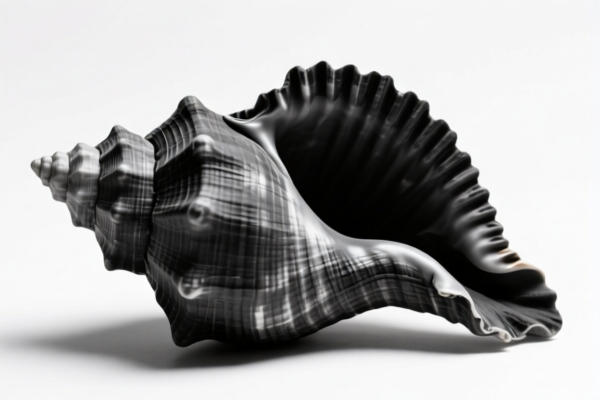
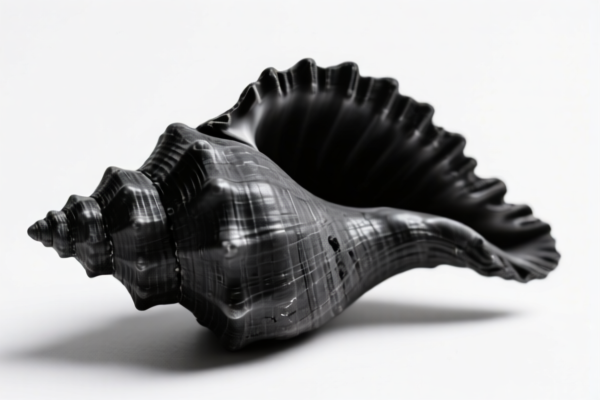
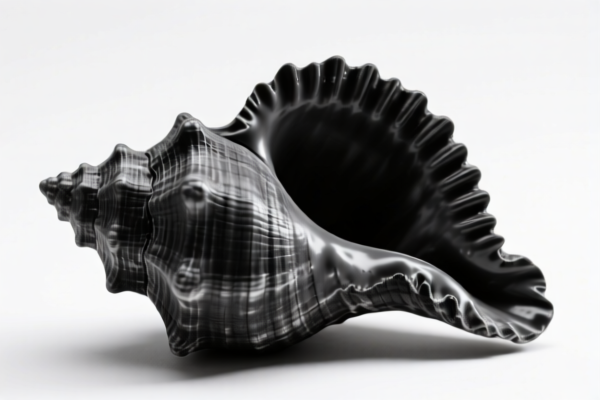
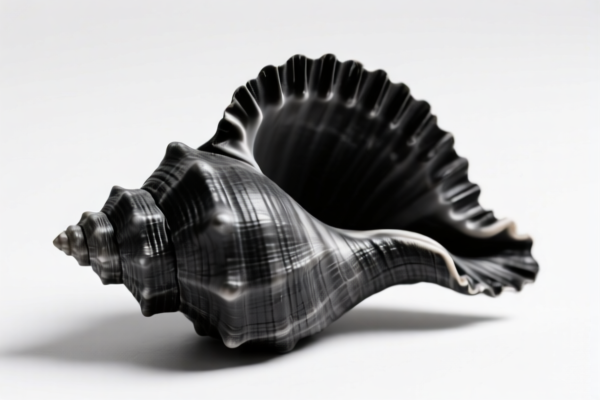
AI分析
Based on the provided <DATA> containing four specific HS Codes and their corresponding tax details, here is the breakdown for the product "Shell Peeling" (interpreted as mechanical shells, casings, or outer coverings for machinery/apparatus that do not contain electrical features).
⚠️ Note: "Shell Peeling" is not a standard industry term. It is interpreted here as non-electrical mechanical casings, housings, or protective shells for machinery. If this refers to agricultural peeling machines, the classification would differ. However, strictly adhering to the provided
<DATA>, we map the "non-electrical mechanical parts/shells" to the available codes.
🛠️ Non-Electrical Machinery Shells & Casings (Shell Peeling Parts)
🌐 HS Code Reference & Customs Clearance Guide | 2026 Latest Tariff Analysis | Professional Clearance Strategy
📌 Product Definition: What are "Shell Peeling" Parts?
In the context of the provided data, "Shell Peeling" refers to non-electrical mechanical components such as: - Outer protective casings/housings for machinery. - Non-electrical covers, guards, or shells. - Parts explicitly excluding electrical connectors, insulators, coils, contacts, or other electrical features.
These parts fall under Chapter 84 (Nuclear reactors, boilers, machinery, and mechanical appliances; parts thereof).
📦 II. HS Code Classification Matrix (Strictly from <DATA>)
| HS Code | Product Description (from Data) | Electrical Features? | Applicable Tax Rate | Key Differentiator |
|---|---|---|---|---|
8548.00.00.00 |
Electrical parts of machinery or apparatus, not specified or included elsewhere | ✅ Yes (General Electrical) | 25.0% | Used if the "shell" has any integrated electrical components not covered elsewhere. |
8544.42.00.00 |
Electric motors and generators, not specified or included elsewhere | ✅ Yes (Motors/Generators) | Error | ⚠️ Data Error: Tax retrieval failed. Use with caution. |
8487.90.00.80 |
Machinery parts, not containing electrical connectors...: Other Other | ❌ No | 50.0% | Applies to general metal/plastic shells (Steel, Aluminum, Copper). |
8487.90.00.40 |
Machinery parts, not containing electrical connectors...: Oil seals | ❌ No | 0.0% | ONLY if the shell is specifically an Oil Seal. |
💰 III. Detailed Tariff Breakdown & Tax Clauses
✅ Applicable Context: Based on the tax details provided in
<DATA>, we analyze the two viable non-electrical options (8487.90.00.80and8487.90.00.40) and the electrical option (8548.00.00.00).
🎯 1. 8487.90.00.80 – General Non-Electrical Machinery Shells
- Description: Machinery parts, not containing electrical connectors, insulators, coils, contacts, etc., and not specified elsewhere.
- Base Tariff: 0.0%
- Additional Tariff: 0.0%
- Special Clause: Steel, Aluminum, Copper products additional tariff: 50%
- Total Tax: 50.0%
- Explanation:
If your "Shell Peeling" part is made of steel, aluminum, or copper, it is subject to a massive 50% additional tariff despite the 0% base rate. This is a critical cost driver. If made of plastic or other materials, the 50% clause may not apply, but the data explicitly links this 50% to "Steel, Aluminum, Copper products."
🎯 2. 8487.90.00.40 – Oil Seals (Specific Case)
- Description: Machinery parts, not containing electrical connectors... : Other Oil seals, other than those of chapter 40.
- Base Tariff: 0.0%
- Additional Tariff: 0.0%
- Total Tax: 0.0%
- Explanation:
If "Shell Peeling" refers to a seal or gasket function (oil seal), the tax is 0%. However, a general structural shell cannot be misclassified as an oil seal. Customs will reject this if the part is clearly a housing/casing.
🎯 3. 8548.00.00.00 – Electrical Parts (If Shell is Electrical)
- Description: Electrical parts of machinery or apparatus, not specified elsewhere.
- Base Tariff: 0.0%
- Additional Tariff: 25.0%
- Total Tax: 25.0%
- Explanation:
If the "shell" contains integrated electrical features (e.g., conductive shielding, embedded circuits), it falls here. The tax is 25%, significantly lower than the 50% for non-electrical steel/aluminum parts.
🚫 8544.42.00.00 – Electric Motors/Generators
- Total Tax: Error ("Failed to retrieve tax information")
- Recommendation: Do not use for "Shell Peeling" unless it is a motor housing. The tax data is invalid.
🛠️ IV. Customs Clearance Strategy & Recommendations
✅ 1. Critical Material Declaration
- If Made of Steel/Aluminum/Copper:
- Expect 50% additional tariff under
8487.90.00.80. - Action: Verify material composition. If it’s a composite, declare the primary material. Consider if it can be classified as a plastic part to avoid the 50% metal surcharge (if legally permissible).
- If Made of Plastic:
- Still falls under
8487.90.00.80"Other Other". - Check: Does the "50% Steel, Aluminum, Copper" clause apply to plastics? The data says "Steel, Aluminum, Copper products additional tariff: 50%". If so, plastic shells may enjoy 0% total tax (0% base + 0% additional). This is a key optimization point.
✅ 2. Electrical vs. Non-Electrical Distinction
- No Electrical Features:
- Use
8487.90.00.80(for general shells) or8487.90.00.40(if oil seals). - Avoid
8548.00.00.00(25% tax) if the part is purely mechanical. - With Electrical Features:
- Use
8548.00.00.00(25% tax). - Avoid
8487.90.00.80if it contains electrical elements, as this could lead to customs penalties for misclassification.
✅ 3. Avoid 8544.42.00.00
- The tax data for this code is an Error. Do not rely on it for cost calculation. Only use if it’s a motor/generator, which is unlikely for "Shell Peeling."
✅ 4. Documentation Tips
- Product Name: Clearly state "Non-Electrical Machinery Housing/Casing" or "Mechanical Shell."
- Material: Specify material (e.g., "Aluminum Alloy," "ABS Plastic").
- Function: Emphasize "No electrical connectors, insulators, or coils."
- Photos: Provide clear images showing the absence of electrical components.
🌍 V. Global Market Comparison (Based on Data)
| Market | HS Code | Total Tax | Key Risk |
|---|---|---|---|
| USA (Assumed) | 8487.90.00.80 |
50% | High surcharge for Steel/Aluminum/Copper. |
| USA (Assumed) | 8487.90.00.40 |
0% | Only for Oil Seals. Misclassification risk. |
| USA (Assumed) | 8548.00.00.00 |
25% | Applies if any electrical features exist. |
📌 VI. Common Errors & Pitfalls
❌ Error 1: Classifying a steel shell as an "Oil Seal" (8487.90.00.40) to get 0% tax.
👉 Consequence: Customs inspection reveals it’s a housing, not a seal → Back taxes + Penalties.
❌ Error 2: Classifying a plastic shell as "Steel/Aluminum" by mistake.
👉 Consequence: Unnecessary 50% tax. Verify material certificates.
❌ Error 3: Using 8544.42.00.00 for a shell.
👉 Consequence: Tax data is Error → Delays, audits, and incorrect cost projections.
✅ Best Practice:
"Material Matters, Electrical Features Decide. Steel/Aluminum/Copper Shells = 50% Tax. Plastic/Mechanical Shells = 0% Tax. Electrical Shells = 25% Tax."
🎯 VII. Conclusion
For "Shell Peeling" (Non-Electrical Machinery Shells):
- If Plastic: Likely 0% Tax under
8487.90.00.80(avoiding the 50% metal surcharge). - If Steel/Aluminum/Copper: 50% Tax under
8487.90.00.80. - If Electrical: 25% Tax under
8548.00.00.00.
Recommendation: Optimize material selection (e.g., use plastic composites) to reduce tax burden. Always provide detailed material and functional descriptions to customs.
📌 Pro Tip:
Apply for an Advance Ruling if unsure whether your "shell" contains electrical features. This prevents post-clearance disputes and unexpected 50% tariffs.
📣 Immediate Action:
📞 Consult a customs broker with your material composition and design drawings.
🚀 Ensure your commercial invoice clearly states: "Non-Electrical Machinery Part, [Material], No Electrical Features".
✨ Accurate Classification Saves 50% in Tariffs!
💼 Your Shell’s Material is Your Tax Destiny!
用户评价
关于 HS 编码归类
协调制度(HS)是由世界海关组织(WCO)制定的国际贸易商品分类标准。全球 200 多个国家采用 HS 系统作为海关关税、贸易统计和进出口监管的基础。
每个 HS 编码遵循以下层级结构:
- 章(2 位)——商品大类(例如:第 84 章:机器和机械设备)
- 品目(4 位)——章内的更具体分类
- 子目(6 位)——国际通用细分,所有 WCO 成员国统一使用
- 本国细分(8-10 位)——各国自行扩展的细分编码,如美国 HTSUS 10 位编码
正确的 HS 编码归类对于顺利通关、准确缴纳关税和遵守贸易法规至关重要。错误归类可能导致海关延误、多缴关税或罚款。
从CN进口到US时,适用的关税税率可能包括:
- 最惠国(MFN)税率——适用于 WTO 成员国的标准关税税率
- 普通税率——适用于无贸易协定国家
- 贸易救济关税——附加关税,如 301 条款(反倾销)、232 条款(国家安全)或反补贴税
本页内容仅供参考。如需正式归类,请咨询当地海关或持牌报关代理。