shirt
CN → US| HS编码 | 关税税率 | 原产国 | 目的国 | 文档 |
|---|---|---|---|---|
| 6205202026 | 37.2% | CN | US | 官方文档 |
| 6105100030 | 37.2% | CN | US | 官方文档 |
| 6206303045 | 32.9% | CN | US | 官方文档 |
| 6205302030 | 0.0% | CN | US | 官方文档 |
| 6117909030 | 32.1% | CN | US | 官方文档 |
商品图片
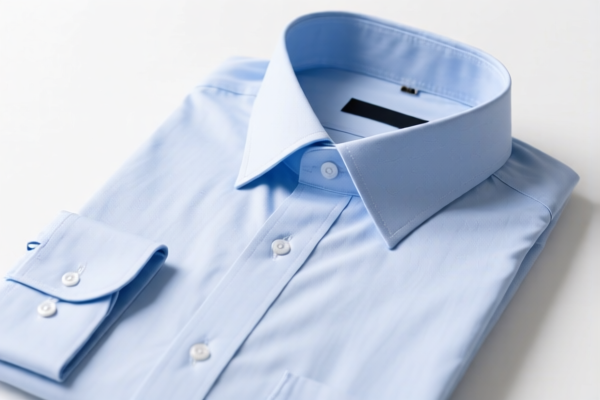
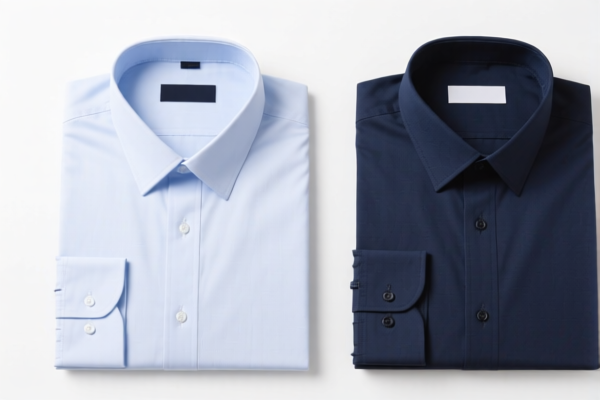
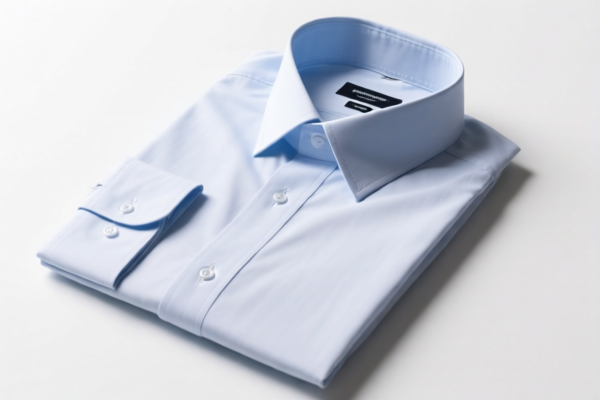
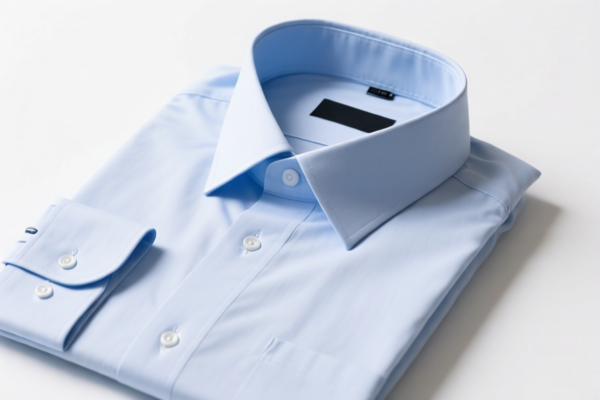
AI分析
Here is the comprehensive, Wiki-style guide for the Shirt product, based strictly on the provided data.
👔 Shirt (Men's & Women's) – Global Tariff & HS Code Master Guide (2026 Edition)
🚀 Fast-Track Clearance Strategy | High-Risk Tariff Analysis | Professional Classification Guide
🌐 Introduction: Are You Sure You Know What a "Shirt" Is?
In the complex world of international trade, a "Shirt" is not just a piece of clothing. It is a high-stakes classification challenge where a single missing detail (like material composition) can trigger massive tariff spikes or customs delays.
Based on the latest 2026 US Import Data, shirts are categorized primarily by Fabric Composition (Cotton, Man-Made) and Construction Method (Knitted vs. Woven).
⚠️ CRITICAL WARNING:
- Knitted shirts (like T-shirts) fall under Chapter 61.
- Woven shirts (like dress shirts) fall under Chapter 62.
- Missing Material Info? The system infers "Cotton" or "Other," but this is risky. Always declare material!
- Accessories? Shirt collars have their own code (6117.90.90.30).
📦 I. HS Code Classification Matrix (2026 Data Breakdown)
Below is the precise classification based on Product Shape, Material Inference, and Tax Logic.
| HS Code | Product Description (Inferred) | Construction/Type | Material Logic | Total Tax Rate |
|---|---|---|---|---|
| 6205.20.20.26 | Men's Woven Shirt | Woven, Cotton-based | Based on shape match, inferred Cotton | 37.2% |
| 6105.10.00.30 | Men's Knitted Shirt | Knitted (T-shirt style) | Shape consistent, material inferred | 37.2% |
| 6206.30.30.45 | Women's Woven Shirt | Woven, Cotton-based | Matches form, inferred Cotton (Fallback) | 32.9% |
| 6205.30.20.30 | Men's Woven Shirt (Mixed) | Woven, Other/Unknown | Fits form, inferred as "Other" category | 29.1¢/kg + 35.9% |
| 6117.90.90.30 | Shirt Collar | Accessory/Part | Matches use/shape, inferred Man-Made Fiber | 32.1% |
🔍 Key Insight:
- 61xx Series: Knitted garments (Stretchy, T-shirt fabric).
- 62xx Series: Woven garments (Crisp, Button-down fabric).
- 6117 Series: Parts and accessories (e.g., separate collars, cuffs).
💰 II. Deep Dive: Tax Rate Analysis & Legal Breakdown
🇺🇸 Target Market: United States
🇨🇳 Origin: China
📅 Effective: Current Trade Measures (Section 301 & 122)
🎯 1. The "Cotton Woven" Heavyweight (6205.20.20.26 & 6206.30.30.45)
- Base Duty: 19.7% (Standard MFN rate)
- Section 301 (Additional): +7.5% (Targeted trade barrier)
- Section 122 (Reciprocal): +10.0% (Newest retaliatory tariff)
- 🔥 TOTAL TAX: 37.2% (For 6205) / 32.9% (For 6206)
- Legal Path:
Base Tariff (19.7%)→Sec 301 (7.5%)→Sec 122 (10%)
💡 Why the difference?
Women's woven shirts (6206) have a slightly lower base duty (15.4%) compared to Men's (6205at 19.7%), resulting in a 32.9% total vs 37.2%.
🎯 2. The "Unknown Material" Trap (6205.30.20.30)
- Structure: 29.1 cents per kg (Specific Duty) + 25.9% (Ad Valorem).
- Note: NO Section 301 surcharge (0.0%), but YES Section 122 (10%).
- Total Effective Rate: ~35.9% (Variable based on weight/value ratio).
- ⚠️ Risk: If your shirt is actually 100% Cotton but declared "Other," you might pay a higher specific duty. Always declare Cotton!
🎯 3. The Accessory Loophole (6117.90.90.30)
- Product: Shirt Collars (Standalone).
- Base Duty: 14.6%
- Section 301: +7.5%
- Section 122: +10.0%
- Total: 32.1%
- Logic: Inferred as "Man-Made Fiber" (Synthetic) due to "Fallback Logic" for accessories.
🛠️ III. Customs Clearance Strategy: How to Avoid Delays & Fines
✅ 1. Declaration Best Practices (The "Golden Rule")
Do NOT just write "Shirt" on the commercial invoice. You must be specific.
❌ BAD:
Shirt, 100 pieces, China Origin✅ GOOD:Men's Woven Shirt, 100% Cotton, Class: 6205.20, Origin: CN
| Declaration Field | Required Info | Why? |
|---|---|---|
| Product Name | "Woven Shirt" vs. "Knitted Shirt" | Determines Chapter 61 vs. 62. |
| Material | "100% Cotton" or "90% Poly/10% Elastane" | Prevents "Inference" errors that trigger audits. |
| Weight | Gross & Net Weight (kg) | Critical for 6205.30 specific duty calculations. |
| HS Code | 8-10 digits (e.g., 6205.20.20.26) | Ensures correct tax matrix application. |
✅ 2. Critical "Inference" Traps to Avoid
- The "Missing Material" Trap: If you omit material, Customs will infer it (e.g., as Cotton). If your product is actually Polyester, you may face misdeclaration penalties or a different tax rate than calculated.
- The "Collar" Trap: Do not declare a standalone collar as a "Shirt." Declare it as
6117.90.90.30. If you miss this, you risk paying the wrong tax or a "parts" audit. - The "Section 122" Surprise: Ensure you understand the 10% Section 122 tariff. It applies to almost all shirt categories in the dataset provided.
✅ 3. Documentation Checklist
| Document | Status | Purpose |
|---|---|---|
| Commercial Invoice | ✅ Mandatory | Must list HS Code, Material %, and Unit Price. |
| Packing List | ✅ Mandatory | Weight verification for specific duty items. |
| Bill of Lading | ✅ Mandatory | Origin confirmation. |
| Material Test Report | 🟡 Highly Recommended | Proves "Cotton" vs. "Man-Made" to avoid inference disputes. |
| Labeling | ✅ Mandatory | Fiber content label must match declaration. |
🚨 IV. Common Pitfalls & "Real Life" Scenarios
| Scenario | Mistake | Consequence |
|---|---|---|
| "Just a Shirt" | Declaring generic "Shirt" without material | Customs infers "Cotton" → Tax Audit if wrong. |
| "Knit vs. Woven" | Saying "Knitted" but packing "Woven" fabric | HS Code Mismatch → 100% Seizure Risk. |
| "Separate Collar" | Declaring collar as part of shirt | Undervaluation → Potential fraud accusation. |
| "100% Cotton" | Declaring Cotton but fabric is Blended | Duty Evasion → Fines + Retrospective Tax. |
📌 V. Expert Conclusion: The "Tax & Trade" Verdict
- High Tax Environment: Almost all shirts imported from China face ~32% to 37% total tariffs due to the combination of Base Duty + Sec 301 (7.5%) + Sec 122 (10%).
- Material is King: The difference between 32.9% and 37.2% is often just the gender of the wearer or the exact fabric blend. Accuracy saves money.
- No Magic Tricks: There is no "De Minimis" exemption for these items (as per the data,
deny_de_minimisapplies). Every shirt counts toward the tariff wall.
🚀 Pro Tip: If you are shipping Knitted T-shirts (
6105.10.00.30), you are in the same high-tax bracket as woven shirts. Do not expect lower rates based on style alone.
📢 Final Advice:
Prepare your Material Certificate and Detailed Invoice before booking freight. A single missing decimal in the HS Code or a vague material description can turn a $10,000 shipment into a $3,700 tax bill overnight.
🔒 Secure Your Clearance Today.
Precision Classification = Profit Protection.
用户评价
关于 HS 编码归类
协调制度(HS)是由世界海关组织(WCO)制定的国际贸易商品分类标准。全球 200 多个国家采用 HS 系统作为海关关税、贸易统计和进出口监管的基础。
每个 HS 编码遵循以下层级结构:
- 章(2 位)——商品大类(例如:第 84 章:机器和机械设备)
- 品目(4 位)——章内的更具体分类
- 子目(6 位)——国际通用细分,所有 WCO 成员国统一使用
- 本国细分(8-10 位)——各国自行扩展的细分编码,如美国 HTSUS 10 位编码
正确的 HS 编码归类对于顺利通关、准确缴纳关税和遵守贸易法规至关重要。错误归类可能导致海关延误、多缴关税或罚款。
从CN进口到US时,适用的关税税率可能包括:
- 最惠国(MFN)税率——适用于 WTO 成员国的标准关税税率
- 普通税率——适用于无贸易协定国家
- 贸易救济关税——附加关税,如 301 条款(反倾销)、232 条款(国家安全)或反补贴税
本页内容仅供参考。如需正式归类,请咨询当地海关或持牌报关代理。