shoe covers laboratory special
CN → US| HS编码 | 关税税率 | 原产国 | 目的国 | 文档 |
|---|---|---|---|---|
| 6217909095 | 32.1% | CN | US | 官方文档 |
| 6217909085 | 32.1% | CN | US | 官方文档 |
| 3926201020 | 10.0% | CN | US | 官方文档 |
| 6402915020 | 47.5% | CN | US | 官方文档 |
商品图片
AI分析
👟 Lab Shoe Covers (Laboratory Special Use)
🌐 HS Code Reference & Customs Clearance Guide | 2026 Latest Tariff Analysis | Professional Clearance Strategy
📌 I. Product Definition & Classification: Do You Truly Understand "Lab Shoe Covers"?
Laboratory shoe covers are critical personal protective equipment (PPE) used in cleanrooms, pharmaceutical factories, and research labs. In international trade, their classification depends heavily on material composition and functional intent. They fall into two main categories:
- Textile/Apparel Accessories: Made from synthetic fibers (e.g., non-woven fabric, polypropylene), intended to protect clothing.
- Plastic/Rubber Goods: Made from PVC, PE, or rubber, intended primarily as disposable covers or barriers.
⚠️ Key Distinction Point:
- If the material is plastic/rubber (e.g., clear PVC shoe covers) → Classified under Chapter 39 (Plastics) or Chapter 64 (Footwear).
- If the material is man-made fibers/textile (e.g., blue non-woven booties) → Classified under Chapter 62 (Clothing Accessories).
📦 II. HS Code Classification Details (2026 Latest Tariff Authority Comparison)
| HS Code | Product Description | Application Scenario | Material Type |
|---|---|---|---|
6217.90.90.95 |
Parts of clothing; other made-up clothing accessories | Laboratory anti-static shoe covers, textile-based | Synthetic Fibers / Textile |
6217.90.90.85 |
Other made-up clothing accessories; for other uses | Laboratory anti-static shoe covers, inferred as artificial fiber | Artificial Fiber / Textile |
3926.20.10.20 |
Articles of plastic; shoe covers | Laboratory anti-static shoe covers, plastic material | Plastic (PVC/PE) |
6402.91.50.20 |
Footwear with upper of plastic or synthetic rubber | Laboratory anti-static shoe covers, plastic/rubber shell | Plastic / Synthetic Rubber |
🔍 Key Reminder:
- Plastic/Rubber materials often trigger Chapter 39 or Chapter 64. - Textile/Synthetic Fiber materials fall under Chapter 62 as "accessories." - Misclassification can lead to drastic tariff differences (from 10% to 47.5%).
💰 III. 2026 Latest Tariff Rate Breakdown (Including Surcharges, Policy Add-ons)
✅ Applicable Country: United States (US)
✅ Origin: China (CN)
✅ Effective Date: 2025/2026 (Current Trade Policy)
🎯 1. 6217.90.90.95 & 6217.90.90.85 — Textile-Based Lab Shoe Covers
| Item | Content |
|---|---|
| Base Tariff | 14.6% (Ad Valorem) |
| Section 301 Surcharge | +7.5% (Additional duties on Chinese goods) |
| Section 122 Tariff | +10% (Specific penalty tariff for certain textiles/apparel) |
| Total Tariff Rate | 32.1% |
| Calculation Basis | CIF Value × 32.1% |
| De Minimis Eligibility | ❌ No (Generally not applicable for this volume/type) |
| Legal Basis Path | HTSUS:6217.90.90 → Section 301 List 4 → Section 122 |
📌 Explanation:
- These codes classify shoe covers made of textiles or synthetic fibers. - The 32.1% total rate includes base duty, 301 surcharge, and the specific 122 penalty. - Warning: Section 122 is a punitive tariff often applied to circumvented textiles/apparel. Ensure your product description clearly states "Laboratory Use" to argue against misclassification as general apparel.
🎯 2. 3926.20.10.20 — Plastic Shoe Covers (Most Common for Disposable Clear Covers)
| Item | Content |
|---|---|
| Base Tariff | 0.0% |
| Section 301 Surcharge | 0.0% |
| Section 122 Tariff | +10% |
| Total Tariff Rate | 10.0% |
| Calculation Basis | CIF Value × 10.0% |
| De Minimis Eligibility | ⚠️ Check Carefully (Often exempt for low-value de minimis, but Section 122 may override) |
| Legal Basis Path | HTSUS:3926.20.10 → Section 122 |
📌 Key Advantage:
- This is the lowest tariff rate among the options. - Applicable if the shoe cover is primarily plastic (e.g., PVC, PE) and not considered a "footwear" or "textile accessory." - Crucial: Must be clearly defined as "Plastic Shoe Cover" and not "Footwear."
🎯 3. 6402.91.50.20 — Plastic/Rubber Shoe Covers (Classified as Footwear)
| Item | Content |
|---|---|
| Base Tariff | 37.5% |
| Section 301 Surcharge | 0.0% |
| Section 122 Tariff | +10% |
| Total Tariff Rate | 47.5% |
| Calculation Basis | CIF Value × 47.5% |
| De Minimis Eligibility | ❌ No |
| Legal Basis Path | HTSUS:6402.91.50 → Section 122 |
⚠️ High Risk Warning:
- This code classifies the product as "Footwear" (even if it's just a cover). - The base tariff is very high (37.5%). - Avoid this classification unless the product is structurally identical to footwear (e.g., heavy-duty rubber boots with uppers). For disposable covers, this is usually an incorrect classification.
🛠️ IV. Customs Clearance Practical Advice (Real-World Pitfall Guide)
✅ 1. Documentation Checklist (Must-Haves)
| Document | Required | Notes |
|---|---|---|
| ✅ Product Specification Sheet | ✔️ | Must specify material (e.g., "100% PVC" or "Non-woven Polypropylene"). |
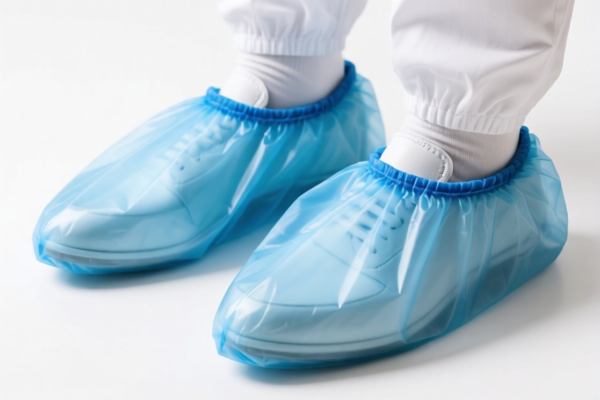
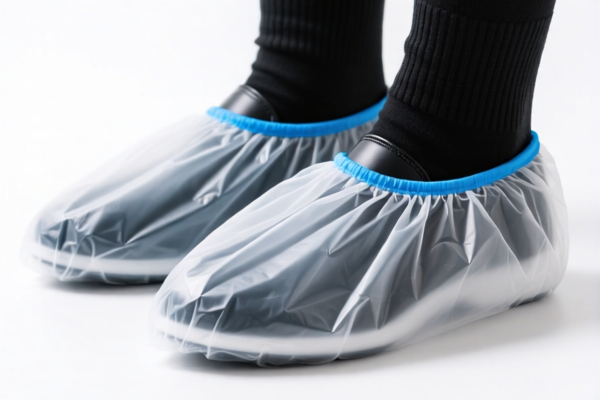
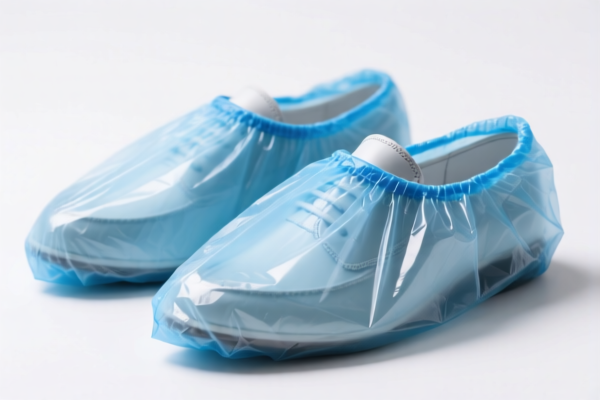
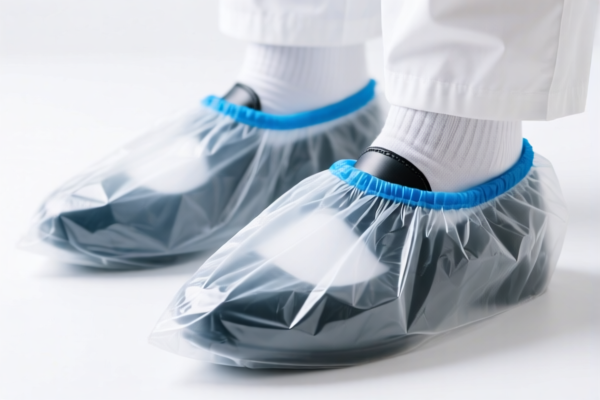
| ✅ Product Photos | ✔️ | Clear images showing the item is a cover (loose fit) not a shoe (structured sole). |
| ✅ Commercial Invoice | ✔️ | Use precise description: "Disposable Laboratory Anti-Static Shoe Cover, Material: [Plastic/Textile], Unit: Pair." |
| ✅ Origin Certificate | ✔️ | Required for Section 301 verification. |
| ✅ Usage Declaration | ✔️ | State clearly: "For laboratory use only, not for general fashion footwear." |
✅ 2. Declaration Tips (Critical for Tariff Optimization)
🔥 "Material is King, Structure is Queen"
| Scenario | Correct HS Code | Risk of Misclassification |
|---|---|---|
| Clear Plastic/PVC Cover | 3926.20.10.20 |
✅ Low Risk (10% Total) |
| Non-Woven Fabric Cover | 6217.90.90.95 |
✅ Moderate Risk (32.1% Total) |
| Shaped Rubber Bootie | 6402.91.50.20 |
❌ High Risk (47.5% Total) |
| Mixed Material (Sole + Cover) | Case-by-Case | ❌ Complex, may fall under Footwear |
📌 Strategy:
- If your product is a disposable, loose-fitting cover, insist on3926.20.10.20(Plastic) or6217.90.90.95(Textile). - Never declare as "Footwear" (6402...) unless it has a rigid sole and heel structure. This saves 37.5% in base duties.
✅ 3. Special Handling
| Situation | Recommendation |
|---|---|
| Anti-Static Properties | Mention "Anti-Static" in description to justify lab use, but do not let it override material classification. |
| Reinforced Soles | If the cover has a hard plastic sole, it MUST be classified under 6402 or 3926 depending on sole material, but be prepared for higher scrutiny. |
| OEM/White Label | Ensure invoice lists the actual material, not just "Shoe Covers." |
🌍 V. Global Market Clearance Comparison (2026 Latest)
| Country/Region | Recommended HS Code | Tariff Rate | Certification | Notes |
|---|---|---|---|---|
| 🇺🇸 USA | 3926.20.10.20 |
10.0% | No specific | Best for plastic covers. Avoid 6402 (47.5%). |
| 🇺🇸 USA | 6217.90.90.95 |
32.1% | No specific | For textile covers. High due to Section 122. |
| 🇨🇳 China | 6217.90.90 |
~5-10% | CCC (if applicable) | Import into China has different rules. |
| 🇪🇺 EU | 3926.20 or 6217 |
0-4.5% | CE (if PPE) | No Section 301/122 equivalent. |
| 🇯🇵 Japan | 3926.20 or 6217 |
3-5% | PSE (if electronic) | Moderate tariffs. |
📌 Conclusion:
- USA is the most challenging market due to Section 122 and 301 tariffs. - Plastic covers (3926...) are the most cost-effective for US import (10% vs 32.1% or 47.5%). - Textile covers (6217...) are significantly taxed due to protectionist policies.
📌 VI. Common Errors & Pitfall Guide (Lessons Learned)
❌ Error 1: Declaring plastic shoe covers as "Footwear" (6402)
👉 Result: 47.5% tariff instead of 10%.
👉 Fix: Prove it is a "cover" (no structured heel/sole).
❌ Error 2: Declaring textile covers as "Plastic Articles" (3926)
👉 Result: Customs rejection or audit for misdescription.
👉 Fix: Match material exactly. If it's non-woven fabric, use 6217.
❌ Error 3: Ignoring Section 122 for textile goods
👉 Result: Unexpected 10% penalty on top of 32.1% total.
👉 Fix: Budget for 32.1% if using textile-based shoe covers.
✅ Correct Declaration Example:
"Disposable Laboratory Anti-Static Shoe Cover, Material: 100% Polyethylene (Plastic), For Cleanroom Use, Not Fashion Footwear."
🎯 VII. Conclusion: Professional Classification, Cost Savings!
🎯 Remember the Golden Rule:
🔹 "Plastic Cover = 10% | Textile Cover = 32.1% | Footwear = 47.5%"
🔹 "Material Defines Code, Function Defines Description."
📌 Pro Tip:
If you are importing large volumes, consider Advance Rulings from CBP (US Customs) for your specific product sample. This provides legal certainty and prevents surprise audits.
📣 Immediate Action:
📞 Verify your material composition.
📦 Adjust your commercial invoice description.
🚀 Clear Customs Smoothly, Maximize Profit!
✨ Professional Clearance Starts with Accurate Classification!
💼 Every Percentage Point Saves You Money!
用户评价
关于 HS 编码归类
协调制度(HS)是由世界海关组织(WCO)制定的国际贸易商品分类标准。全球 200 多个国家采用 HS 系统作为海关关税、贸易统计和进出口监管的基础。
每个 HS 编码遵循以下层级结构:
- 章(2 位)——商品大类(例如:第 84 章:机器和机械设备)
- 品目(4 位)——章内的更具体分类
- 子目(6 位)——国际通用细分,所有 WCO 成员国统一使用
- 本国细分(8-10 位)——各国自行扩展的细分编码,如美国 HTSUS 10 位编码
正确的 HS 编码归类对于顺利通关、准确缴纳关税和遵守贸易法规至关重要。错误归类可能导致海关延误、多缴关税或罚款。
从CN进口到US时,适用的关税税率可能包括:
- 最惠国(MFN)税率——适用于 WTO 成员国的标准关税税率
- 普通税率——适用于无贸易协定国家
- 贸易救济关税——附加关税,如 301 条款(反倾销)、232 条款(国家安全)或反补贴税
本页内容仅供参考。如需正式归类,请咨询当地海关或持牌报关代理。