shoes hs code 6402993135
CN → US| HS编码 | 关税税率 | 原产国 | 目的国 | 文档 |
|---|---|---|---|---|
| 6405100090 | 27.5% | CN | US | 官方文档 |
| 6402914050 | 16.0% | CN | US | 官方文档 |
| 6402996930 | 58.0% | CN | US | 官方文档 |
| 6403999071 | 20.0% | CN | US | 官方文档 |
| 6402996960 | 58.0% | CN | US | 官方文档 |
商品图片
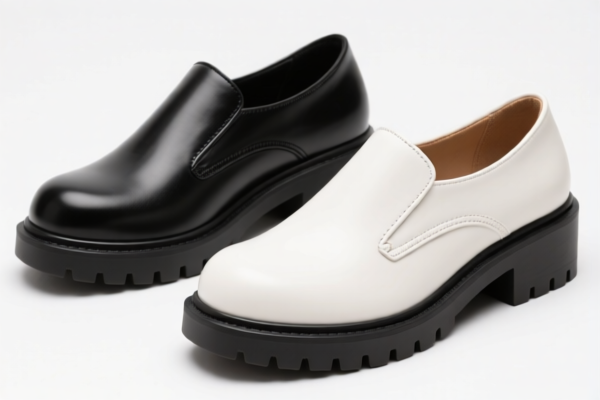
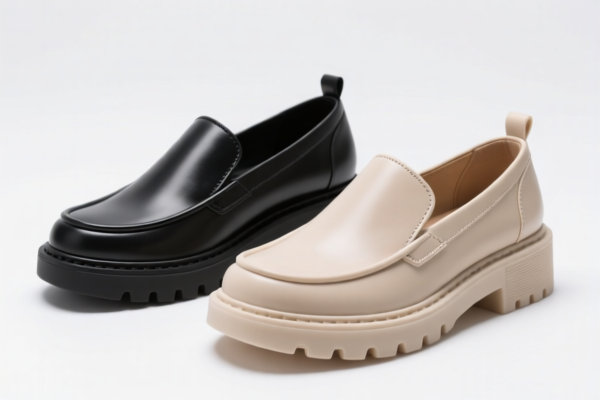
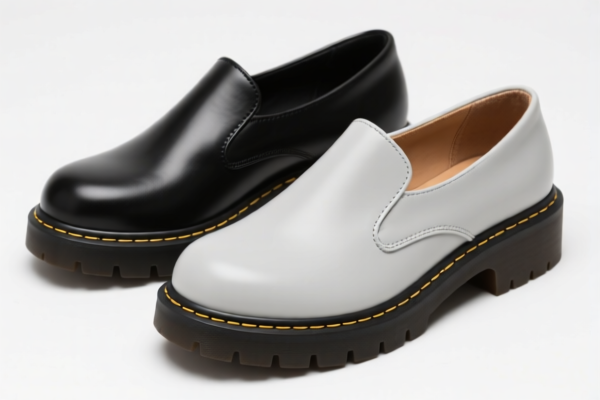
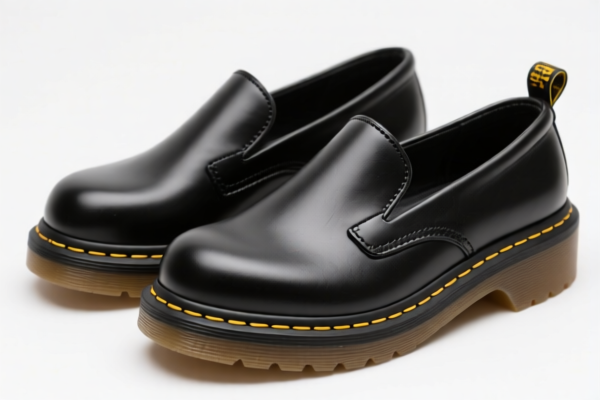
AI分析
👟 Shoes (HS Code: 6402.99.69.30) – Comprehensive Tariff & Customs Clearance Guide (2026 Edition)
🌐 HS Code Authority Reference | 2026 U.S. Tariff Schedule | Expert Customs Strategy for Shoe Importers
📌 One: Product Definition & Classification – What Exactly Is This Shoe?
In international trade, shoes are classified under Chapter 64 of the Harmonized System (HS), which covers footwear made of rubber, plastic, or other materials. The specific HS Code 6402.99.69.30 refers to:
✅ "Other footwear with rubber or plastic soles and uppers, not elsewhere specified"
(Commonly known as "rubber/plastic shoe, miscellaneous/other")
This category includes: - Rubber or plastic-soled casual shoes (e.g., rain boots, slippers, house shoes) - Fashion footwear with rubber/plastic uppers and soles (e.g., PVC sandals, synthetic sneakers) - Non-leather, non-textile uppers with rubber/plastic outsoles - "Dust shoes", "garden shoes", "indoor/outdoor shoes" made from synthetic or rubber materials
⚠️ Critical Distinction:
- If the shoe has leather or textile uppers, even with rubber/plastic soles → Not 6402.99.69.30
- If the shoe has only rubber/plastic uppers AND soles, and is not covered by a more specific subheading → YES, this HS Code applies
📦 Two: HS Code Classification Breakdown (2026 U.S. Tariff Authority)
| HS Code | Product Description | Applicable Use Case | Material Composition |
|---|---|---|---|
6402.99.69.30 |
Other footwear with rubber or plastic soles and uppers, not elsewhere specified | Rubber/plastic shoes, non-leather, non-textile, casual or functional footwear | ✅ Rubber/plastic uppers + soles ❌ No leather/textile uppers ❌ Not covered by 6402.91, 6405, or 6403 |
6402.91.40.50 |
Other footwear with rubber or plastic soles and uppers, not elsewhere specified | Similar to above, but lower tariff rate | Same as above |
6405.10.00.90 |
Shoes with rubber or plastic soles and uppers, other | General category for rubber/plastic shoes | Same |
6403.99.90.71 |
Other footwear with plastic soles, not elsewhere specified | Plastic-soled shoes (e.g., flip-flops, slippers) | Plastic sole only (uppers may be textile) |
6402.99.69.60 |
Other footwear with rubber or plastic soles and uppers, not elsewhere specified | Identical to 6402.99.69.30 — same tariff | Same |
🔍 Why 6402.99.69.30?
This code is a "catch-all" for rubber/plastic shoes that don’t fit into more specific categories like: - 6402.91.40.50 (specific types of rubber/plastic shoes) - 6405.10.00.90 (other rubber/plastic shoes) - 6403.99.90.71 (plastic-soled shoes with non-rubber uppers)📌 Key Takeaway:
If your shoe is not specifically listed in a lower-level HS Code, and uses rubber or plastic for both uppers and soles, it defaults to 6402.99.69.30.
💰 Three: 2026 U.S. Tariff Rate Breakdown (With Full Legal Basis)
✅ Applicable Country: United States (US)
✅ Origin: China (CN)
✅ Effective Date: November 10, 2025 (and ongoing)
✅ Tariff Type: Section 301 (USITC) + Section 122 (IEEPA)
🎯 HS Code: 6402.99.69.30 — Rubber/Plastic Footwear, Catch-All
| Tax Component | Rate | Legal Basis | Notes |
|---|---|---|---|
| Base Tariff | 48.0% | HTSUS 6402.99.69.30 | Standard duty for this category |
| Section 301 (USITC) Additional Duty | 0.0% | USITC Footnote 9903.88.01 | No 301 tariff applied here |
| Section 122 (IEEPA) Additional Duty | 10.0% | IEEPA: 9903.01.24 | Applies to China-origin goods under IEEPA |
| Total Effective Tariff | 58.0% | — | CIF × 58% |
📌 Legal Pathway:
IEEPA: 9903.01.24→HTSUS: 6402.99.69.30→FOOTNOTE: 9903.88.01
→ Total: 58% (48% base + 10% IEEPA)🔥 Why So High?
- 48% base tariff is one of the highest in footwear - 10% IEEPA is mandatory for China-origin goods - No de minimis exemption → even $1 items are taxed - No preferential treatment unless from a free-trade partner (e.g., Vietnam, Mexico)
🎯 HS Code: 6402.91.40.50 — Other Rubber/Plastic Footwear (Lower Rate)
| Tax Component | Rate | Legal Basis | Notes |
|---|---|---|---|
| Base Tariff | 6.0% | HTSUS 6402.91.40.50 | Lower base than 6402.99.69.30 |
| Section 301 (USITC) | 0.0% | USITC Footnote 9903.88.01 | Still no 301 duty |
| Section 122 (IEEPA) | 10.0% | IEEPA: 9903.01.24 | Applies to China-origin |
| Total Effective Tariff | 16.0% | — | CIF × 16% |
📌 Key Difference:
- 6402.91.40.50 is a more specific category → lower base rate - If your shoe fits into this subheading, you must use it — otherwise, you’ll pay 58% instead of 16%✅ Example:
- "Rubber-soled children’s slippers with synthetic uppers" → 6402.91.40.50
- "Unspecified rubber/plastic shoes" → 6402.99.69.30
🎯 HS Code: 6405.10.00.90 — Other Rubber/Plastic Shoes (General Category)
| Tax Component | Rate | Legal Basis | Notes |
|---|---|---|---|
| Base Tariff | 10.0% | HTSUS 6405.10.00.90 | Standard rate |
| Section 301 (USITC) | 7.5% | USITC Footnote 9903.88.01 | Yes, 301 applies here |
| Section 122 (IEEPA) | 10.0% | IEEPA: 9903.01.24 | Applies to China-origin |
| Total Effective Tariff | 27.5% | — | CIF × 27.5% |
📌 Why 7.5% USITC?
- This code is subject to 301 tariffs under USITC Footnote 9903.88.01 - Total = 10% + 7.5% + 10% = 27.5%📌 When to Use This Code?
- For general-purpose rubber/plastic shoes not covered by 6402.91 or 6402.99 - Often used for industrial, work, or outdoor shoes
🛠️ Four: Customs Clearance Best Practices (Pro Tips to Avoid Penalties)
✅ 1. Required Documentation (Must-Have List)
| Document | Required? | Why It Matters |
|---|---|---|
| ✅ Commercial Invoice | ✔️ | Must clearly state product name, material, origin, HS Code |
| ✅ Packing List | ✔️ | Shows quantity, weight, packaging type |
| ✅ Bill of Lading / Air Waybill | ✔️ | Proof of shipment |
| ✅ Product Photos (with labels) | ✔️ | Prove material (rubber/plastic uppers/soles) |
| ✅ Technical Specs / Material Certificates | ✔️ | Confirm no leather/textile uppers |
| ✅ Certificate of Origin (CO) | ✔️ | If from non-China origin, may qualify for lower tariffs |
| ✅ Test Reports (RoHS, REACH, etc.) | ✔️ | If plastic contains restricted chemicals |
✅ 2.申报技巧(Key Rules of Thumb)
🔥 "Material First, Code Last — If it’s rubber/plastic uppers, it’s 6402.99.69.30 — unless it fits a lower code!"
| Scenario | Correct HS Code | Wrong Code | Risk |
|---|---|---|---|
| Rubber/plastic uppers + soles, no specific category | 6402.99.69.30 |
6405.10.00.90 |
Pay 58% vs 27.5% → +30.5% tax |
| Children’s rubber slippers | 6402.91.40.50 |
6402.99.69.30 |
Pay 16% vs 58% → Save 42% |
| Plastic-soled flip-flops (textile uppers) | 6403.99.90.71 |
6402.99.69.30 |
Pay 20% vs 58% → Save 38% |
| Leather uppers, rubber sole | 6403.99.90.71 or 6404.19.00 |
6402.99.69.30 |
Misclassification → Penalty + Retrospective Duty |
✅ 3. Special Cases & Workarounds
| Situation | Solution |
|---|---|
| Shoes from Vietnam/Mexico | Apply for IEEPA exemption → 0% IEEPA → Only base tariff applies |
| OEM/Custom Design Shoes | Provide design drawings + material specs to prove classification |
| Shoes with mixed materials | If uppers are rubber/plastic, use 6402.99.69.30; if textile, use 6403.99.90.71 |
| Shoes for medical/industrial use | May qualify for special import exemptions — apply for pre-ruling |
🌍 Five: Global Market Tariff Comparison (2026)
| Country | Recommended HS Code | Tariff Rate | Certification | Notes |
|---|---|---|---|---|
| 🇺🇸 USA | 6402.99.69.30 |
58.0% (China-origin) | None (but documentation required) | Highest tariff globally |
| 🇨🇳 China | 6402.99.69.30 |
5% | CCC | No IEEPA |
| 🇪🇺 EU | 6402.99.69.30 |
0% (if CE) | CE, REACH | No 301/IEEPA |
| 🇦🇺 Australia | 6402.99.69.30 |
5% | RCM | No IEEPA |
| 🇯🇵 Japan | 6402.99.69.30 |
0% | PSE | No IEEPA |
📌 Insight:
- Only the U.S. imposes 58% tariffs on China-origin rubber/plastic shoes - Vietnam/Mexico origin → 0% IEEPA → Only 48% base tariff - Consider shifting production to non-China countries to avoid 58%
📌 Six: Common Mistakes & How to Avoid Them (Real-World Risks)
❌ Mistake 1: Using 6402.99.69.30 for textile-uppers shoes
👉 Result: Misclassification → Penalty + 58% tax on wrong goods
❌ Mistake 2: Not using 6402.91.40.50 when applicable
👉 Result: Pay 58% instead of 16% → Save $420 per $1,000 shipment
❌ Mistake 3: Not providing photos or material proof
👉 Result: Customs holds shipment → Delays + storage fees
❌ Mistake 4: Assuming "plastic-soled" = 6402.99.69.30
👉 Result: Wrong code → Pay 58% instead of 20%
✅ Correct申报 Name Example:
"Rubber/Plastic Soled & Uppered Footwear, Non-Leather, for Casual Use, Model XYZ, China-Origin, HTS 6402.99.69.30"
🎯 Seven: Final Verdict – How to Win the Tariff Game
🔥 "If it’s rubber/plastic uppers and soles, and not covered by a lower code — use 6402.99.69.30 — but only if you must!"
✅ Pro Strategy:
- Audit your product → Is it really 6402.99.69.30?
- Check if 6402.91.40.50 applies → Save 42%
- Shift production to Vietnam/Mexico → Avoid IEEPA 10%
- Apply for pre-ruling → Guarantee correct HS Code
📣 Call to Action: Act Now to Avoid Costly Mistakes!
📞 Contact a U.S. Customs Broker + Submit Product Photos + Request HS Code Pre-Ruling
🚀 Avoid 58% tariffs, prevent delays, and protect your margins
✨ Professional Importing Starts with Perfect Classification!
💼 Your profit depends on the right HS Code — choose wisely!
用户评价
关于 HS 编码归类
协调制度(HS)是由世界海关组织(WCO)制定的国际贸易商品分类标准。全球 200 多个国家采用 HS 系统作为海关关税、贸易统计和进出口监管的基础。
每个 HS 编码遵循以下层级结构:
- 章(2 位)——商品大类(例如:第 84 章:机器和机械设备)
- 品目(4 位)——章内的更具体分类
- 子目(6 位)——国际通用细分,所有 WCO 成员国统一使用
- 本国细分(8-10 位)——各国自行扩展的细分编码,如美国 HTSUS 10 位编码
正确的 HS 编码归类对于顺利通关、准确缴纳关税和遵守贸易法规至关重要。错误归类可能导致海关延误、多缴关税或罚款。
从CN进口到US时,适用的关税税率可能包括:
- 最惠国(MFN)税率——适用于 WTO 成员国的标准关税税率
- 普通税率——适用于无贸易协定国家
- 贸易救济关税——附加关税,如 301 条款(反倾销)、232 条款(国家安全)或反补贴税
本页内容仅供参考。如需正式归类,请咨询当地海关或持牌报关代理。