short plastic sole boots with protective metal toe
CN → US| HS编码 | 关税税率 | 原产国 | 目的国 | 文档 |
|---|---|---|---|---|
| 3926909989 | 22.8% | CN | US | 官方文档 |
| 6402914050 | 16.0% | CN | US | 官方文档 |
| 6401929060 | 55.0% | CN | US | 官方文档 |
| 6401929030 | 55.0% | CN | US | 官方文档 |
| 6402914067 | 16.0% | CN | US | 官方文档 |
商品图片
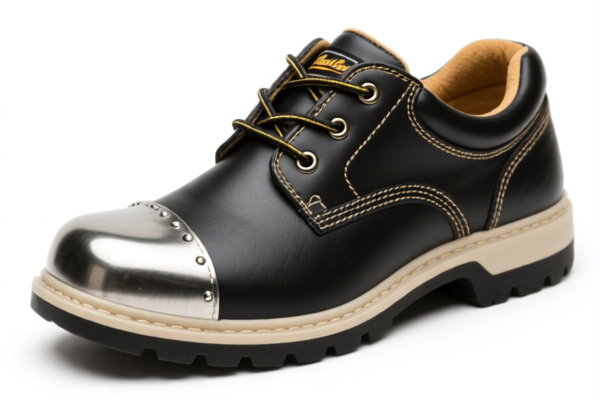
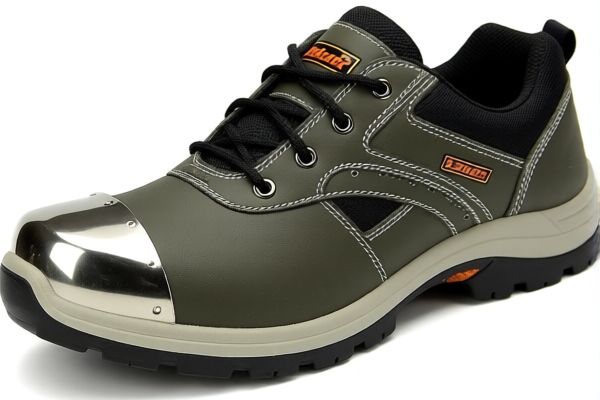
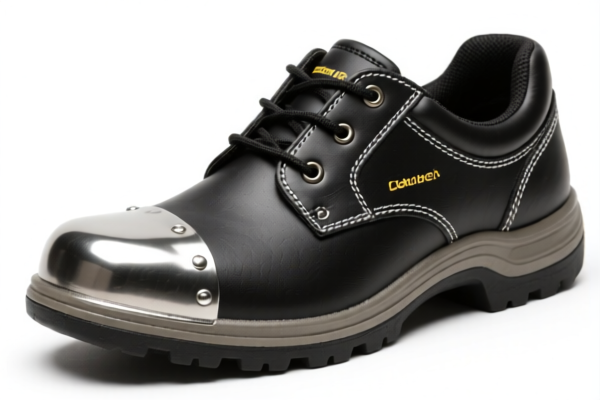
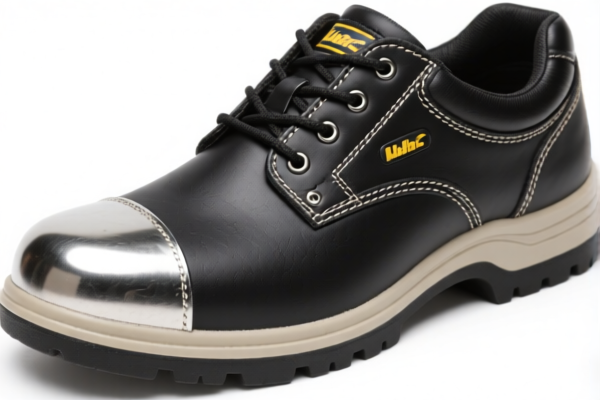
AI分析
👢 Short Plastic Ankle Boots with Protective Metal Toe (Protective Footwear)
🌐 HS Code Reference & Customs Clearance Guide | 2026 Latest Tariff Analysis | Professional Clearance Strategy for Metal-Toe Plastic Boots 📌 Part 1: Product Definition & Classification: What Exactly Are "Protective Plastic Boots"?
Short plastic ankle boots with a protective metal toe cap are specialized industrial footwear designed for safety in construction, mining, chemical, and manufacturing environments. In international trade, the classification depends heavily on the primary material (Plastic vs. Rubber/Vulcanized) and the specific protective features.
1. Pure Plastic Construction (Homogenous Plastic): If the upper and sole are entirely made of plastic (e.g., PVC, Polyurethane), it may be classified under Chapter 39 as "Other articles of plastics." However, if it functions specifically as footwear, customs often scrutinize this to prevent misclassification to prevent duty evasion.
2. Rubber/Plastic Composite (Standard Safety Boots): Most "plastic" safety boots are actually made of Rubber or Plastic (often PVC or Rubberized plastic) and are covered to the ankle. These fall strictly under Chapter 64 (Footwear). The presence of a metal toe cap is a key feature that often pushes the classification towards Work Shoes/Safety Footwear rather than general fashion footwear.
⚠️ Key Distinction Point: - If the boot is primarily Plastic (Chapter 39) with no specific footwear features: It risks being classified as a general plastic item (3926.90). - If it is Rubber/Plastic Footwear (Chapter 64) with a toe cap: It is classified as Safety Footwear. - Crucial: The "Protective Metal Toe" often triggers the "Safety/Work" sub-categories in Chapter 64, which carry higher base tariffs.
📦 Part 2: HS Code Classification Matrix (2026 Latest Tariff Authority)
Based on the provided data, here are the specific HS Codes for Short Plastic Ankle Boots with Protective Metal Toes:
| HS Code | Product Description | Application/Attributes | Key Feature |
|---|---|---|---|
3926.90.99.89 |
Other Plastic Articles | General plastic ankle boots, classified as general plastic products | ❌ Not recognized as specific footwear in some jurisdictions; high risk of reclassification |
6402.91.40.50 |
Other Footwear, Plastic Sole, Upper Covering Ankle | Standard plastic ankle boots (non-safety specific) | ✅ Covers ankle, plastic material |
6401.92.90.60 |
Waterproof Footwear, Rubber/Plastic, Reinforced Toe | Safety/Work Boots (Plastic/Rubber) with metal toe | ✅ Work Shoe Attribute |
6401.92.90.30 |
Waterproof Footwear, Rubber/Plastic, Safety Type | Work Shoes with protective metal toe | ✅ Work Shoe Attribute |
6402.91.40.67 |
Other Plastic Footwear, Ankle Covering | General plastic ankle boots (non-waterproof/non-safety) | ✅ General use |
🔍 Critical Reminder: - Chapter 39 (3926.90.99.89): Classifies the item as a "Plastic Article" rather than footwear. This is often an incorrect classification for functional boots and may lead to customs disputes. - Chapter 64 (6401/6402): The correct chapter for footwear. - 6401: Typically refers to Waterproof footwear with rubber/plastic uppers and outsoles. This is the most common category for heavy-duty safety boots with metal toes. - 6402: Refers to Other footwear (non-waterproof) with rubber/plastic. - Impact of Metal Toe: The presence of a protective metal toe strongly suggests "Work/Safety" attributes, aligning with 6401.92 (Work footwear) rather than 6402.91 (General footwear).
💰 Part 3: 2026 Latest Tariff Rate Breakdown (US Market Focus)
✅ Applicable Country: United States (US)
✅ Origin: China (CN)
✅ Effective Date: Rates include Base, 301 Tariff, and Section 122 Tariff
🎯 1. 3926.90.99.89 —— Other Plastic Articles (Misclassification Risk)
| Item | Content |
|---|---|
| Base Rate | 5.3% |
| Section 301 Tariff | +7.5% |
| Section 122 Tariff | +10.0% |
| Total Effective Rate | 22.8% |
| Tax Calculation | CIF Value × 22.8% |
| De Minimis Eligibility | ❌ No (Subject to high scrutiny) |
| Legal Basis | HTSUS 3926.90.99.89 → Sec 301 → Sec 122 |
📌 Explanation: - While the base rate (22.8%) is lower than safety boots, this classification is risky. Customs may reject it as "Not Footwear" if the item has clear functional attributes (laces, toe cap, specific sole tread). - Recommendation: Avoid unless the product is clearly non-functional (e.g., decorative plastic boots).
🎯 2. 6402.91.40.50 & 6402.91.40.67 —— General Plastic Ankle Boots (Non-Specific)
| Item | Content |
|---|---|
| Base Rate | 6.0% |
| Section 301 Tariff | +0.0% |
| Section 122 Tariff | +10.0% |
| Total Effective Rate | 16.0% |
| Tax Calculation | CIF Value × 16.0% |
| De Minimis Eligibility | ❌ No |
| Legal Basis | HTSUS 6402.91.40.xx → Sec 122 |
📌 Explanation: - Lower Tax Burden: These codes have 0% Section 301 tariff, resulting in a much lower total rate (16.0%). - Condition: Must be classified as "Other footwear" (non-waterproof, non-safety). If the boot has a metal toe cap, customs may argue it is Safety Footwear, which pushes it to 6401.92 (higher taxes). - Risk: If inspected and deemed "Safety/Work" due to the metal toe, you will be reclassified to 6401.92, owing the difference in tax + penalties.
🎯 3. 6401.92.90.60 & 6401.92.90.30 —— Work/Safety Boots (Correct for Metal Toe)
| Item | Content |
|---|---|
| Base Rate | 37.5% |
| Section 301 Tariff | +7.5% |
| Section 122 Tariff | +10.0% |
| Total Effective Rate | 55.0% |
| Tax Calculation | CIF Value × 55.0% |
| De Minimis Eligibility | ❌ No |
| Legal Basis | HTSUS 6401.92.90.xx → Sec 301 → Sec 122 |
📌 Explanation: - Highest Tax Burden: Because these are classified as Work/Safety Footwear (indicated by the metal toe and "waterproof/industrial" nature), they attract the Base Rate of 37.5%. - Why So High? Safety footwear is considered a specialized industrial good. - Accuracy: This is likely the correct classification for "Short plastic ankle boots with protective metal toe." Do not try to misclassify as 6402.91 to save tax; the risk of audit is high.
🛠️ Part 4: Customs Clearance Practical Advice (Real-World Pitfall Avoidance)
✅ 1. Preparation Checklist (Non-Negotiable)
| Document | Must Provide | Explanation |
|---|---|---|
| ✅ Product Specification Sheet | ✔️ | Detailed material composition (e.g., "PVC Upper, Rubber Sole, Steel Toe Cap") |
| ✅ Technical Drawings/Cutaway | ✔️ | Show the internal structure, specifically the location and material of the toe cap |
| ✅ High-Res Photos | ✔️ | Must clearly show the metal toe bulge inside the boot |
| ✅ Safety Certification | ✔️ | ASTM F2413 (US), EN ISO 20345 (EU). Crucial for proving "Work Shoe" status |
| ✅ Commercial Invoice | ✔️ | Use precise description: "Safety Boots, PVC, Steel Toe, Industrial Use" |
| ✅ Packing List | ✔️ | Ensure no mixed SKUs (e.g., don't mix fashion boots with safety boots) |
✅ 2. Declaration Strategy (Key Mantras)
🔥 “Metal Toe = Work Shoe; Work Shoe = 55% Tax. Be Honest or Pay More!”
| Scenario | Correct Declaration | Wrong Action | Consequence |
|---|---|---|---|
| Boots with Metal Toe | 6401.92.90.30 or 6401.92.90.60 |
Declare as 6402.91.40.50 (16%) |
Audit Risk: Customs will reclassify, charge 55% + fines + interest. |
| Plastic Boots WITHOUT Toe Cap | 6402.91.40.50 or 6402.91.40.67 |
Declare as 6401.92... |
Overpayment (16% vs 55%). You can appeal for refund but it’s time-consuming. |
| Non-Functional Plastic Decor | 3926.90.99.89 |
Declare as Footwear | Unlikely to pass inspection if it has laces/heel. |
✅ 3. Special Case Handling
| Situation | Handling Advice |
|---|---|
| OEM Safety Boots | Provide ASTM/ISO Test Reports from the factory. This proves the metal toe is a functional safety feature, justifying the 55% rate but preventing rejection for "misdescription." |
| "Waterproof" Claim | If the boot is labeled "Waterproof," it MUST go to 6401. If it's just "Water-Resistant," it might fall under 6402, but the metal toe still pushes it toward 6401. Be precise with terminology. |
| Section 122 Tariff | Note that Section 122 (10%) applies to many imports from China. This is on top of the base and 301 tariffs. Ensure your broker includes this in the calculation. |
| De Minimis (Section 321) | Do NOT use de minimis for these items. Safety footwear is explicitly excluded from many low-value exemptions when coming from China due to trade tensions. |
🌍 Part 5: Global Market Comparison (2026 Snapshot)
| Country/Region | Recommended HS Code | Est. Duty (China Origin) | Certification Required | Note |
|---|---|---|---|---|
| 🇺🇸 USA | 6401.92.90.30 |
55.0% (Base 37.5% + 301 + 122) | ASTM F2413 | High risk of audit if misdeclared |
| 🇪🇺 EU | 6403.59 (Approx) |
12.5% | CE (EN ISO 20345) | Lower base rates, but strict safety standards |
| 🇨🇳 China | 6403.59 |
12.0% | CCC (if applicable) | Moderate duty |
| 🇨🇦 Canada | 6403.59 |
12.0% + GST | CSA Z195 | Similar to US but lower additional tariffs |
📌 Conclusion: - USA is the most expensive market for safety footwear due to the combination of Base, 301, and 122 tariffs. - Accuracy is Paramount: Misclassifying a 55% item as a 16% item will result in severe penalties and potential loss of importer security bond.
📌 Part 6: Common Errors & Pitfall Guide (Blood & Tears Lessons)
❌ Mistake 1: Declaring "Plastic Boots" as 3926.90.99.89 to avoid Chapter 64 duties.
👉 Consequence: CBP will classify it as footwear anyway, but may penalize for "Failure to Declare Correctly." You still pay ~22.8% but lose trust.
❌ Mistake 2: Declaring Safety Boots (Metal Toe) as 6402.91.40.50 (16%) instead of 6401.92 (55%).
👉 Consequence: Audit Trigger. Customs sees the metal toe description or photo, reclassifies the shipment, and bills you the 39% difference plus interest and fines.
❌ Mistake 3: Ignoring Section 122 Tariff. 👉 Consequence: Your broker calculates 37.5% + 7.5% = 45%, but the actual bill is 55%. You face a 10% surprise charge at customs.
✅ Correct Action:
Description: "Men's Safety Ankle Boots, PVC Upper, Rubber Sole, ASTM F2413 Compliant Steel Toe Cap, Industrial Use" HS Code:
6401.92.90.30Duty: Pay the 55% upfront to ensure smooth clearance.
🎯 Part 7: Conclusion: Professional Declaration, Safe Clearance, Cost Control!
🎯 Remember the Mantra:
🔹 "Metal Toe = Work Shoe = 55%. No Toe = General = 16%. Plastic Article = 22.8% (Risky)." 🔹 "Chapter 64 for Footwear, Chapter 39 for Plastic Junk. Don't Mix Them!" 🔹 "Section 122 is Always On for China. Don't Forget the +10%!"
📌 Pro Tip: If you are importing large volumes, consider applying for a Binding Tariff Ruling (BTR) from US CBP. This provides legal certainty that your specific boot design is classified correctly, protecting you from future audits and back-taxes.
📣 Immediate Action:
📞 Contact a Licensed Customs Broker + Provide ASTM Test Report + Apply for Pre-Ruling 🚀 Let your safety boots clear smoothly, avoid audits, and maximize your profit margins!
✨ Professional Clearance Starts with Accurate Classification! 💼 Every cent of duty is a calculated cost, not a surprise!
用户评价
关于 HS 编码归类
协调制度(HS)是由世界海关组织(WCO)制定的国际贸易商品分类标准。全球 200 多个国家采用 HS 系统作为海关关税、贸易统计和进出口监管的基础。
每个 HS 编码遵循以下层级结构:
- 章(2 位)——商品大类(例如:第 84 章:机器和机械设备)
- 品目(4 位)——章内的更具体分类
- 子目(6 位)——国际通用细分,所有 WCO 成员国统一使用
- 本国细分(8-10 位)——各国自行扩展的细分编码,如美国 HTSUS 10 位编码
正确的 HS 编码归类对于顺利通关、准确缴纳关税和遵守贸易法规至关重要。错误归类可能导致海关延误、多缴关税或罚款。
从CN进口到US时,适用的关税税率可能包括:
- 最惠国(MFN)税率——适用于 WTO 成员国的标准关税税率
- 普通税率——适用于无贸易协定国家
- 贸易救济关税——附加关税,如 301 条款(反倾销)、232 条款(国家安全)或反补贴税
本页内容仅供参考。如需正式归类,请咨询当地海关或持牌报关代理。