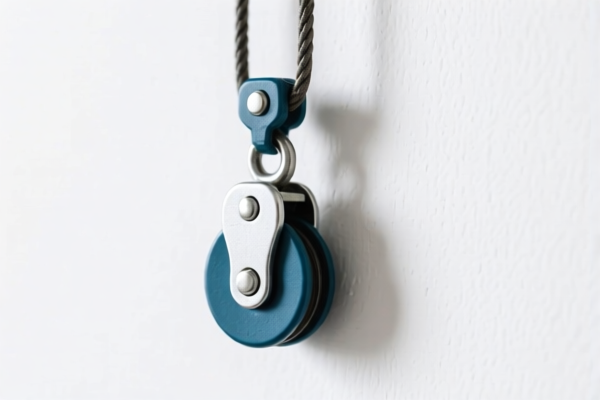
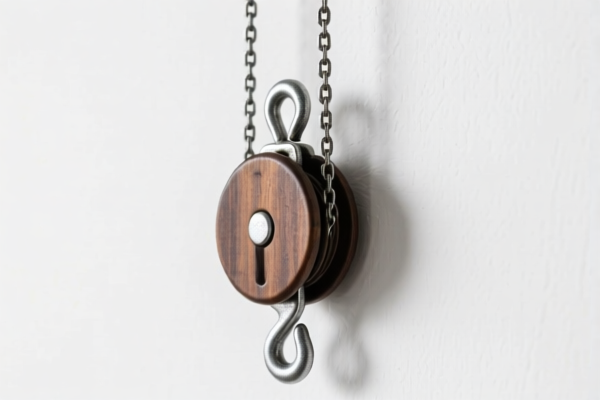
shower door pulley
CN → US| HS编码 | 关税税率 | 原产国 | 目的国 | 文档 |
|---|---|---|---|---|
| 7326908688 | 87.9% | CN | US | 官方文档 |
| 8487900080 | 88.9% | CN | US | 官方文档 |
| 3926902500 | 24.0% | CN | US | 官方文档 |
| 7326908630 | 87.9% | CN | US | 官方文档 |
| 3926908500 | 24.0% | CN | US | 官方文档 |
商品图片


AI分析
🚿 Shower Door Pulley: HS Code Classification & Customs Clearance Guide
🌐 HS Code Reference & Customs Guide | 2026 Latest Tariff Analysis | Professional Clearance Strategy
📌 I. Product Definition: What is a "Shower Door Pulley"?
The Shower Door Pulley is a critical mechanical component used in sliding or pivot shower door systems. Its primary function is to reduce friction and support the weight of the glass door, allowing for smooth opening and closing.
In international trade, the classification of this part is highly sensitive to material composition. It is generally categorized as a part/accessory for a door or a mechanical device.
⚠️ Key Distinction Point:
- If made of Metal (Iron/Steel) → Classified under Chapter 73 (Articles of Iron or Steel).
- If made of Plastic → Classified under Chapter 39 (Plastics and Articles Thereof).
- If made of Mixed Materials (Metal + Plastic) → Customs often default to the Metal classification or the Mechanical Part classification, leading to significantly higher tariffs due to Section 301 penalties.
📦 II. HS Code Classification Details (2026 Latest Tariff Data)
Based on the provided data, there are 5 potential HS Codes for Shower Door Pulleys. The choice depends entirely on the material and specific structural design.
| HS Code | Product Description | Material Inference | Category |
|---|---|---|---|
| 7326.90.86.88 | Other articles of iron or steel | Metal (Steel/Iron) | Parts/Accessories of Iron/Steel |
| 8487.90.00.80 | Parts of machinery not specified elsewhere | Metal or Plastic | Mechanical Component |
| 3926.90.25.00 | Other plastic articles | Plastic | Plastic Parts/Accessories |
| 7326.90.86.30 | Articles of iron/steel for support/movement | Metal (Steel/Iron) | Support/Movement Parts |
| 3926.90.85.00 | Other plastic articles | Plastic or Mixed | Plastic/Mixed Materials |
💰 III. 2026 Latest Tariff Rate Breakdown (Detailed Tax Analysis)
✅ Applicable Country: United States (US)
✅ Origin: China (CN)
✅ Effective Date: Including imports after Nov 10, 2025
🎯 1. Metal-Based Classifications (High Tariff Risk)
HS Codes: 7326.90.86.88, 7326.90.86.30, 8487.90.00.80
These codes attract the highest tariffs due to Section 301 and Section 232 penalties applied to steel/aluminum products and Chinese goods.
| Tariff Item | Content |
|---|---|
| Base Duty Rate | 2.9% - 3.9% (Ad Valorem) |
| Section 301 Additional Duty | +25.0% (Retaliatory tariffs on Chinese goods) |
| Section 232 Duty (Steel/Aluminum) | +50.0% (Applied to steel/aluminum products under USITC rules) |
| Section 122 Duty | +10.0% (Additional specific duty on steel/copper/aluminum articles) |
| Total Effective Tariff | 87.9% - 88.9% |
| Tax Calculation | CIF Value × 87.9% (for 7326) or 88.9% (for 8487) |
| De Minimis Exemption | ❌ Not Eligible (Denied due to high Section 301/232 rates) |
| Legal Basis Path | USITC:7326.90.86.xx → SECTION301:9903.01.24 → SECTION232:Steel/Al |
📌 Critical Warning:
- If your pulley contains any steel or iron component, it is likely subject to the 50% Section 232 duty in addition to the 25% Section 301 duty.
- The total tax burden of ~88% makes metal pulleys extremely expensive for US importers.
- "Mixed Material" Risk: Even if the pulley is 90% plastic, if it has a metal axle or housing, Customs may classify it as metal, triggering these high rates.
🎯 2. Plastic-Based Classifications (Lower Tariff Benefit)
HS Codes: 3926.90.25.00, 3926.90.85.00
Plastic parts are generally less penalized than steel, avoiding the steep Section 232 duties.
| Tariff Item | Content |
|---|---|
| Base Duty Rate | 6.5% (Ad Valorem) |
| Section 301 Additional Duty | +7.5% (Reduced rate for certain Chinese plastic goods) |
| Section 122 Duty | +10.0% |
| Total Effective Tariff | 24.0% |
| Tax Calculation | CIF Value × 24.0% |
| De Minimis Exemption | ❌ Not Eligible (Still subject to Section 301/122) |
| Legal Basis Path | USITC:3926.90.xx → SECTION301:9903.01.24 |
📌 Strategic Advantage:
- 24% is significantly lower than 88%.
- If your pulley can be legitimately classified as "Pure Plastic" (no metal parts, or metal parts are negligible/non-essential), this offers massive cost savings.
- Note:3926.90.85.00and3926.90.25.00both have the same 24% rate in the provided data.
🛠️ IV. Customs Clearance Practical Advice (Risk Mitigation)
✅ 1. Material Verification is Key
| Material Type | Recommended HS Code | Tariff | Action |
|---|---|---|---|
| Pure Plastic | 3926.90.25.00 / 3926.90.85.00 |
24% | ✅ Preferred for cost efficiency |
| Pure Metal (Steel/Iron) | 7326.90.86.88 / 7326.90.86.30 |
87.9% | ❌ High Cost, avoid if possible |
| Metal + Plastic Mix | 8487.90.00.80 |
88.9% | ❌ Highest Risk, often misclassified |
| Mixed (Metal Dominant) | 7326.90.86.xx |
87.9% | ❌ High Cost |
🔍 Customs Reality:
- If the pulley has a metal bearing or metal screw, US Customs may reject the "Plastic" classification and apply the 88% rate.
- Solution: Ensure the main structural material is plastic, or consult a customs broker for a Pre-Ruling to confirm if minor metal parts disqualify the plastic classification.
✅ 2. Documentation Requirements
| Document | Required? | Purpose |
|---|---|---|
| Product Specification Sheet | ✔️ | Clearly state material composition (e.g., "Housing: ABS Plastic; Axle: Nylon") |
| Material Certificate | ✔️ | Proof that key components are plastic, not steel |
| Product Photos | ✔️ | High-res images showing no visible metal housing |
| Commercial Invoice | ✔️ | Describe as "Plastic Shower Door Pulley Wheel" (Avoid "Metal" or "Steel") |
| Bill of Lading | ✔️ | Ensure packaging details match invoice |
✅ 3. Clever Declaration Tips
🔥 "Declare by Material, Not by Function!"
| Scenario | Correct Declaration | Incorrect Declaration |
|---|---|---|
| Plastic Pulley with Plastic Wheel | 3926.90.25.00 - Plastic Pulley |
8487.90.00.80 - Mechanical Part |
| Metal Axle in Plastic Housing | 7326.90.86.88 - Steel Part |
3926.90.85.00 - Plastic Part (Risk of Penalty) |
| Mixed Material Pulley | 8487.90.00.80 - Machinery Part |
7326.90.86.30 - Steel Part (If metal is minor) |
📌 Warning:
- Do not use generic terms like "Shower Door Part" without specifying material.
- If the pulley is predominantly plastic, emphasize "Plastic Articles" in the description.
- If the pulley is predominantly metal, you must accept the ~88% tariff.
🌍 V. Global Market Comparison (2026)
| Market | Recommended HS Code | Approx. Tariff | Notes |
|---|---|---|---|
| 🇺🇸 USA | 3926.90.25.00 (Plastic) |
24% | Avoid Metal (7326) due to 88% rate |
| 🇺🇸 USA | 7326.90.86.88 (Metal) |
87.9% | High penalty for steel/aluminum |
| 🇪🇺 EU | 7326.90.98 (Metal) |
~1.7% | No Section 301/232 equivalents |
| 🇨🇳 China | 7326.90.90 (Metal) |
0-2% | Low duties, but focus on export market |
📌 Conclusion:
- The USA is the most challenging market for metal shower door pulleys due to Section 232 and 301 tariffs.
- Plastic pulleys are the strategic choice for US imports to minimize costs.
📌 VI. Common Mistakes & Pitfalls
❌ Mistake 1: Classifying a metal-plastic mixed pulley as purely plastic (3926.90.xx)
👉 Consequence: Customs audit → Back-tariff of ~64% difference + penalties.
❌ Mistake 2: Using HS Code 8487.90.00.80 without justification
👉 Consequence: This is a "catch-all" for machinery parts. If it can be classified as steel (7326), Customs will use 7326 due to specificity rules, resulting in the same high tariff but with more scrutiny.
❌ Mistake 3: Ignoring Section 122 Duty (+10%)
👉 Consequence: Underestimating total tax burden. All codes in the data include this 10% duty.
✅ Best Practice:
- For Plastic Pulleys: Use
3926.90.25.00or3926.90.85.00.- For Metal Pulleys: Accept
7326.90.86.88or7326.90.86.30and budget for ~88% tax.- Always verify material composition with your supplier before shipping.
🎯 VII. Conclusion: Smart Classification Saves Money
🎯 Remember This Rule:
🔹 "Plastic = 24%, Metal = 88%."
🔹 "If it's Steel, Pay the 50% Section 232 Penalty."
🔹 "Mixed Materials? Get a Pre-Ruling."
📌 Pro Tip:
If you are importing to the US, consider designing pulleys with pure plastic materials (e.g., Nylon, POM, ABS) to avoid the prohibitive 88% tariff. If metal is necessary for strength, ensure the metal component value is minimal and consult a customs broker for a potential exemption or alternative classification.
📣 Next Steps:
📞 Contact a Customs Broker to confirm material specifications.
📄 Request Material Certificates from your manufacturer.
🚀 Optimize Product Design for cost-effective clearance.
✨ Accurate Classification is the Key to Profitable Trade!
💼 Don't let a 64% tariff difference erase your margin!
用户评价
关于 HS 编码归类
协调制度(HS)是由世界海关组织(WCO)制定的国际贸易商品分类标准。全球 200 多个国家采用 HS 系统作为海关关税、贸易统计和进出口监管的基础。
每个 HS 编码遵循以下层级结构:
- 章(2 位)——商品大类(例如:第 84 章:机器和机械设备)
- 品目(4 位)——章内的更具体分类
- 子目(6 位)——国际通用细分,所有 WCO 成员国统一使用
- 本国细分(8-10 位)——各国自行扩展的细分编码,如美国 HTSUS 10 位编码
正确的 HS 编码归类对于顺利通关、准确缴纳关税和遵守贸易法规至关重要。错误归类可能导致海关延误、多缴关税或罚款。
从CN进口到US时,适用的关税税率可能包括:
- 最惠国(MFN)税率——适用于 WTO 成员国的标准关税税率
- 普通税率——适用于无贸易协定国家
- 贸易救济关税——附加关税,如 301 条款(反倾销)、232 条款(国家安全)或反补贴税
本页内容仅供参考。如需正式归类,请咨询当地海关或持牌报关代理。