silicone drain mat
CN → US| HS编码 | 关税税率 | 原产国 | 目的国 | 文档 |
|---|---|---|---|---|
| 4016990500 | 20.9% | CN | US | 官方文档 |
| 4016910000 | 37.7% | CN | US | 官方文档 |
| 3924901050 | 13.3% | CN | US | 官方文档 |
| 3924104000 | 13.4% | CN | US | 官方文档 |
| 3924104000 | 13.4% | CN | US | 官方文档 |
商品图片
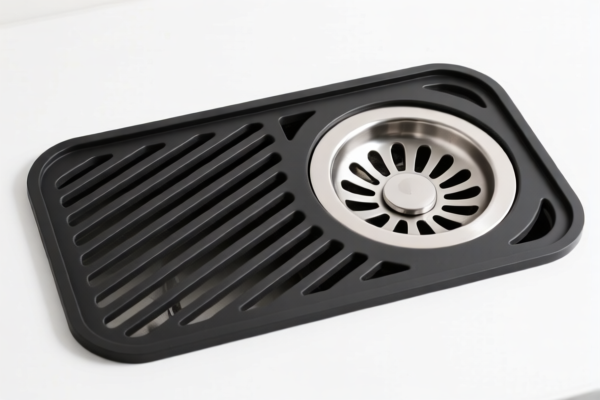
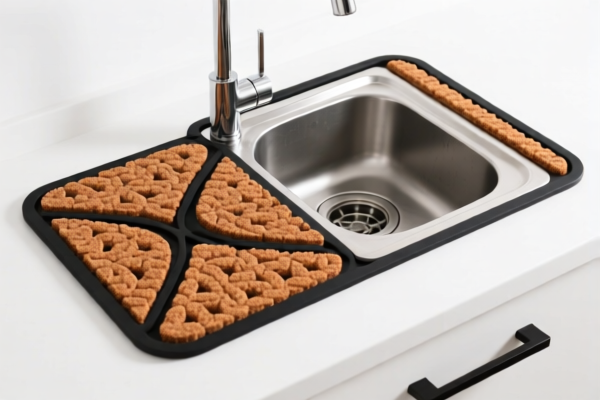
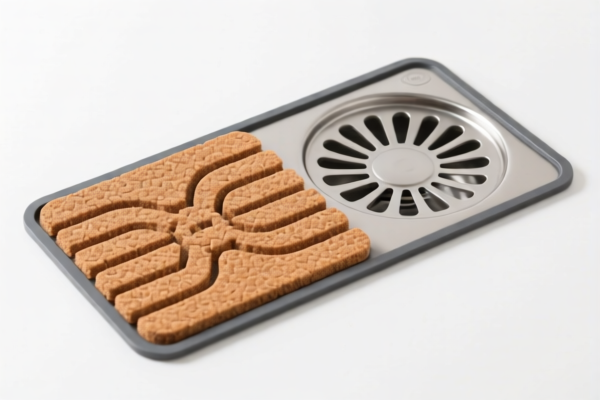
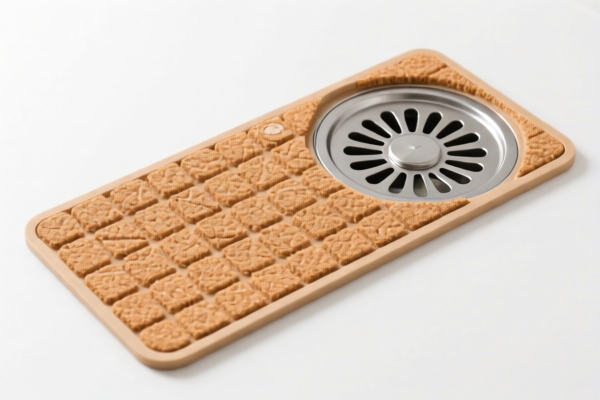
AI分析
🍽️ Silicone Drain Mat: HS Code Classification & Customs Clearance Strategy (2026)
🌐 HS Code Reference & Customs Guide | 2026 Latest Tariff Analysis | Professional Clearance Strategy
📌 I. Product Definition & Classification: Do You Really Understand "Silicone Drain Mats"?
A Silicone Drain Mat is a functional household item used in kitchens and bathrooms to absorb water, prevent slipping, and protect surfaces. In international trade, its classification is controversial because it sits at the intersection of three major material categories: Rubber, Plastic, and Textiles/Floor Coverings.
The HS Code determination depends entirely on the primary material and specific function:
- Silicone as Rubber: If viewed as a vulcanized elastomer for household use → Chapter 40.
- Silicone as Plastic/Resin: If viewed as a synthetic resin product for kitchen/household use → Chapter 39.
- Silicone as Floor Covering: If viewed as a mat/rug substitute → Chapter 40 (specifically for mats).
⚠️ Key Distinction Point:
- If classified as Rubber/Elaticomer → 4016.99.05.00 (Lowest Total Tax: 20.9%)
- If classified as Rubber Floor Mat → 4016.91.00.00 (Highest Total Tax: 37.7%)
- If classified as Plastic/Kitchenware → 3924.10.40.00 / 3924.90.10.50 (Moderate Total Tax: 13.3%~13.4%)
📦 II. HS Code Classification Details (2026 Latest Tariff Authority Comparison)
| HS Code | Product Description | Application Scenario | Total Tax Rate (China to US) | Key Classification Logic |
|---|---|---|---|---|
4016.99.05.00 |
Rubber articles, other (Household items made of vulcanized rubber/elastomer) | Silicone mats classified as general rubber household goods | 20.9% | Base: 3.4% + Addl: 7.5% + Section 122: 10% |
4016.91.00.00 |
Rubber floors and floor coverings | Silicone mats classified specifically as "rugs/mats" | 37.7% | Base: 2.7% + Addl: 25.0% + Section 122: 10% |
3924.90.10.50 |
Table/household wares of plastic (Other plastic mats) | Silicone mats classified as plastic/synthetic resin household mats | 13.3% | Base: 3.3% + Addl: 0.0% + Section 122: 10% |
3924.10.40.00 |
Table/kitchen wares of plastic | Silicone mats classified as plastic kitchenware/drain mats | 13.4% | Base: 3.4% + Addl: 0.0% + Section 122: 10% |
🔍 Key Reminder:
- Silicone is technically a polymer, but customs often categorize it under Chapter 40 (Rubber) or Chapter 39 (Plastics) based on specific national rulings.
- Crucial Difference: If Customs views the mat as a "Floor Covering" (like a rug), the Additional Tariff jumps to 25% (See4016.91.00.00). If viewed as a "Household Utensil" or "General Rubber Article", the Additional Tariff drops significantly.
- Plastic Classification (3924) often yields the lowest total tax burden because the Additional Tariff (Section 301) is 0% for these specific plastic subheadings, despite the Section 122 tariff applying.
💰 III. 2026 Latest Tariff Rate Breakdown (Detailed Tax Clauses)
✅ Applicable Country: United States (US)
✅ Origin: China (CN)
✅ Effective Time: Current Tariff Schedule (Includes Section 122 & Section 301/232 implications)
🎯 1. 4016.99.05.00 — Rubber Articles (Other Household Items)
| Item | Content |
|---|---|
| Base Tariff | 3.4% (Ad valorem) |
| Additional Tariff (Section 301/232) | +7.5% |
| Section 122 Tariff | +10% |
| Total Tariff Rate | 20.9% |
| Tax Calculation | CIF Value × 20.9% |
| De Minimis Exemption | ❌ Not Eligible (Deny de minimis for Section 301/122 goods from CN) |
| Legal Basis Path | HTSUS:4016.99.05.00 → Section 122 (10%) → Section 301 (7.5%) |
📌 Explanation:
- This code classifies the silicone mat as a general rubber household good (not a floor covering).
- The 7.5% is the standard Section 301/232 additional duty for most rubber articles.
- Total 20.9% is moderate but higher than the plastic classification.
🎯 2. 4016.91.00.00 — Rubber Floors and Floor Coverings
| Item | Content |
|---|---|
| Base Tariff | 2.7% (Ad valorem) |
| Additional Tariff (Section 301/232) | +25.0% |
| Section 122 Tariff | +10% |
| Total Tariff Rate | 37.7% |
| Tax Calculation | CIF Value × 37.7% |
| De Minimis Exemption | ❌ Not Eligible |
| Legal Basis Path | HTSUS:4016.91.00.00 → Section 122 (10%) → Section 301 (25%) |
📌 Warning:
- HIGHEST TAX RATE in the dataset.
- If Customs determines your silicone mat is a "Floor Covering" (like a bath mat or rug), it falls under this code.
- The 25% additional tariff makes this category very expensive. Avoid this classification if possible.
🎯 3. 3924.90.10.50 — Plastic Table/Household Wares (Other Mats)
| Item | Content |
|---|---|
| Base Tariff | 3.3% (Ad valorem) |
| Additional Tariff (Section 301) | 0.0% |
| Section 122 Tariff | +10% |
| Total Tariff Rate | 13.3% |
| Tax Calculation | CIF Value × 13.3% |
| De Minimis Exemption | ❌ Not Eligible (For Section 122) |
| Legal Basis Path | HTSUS:3924.90.10.50 → Section 122 (10%) |
📌 Explanation:
- This is the LOWEST TAX RATE option in the data.
- It classifies silicone as Plastic/Synthetic Resin.
- The Additional Tariff is 0% for this specific plastic subheading, leaving only the 10% Section 122 tax.
- Best for Cost Optimization.
🎯 4. 3924.10.40.00 — Plastic Table/Kitchen Wares
| Item | Content |
|---|---|
| Base Tariff | 3.4% (Ad valorem) |
| Additional Tariff (Section 301) | 0.0% |
| Section 122 Tariff | +10% |
| Total Tariff Rate | 13.4% |
| Tax Calculation | CIF Value × 13.4% |
| De Minimis Exemption | ❌ Not Eligible |
| Legal Basis Path | HTSUS:3924.10.40.00 → Section 122 (10%) |
📌 Explanation:
- Classifies the mat as Kitchenware (since it's used for draining water in the kitchen).
- 13.4% is very close to the best rate.
- Use this if the mat is explicitly marketed as a kitchen accessory rather than a general home mat.
🛠️ IV. Customs Clearance Practical Advice (Pitfall Avoidance Guide)
✅ 1. Preparation Checklist (Essential Documents)
| Document | Required? | Description |
|---|---|---|
| ✅ Product Specification Sheet | ✔️ | Must state: Material (Silicone/Plastic), Hardness, Use (Kitchen/Bath). |
| ✅ Product Photos | ✔️ | Show texture, flexibility, and use context (e.g., placed under a sink). |
| ✅ Composition Statement | ✔️ | Clearly state: "100% Silicone Rubber" or "Synthetic Silicone Resin." |
| ✅ Commercial Invoice | ✔️ | Description: "Silicone Drain Mat, Kitchen Utensil, Non-Floor Covering." |
| ✅ Certification | ✔️ | FDA (for food contact), LFGB, or RoHS. |
✅ 2. Declaration Strategy (Key Tips)
🔥 "Plastic Low Tariff, Rubber Floor Trap, Describe as Kitchenware!"
| Scenario | Recommended HS Code | Risk Level |
|---|---|---|
| Kitchen Drain Mat | 3924.10.40.00 (13.4%) |
✅ Lowest Risk & Cost |
| Bathroom/Anti-Slip Mat | 3924.90.10.50 (13.3%) |
✅ Lowest Cost |
| General Rubber Mat | 4016.99.05.00 (20.9%) |
⚠️ Moderate |
| Floor/Rug Mat | 4016.91.00.00 (37.7%) |
❌ HIGH COST |
📌 Critical Advice:
- DO NOT describe the product as "Floor Mat" or "Rug" in the invoice or customs declaration.
- DO describe it as "Kitchen Silicone Drain Mat", "Sink Drying Mat", or "Household Utensil".
- If you use Chapter 39 (Plastic), you avoid the 25% Additional Tariff that applies to Rubber Floor Coverings (4016.91).
✅ 3. Special Case Handling
| Situation | Handling Advice |
|---|---|
| Mixed Materials | If the mat has a non-slip PVC base, Customs may still classify it under Chapter 39 if silicone is the primary visible material. Declare clearly. |
| Food Contact | If the mat touches food, FDA Compliance is mandatory. Ensure your supplier provides FDA test reports. |
| Customs Audit | If audited, provide cross-section photos or material certificates proving it is Silicone (a type of elastomer/plastic), not natural rubber. |
| Section 122 Applicable? | Yes, 10% Section 122 tariff applies to ALL entries from China under the data provided, regardless of HS Code. Budget for this extra 10%. |
🌍 V. Global Market Clearance Comparison (2026)
| Market | Recommended HS Code | Estimated Total Tax (China Origin) | Key Requirement |
|---|---|---|---|
| 🇺🇸 USA | 3924.10.40.00 / 3924.90.10.50 |
13.3% - 13.4% | FDA, Labeling (Country of Origin) |
| 🇪🇺 EU | 3924.10 / 4016.99 |
0% - 4% (Varies by Member State) | REACH, LFGB (Food Contact) |
| 🇬🇧 UK | 3924.10 |
0% (Post-Brexit Tariff Rate) | UKCA Marking (if applicable) |
| 🇨🇦 Canada | 3924.10 |
0% (IFTA) | Safe Food for Canadians Regulations |
📌 Conclusion:
- The USA is the most complex market due to Section 122 (10%) and Section 301 variations.
- Plastic Classification (Chapter 39) is the most cost-effective for the US market, saving up to 24% compared to the Rubber Floor Covering classification.
📌 VI. Common Mistakes & Pitfalls (Blood Lessons)
❌ Mistake 1: Describing the product as "Bath Mat" or "Rug"
👉 Consequence: Customs may classify it as 4016.91.00.00 → 37.7% Tax instead of ~13%.
Fix: Use "Drain Mat", "Sink Pad", or "Kitchen Utensil".
❌ Mistake 2: Ignoring Section 122 Tariff
👉 Consequence: Underestimating cost by 10%.
Fix: Always include 10% for Section 122 in your landed cost calculation for China-origin goods to the US.
❌ Mistake 3: Using "Rubber" in the name without justification
👉 Consequence: If Customs disagrees with "Rubber," they may reclassify to Plastic or vice versa, causing delays.
Fix: Provide Material Safety Data Sheets (MSDS) or Composition Certificates from the supplier.
✅ Correct Declaration Example:
"Silicone Kitchen Sink Drain Mat, Food Grade, Non-Slip, Model XYZ, Made in China"
🎯 VII. Conclusion: Professional Declaration Saves Money!
🎯 Remember the Mantra:
🔹 "Plastic Under 39, Tax is Low; Rubber Under 40, Watch the Floor Covering Trap!"
🔹 "13.4% is King, 37.7% is the Enemy, Declare as Kitchenware!"
📌 Pro Tip:
If your product is 100% Silicone, argue for Chapter 39 (Plastic) classification (3924.10.40.00) to benefit from the 0% Additional Tariff. This is currently the most strategic approach for US importers.
📣 Immediate Action:
📞 Consult a licensed customs broker.
📄 Prepare FDA/LFGB certificates for food-grade silicone.
📝 Draft invoices with "Kitchen Utensil" or "Drain Mat" descriptions, NOT "Floor Mat".
✨ Professional Clearance Starts with Accurate Classification!
💼 Every Percentage Point Saved is Pure Profit!
用户评价
关于 HS 编码归类
协调制度(HS)是由世界海关组织(WCO)制定的国际贸易商品分类标准。全球 200 多个国家采用 HS 系统作为海关关税、贸易统计和进出口监管的基础。
每个 HS 编码遵循以下层级结构:
- 章(2 位)——商品大类(例如:第 84 章:机器和机械设备)
- 品目(4 位)——章内的更具体分类
- 子目(6 位)——国际通用细分,所有 WCO 成员国统一使用
- 本国细分(8-10 位)——各国自行扩展的细分编码,如美国 HTSUS 10 位编码
正确的 HS 编码归类对于顺利通关、准确缴纳关税和遵守贸易法规至关重要。错误归类可能导致海关延误、多缴关税或罚款。
从CN进口到US时,适用的关税税率可能包括:
- 最惠国(MFN)税率——适用于 WTO 成员国的标准关税税率
- 普通税率——适用于无贸易协定国家
- 贸易救济关税——附加关税,如 301 条款(反倾销)、232 条款(国家安全)或反补贴税
本页内容仅供参考。如需正式归类,请咨询当地海关或持牌报关代理。