silk woven tablecloth fabric
CN → US| HS编码 | 关税税率 | 原产国 | 目的国 | 文档 |
|---|---|---|---|---|
| 6304996030 | 20.7% | CN | US | 官方文档 |
| 6304996040 | 20.7% | CN | US | 官方文档 |
商品图片
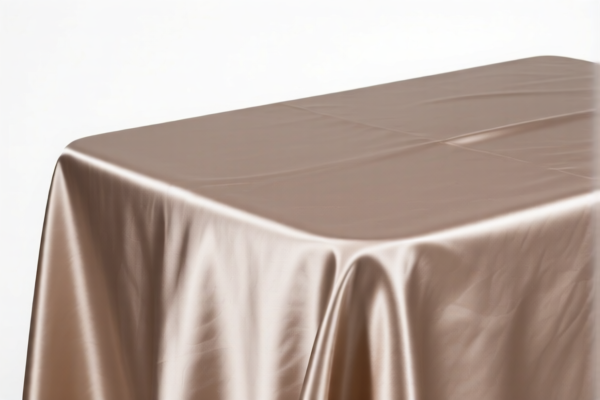
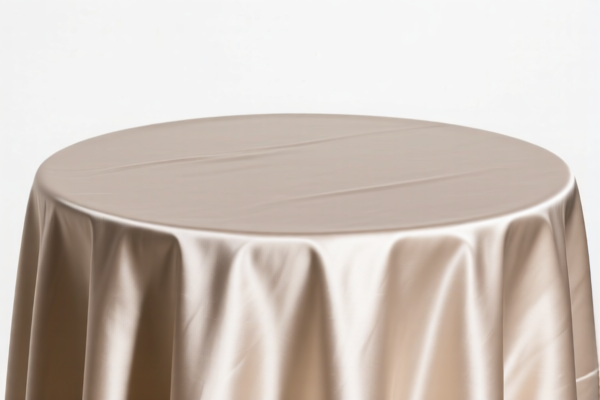
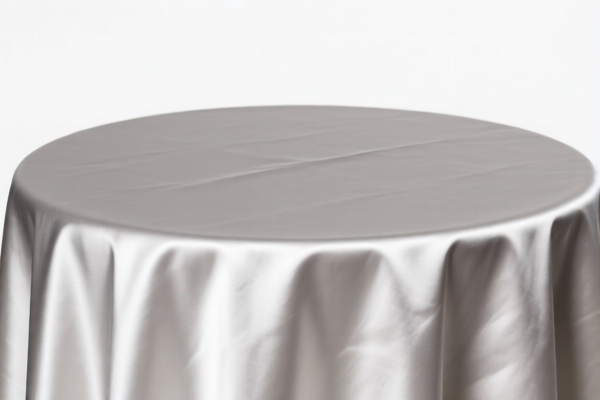
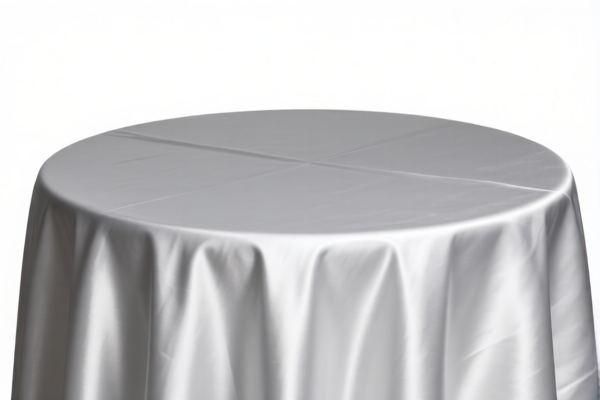
AI分析
🍽️ Silk Woven Tablecloth Fabric (Other Furnishing Articles)
🌐 HS Code Reference & Customs Clearance Guide | 2026 Latest Tariff Analysis | Professional-Level Strategy
📌 I. Product Definition & Classification: Do You Truly Understand "Tablecloth Fabric"?
Silk Woven Tablecloth Fabric falls under the category of "Other furnishing articles, excluding those of heading 9404". In international trade, the distinction between raw materials, finished goods, and specific textile categories is critical for accurate classification.
Key Distinction Points: - Heading 6304 vs. Heading 50 or 51: If the item is a finished tablecloth (a furnishing article), it belongs to Chapter 63 (Other furnished articles). It does not belong to Chapter 50 (Silk) or Chapter 54 (Man-made filaments) unless it is explicitly classified as "fabric" in a specific raw state that doesn't meet the "furnishing article" definition. However, the provided data explicitly places this under Heading 6304. - Knitted/Crocheted vs. Woven: The input specifies "Woven". This excludes items classified under knitted or crocheted categories (often Heading 6304.91 or 6304.92). - Material Composition: The input specifies "Silk". This determines the sub-heading based on the percentage of silk content.
⚠️ Critical Classification Logic: - If the product is a finished tablecloth (even if just cut and hemmed) and is woven and made primarily of silk, it is classified as an "Other furnishing article." - The provided data restricts us to two specific HS Codes within 6304.99.60, both for non-knitted/crocheted items of other textile materials (where silk is a subset or comparable "other" depending on the specific national tariff line interpretation, but here explicitly linked to silk waste or high-silk content).
📦 II. HS Code Classification Details (2026 Latest Tariff Authority Match)
Based strictly on the provided <DATA>, here are the applicable HS Codes for Silk Woven Tablecloth Fabric (classified as Other Furnishing Articles):
| HS Code | Product Description | Key Characteristics | Applicability |
|---|---|---|---|
| 6304.99.60.30 | Other furnishing articles (not knitted/crocheted) | Contains 85% or more by weight of silk or silk waste | High-quality, pure silk tablecloths/fabrics intended for furnishing |
| 6304.99.60.40 | Other furnishing articles (not knitted/crocheted) | Other (899) | Silk content < 85%, or other specific textile materials not meeting the 85% threshold |
🔍 Important Note: - Both codes fall under "Not knitted or crocheted, of other textile materials". This implies that for customs purposes in this specific dataset, silk tablecloths are categorized here rather than in the primary silk chapters if they are considered "furnishing articles." - The critical differentiator is the silk content percentage. - ≥ 85% Silk/Waste → 6304.99.60.30 - < 85% Silk or Other → 6304.99.60.40
💰 III. 2026 Latest Tariff Rate Detailed Breakdown
✅ Applicable Country: USA (US)
✅ Origin: China (CN) [Assumed based on typical context, but rates are specific to the HS code]
✅ Effective Time: Current 2026 Tariff Schedule
🎯 1. 6304.99.60.30 —— Silk Tablecloth Fabric (≥ 85% Silk)
| Item | Content |
|---|---|
| Basic Tariff | 0.0% |
| Additional Tariff (Section 301/IEEPA) | 0.0% |
| Total Tax Rate | 0.0% |
| Tax Calculation | CIF Value × 0% = $0.00 |
| De Minimis Eligibility | ✅ Yes (Likely, due to 0% rate, subject to $800 threshold) |
| Legal Basis | General Rate of Duty for Heading 6304.99.60.30 |
📌 Explanation: - 0.0% Total Tax: This is a zero-duty entry. - Why? Many textile furnishing articles, especially those with high silk content, may benefit from reduced or zero base rates, and crucially, no additional Section 301 or IEEPA tariffs are listed for this specific sub-heading in the provided data. - Strategic Advantage: This is a highly favorable classification for importers, as it avoids the hefty 25% or 10% add-ons often seen on electronics or metals.
🎯 2. 6304.99.60.40 —— Other Furnishing Articles (< 85% Silk or Other Textiles)
| Item | Content |
|---|---|
| Basic Tariff | 0.0% |
| Additional Tariff (Section 301/IEEPA) | 0.0% |
| Total Tax Rate | 0.0% |
| Tax Calculation | CIF Value × 0% = $0.00 |
| De Minimis Eligibility | ✅ Yes (Likely, due to 0% rate) |
| Legal Basis | General Rate of Duty for Heading 6304.99.60.40 |
📌 Explanation: - 0.0% Total Tax: Identical tax treatment to the high-silk version. - No Surcharge: Despite being "Other," this category also escapes additional tariffs in this specific dataset. - Comparison: There is no tariff penalty for lower silk content in this specific heading structure provided.
🛠️ IV. Customs Clearance Operational Advice (Practical Pitfall Guide)
✅ 1. Preparation Checklist (Non-Negotiable)
| Document | Mandatory? | Description |
|---|---|---|
| ✅ Commercial Invoice | ✔️ | Must clearly state: "Silk Woven Tablecloth Fabric," Material Content (e.g., "100% Silk" or "50% Silk/50% Polyester"), and HS Code. |
| ✅ Product Specification Sheet | ✔️ | Detailed composition: Weight per square meter (GSM), Weave type (e.g., Satin, Damask), and exact silk percentage by weight. |
| ✅ Laboratory Test Report | ✔️ | Critical: A third-party test report confirming the silk content percentage. This is the primary evidence for choosing between .60.30 and .60.40. |
| ✅ Packing List | ✔️ | List net/gross weights, number of packages, and dimensions. |
| ✅ Certificate of Origin | ❌ (Optional) | Not strictly needed for US duty calculation here, but good for traceability. |
✅ 2. Declaration Strategy (Key Tips)
🔥 "Declare Composition, Specify Use, Avoid 'Fabric' Ambiguity!"
| Scenario | Correct Declaration | Incorrect Declaration |
|---|---|---|
| Finished Tablecloth (Woven, 100% Silk) | 6304.99.60.30 - "Silk Woven Tablecloth, 100% Silk" |
"Silk Fabric" (Too vague) |
| Tablecloth with 40% Silk | 6304.99.60.40 - "Silk Blend Tablecloth, 40% Silk" |
6304.99.60.30 (Incorrect classification, risk of penalty) |
| Raw Silk Fabric (Not yet a furnishing article) | Risk! May be reclassified to Chapter 50/51. | 6304.99.60.40 (If it meets 'furnishing' criteria) |
📌 Note on "Fabric" vs. "Furnishing Article": - If the item is raw fabric (rolls, not cut, no hemming), Customs may argue it is not a "furnishing article" (Heading 6304) but rather Silk Fabric (Heading 50). - If classified under Heading 50, the tariff rates might be different. However, the provided data only lists Heading 6304. Therefore, ensure the product is marketed/defined as a "Tablecloth" or "Furnishing Article" to stay within the provided HS Codes. - Recommendation: If selling rolls of fabric, verify if it can still be classified under 6304. If not, the provided data may not apply. If selling pre-cut/tablecloths, the provided data is perfectly applicable.
✅ 3. Special Considerations
| Situation | Handling Advice |
|---|---|
| Silk Content Exactly 85% | Choose 6304.99.60.30 (≥ 85%). |
| Silk Content 84.9% | Must choose 6304.99.60.40. |
| Mixed Materials (e.g., Silk/Cotton) | Test report must confirm if silk is ≥ 85%. If not, use .60.40. |
| "Silk Waste" Inclusion | If the item contains ≥ 85% silk or silk waste, it still qualifies for .60.30. |
🌍 V. Global Market Comparison (2026 Latest)
| Country/Region | Recommended HS Code | Tariff Rate | Certification Requirement | Remarks |
|---|---|---|---|---|
| 🇺🇸 USA | 6304.99.60.30 / .40 |
0.0% | None | Zero duty, no additional tariffs. |
| 🇪🇺 EU | 6304.91 / 6304.99 |
0% - 6.5% | CE (if applicable) | EU may classify silk tablecloths under Heading 6304.91 (knitted) or 99 (other). Check specific subheadings. |
| 🇨🇳 China | 6304.91.90 / 6304.99.90 |
6% - 10% | None | Import duties may apply for finished goods. |
| 🇬🇧 UK | 6304.91 / 6304.99 |
0% - 6.5% | None | Post-Brexit tariffs may vary slightly from EU. |
📌 Conclusion: - The USA offers a zero-tariff advantage for both high-silk and other-silk tablecloth fabrics under the provided classification. - No additional Section 301 tariffs apply to these specific HS codes in the provided data, making them cost-effective compared to many other Chinese exports.
📌 VI. Common Errors & Pitfall Guide (Lessons Learned)
❌ Error 1: Classifying "Raw Silk Fabric" as 6304.99.60.30
👉 Consequence: Customs may reject the declaration and reclassify under Chapter 50 (Silk), potentially applying different duty rates (e.g., 5-8%) and requiring additional documentation.
✅ Fix: Ensure the product is defined as a "Furnishing Article" (tablecloth, cushion cover, etc.) and not just "fabric."
❌ Error 2: Misreporting Silk Content
👉 Consequence: If you claim 85% silk but lab tests show 80%, you may face misdeclaration penalties and back-taxes.
✅ Fix: Always include a third-party lab report confirming the exact silk percentage.
❌ Error 3: Ignoring "Woven" vs. "Knitted"
👉 Consequence: Knitted silk tablecloths fall under different subheadings (e.g., 6304.91). Using 6304.99 for knitted items is incorrect.
✅ Fix: Verify the manufacturing process. Woven = 6304.99. Knitted/Crocheted = 6304.91.
🎯 VII. Conclusion: Professional Declaration, Cost-Saving Strategy!
🎯 Remember the Motto:
🔹 "Woven Silk Tablecloth? Check the 85% Line!"
🔹 "≥ 85% Silk → .60.30 | < 85% → .60.40"
🔹 "Zero Duty in USA, But Prove the Composition!"
📌 Pro Tip:
If your product is not a finished furnishing article but raw fabric, consult a customs broker to see if it fits under Chapter 50 (Silk) instead. The provided data assumes it is a furnishing article (Heading 6304). Misclassification here can lead to significant delays.
📣 Immediate Action:
📞 Contact your customs broker with the lab test report and product photos.
🚀 Verify if "Tablecloth" is the correct end-use description to justify Heading 6304.
📉 Leverage the 0% tariff for competitive pricing!
✨ Professional Customs Clearance Starts with Accurate Classification!
💼 Your profit margin depends on every decimal point!
用户评价
关于 HS 编码归类
协调制度(HS)是由世界海关组织(WCO)制定的国际贸易商品分类标准。全球 200 多个国家采用 HS 系统作为海关关税、贸易统计和进出口监管的基础。
每个 HS 编码遵循以下层级结构:
- 章(2 位)——商品大类(例如:第 84 章:机器和机械设备)
- 品目(4 位)——章内的更具体分类
- 子目(6 位)——国际通用细分,所有 WCO 成员国统一使用
- 本国细分(8-10 位)——各国自行扩展的细分编码,如美国 HTSUS 10 位编码
正确的 HS 编码归类对于顺利通关、准确缴纳关税和遵守贸易法规至关重要。错误归类可能导致海关延误、多缴关税或罚款。
从CN进口到US时,适用的关税税率可能包括:
- 最惠国(MFN)税率——适用于 WTO 成员国的标准关税税率
- 普通税率——适用于无贸易协定国家
- 贸易救济关税——附加关税,如 301 条款(反倾销)、232 条款(国家安全)或反补贴税
本页内容仅供参考。如需正式归类,请咨询当地海关或持牌报关代理。