silk yarn
CN → US| HS编码 | 关税税率 | 原产国 | 目的国 | 文档 |
|---|---|---|---|---|
| 5006001000 | 35.0% | CN | US | 官方文档 |
| 5004000000 | 35.0% | CN | US | 官方文档 |
| 5006009000 | 35.0% | CN | US | 官方文档 |
商品图片
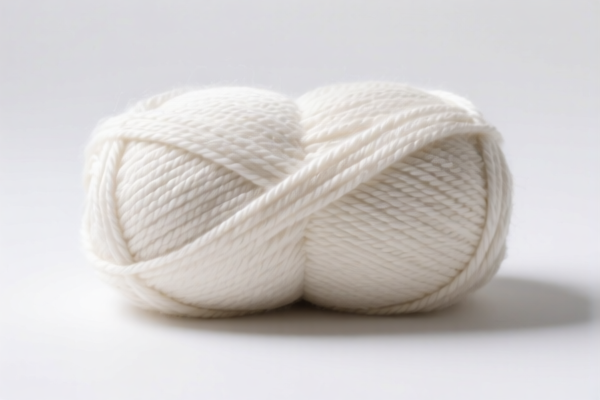
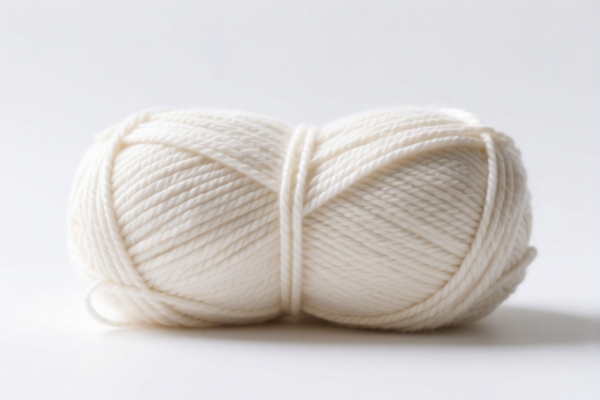


AI分析
🧵 Silk Yarn (True Silk & Raw Silk Threads)
🌐 HS Code Reference & Customs Clearance Guide | 2026 Latest Tariff Analysis | Professional Clearance Strategy
📌 One, Product Definition and Classification: Do You Really Understand "Silk Yarn"?
Silk yarn, in international trade, refers specifically to filaments or spun threads made from natural silk fibers (primarily from Bombyx mori or wild silkworms). Unlike synthetic or semi-synthetic fibers, true silk yarn is classified under Chapter 50 of the Harmonized System. It is strictly defined by its material (silk) and form (yarn/threads), distinguishing it from silk fabrics (Chapter 51/61) or silk waste (Chapter 50 specific subheads).
In the context of importing into the United States, the classification hinges on whether the yarn is made from raw silk, thrown silk, or silk waste, and its specific manufacturing stage.
⚠️ Key Distinction Point:
- Raw/Thrown Silk Yarn: Continuous filaments or spun threads from raw silk → 5004 / 5006
- Silk Waste Yarn: Yarn spun from noils, waste, or broken threads → 5006.00.90.00
- Note: "Silk" here strictly means natural protein fiber. Polyester "silky" fabrics do not belong here.
📦 Two, HS Code Classification Details (2026 Latest Tariff Authority对照)
| HS Code | Product Description | Applicable Scenario | Material Form |
|---|---|---|---|
5006.00.10.00 |
Silk yarn, other than yarn spun from silk waste; silk yarn waste yarn | Pure silk yarn, high-quality continuous filaments or spun silk | ✅ Pure Silk |
5004.00.00.00 |
Silk yarn, other than yarn spun from silk waste | True silk yarn, continuous filaments (thrown silk) | ✅ True Silk |
5006.00.90.00 |
Silk yarn, other than yarn spun from silk waste; yarn spun from noils of silk | Yarn made from silk waste, noils, or recycled silk fibers | ✅ Silk Waste/Noils |
🔍 Key Reminder:
- All pure silk yarns (whether continuous filaments or spun from raw silk) generally fall under 5004.00.00.00 or 5006.00.10.00, depending on specific sub-classification nuances in USHT.
- Yarn made from silk waste/noils is specifically classified under 5006.00.90.00.
- Misclassification Risk: Do not confuse "silk yarn" with "synthetic yarn dyed to look like silk." Synthetic yarns fall under Chapters 54 or 55.
💰 Three, 2026 Latest Tariff Rate Details (Including Surtaxes, Policy Surcharges)
✅ Applicable Country: United States (US)
✅ Origin: China (CN)
✅ Effective Date: 2025年11月10日起 (Including subsequent imports)
🎯 1. 5006.00.10.00 —— Silk Yarn (Other than waste yarn)
| Item | Content |
|---|---|
| Base Tariff Rate | 0.0% (ad valorem) |
| Section 301 Surcharge | +25.0% (from USITC Footnote 9903.88.01) |
| Section 122 Surcharge | +10.0% (Specific surcharge for Chinese silk products) |
| Total Tax Rate | 35.0% |
| Tax Calculation | CIF Value × 35% |
| De Minimis Exemption | ❌ Not Applicable (deny_de_minimis) |
| Legal Basis Path | 301:9903.01.25 → 122:Specific Silk Provision → USITC:5006.00.10.00 → FOOTNOTE:9903.88.01 |
📌 Explanation:
- The 25% is the standard Section 301 tariff for many Chinese textile inputs.
- The 10% is an additional "Section 122" tariff specifically targeting silk and silk products from China, reflecting recent trade policy adjustments.
- Total 35%, this is a high tariff category. Cost prediction must include this full amount.
🎯 2. 5004.00.00.00 —— Silk Yarn (True Silk, Continuous Filaments)
| Item | Content |
|---|---|
| Base Tariff Rate | 0.0% |
| Section 301 Surcharge | +25.0% |
| Section 122 Surcharge | +10.0% |
| Total Tax Rate | 35.0% |
| Tax Calculation | CIF × 35% |
| De Minimis Exemption | ❌ Not Applicable |
| Legal Basis Path | 301:9903.01.24 → 122:Specific Silk Provision → USITC:5004.00.00.00 → FOOTNOTE:9903.88.01 |
📌 Note:
- Same rate as above. Even if the yarn is high-grade raw silk thread, it is subject to the same dual surcharges.
- Applies to continuous filaments (thrown silk) used in weaving or knitting.
🎯 3. 5006.00.90.00 —— Silk Yarn from Waste/Noils
| Item | Content |
|---|---|
| Base Tariff Rate | 0.0% |
| Section 301 Surcharge | +25.0% |
| Section 122 Surcharge | +10.0% |
| Total Tax Rate | 35.0% |
| Tax Calculation | CIF × 35% |
| De Minimis Exemption | ❌ Not Applicable |
| Legal Basis Path | 301:9903.01.25 → 122:Specific Silk Provision → USITC:5006.00.90.00 → FOOTNOTE:9903.88.01 |
📌 Note:
- Although it is "waste" yarn, it is still considered a textile product of Chinese origin.
- The 35% total rate applies equally to waste silk yarn. There is no reduced rate for recycled silk content in this context under current US tariffs.
🛠️ Four, Customs Clearance Practical Advice (Real-World Pitfall Avoidance Guide)
✅ 1. Documentation Checklist (Missing Any One May Cause Delays)
| Document | Mandatory | Description |
|---|---|---|
| ✅ Product Specification Sheet | ✔️ | Must specify: Fiber content (100% Silk), Type (Spun/Thrown), Count (Nm/Ne), Color |
| ✅ Manufacturing Process Flow | ✔️ | To distinguish between "raw silk yarn" (5004/5006.10) and "waste yarn" (5006.90) |
| ✅ Product Photos (Including Label) | ✔️ | Clear view of spool, label, and fiber texture |
| ✅ Commercial Invoice | ✔️ | Must clearly state "Silk Yarn" and HS Code |
| ✅ Packing List | ✔️ | Detail net/gross weight, number of spools |
| ✅ Origin Certificate (CO) | ✔️ | Required to prove Chinese origin (triggers surcharges) |
| ✅ Lab Test Report | ✔️ | Fiber composition test (Microscopic analysis or Chemical dissolution) to prove it is Natural Silk |
✅ 2. Declaration Tips (Key Mantra)
🔥 "Pure Silk Declare 35, Waste Silk Also 35, Do Not Mix With Synthetic, Or Tax Will Double!"
| Scenario | Correct Declaration | Wrong Practice |
|---|---|---|
| 100% Mulberry Silk Yarn | 5004.00.00.00 or 5006.00.10.00 |
Misreport as "Textile Thread" (Generic) → High Audit Risk |
| Silk Yarn Mixed with Polyester | Not Chapter 50 | Declare as Silk Yarn → Smuggling/False Declaration |
| Silk Waste Yarn | 5006.00.90.00 |
Declare as Raw Silk Yarn → Over-declare quality, potential penalty |
| Synthetic "Silk" (Polyester/Rayon) | Chapter 54/55 | Declare as Silk Yarn → 35% vs 0-5% Difference! |
✅ 3. Special Case Handling
| Situation | Handling Advice |
|---|---|
| OEM Silk Yarn for Luxury Brands | Provide brand authorization + detailed specs. Ensure "Silk" is proven by lab test. |
| Silk Yarn with Blends | If >50% silk by weight, may still be Class 50, but check USHT Note 2. Consult a specialist. |
| Sample Imports | Even samples are subject to 35% tariff if classified as silk yarn. Use "Gift" declaration only if value < $800 and not for resale. |
| Silk Yarn for Embroidery | Same classification. Do not declare as "Needlework" (Chapter 63) unless it is finished embroidery. |
🌍 Five, Global Major Market Clearance Comparison (2026 Latest)
| Country/Region | Recommended HS Code | Tariff (China Origin) | Certification Requirements | Notes |
|---|---|---|---|---|
| 🇺🇸 USA | 5004.00.00.00 / 5006.00.10.00 |
35% (25% Sec 301 + 10% Sec 122) | None specific | High tariff, strict fiber testing |
| 🇨🇳 China | 5004.00.00.00 |
5% | None | Low tariff for domestic |
| 🇪🇺 EU | 5004.00.00 |
0% (if GSP/Zero) | OEKO-TEX (Recommended) | No US-style surcharges |
| 🇯🇵 Japan | 5004.00.00 |
0% | JIS Standards | Zero tariff for silk yarn |
📌 Conclusion:
- USA is the most expensive market for silk yarn due to the 10% Section 122 + 25% Section 301 surcharge.
- EU and Japan offer much better tariff conditions (often 0%).
- Strategic Tip: If targeting the US, consider third-country processing (e.g., Vietnam, Italy) to avoid surcharges, if feasible.
📌 Six, Common Mistakes & Pitfall Guide (Lessons Learned)
❌ Mistake 1: Declaring "Synthetic Silk" (Polyester) as Natural Silk Yarn
👉 Consequence: Tariff jumps from ~5% to 35%. Plus, risk of penalty for false declaration.
Correction: Always provide a Fiber Content Test Report.
❌ Mistake 2: Mixing "Silk Yarn" with "Silk Fabric" in one shipment
👉 Consequence: HS Code mismatch. Silk fabric (e.g., 5007) has different tariffs.
Correction: Separate shipments or accurate line-item declarations.
❌ Mistake 3: Ignoring the "122 Clause" for Silk
👉 Consequence: Underestimating costs by 10%.
Correction: Budget for 35% total duty, not just 25%.
❌ Mistake 4: Using vague descriptions like "Thread" or "String"
👉 Consequence: Customs may reclassify to a higher duty or general textile category.
Correction: Use precise term: "Natural Silk Yarn, 100% Bombyx Mori".
✅ Correct Approach:
"Silk Yarn, 100% Natural Mulberry Silk, Continuous Filament, 2/20/22 Denier, Dyed Black, Spooled, HS Code 5004.00.00.00"
🎯 Seven, Conclusion: Professional Declaration Saves Money!
🎯 Remember the Mantra:
🔹 "Silk Yarn to US: 35% Total Duty (25+10)"
🔹 "Fiber Test is Key: Proves Natural, Avoids Fraud"
🔹 "Don't Mix Synthetic: 35% vs 5% is a Huge Gap"
📌 Pro Tip:
If your silk yarn is originating from Italy, France, or Vietnam, you avoid the Chinese surcharges entirely.
For US imports, consider Advance Ruling (Pro Ruling) from CBP to confirm the exact HS Code and tariff application, especially for borderline cases (e.g., silk blends).
📣 Immediate Action:
📞 Contact a licensed customs broker + Provide Fiber Test Report + Apply for Pre-Ruling if volume is large
🚀 Ensure your silk yarn clears US customs smoothly, avoiding unexpected 35% shocks!
✨ Professional Clearance Starts with Accurate Classification!
💼 Every cent of duty counts in the textile trade!
用户评价
关于 HS 编码归类
协调制度(HS)是由世界海关组织(WCO)制定的国际贸易商品分类标准。全球 200 多个国家采用 HS 系统作为海关关税、贸易统计和进出口监管的基础。
每个 HS 编码遵循以下层级结构:
- 章(2 位)——商品大类(例如:第 84 章:机器和机械设备)
- 品目(4 位)——章内的更具体分类
- 子目(6 位)——国际通用细分,所有 WCO 成员国统一使用
- 本国细分(8-10 位)——各国自行扩展的细分编码,如美国 HTSUS 10 位编码
正确的 HS 编码归类对于顺利通关、准确缴纳关税和遵守贸易法规至关重要。错误归类可能导致海关延误、多缴关税或罚款。
从CN进口到US时,适用的关税税率可能包括:
- 最惠国(MFN)税率——适用于 WTO 成员国的标准关税税率
- 普通税率——适用于无贸易协定国家
- 贸易救济关税——附加关税,如 301 条款(反倾销)、232 条款(国家安全)或反补贴税
本页内容仅供参考。如需正式归类,请咨询当地海关或持牌报关代理。