simulation pampas grass
CN → US| HS编码 | 关税税率 | 原产国 | 目的国 | 文档 |
|---|---|---|---|---|
| 4602900000 | 38.5% | CN | US | 官方文档 |
| 6702903500 | 19.0% | CN | US | 官方文档 |
| 6702906500 | 34.5% | CN | US | 官方文档 |
| 4602198000 | 37.3% | CN | US | 官方文档 |
| 6702903500 | 19.0% | CN | US | 官方文档 |
商品图片
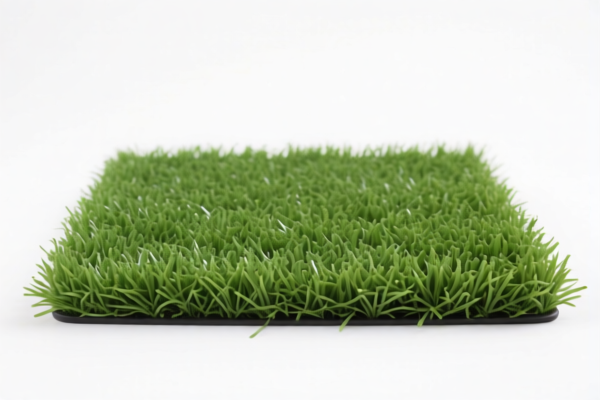
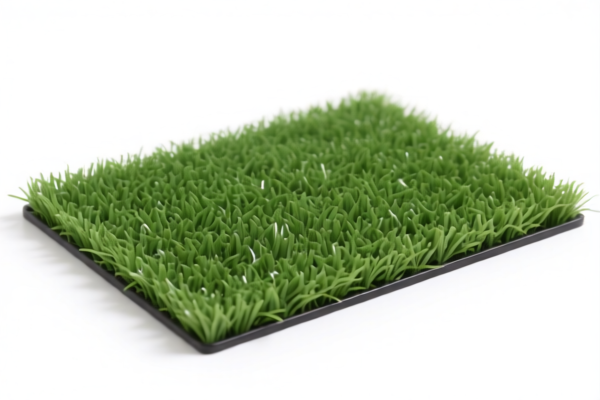
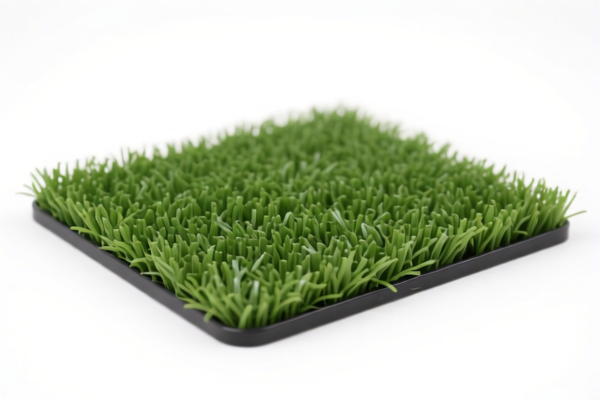
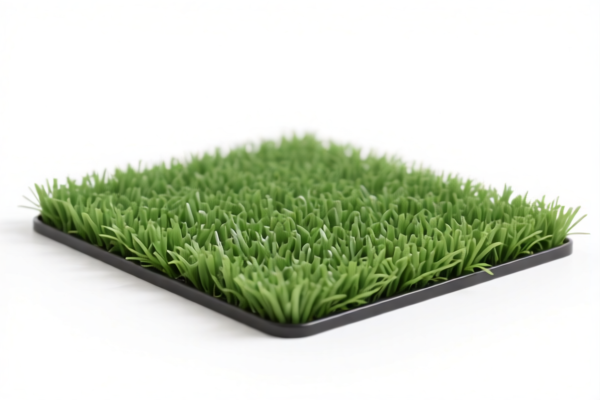
AI分析
🌾 Simulation Pampas Grass (Artificial Reed/Bushes)
🌐 HS Code Reference & Customs Clearance Guide | 2026 Latest Tariff Analysis | Professional Customs Strategy
📌 I. Product Definition & Classification: Do You Really Understand "Simulation Pampas Grass"?
Simulation Pampas Grass, often used in home decor, events, and landscaping, is a decorative artificial plant. In international trade, its classification depends heavily on material composition and manufacturing process. It is generally divided into two main categories:
1. Woven/Basketry Articles (Natural Material Imitation):
Products made by weaving plant-based fibers (even if synthetic or processed to look natural), falling under Chapter 46.
2. Artificial Plants (Fiber/Synthetic):
Products made from plastic, silk, or other synthetic fibers molded to resemble plants, falling under Chapter 67.
⚠️ Key Distinction Point:
- If the product is primarily woven and made of non-plastic natural-looking fibers (even if synthetic) → Classified under 4602.xx
- If the product is primarily molded/fabricated from plastic or synthetic fibers to look like a plant → Classified under 6702.xx
📦 II. HS Code Classification Details (2026 Latest Tariff Authority对照)
| HS Code | Product Description | Material Inference | Tax Rate |
|---|---|---|---|
4602.90.00.00 |
Woven articles and products of vegetable materials (Other) | Non-natural plant material, woven structure | 38.5% |
6702.90.35.00 |
Artificial plants, parts, and fruits (Plastic) | Inferred as artificial fibers/plastic | 19.0% |
6702.90.65.00 |
Artificial plants, parts, and fruits (Other materials) | Non-plastic synthetic or other materials | 34.5% |
4602.19.80.00 |
Woven articles of vegetable materials (Other) | Based on simulation attribute, inferred as woven plant material | 37.3% |
🔍 Key Reminder:
- Woven vs. Molded: If the grass stems are woven or braided, it leans toward 4602. If they are molded or knitted from synthetic fibers, it leans toward 6702.
- Material Matters: Plastic-based artificial plants generally have lower base tariffs but may still face additional duties.
- US Sanctions: All codes listed below include Section 301 (25%) and Section 122 (10%) tariffs for China-origin goods, significantly impacting total cost.
💰 III. 2026 Latest Tariff Rate Breakdown (Including Surtaxes & Policy Add-ons)
✅ Applicable Country: United States (US)
✅ Country of Origin: China (CN)
✅ Effective Time: From 2025-11-10 onwards (including subsequent imports)
🎯 1. 4602.90.00.00 —— Woven Articles & Vegetable Material Products (Other)
| Item | Detail |
|---|---|
| Base Tariff | 3.5% |
| Section 301 Surcharge | +25.0% |
| Section 122 Surcharge | +10.0% |
| Total Tariff | 38.5% |
| Tax Calculation | CIF Value × 38.5% |
| De Minimis Exemption? | ❌ No (Not eligible for de minimis) |
| Legal Basis | HTSUS 4602.90.00 + Section 301 Footnote + Section 122 |
📌 Explanation:
- This classification applies if the pampas grass is considered a woven product (e.g., bundled and tied in a way that resembles basketry).
- The 38.5% total tariff is quite high. Importers should verify if the manufacturing process truly qualifies as "woven" under Chapter 46.
🎯 2. 6702.90.35.00 —— Artificial Plants, Plastic-Based
| Item | Detail |
|---|---|
| Base Tariff | 9.0% |
| Section 301 Surcharge | 0.0% (Note: Some plastic items may be exempt from 301, but check latest updates) |
| Section 122 Surcharge | +10.0% |
| Total Tariff | 19.0% |
| Tax Calculation | CIF Value × 19.0% |
| De Minimis Exemption? | ❌ No (Even if base is low, 122 applies) |
| Legal Basis | HTSUS 6702.90.35 + Section 122 |
📌 Explanation:
- This is the most cost-effective classification if the product is made of plastic or synthetic fibers and molded into plant shapes.
- Why only 19%? While the base tariff is 9%, Section 122 adds 10%. Note: Section 301 (25%) does not apply to this specific subheading under current rules, making it significantly cheaper than others.
- Crucial: Ensure the product is clearly identifiable as artificial plant and not woven.
🎯 3. 6702.90.65.00 —— Artificial Plants, Other Materials (Non-Plastic)
| Item | Detail |
|---|---|
| Base Tariff | 17.0% |
| Section 301 Surcharge | +7.5% |
| Section 122 Surcharge | +10.0% |
| Total Tariff | 34.5% |
| Tax Calculation | CIF Value × 34.5% |
| De Minimis Exemption? | ❌ No |
| Legal Basis | HTSUS 6702.90.65 + Section 301 & 122 |
📌 Explanation:
- Applies if the material is neither plastic nor traditional natural fiber (e.g., certain synthetic blends or non-woven fabrics).
- The total tariff is 34.5%, which is high but slightly lower than the woven classifications.
🎯 4. 4602.19.80.00 —— Woven Articles of Vegetable Materials (Other)
| Item | Detail |
|---|---|
| Base Tariff | 2.3% |
| Section 301 Surcharge | +25.0% |
| Section 122 Surcharge | +10.0% |
| Total Tariff | 37.3% |
| Tax Calculation | CIF Value × 37.3% |
| De Minimis Exemption? | ❌ No |
| Legal Basis | HTSUS 4602.19.80 + Section 301 & 122 |
📌 Explanation:
- Similar to4602.90.00.00, but potentially with a slightly lower base tariff.
- Still faces the full 25% Section 301 surcharge, resulting in a high total cost.
🛠️ IV. Customs Clearance Practical Advice (Pitfall Avoidance Guide)
✅ 1. Documentation Checklist (Mandatory)
| Document | Required | Notes |
|---|---|---|
| ✅ Product Specification Sheet | ✔️ | Must clearly state material composition (e.g., 100% Polyethylene, Silk, Plastic) |
| ✅ Photos (Close-up & Full) | ✔️ | Show texture, weaving method, or molding process to prove if it's "woven" or "molded" |
| ✅ Commercial Invoice | ✔️ | Describe as "Artificial Pampas Grass for Decoration" |
| ✅ Packing List | ✔️ | Include weight, dimensions, and quantity |
| ✅ Certificate of Origin (CO) | ✔️ | If not from China, may avoid Section 122/301 |
| ✅ Material Test Report | ✔️ | To confirm if it's plastic or fiber (critical for 6702 vs. 4602) |
✅ 2. Declaration Tips (Key Mnemonic)
🔥 "Material Determines HS, Woven = 4602, Molded = 6702, Plastic = Cheapest!"
| Scenario | Correct Declaration | Wrong Declaration |
|---|---|---|
| Plastic/Synthetic Fiber Pampas Grass | 6702.90.35.00 (19%) |
Declare as "Woven" → 38.5% |
| Woven Bundle of Natural/Fake Reeds | 4602.90.00.00 (38.5%) |
Declare as "Plastic Plant" → Risk of penalty |
| Mixed Materials | Provide Material Breakdown | Vague description → Customs may reclassify |
| Small Value Shipment | Still subject to 122% if from China | Assume de minimis applies → Audit Risk |
✅ 3. Special Considerations
| Situation | Handling Advice |
|---|---|
| OEM Custom Colors | Provide color swatches and material certs to prove uniformity |
| "Eco-Friendly" Claims | Do not mislead customs; if not truly biodegradable, do not claim natural |
| Pre-Assembled vs. Bulk | If assembled (potted), still classified as artificial plant, not "decorative item" |
| Origin Shift | If shipped from Vietnam/Malaysia, may avoid Section 122/301 (verify rules of origin) |
🌍 V. Global Market Comparison (2026 Latest)
| Country/Region | Recommended HS Code | Tariff (China Origin) | Certification | Notes |
|---|---|---|---|---|
| 🇺🇸 USA | 6702.90.35.00 |
19% (Best Option) | None Specific | Avoid 4602 if possible due to high surcharges |
| 🇨🇳 China | 6702.90.35.00 |
9% | None | No additional surcharges |
| 🇪🇺 EU | 6702.90.35.00 |
0% (if under 0.01 EUR de minimis) | CE (if electrical, not applicable) | Low base tariff |
| 🇬🇧 UK | 6702.90.35.00 |
5-8% | UKCA | Post-Brexit rules apply |
| 🇦🇺 Australia | 6702.90.35.00 |
5% | RCM | No additional surcharges |
📌 Conclusion:
- USA is the most expensive market due to Section 301 and 122 tariffs.
- Plastic-based artificial plants (6702.90.35.00) are the most cost-effective for US importers.
- Avoid4602classifications unless the product is genuinely woven and cannot be classified elsewhere, as the 38.5% rate is burdensome.
📌 VI. Common Mistakes & Pitfalls (Lessons Learned)
❌ Mistake 1: Declaring plastic pampas grass as "Woven Basketry" (4602)
👉 Result: 38.5% tariff instead of 19% → Overpayment of 19.5% on CIF value.
❌ Mistake 2: Ignoring Section 122 Tariff
👉 Result: Even if base tariff is 0%, 10% Section 122 applies to all China-origin goods under $800. Do not assume de minimis exemption.
❌ Mistake 3: Vague Description "Artificial Grass"
👉 Result: Customs may assign highest possible duty rate or request detailed material tests → Delays.
❌ Mistake 4: Assuming All Artificial Plants Are the Same
👉 Result: 6702.90.65.00 (34.5%) vs. 6702.90.35.00 (19%) → 15.5% difference. Material definition is key.
✅ Correct Approach:
"Artificial Pampas Grass Stems, Made of 100% Polyethylene Plastic, Molded, for Home Decoration, Model XYZ"
🎯 VII. Conclusion: Precise Classification Saves Money!
🎯 Remember the Mantra:
🔹 "Plastic = 6702 = 19% (Best for US)"
🔹 "Woven = 4602 = 38.5% (Avoid if Possible)"
🔹 "Section 122 Always Applies (10%)!"
📌 Pro Tip:
If your pampas grass is made of plastic or synthetic fibers, always aim for 6702.90.35.00. Provide material test reports to prove it's not "woven" to avoid the higher 4602 classification.
📣 Immediate Action:
📞 Consult your customs broker with material composition data
🚀 Apply for Advance Ruling if unsure about "Woven" vs. "Molded"
💼 Save 19.5% in tariffs by choosing the correct HS Code!
✨ Professional Customs Clearance Starts with Accurate Classification!
💼 Every Percent Saved is Pure Profit!
用户评价
关于 HS 编码归类
协调制度(HS)是由世界海关组织(WCO)制定的国际贸易商品分类标准。全球 200 多个国家采用 HS 系统作为海关关税、贸易统计和进出口监管的基础。
每个 HS 编码遵循以下层级结构:
- 章(2 位)——商品大类(例如:第 84 章:机器和机械设备)
- 品目(4 位)——章内的更具体分类
- 子目(6 位)——国际通用细分,所有 WCO 成员国统一使用
- 本国细分(8-10 位)——各国自行扩展的细分编码,如美国 HTSUS 10 位编码
正确的 HS 编码归类对于顺利通关、准确缴纳关税和遵守贸易法规至关重要。错误归类可能导致海关延误、多缴关税或罚款。
从CN进口到US时,适用的关税税率可能包括:
- 最惠国(MFN)税率——适用于 WTO 成员国的标准关税税率
- 普通税率——适用于无贸易协定国家
- 贸易救济关税——附加关税,如 301 条款(反倾销)、232 条款(国家安全)或反补贴税
本页内容仅供参考。如需正式归类,请咨询当地海关或持牌报关代理。