small item storage bag
CN → US| HS编码 | 关税税率 | 原产国 | 目的国 | 文档 |
|---|---|---|---|---|
| 4202923131 | 52.6% | CN | US | 官方文档 |
| 3923290000 | 38.0% | CN | US | 官方文档 |
| 6305330040 | 25.9% | CN | US | 官方文档 |
| 6307909891 | 24.5% | CN | US | 官方文档 |
| 6307908940 | 17.0% | CN | US | 官方文档 |
| 3923210095 | 38.0% | CN | US | 官方文档 |
商品图片

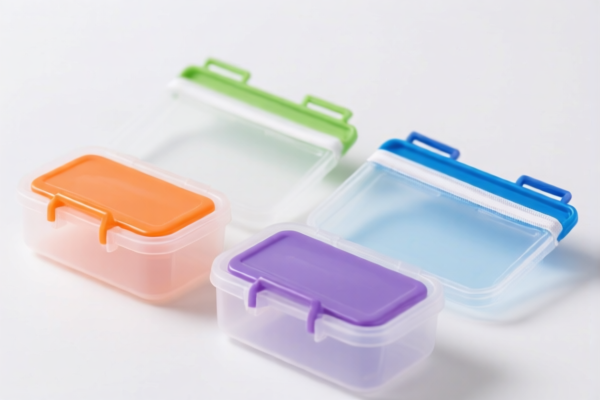

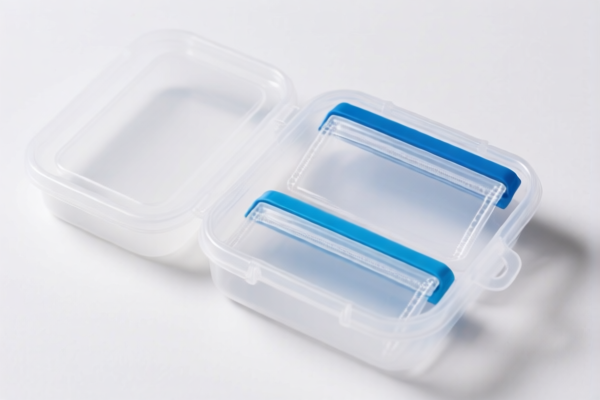
AI分析
🎒 Small Item Storage Bag (Pouches, Pouches for Accessories)
🌐 HS Code Reference & Customs Clearance Guide | 2026 Latest Tariff Analysis | Professional Entry Strategy
📌 Part I: Product Definition & Classification: What is a "Small Item Storage Bag"?
A "Small Item Storage Bag" is a versatile container used for organizing and protecting personal accessories. In international trade, its classification depends heavily on material composition and specific design/function. It is not a single HS code but a category that spans textiles, plastics, and miscellaneous manufactured articles.
⚠️ Key Differentiation Point:
- If made of textiles (nylon, polyester, cotton) → Look at Chapter 42 or 63.
- If made of plastics (PVC, PE, PP) → Look at Chapter 39.
- If made of cotton specifically → Look at Chapter 63 (special rules apply).
📦 Part II: HS Code Classification Details (Based on Provided Data)
| HS Code | Product Description | Material Inference | Total Tax Rate | Key Tax Components |
|---|---|---|---|---|
4202.92.31.31 |
Other travel, sports, and similar bags | Textile Material (Inferred) | 52.6% | Base: 17.6% + Section 301: 25% + Section 122: 10% |
3923.29.00.00 |
Other Sacks and Bags (Plastic) | Plastic Material (Inferred) | 38.0% | Base: 3.0% + Section 301: 25% + Section 122: 10% |
6305.33.00.40 |
sacks and bags, for packaging | Textile or Plastic (Packaging Type) | 25.9% | Base: 8.4% + Section 301: 7.5% + Section 122: 10% |
6307.90.98.91 |
Other made-up articles | Cotton Material | 24.5% | Base: 7.0% + Section 301: 7.5% + Section 122: 10% |
6307.90.89.40 |
Other made-up articles (Cotton-like) | Cotton Material | 17.0% | Base: 7.0% + Section 301: 0.0% + Section 122: 10% |
3923.21.00.95 |
Sacks and bags, of polymers of ethylene | Plastic (Polyethylene/PE) | 38.0% | Base: 3.0% + Section 301: 25% + Section 122: 10% |
🔍 Critical Insight:
- Cotton Bags (6307.90.89.40) offer the lowest tax burden (17.0%) due to the 0% Section 301 rate.
- Travel/Sports Bags (4202.92.31.31) face the highest tax (52.6%) if classified under Chapter 42.
- Plastic Bags vary significantly depending on whether they are classified as "sacks/bags for packaging" (6305) or "other sacks" (3923).
💰 Part III: 2026 Latest Tariff Rate Breakdown
✅ Applicable Country: United States (US)
✅ Origin: China (CN)
✅ Effective Date: 2025+ (Current Trade Policy)
🎯 1. 4202.92.31.31 – Travel/Sports Bags (Textile)
| Item | Detail |
|---|---|
| Base Rate | 17.6% |
| Section 301 Tariff | +25.0% |
| Section 122 Tariff | +10.0% |
| Total Effective Rate | 52.6% |
| De Minimis Exemption | ❌ Not Eligible (High value threshold issues) |
| Legal Basis | USITC Tariff Schedule + Trade Remedies |
📌 Explanation:
- Classified as "Other bags" with outer surface of textile materials.
- Subject to high Section 301 duties, making this the most expensive option.
🎯 2. 3923.29.00.00 – Other Plastic Sacks/Bags
| Item | Detail |
|---|---|
| Base Rate | 3.0% |
| Section 301 Tariff | +25.0% |
| Section 122 Tariff | +10.0% |
| Total Effective Rate | 38.0% |
| De Minimis Exemption | ❌ Not Eligible |
| Legal Basis | USITC Tariff Schedule |
📌 Explanation:
- Broad category for plastic bags not specified elsewhere.
- High Section 301 duty applies.
🎯 3. 6305.33.00.40 – Packaging Sacks/Bags (Textile/Plastic)
| Item | Detail |
|---|---|
| Base Rate | 8.4% |
| Section 301 Tariff | +7.5% |
| Section 122 Tariff | +10.0% |
| Total Effective Rate | 25.9% |
| De Minimis Exemption | ❌ Not Eligible |
| Legal Basis | USITC Tariff Schedule |
📌 Explanation:
- If the bag is primarily used for packaging goods (not personal travel), this classification may apply.
- Lower Section 301 rate (7.5%) compared to general plastic bags.
🎯 4. 6307.90.98.91 – Other Made-up Articles (Cotton)
| Item | Detail |
|---|---|
| Base Rate | 7.0% |
| Section 301 Tariff | +7.5% |
| Section 122 Tariff | +10.0% |
| Total Effective Rate | 24.5% |
| De Minimis Exemption | ❌ Not Eligible |
| Legal Basis | USITC Tariff Schedule |
📌 Explanation:
- Specifically for cotton small item bags.
- Moderate Section 301 rate.
🎯 5. 6307.90.89.40 – Other Made-up Articles (Cotton-like)
| Item | Detail |
|---|---|
| Base Rate | 7.0% |
| Section 301 Tariff | +0.0% |
| Section 122 Tariff | +10.0% |
| Total Effective Rate | 17.0% |
| De Minimis Exemption | ❌ Not Eligible |
| Legal Basis | USITC Tariff Schedule |
📌 Explanation:
- LOWEST TAX OPTION.
- Applies to cotton-made small item bags with specific exclusion codes.
- Zero Section 301 duty makes this highly attractive for cost optimization.
🎯 6. 3923.21.00.95 – Polyethylene Sacks/Bags
| Item | Detail |
|---|---|
| Base Rate | 3.0% |
| Section 301 Tariff | +25.0% |
| Section 122 Tariff | +10.0% |
| Total Effective Rate | 38.0% |
| De Minimis Exemption | ❌ Not Eligible |
| Legal Basis | USITC Tariff Schedule |
📌 Explanation:
- Specifically for bags made of polymers of ethylene (PE).
- Same high tax rate as other plastic bags due to Section 301.
🛠️ Part IV: Customs Clearance Practical Advice
✅ 1. Documentation Checklist (All Items Required)
| Document | Required? | Notes |
|---|---|---|
| Commercial Invoice | ✔️ | Must clearly state material composition (e.g., "100% Cotton," "PE Plastic"). |
| Product Photos | ✔️ | Show interior lining, closures, and any labels. |
| Material Declaration | ✔️ | Explicitly declare fiber content (e.g., Cotton, Polyester, PVC). |
| Packing List | ✔️ | Detail dimensions and weight per bag. |
| Design Specs | ✔️ | If claiming "Travel Bag" (Ch 42), show zippers, handles, shoulder straps. |
| Origin Certificate | ✔️ | If applicable for preferential treatment (not available for China origin currently). |
✅ 2. Classification Strategy (Key Tips)
🔥 "Material Determines Code, Function Determines Sub-Code!"
| Scenario | Recommended HS Code | Why? |
|---|---|---|
| Small cosmetic pouch made of cotton | 6307.90.89.40 |
17.0% tax – Lowest duty. Ensure it's clearly cotton. |
| Small cotton pouch without exclusions | 6307.90.98.91 |
24.5% tax – Standard cotton bag. |
| Zippered nylon wallet/case | 4202.92.31.31 |
52.6% tax – Classified as "Travel Bag" due to structure. |
| Simple plastic pouch for retail packaging | 6305.33.00.40 |
25.9% tax – If used for packaging goods, not personal carry. |
| Generic plastic zip-lock bag | 3923.29.00.00 |
38.0% tax – Standard plastic bag. |
| PE plastic bag | 3923.21.00.95 |
38.0% tax – Specific to polyethylene. |
✅ 3. Special Considerations
| Situation | Advice |
|---|---|
| Misclassification Risk | Do NOT classify a plastic bag as "Textile" to save tax. Customs will inspect and penalize. |
| "Travel Bag" Definition | If the bag has shoulder straps, handles, and is designed for personal use (not just packaging), it may be classified under Ch 42 (4202), leading to 52.6% tax. |
| Packaging vs. Personal Use | Bags intended solely for packaging goods (e.g., sending jewelry) can often be classified under 6305, saving significant duties compared to personal-use bags. |
| Material Declaration | Be precise. "Fabric" is vague. Use "100% Cotton" or "Polyester Blend" to ensure correct Chapter placement. |
🌍 Part V: Market Comparison (2026)
| Market | Recommended HS Code | Est. Total Tax | Notes |
|---|---|---|---|
| 🇺🇸 USA | 6307.90.89.40 (Cotton) |
17.0% | Lowest possible for small item bags. |
| 🇺🇸 USA | 4202.92.31.31 (Textile Travel) |
52.6% | Highest tax due to Ch 42 classification. |
| 🇨🇳 China | Varies | ~5-15% | Generally lower tariffs, no Section 301. |
| 🇪🇺 EU | Varies | 0-4% | No Section 301 equivalent; VAT applies separately. |
📌 Conclusion:
- USA is the most expensive market for small item storage bags due to Section 301 and 122 tariffs.
- Cotton bags (6307) are the most tax-efficient choice for the US market.
- Avoid Ch 42 (4202) unless the product is clearly a high-end travel/sports bag, as the 52.6% tax is prohibitive.
📌 Part VI: Common Mistakes & Pitfalls
❌ Mistake 1: Calling a plastic bag a "Fabric Bag" to avoid plastic tariffs.
👉 Result: Customs rejection, fines, and retroactive taxes.
❌ Mistake 2: Classifying a personal cosmetic pouch as "Packaging" (6305) when it’s clearly for personal use.
👉 Result: Re-classification to 4202 (52.6%) or 6307 with penalties.
❌ Mistake 3: Ignoring Section 122 (10%).
👉 Result: Underpayment of duties. This tariff applies to almost all Chinese-origin goods in this category.
✅ Correct Approach:
"Be truthful about material. Define use clearly. Optimize for Cotton if possible."
🎯 Part VII: Conclusion
🎯 Key Takeaway:
🔹 Cotton Bags (
6307.90.89.40) = 17.0% (Best Option)
🔹 Packaging Bags (6305.33.00.40) = 25.9% (Good Option)
🔹 Plastic Bags (3923) = 38.0% (Average)
🔹 Textile Travel Bags (4202) = 52.6% (Avoid if possible)
📌 Pro Tip:
If your product is a simple storage pouch, do not design it with features that make it look like a "Travel Bag" (e.g., shoulder straps, large capacity) if you want to avoid the 52.6% tax. Keep it simple, declare material accurately, and aim for Chapter 63 (Cotton) or Chapter 39 (Plastic) with appropriate use description.
📣 Immediate Action:
📞 Consult a customs broker with material specs and product images.
🚀 Consider shifting material to Cotton if targeting the US market to save ~17% vs. other textiles.
✨ Accurate Classification Saves Money!
💼 Every percent matters in customs clearance.
用户评价
关于 HS 编码归类
协调制度(HS)是由世界海关组织(WCO)制定的国际贸易商品分类标准。全球 200 多个国家采用 HS 系统作为海关关税、贸易统计和进出口监管的基础。
每个 HS 编码遵循以下层级结构:
- 章(2 位)——商品大类(例如:第 84 章:机器和机械设备)
- 品目(4 位)——章内的更具体分类
- 子目(6 位)——国际通用细分,所有 WCO 成员国统一使用
- 本国细分(8-10 位)——各国自行扩展的细分编码,如美国 HTSUS 10 位编码
正确的 HS 编码归类对于顺利通关、准确缴纳关税和遵守贸易法规至关重要。错误归类可能导致海关延误、多缴关税或罚款。
从CN进口到US时,适用的关税税率可能包括:
- 最惠国(MFN)税率——适用于 WTO 成员国的标准关税税率
- 普通税率——适用于无贸易协定国家
- 贸易救济关税——附加关税,如 301 条款(反倾销)、232 条款(国家安全)或反补贴税
本页内容仅供参考。如需正式归类,请咨询当地海关或持牌报关代理。