soy sauce bottle
CN → US| HS编码 | 关税税率 | 原产国 | 目的国 | 文档 |
|---|---|---|---|---|
| 3923300010 | 38.0% | CN | US | 官方文档 |
| 7010905009 | 35.0% | CN | US | 官方文档 |
| 7010905039 | 35.0% | CN | US | 官方文档 |
| 3923300090 | 38.0% | CN | US | 官方文档 |
| 1302199140 | 17.5% | CN | US | 官方文档 |
商品图片
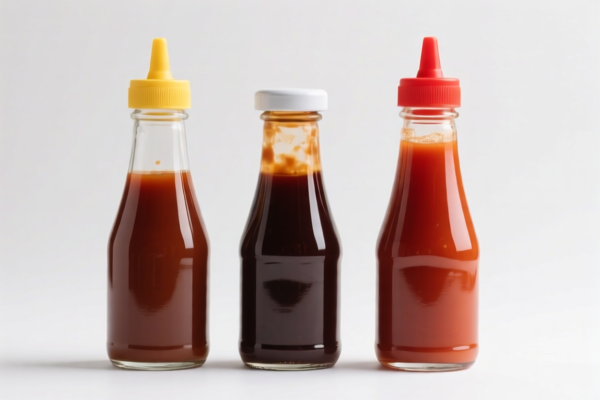
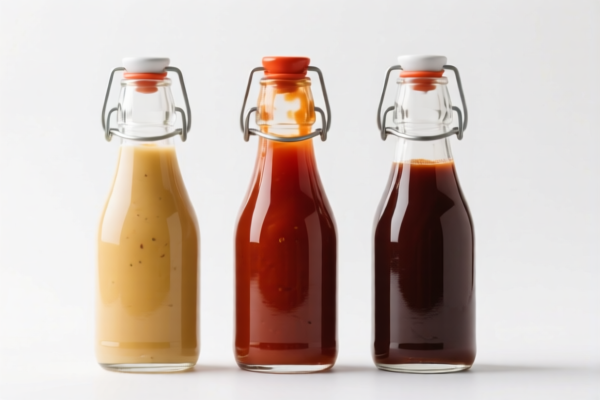
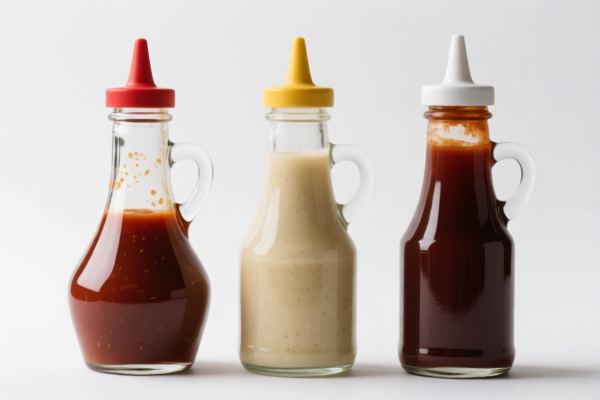
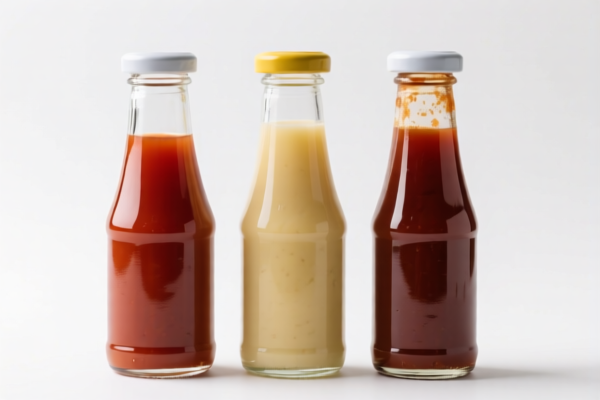
AI分析
🫙 Soy Sauce Bottle (Packaging & Product)
🌐 HS Code Reference & Customs Clearance Guide | 2026 Latest Tariff Analysis | Professional Strategy for US Imports
📌 I. Product Definition & Classification: Understanding "Soy Sauce Bottle"
The term "Soy Sauce Bottle" in international trade can refer to two distinct entities: the packaging material (the bottle itself) or the product contained within (the liquid soy sauce). Customs classification depends entirely on whether you are importing the empty container or the filled product.
1. Empty Containers (Packaging): * Plastic Containers: Rigid plastic jars, bottles, and similar articles used for food storage. * Glass Containers: Glass bottles, jars, and other containers specifically designed for food preservation.
2. Filled Product (Food): * Soy Sauce: A fermented liquid condiment derived from soybeans and wheat, classified as a vegetable extract/fermented product.
⚠️ Critical Distinction:
- If importing empty bottles → Classify under Chapter 39 (Plastic) or Chapter 70 (Glass);
- If importing liquid soy sauce → Classify under Chapter 13 (Vegetable Extracts).
- Do not mix declarations! Empty containers and filled products have vastly different tax liabilities and regulatory requirements.
📦 II. HS Code Classification Details (2026 Latest Tariff Authority)
Based on the provided data, here are the specific HS Codes for Soy Sauce Bottles and Soy Sauce itself.
| HS Code | Product Description | Key Characteristics | Tariff Category |
|---|---|---|---|
3923.30.00.10 |
Plastic Soy Sauce Bottle | Plastic containers for condiments, specific sub-category for sauce bottles | Plastic Packaging |
3923.30.00.90 |
Plastic Soy Sauce Bottle | Plastic jars, bottles, and similar articles (catch-all for larger/special plastic bottles) | Plastic Packaging |
7010.90.50.09 |
Glass Soy Sauce Bottle | Glass containers meeting specific glass container requirements | Glass Packaging |
7010.90.50.39 |
Glass Soy Sauce Bottle | Glass containers (other/fallback category for miscellaneous glass jars) | Glass Packaging |
1302.19.91.40 |
Soy Sauce (Liquid) | Plant extracts, specifically fermented soy-based condiments | Food/Product |
🔍 Key Insight:
- Plastic vs. Glass: Plastic bottles (3923) generally incur a slightly higher base tariff (3%) compared to Glass bottles (7010, 0% base).
- The "Sauce" vs. "Bottle" Trap: Importing1302.19.91.40(the liquid) is significantly cheaper in total tax (17.5%) than importing empty plastic bottles (3923.30.00.10or.90, 38.0%). However, the value of the goods is different.
- 122 Clause: All these items are subject to Section 122 tariffs (10% for China-origin goods).
💰 III. 2026 Latest Tariff Rate Breakdown (Including附加 Taxes)
✅ Applicable Country: United States (US)
✅ Origin: China (CN)
✅ Effective Date: Rates apply to imports from China (subject to Section 301 and Section 122 policies)
🎯 1. Plastic Bottles (3923.30.00.10 & 3923.30.00.90)
| Item | Detail |
|---|---|
| Base Tariff | 3.0% (Ad Valorem) |
| Section 301 Surcharge | +25.0% (USITC Footnote 9903.30.01) |
| Section 122 Tariff | +10.0% (Against China) |
| Total Effective Rate | 38.0% |
| Calculation | CIF Value × 38% |
| De Minimis Exemption | ❌ Not Eligible (Valuation > $800 triggers full duty) |
| Legal Path | IEEPA:9903.01.25 → USITC:3923.30.00.10/90 → FOOTNOTE:9903.30.01 |
📌 Explanation:
- Plastic packaging from China is heavily taxed due to its classification as a manufactured good.
- The 38% total rate makes importing empty plastic packaging from China extremely costly. Many companies opt to source bottles locally or from non-China origins to avoid these duties.
🎯 2. Glass Bottles (7010.90.50.09 & 7010.90.50.39)
| Item | Detail |
|---|---|
| Base Tariff | 0.0% (Free) |
| Section 301 Surcharge | +25.0% (USITC Footnote 9903.70.01) |
| Section 122 Tariff | +10.0% (Against China) |
| Total Effective Rate | 35.0% |
| Calculation | CIF Value × 35% |
| De Minimis Exemption | ❌ Not Eligible |
| Legal Path | IEEPA:9903.01.25 → USITC:7010.90.50.09/39 → FOOTNOTE:9903.70.01 |
📌 Explanation:
- Glass bottles have a 0% base rate, which is 3% lower than plastic.
- However, with the same 25% (Section 301) + 10% (Section 122) surcharges, the total rate is 35%.
- Comparison: Glass bottles are 3% cheaper in duty than plastic bottles, but shipping costs for glass are typically higher.
🎯 3. Liquid Soy Sauce (1302.19.91.40)
| Item | Detail |
|---|---|
| Base Tariff | 0.0% (Free) |
| Section 301 Surcharge | +7.5% (USITC Footnote 9903.13.01) |
| Section 122 Tariff | +10.0% (Against China) |
| Total Effective Rate | 17.5% |
| Calculation | CIF Value × 17.5% |
| De Minimis Exemption | ❌ Not Eligible (Food items are generally scrutinized more) |
| Legal Path | IEEPA:9903.01.25 → USITC:1302.19.91.40 → FOOTNOTE:9903.13.01 |
📌 Explanation:
- This is the most favorable tariff profile among the three.
- The Section 301 surcharge for this specific food product is only 7.5%, not 25%.
- Total Rate: 17.5%.
- Strategy: If you are importing filled bottles, ensure they are declared as "Soy Sauce" (1302.19.91.40) and not as "Plastic Containers" or "Glass Containers." Declaring the product correctly saves you 20.5% in duties compared to importing empty plastic bottles.
🛠️ IV. Customs Clearance Practical Advice (Pitfall Avoidance)
✅ 1. Documentation Checklist (Mandatory)
| Document | Required For | Notes |
|---|---|---|
| ✅ Commercial Invoice | All HS Codes | Must clearly distinguish between "Empty Bottle" and "Filled Soy Sauce". |
| ✅ Product Specification | All | For glass/plastic: Material type, capacity, food-grade certification. For liquid: Ingredients, fermentation process. |
| ✅ FDA Registration | Soy Sauce (Liquid) | Food products require prior FDA notification and facility registration. |
| ✅ FDA Prior Notice | Soy Sauce (Liquid) | Mandatory before arrival. |
| ✅ Certificate of Analysis (COA) | Soy Sauce (Liquid) | Proves food safety, moisture content, salt levels. |
| ✅ Food Contact Substance (FCS) Notification | Bottles (Plastic/Glass) | If importing empty bottles, ensure the plastic/glass meets FDA FCS standards. |
✅ 2. Declaration Strategy (Key Mantra)
🔥 "Declare the Product, Not Just the Package!"
| Scenario | Correct Declaration | Wrong Declaration | Consequence |
|---|---|---|---|
| Filled Bottles | 1302.19.91.40 (Soy Sauce) |
3923.30.00.10 (Plastic Bottle) |
Overpaying 20.5% duty! |
| Empty Plastic Bottles | 3923.30.00.10 or .90 |
7010... (Glass) |
Misclassification penalty |
| Empty Glass Bottles | 7010.90.50.09 or .39 |
3923... (Plastic) |
Misclassification penalty |
📌 Crucial Tip:
If you import pre-filled soy sauce bottles, you MUST declare them as1302.19.91.40. Declaring them as "Glass Bottles" or "Plastic Bottles" while they contain liquid is customs fraud and will result in seizure, fines, and back-taxes.
✅ 3. Special Circumstances
| Situation | Handling Advice |
|---|---|
| OEM/Private Label | Ensure the invoice shows the actual manufacturer of the sauce, not just the brand. FDA requires this. |
| Mixed Container | If one shipment contains both empty bottles and filled sauce, declare separately. Do not lump them into one HS Code. |
| Plastic Type | Specify if plastic is PET, PP, or HDPE. 3923.30 covers most, but specific material declarations may be requested for FDA compliance. |
| Glass Thickness | Glass bottles must meet food-grade standards. Thin-walled vs. thick-walled does not change the HS code but affects shipping weight/cost. |
🌍 V. Global Market Comparison (2026)
| Country/Region | Recommended HS Code (Filled) | Total Tariff (China Origin) | Key Requirements | Notes |
|---|---|---|---|---|
| 🇺🇸 USA | 1302.19.91.40 |
17.5% | FDA + Prior Notice | Highest non-tariff barriers; 301 duty applies. |
| 🇨🇳 China | 2103.20.00 (Local) |
0% (Domestic) | GB Standards | For export purposes, only relevant if re-importing. |
| 🇪🇺 EU | 2103.20 (Similar) |
0% (Under some FTAs) | EFSA + Labeling | No 301-style surcharges, but strict labeling laws. |
| 🇯🇵 Japan | 2103.20 |
0-10% | Food Sanitation Act | Stringent residue testing for soy/wheat allergens. |
📌 Conclusion:
- The US market is unique due to the Section 301 & 122 surcharges.
- Importing filled sauce (17.5%) is far more tax-efficient than importing empty packaging (35-38%).
- If you are a US brand sourcing from China, importing filled products is usually the most cost-effective strategy despite higher logistics costs for liquids.
📌 VI. Common Mistakes & Pitfalls (Blood-Test Lessons)
❌ Mistake 1: Declaring filled soy sauce bottles as "Plastic Containers" (3923)
👉 Consequence: You pay 38% duty instead of 17.5%. You lose 20.5% profit!
❌ Mistake 2: Ignoring FDA Prior Notice for filled bottles
👉 Consequence: Goods held at port, possible deportation or destruction.
❌ Mistake 3: Mixing empty bottles and filled bottles in one line item
👉 Consequence: Customs may reject the entire entry or assess duties on the wrong basis. Split lines are mandatory.
✅ Correct Practice:
"Soy Sauce, Fermented, 500ml in Glass Bottle, FDA Compliant, HS: 1302.19.91.40"
🎯 VII. Conclusion: Smart Sourcing, Lower Costs
🎯 Remember the Mantra:
🔹 "Filled Sauce = 17.5% | Empty Plastic = 38% | Empty Glass = 35%!"
🔹 "Declare the Liquid, Save the Duty! Don't Pay for the Bottle Twice!"
📌 Pro Tip:
If you are producing soy sauce in China but selling under a US brand, import the finished product under
1302.19.91.40.
Avoid importing empty bottles separately unless you are doing local filling in the US (which adds labor and regulatory complexity).
📣 Immediate Action:
📞 Verify FDA Registration for the manufacturing facility.
📝 Ensure Invoice Describes the Content, not just the container.
🚀 Maximize Profit by choosing the correct HS Code for filled goods.
✨ Professional Clearance Starts with Accurate Classification!
💼 Every Percent of Duty Saved is Pure Profit!
用户评价
关于 HS 编码归类
协调制度(HS)是由世界海关组织(WCO)制定的国际贸易商品分类标准。全球 200 多个国家采用 HS 系统作为海关关税、贸易统计和进出口监管的基础。
每个 HS 编码遵循以下层级结构:
- 章(2 位)——商品大类(例如:第 84 章:机器和机械设备)
- 品目(4 位)——章内的更具体分类
- 子目(6 位)——国际通用细分,所有 WCO 成员国统一使用
- 本国细分(8-10 位)——各国自行扩展的细分编码,如美国 HTSUS 10 位编码
正确的 HS 编码归类对于顺利通关、准确缴纳关税和遵守贸易法规至关重要。错误归类可能导致海关延误、多缴关税或罚款。
从CN进口到US时,适用的关税税率可能包括:
- 最惠国(MFN)税率——适用于 WTO 成员国的标准关税税率
- 普通税率——适用于无贸易协定国家
- 贸易救济关税——附加关税,如 301 条款(反倾销)、232 条款(国家安全)或反补贴税
本页内容仅供参考。如需正式归类,请咨询当地海关或持牌报关代理。