spice jar
CN → US| HS编码 | 关税税率 | 原产国 | 目的国 | 文档 |
|---|---|---|---|---|
| 7010905039 | 35.0% | CN | US | 官方文档 |
| 7010905009 | 35.0% | CN | US | 官方文档 |
| 3924101000 | 13.4% | CN | US | 官方文档 |
| 3924104000 | 13.4% | CN | US | 官方文档 |
| 6912004810 | 19.8% | CN | US | 官方文档 |
| 6912004890 | 19.8% | CN | US | 官方文档 |
商品图片
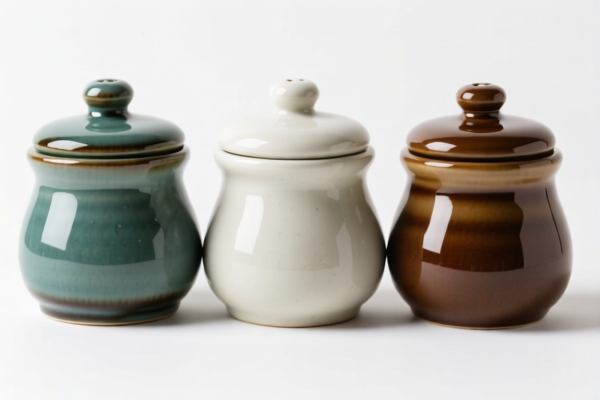
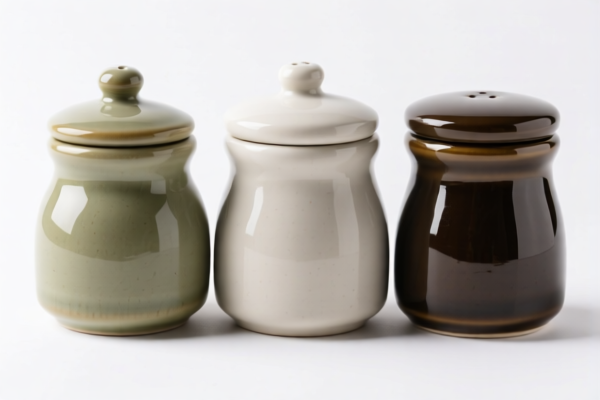
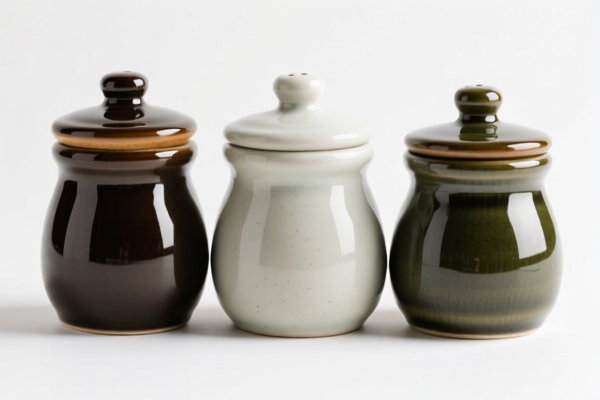
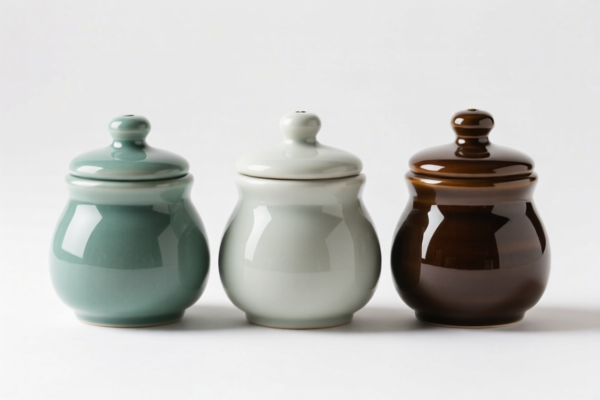
AI分析
🌶️ Spice Jar (Spice Containers)
🌐 HS Code Reference & Customs Clearance Guide | 2026 Latest Tariff Analysis | Professional Clearance Strategy
📌 I. Product Definition & Classification: What Exactly Is a "Spice Jar"?
A "Spice Jar" is a broad term that can refer to two very different types of goods depending on the material and function. In international trade, misclassification is the #1 cause of customs delays and unexpected tariffs.
1. Ceramic/Clay Spice Jars:
Often part of a kitchenware set. These are classified under Chapter 69 (Ceramic products). They are considered "Tableware" or "Kitchenware."
2. Glass Spice Jars/Bottles:
These are containers for conveying or packing goods. They are classified under Chapter 70 (Glass and glassware). They are considered "Containers."
3. Plastic Spice Dispensers:
If the item includes a shaker top or is a specific dispenser unit, it falls under Chapter 39 (Plastics).
⚠️ Critical Distinction:
- If it is a glass jar holding spices → Classify under 7010.90.50 (Glass Containers).
- If it is a ceramic pot holding spices → Classify under 6912.00.48 (Ceramic Tableware/Kitchenware).
- If it is a plastic dispenser → Classify under 3924.10.10 (Plastic Tableware/Dispensers).
- Do not mix materials. A ceramic lid on a glass jar does not make it ceramic.
📦 II. HS Code Classification Details (2026 Latest Tariff Authority Comparison)
| HS Code | Product Description | Material | Capacity/Type | Key Feature |
|---|---|---|---|---|
6912.00.48.10 |
Ceramic tableware, kitchenware, other household articles... Other | Ceramic/Clay | N/A | Suitable for food/drink contact. Part of kitchenware. |
6912.00.48.90 |
Ceramic tableware, kitchenware... Other | Ceramic/Clay | N/A | Other ceramic kitchenware not specified elsewhere. |
3924.10.10.00 |
Tableware, kitchenware... of plastics: Salt, pepper, mustard and ketchup dispensers | Plastic | N/A | Specific dispenser functionality. |
3924.10.40.00 |
Tableware, kitchenware... of plastics: Other | Plastic | N/A | General plastic kitchenware (jars, bowls). |
7010.90.50.39 |
Containers of glass... Of capacity >0.15L but ≤0.33L | Glass | Small (<10 oz) | Standard small spice jars (e.g., 2-4 oz). |
7010.90.50.09 |
Containers of glass... Of capacity >1L | Glass | Large (>33 oz) | Large glass jars. Rarely used for single spice jars. |
🔍 Important Note:
- Most standard spice jars (1-8 oz) fall into the 0.15L – 0.33L range, triggering HS Code 7010.90.50.39.
- If the jar is part of a set and labeled as "Kitchenware," customs may still inspect if it's truly a "container for packing" vs. "tableware." However, 7010 is the specific chapter for glass containers.
💰 III. 2026 Latest Tariff Rate Breakdown (Including Additional Taxes & Policy Surcharges)
✅ Applicable Country: United States (US)
✅ Origin: China (CN)
✅ Effective Date: 2025/2026 (Current Trade Policy)
🎯 1. 6912.00.48.10 / 6912.00.48.90 — Ceramic Spice Jars (Tableware/Kitchenware)
| Item | Content |
|---|---|
| Base Tariff | 9.8% (ad valorem) |
| Section 301 Surcharge | 0.0% |
| Total Tax Rate | 9.8% |
| Tax Calculation | CIF Value × 9.8% |
| De Minimis Eligibility | ❌ No (Usually exceeds $800 if declared as commercial shipment, but single pieces may qualify under de minimis if < $800 total value per person per day. However, for B2B, it's 9.8%). |
| Legal Basis | HTSUS:6912.00.48.10 → Base:9.8% |
📌 Explanation:
- Ceramic tableware/kitchenware has a relatively low base duty of 9.8%.
- Crucially, as of the data provided, there is 0% additional surcharge for these specific ceramic codes in the context of this dataset.
- Note: Historically, some ceramic items faced 301 tariffs, but the provided data shows 0.0%. Always verify current USITC lists.
🎯 2. 3924.10.10.00 / 3924.10.40.00 — Plastic Spice Dispensers/Jars
| Item | Content |
|---|---|
| Base Tariff | 3.4% (ad valorem) |
| Section 301 Surcharge | 0.0% |
| Total Tax Rate | 3.4% |
| Tax Calculation | CIF Value × 3.4% |
| De Minimis Eligibility | ❌ No (For commercial imports). |
| Legal Basis | HTSUS:3924.10.10.00 → Base:3.4% |
📌 Explanation:
- Plastic kitchenware has a low base duty of 3.4%.
- Similar to ceramics, the dataset indicates 0.0% additional surcharge.
- Advantage: Lower tax burden than glass or ceramic in this specific dataset.
🎯 3. 7010.90.50.39 / 7010.90.50.09 — Glass Spice Jars/Containers
| Item | Content |
|---|---|
| Base Tariff | 0.0% |
| Section 301 Surcharge | 25.0% |
| Total Tax Rate | 25.0% |
| Tax Calculation | CIF Value × 25.0% |
| De Minimis Eligibility | ❌ No |
| Legal Basis | HTSUS:7010.90.50.39 → Base:0.0% + Section301:25.0% |
📌 Explanation:
- This is the most dangerous category for cost calculation!
- Although the base tariff is 0%, the 25% Section 301 surcharge applies to glass containers from China.
- Total Effective Tax: 25%.
- Common Mistake: Importers see "0% Base Tax" and assume low cost, only to be hit with 25% at customs.
🛠️ IV. Customs Clearance Practical Advice (Real-World Pitfall Avoidance Guide)
✅ 1. Required Documentation Checklist (Non-Negotiable)
| Document | Mandatory? | Explanation |
|---|---|---|
| ✅ Product Specification Sheet | ✔️ | Must state material (Glass/Ceramic/Plastic), capacity, and intended use (Food Contact). |
| ✅ Commercial Invoice | ✔️ | Must clearly describe item as "Spice Jar" + Material. Do not just write "Jar." |
| ✅ Packing List | ✔️ | Show quantity and weight. |
| ✅ Food Contact Compliance Certificate | ✔️ | FDA compliance statement (for US) is often requested for items holding food. |
| ✅ HS Code Justification | ✔️ | If using 7010, prove capacity is <0.33L. If using 6912, prove it's kitchenware, not just a generic container. |
✅ 2. Classification Strategy (Key Mnemonic)
🔥 "Glass Pays 25%, Ceramic 9.8%, Plastic 3.4%! Choose Material Wisely!"
| Scenario | Correct HS Code | Total Tax | Reason |
|---|---|---|---|
| Glass Jar (Standard Spice) | 7010.90.50.39 |
25% | High surcharge due to Section 301. |
| Ceramic Jar (With Lid) | 6912.00.48.10 |
9.8% | Lower tax, but heavier shipping cost. |
| Plastic Dispenser (Shaker Top) | 3924.10.10.00 |
3.4% | Lowest Tax. Best if product allows plastic. |
| Plastic Jar (No Shaker) | 3924.10.40.00 |
3.4% | Lowest Tax. |
📌 Strategic Tip:
If your product design allows, Plastic offers the lowest tax burden (3.4%).
If premium feel is required, Ceramic is a middle ground (9.8%).
Glass is aesthetically popular but tax-heavy (25%). Consider cost-pass-through to customers or explore alternative markets if tariffs impact margin.
✅ 3. Special Case Handling
| Scenario | Handling Advice |
|---|---|
| Mixed Material Jars (e.g., Glass Body + Ceramic Lid) | Classify based on essential character. Usually, the body defines it. If glass body → 7010. |
| Set of Spices + Jars | If sold as a set, classification depends on the principal purpose. If spices are the main value, spices may dictate HS. If empty jars sold with spices, it's often "Containers with goods." Consult customs broker. |
| Custom Printed Jars | Ensure printing inks are food-safe (FDA compliant). Non-compliance leads to detention. |
| Small Capacities | Ensure capacity is clearly marked. If >0.33L, HS Code changes to 7010.90.50.09 (still 25% surcharge, but different subheading). |
🌍 V. Global Market Comparison (2026 Latest)
| Country/Region | Recommended HS Code | Tariff (China Origin) | Certification Required | Notes |
|---|---|---|---|---|
| 🇺🇸 USA | 7010.90.50.39 (Glass) |
25% (Total) | FDA | High tax on glass. |
| 🇺🇸 USA | 6912.00.48.10 (Ceramic) |
9.8% (Total) | FDA | Moderate tax. |
| 🇺🇸 USA | 3924.10.10.00 (Plastic) |
3.4% (Total) | FDA | Lowest tax. |
| 🇪🇺 EU | 7010.90 |
~3-4% | Food Contact | No Section 301. |
| 🇨🇳 China | 7010.90 |
Varies | CCC/FDA | Import duties apply. |
📌 Conclusion:
- The US market is the most punitive for glass containers due to the 25% surcharge.
- Plastic is the most tax-efficient material for the US market.
- Ceramic is a balanced option for premium branding with moderate tax.
📌 VI. Common Errors & Pitfall Guide (Lessons Learned)
❌ Error 1: Declaring Glass Jars as "Kitchen Decor" to avoid 7010
👉 Consequence: Customs reclassifies → 25% tax + Penalties.
✅ Fix: Be honest about "Food Contact" use.
❌ Error 2: Ignoring Capacity Limits for Glass
👉 Consequence: Wrong subheading (50.09 vs 50.39) → Audit risk.
✅ Fix: Measure capacity accurately in Liters/Ounces.
❌ Error 3: Assuming 0% Base Tax = 0% Total Tax
👉 Consequence: Surprise 25% bill at customs for Glass.
✅ Fix: Always check Section 301 and IEEPA surcharges.
❌ Error 4: Using "Jar" as Description
👉 Consequence: Vague description → Customs delay.
✅ Fix: Use "Glass Spice Jar, 4oz, for Food Contact."
🎯 VII. Conclusion: Professional Classification, Cost Optimization
🎯 Remember the Rule:
🔹 "Glass: 25%, Ceramic: 9.8%, Plastic: 3.4%. Material Dictates Tax!"
🔹 "Base Tax is a Lie; Look at the Total Effective Rate!"
🔹 "FDA Compliance is Mandatory for Food Contact Items!"
📌 Pro Tip:
If you are importing Glass spice jars to the US, calculate if the 25% tariff erodes your profit margin. Consider:
1. Switching to Plastic dispensers for low-cost lines.
2. Using Ceramic for premium lines.
3. Seeking Customs Rulings if your jar has unique features (e.g., integrated shaker) that might fall under 3924.10.10 (Plastic Dispenser) even if it has glass parts.
📣 Immediate Action:
📞 Consult a licensed customs broker before shipping.
🚀 Optimize your HS Code to save 15-20% in duties.
✨ Professional Clearance Starts with Accurate Classification!
💼 Your Bottom Line Depends on Your HS Code!
用户评价
关于 HS 编码归类
协调制度(HS)是由世界海关组织(WCO)制定的国际贸易商品分类标准。全球 200 多个国家采用 HS 系统作为海关关税、贸易统计和进出口监管的基础。
每个 HS 编码遵循以下层级结构:
- 章(2 位)——商品大类(例如:第 84 章:机器和机械设备)
- 品目(4 位)——章内的更具体分类
- 子目(6 位)——国际通用细分,所有 WCO 成员国统一使用
- 本国细分(8-10 位)——各国自行扩展的细分编码,如美国 HTSUS 10 位编码
正确的 HS 编码归类对于顺利通关、准确缴纳关税和遵守贸易法规至关重要。错误归类可能导致海关延误、多缴关税或罚款。
从CN进口到US时,适用的关税税率可能包括:
- 最惠国(MFN)税率——适用于 WTO 成员国的标准关税税率
- 普通税率——适用于无贸易协定国家
- 贸易救济关税——附加关税,如 301 条款(反倾销)、232 条款(国家安全)或反补贴税
本页内容仅供参考。如需正式归类,请咨询当地海关或持牌报关代理。