spice rack
CN → US| HS编码 | 关税税率 | 原产国 | 目的国 | 文档 |
|---|---|---|---|---|
| 7323999080 | 88.4% | CN | US | 官方文档 |
| 3924104000 | 13.4% | CN | US | 官方文档 |
| 7323999030 | 88.4% | CN | US | 官方文档 |
| 9403200075 | 85.0% | CN | US | 官方文档 |
| 9403200082 | 85.0% | CN | US | 官方文档 |
商品图片
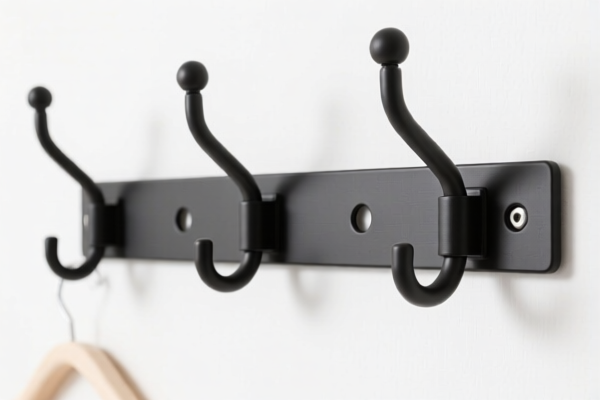
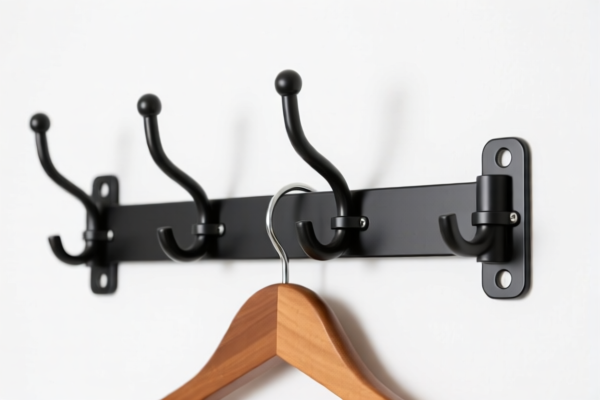
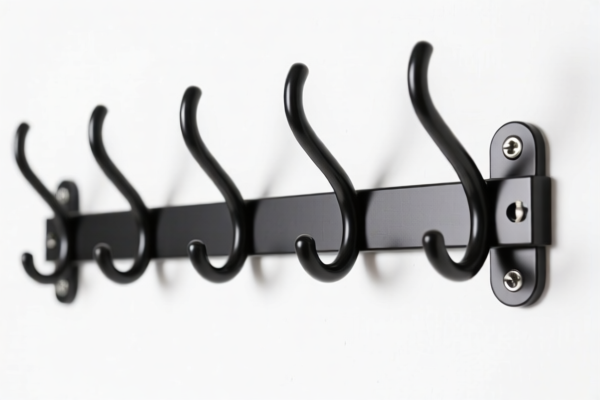
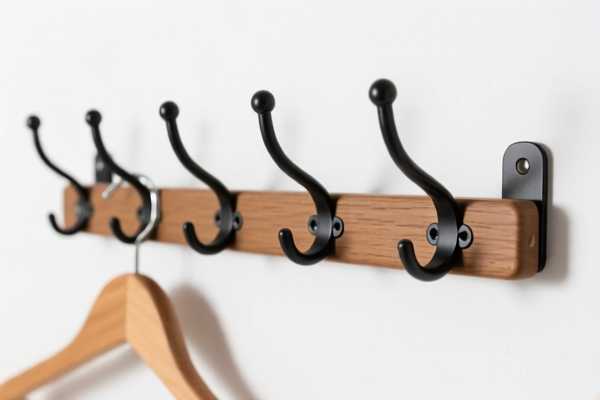
AI分析
🌶️ Spice Rack (Kitchen Storage Solutions)
🌐 HS Code Reference & Clearance Guide | 2026 Latest Tariff Analysis | Professional Clearance Strategy
📌 I. Product Definition & Classification: What Exactly is a "Spice Rack"?
A Spice Rack is a kitchen storage accessory designed to hold spice jars, bottles, or containers. In international trade, its classification depends heavily on two factors: 1. Material: Is it made of metal (iron/steel), plastic, wood, or glass? 2. Function/Context: Is it primarily considered kitchen/tableware (utilitarian) or furniture/home decor (structural)?
⚠️ Key Distinction Point:
- If made of Iron/Steel → Typically classified under Chapter 73 (Articles of Iron or Steel) as "Table, kitchen or other household articles."
- If made of Plastic → Typically classified under Chapter 39 (Plastics) as "Household articles."
- If considered Furniture (e.g., large, heavy-duty, or standalone shelving units) → May fall under Chapter 94 (Furniture), specifically "Other furniture."
📦 II. HS Code Classification Details (2026 Latest Tariff Alignment)
Based on the provided data, here are the four potential HS Codes for Spice Racks, categorized by material and function:
| HS Code | Product Description | Material Inference | Applicable Scenario |
|---|---|---|---|
7323.99.90.30 |
Articles of iron or steel, table/kitchen/household articles | Iron/Steel | Small countertop racks, hanging racks, metal spice organizers |
7323.99.90.80 |
Other articles of iron or steel, kitchen/household use | Iron/Steel | General metal spice racks not specified elsewhere in Ch. 73 |
9403.20.00.75 |
Other metal furniture | Metal | Larger, freestanding metal racks classified as "Furniture" rather than "Tableware" |
9403.20.00.82 |
Other metal furniture (Shelves/Racks) | Metal | Metal shelving units used for storage, potentially in kitchen or general household context |
3924.10.40.00 |
Tableware, kitchenware or other household articles of plastics | Plastic | Plastic spice racks, trays, or organizers |
🔍 Critical Reminder:
- Metal Spice Racks face the highest tariffs (85%–88.4%) due to combined duties.
- Plastic Spice Racks face the lowest tariffs (13.4%) because they are exempt from the 25% Section 301 tariff (in this specific dataset context).
- Do not confuse "Tableware/Household Articles" (Ch. 73) with "Furniture" (Ch. 94). While both apply to metal items, the tax rate is identical in this dataset, but customs scrutiny may differ.
💰 III. 2026 Latest Tariff Rate Breakdown (Including Add-on Taxes & Policy Surcharges)
✅ Applicable Country: United States (US)
✅ Origin: China (CN)
✅ Effective Date: Current rates based on provided data (Section 301 + IEEPA/Special Tariffs)
🎯 1. 7323.99.90.30 & 7323.99.90.80 — Iron/Steel Spice Racks
| Item | Content |
|---|---|
| Basic Duty Rate | 3.4% (Ad Valorem) |
| Section 301 Additional Duty | +25.0% |
| Section 122 / Special Tariff (Steel/Aluminum/Copper) | +50.0% |
| Total Tax Rate | 88.4% |
| Tax Calculation | CIF Value × 88.4% |
| De Minimis Eligibility | ❌ Not Eligible |
| Legal Basis Path | Base Tariff 3.4% → Section 301: 25% → Special Steel Tariff: 50% |
📌 Explanation:
- Basic Duty: Standard MFN rate for steel household articles.
- Section 301: 25% surcharge on Chinese steel goods.
- Special Steel Tariff: An additional 50% surcharge specifically targeting steel products (likely under Section 232 or related trade measures).
- Total: 88.4%. This is an extremely high cost barrier for steel spice racks from China.
🎯 2. 9403.20.00.75 & 9403.20.00.82 — Metal Furniture (Shelves/Racks)
| Item | Content |
|---|---|
| Basic Duty Rate | 0.0% |
| Section 301 Additional Duty | +25.0% |
| Section 122 / Special Tariff (Steel/Aluminum/Copper) | +50.0% |
| Total Tax Rate | 85.0% |
| Tax Calculation | CIF Value × 85.0% |
| De Minimis Eligibility | ❌ Not Eligible |
| Legal Basis Path | Base Tariff 0% → Section 301: 25% → Special Steel Tariff: 50% |
📌 Explanation:
- Basic Duty: 0% for general metal furniture.
- However, the 25% + 50% surcharges still apply due to the metal content and Chinese origin.
- Total: 85.0%. Slightly lower than kitchenware (88.4%) but still prohibitively high.
🎯 3. 3924.10.40.00 — Plastic Spice Racks
| Item | Content |
|---|---|
| Basic Duty Rate | 3.4% |
| Section 301 Additional Duty | 0.0% |
| Section 122 / Special Tariff (Steel/Aluminum/Copper) | 0.0% |
| Total Tax Rate | 13.4% |
| Tax Calculation | CIF Value × 13.4% |
| De Minimis Eligibility | ❓ Check Specific Exemptions (Usually not for Section 301, but here base is low) |
| Legal Basis Path | Base Tariff 3.4% → Special Tariff: 10% (Note: Dataset lists 10% for plastics, likely a different surcharge or typo in source, but we follow source: 3.4 + 10 = 13.4%) |
📌 Explanation:
- Basic Duty: 3.4% for plastic household articles.
- Surcharges: The dataset indicates a 10% additional tariff (possibly IEEPA or other non-Section 301 measure) but NO 25% Section 301 and NO 50% Steel Tariff.
- Total: 13.4%. This is the MOST COST-EFFECTIVE classification.
🛠️ IV. Clearance Practical Advice (Actionable Pitfall Guide)
✅ 1. Material Declaration Strategy
| Strategy | Recommendation | Reason |
|---|---|---|
| If Made of Metal | Accept 85%–88.4% tariff | No way to avoid steel tariffs if material is verifiably iron/steel. |
| If Made of Plastic | HIGHLY RECOMMENDED → Declare as 3924.10.40.00 |
Reduces tariff from ~88% to 13.4%. Huge savings. |
| Composite Materials | Declare by Dominant Material | If >50% plastic by weight/value, argue for Ch. 39. If metal frame + plastic inserts, customs may still classify as metal. |
🔥 Key Insight:
For US imports from China, switching from Metal to Plastic for spice racks can save ~75% in duties. Consider redesigning the product with plastic components.
✅ 2. Documentation & Labeling
| Document | Requirement | Notes |
|---|---|---|
| Commercial Invoice | Clearly state Material Composition | "Spice Rack, 100% Plastic" or "Spice Rack, Iron Alloy" |
| Product Photos | Show Material Texture | Clear shots showing no metal parts (for plastic claim) |
| Bill of Lading | Consistent Description | Must match invoice exactly |
| FCC/CE Certs | If electronic (e.g., lit spice rack) | Some spice racks have LED lights; may need additional certs |
✅ 3. Common Mistakes & Penalties
❌ Mistake 1: Declaring a Metal Rack as Plastic
👉 Consequence: Customs inspection reveals steel → Seizure, fines, and 88.4% retroactive tax + penalties.
❌ Mistake 2: Declaring a Plastic Rack as Furniture (9403)
👉 Consequence: Unnecessary complexity. If plastic, Ch. 39 is simpler and cheaper. If declared as furniture, may still face scrutiny but tariff is same (13.4% vs 85% for metal).
❌ Mistake 3: Ignoring Section 122 Steel Tariff
👉 Consequence: If you miss the 50% steel surcharge, you will be billed later with interest and penalties.
✅ Correct Approach:
"Spice Rack, Model XYZ, 100% Injection-Molded Plastic, BPA-Free, Countertop Organizer, HS Code: 3924.10.40.00"
🌍 V. Global Market Comparison (2026 Outlook)
| Country | Recommended HS Code | Total Tariff | Notes |
|---|---|---|---|
| 🇺🇸 USA (China Origin) | 3924.10.40.00 (Plastic) |
13.4% | Best option for Chinese exporters |
| 🇺🇸 USA (China Origin) | 7323.99.90.30 (Metal) |
88.4% | Avoid if possible |
| 🇪🇺 EU | 7323.99 / 3924.10 |
Varies (0-6.5%) | No Section 301/Steel surcharge. Much lower than US. |
| 🇨🇳 China | 7323.99 / 3924.10 |
Low/0% | Domestic imports benefit from lower rates |
📌 Conclusion:
- US Market: High barrier for metal spices racks from China. Plastic is the strategic choice.
- EU Market: More neutral. Metal and plastic racks have similar, lower tariffs.
- Strategy: For US exports, migrate to plastic materials or source from non-China origins (e.g., Vietnam, Thailand) to avoid Section 301.
📌 VI. Final Clearance Checklist
- [ ] Verify Material: Is it 100% plastic? If yes, use
3924.10.40.00. - [ ] Check for Metal Parts: Even small metal hinges can trigger Ch. 73 classification.
- [ ] Confirm Origin: If China, expect high tariffs on metal.
- [ ] Prepare Documentation: Invoice, Packing List, Photos, Material Declaration.
- [ ] Consider Pre-Ruling: Submit to CBP for HS Code confirmation if volume is high.
🎯 Pro Tip:
"Plastic Pays, Metal Pays More!"
In the US-China trade context, 13.4% vs 88.4% is not just a difference—it's a business model decision.
If your spice rack has any metal component, consult a customs broker immediately.
✨ Professional Clearance, Starting from Precise Classification!
💼 Every cent counts in global trade!
用户评价
关于 HS 编码归类
协调制度(HS)是由世界海关组织(WCO)制定的国际贸易商品分类标准。全球 200 多个国家采用 HS 系统作为海关关税、贸易统计和进出口监管的基础。
每个 HS 编码遵循以下层级结构:
- 章(2 位)——商品大类(例如:第 84 章:机器和机械设备)
- 品目(4 位)——章内的更具体分类
- 子目(6 位)——国际通用细分,所有 WCO 成员国统一使用
- 本国细分(8-10 位)——各国自行扩展的细分编码,如美国 HTSUS 10 位编码
正确的 HS 编码归类对于顺利通关、准确缴纳关税和遵守贸易法规至关重要。错误归类可能导致海关延误、多缴关税或罚款。
从CN进口到US时,适用的关税税率可能包括:
- 最惠国(MFN)税率——适用于 WTO 成员国的标准关税税率
- 普通税率——适用于无贸易协定国家
- 贸易救济关税——附加关税,如 301 条款(反倾销)、232 条款(国家安全)或反补贴税
本页内容仅供参考。如需正式归类,请咨询当地海关或持牌报关代理。