split cowhide leather for car interior
CN → US| HS编码 | 关税税率 | 原产国 | 目的国 | 文档 |
|---|---|---|---|---|
| 4104415000 | 13.3% | CN | US | 官方文档 |
| 4107125000 | 12.8% | CN | US | 官方文档 |
| 4107925000 | 12.8% | CN | US | 官方文档 |
| 4104115070 | 13.3% | CN | US | 官方文档 |
| 4104415000 | 13.3% | CN | US | 官方文档 |
商品图片
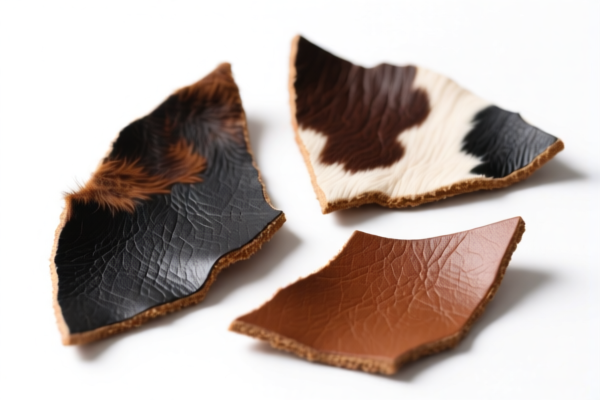
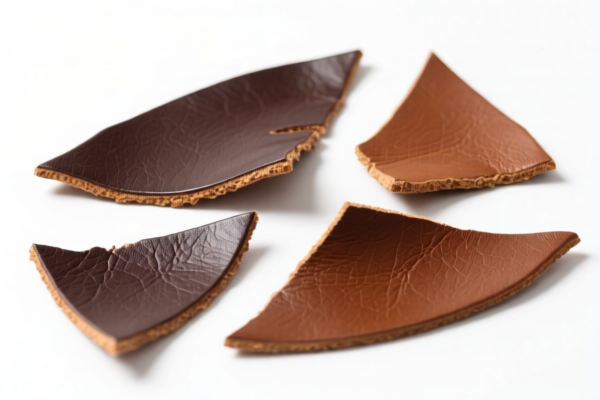
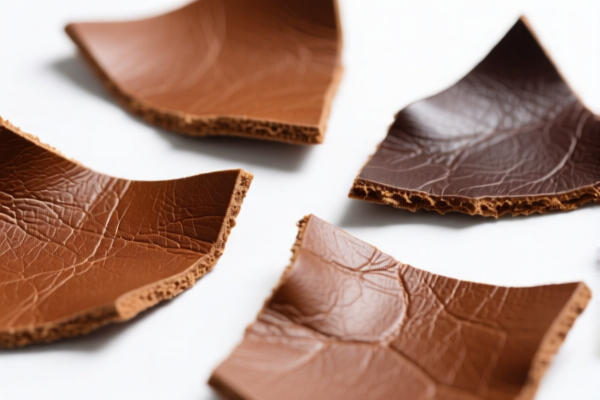
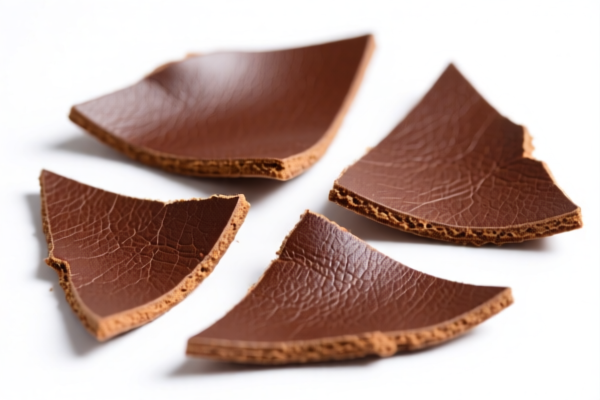
AI分析
🚗 Split Cowhide Leather for Car Interior (Automotive Grade)
🌐 HS Code Reference & Customs Clearance Guide | 2026 Latest Tariff Analysis | Professional Logistics Strategy
📌 I. Product Definition & Classification: Do You Truly Understand "Split Cowhide"?
Split Cowhide Leather is a critical raw material in the automotive interior supply chain. It is derived from the second layer (split) of the cattle hide after the top-grain layer has been separated. Unlike full-grain leather, split leather has a fibrous structure on one side, often requiring coating or embossing for aesthetic and functional purposes (wear resistance, UV protection).
In international trade, its classification hinges on three factors: 1. Process: Wet-blue, Crust, or Finished? (Usually Finished for auto parts). 2. Form: Is it a continuous piece ("Full Sheet/Split") or cut into shapes? 3. End-Use: Is it explicitly designated for automotive interiors or general decoration?
⚠️ Key Distinction:
- If the leather is finished, coated, and specifically marketed for automotive interiors, it falls under 4104.41.50.00 or 4104.11.50.70.
- If the leather is used for general decoration or non-automotive applications, it may fall under 4107.12.50.00 or 4107.92.50.00.
- Critical Note: Do not confuse "Split Leather" with "Reconstituted Leather" (bonded). Reconstituted leather is classified under HS 4115 or 4112 depending on the backing, whereas split cowhide is natural leather under Chapter 41.
📦 II. HS Code Classification Details (2026 Latest Tariff Authority Comparison)
Based on the provided data for "Split Cowhide Leather for Car Interior," here is the precise breakdown:
| HS Code | Product Description | Application Scenario | Tax Rate (Total) | Key Characteristics |
|---|---|---|---|---|
4104.41.50.00 |
Split Cowhide Leather, for Auto Interior Parts | Primary Classification for automotive interiors. Material: Cowhide. Form: Split Leather. | 13.3% | Base Tariff: 3.3% + 122-Clause Tariff: 10%. Standard for finished automotive leather. |
4104.11.50.70 |
Split Cowhide Leather, for Auto Interior Parts | Alternative subheading for split leather used in auto interiors. Material: Cowhide. Form: Split (Tongue/Split). | 13.3% | Base Tariff: 3.3% + 122-Clause Tariff: 10%. Similar tax burden to 4104.41.50.00. |
4107.12.50.00 |
Split Cowhide Leather, for Decorative Use | Used for decoration purposes, not strictly automotive interior parts (e.g., furniture, fashion accessories). | 12.8% | Base Tariff: 2.8% + 122-Clause Tariff: 10%. Slightly lower base tariff. |
4107.92.50.00 |
Split Cowhide Leather, for Decorative Use | General decorative split leather (Cow/Horse). Form: Split. | 12.8% | Base Tariff: 2.8% + 122-Clause Tariff: 10%. Covers broader decorative applications. |
4104.41.50.00 |
Split Cowhide Leather, for Auto Parts | Material: Cow/Horse Leather. Form: Split. Used for Auto Parts. | 13.3% | Base Tariff: 3.3% + 122-Clause Tariff: 10%. Confirms applicability to Horse/Cow blends. |
🔍 Focus Reminder:
- The 122-Clause Tariff (10%) applies to ALL entries listed above. This is a critical cost driver for shipments originating from specific regions subject to Section 122 or similar bilateral trade measures.
- Automotive-specific codes (4104 series) carry a 3.3% base tariff, while Decorative codes (4107 series) carry a lower 2.8% base tariff. However, the total impact is similar due to the fixed 10% add-on.
- Misclassifying automotive leather as "decorative" to save 0.5% base tariff can lead to customs audits if the product documentation clearly states "For Automotive Use."
💰 III. 2026 Latest Tariff Rate Breakdown (Detailed Tax Clauses)
✅ Applicable Region: US / China Trade Context (Based on "122-Clause" reference)
✅ Product: Split Cowhide Leather
✅ Effective Date: Current Tariff Regime
🎯 1. 4104.41.50.00 & 4104.11.50.70 — Automotive Interior Split Leather
| Item | Detail |
|---|---|
| Base Tariff | 3.3% (Ad Valorem) |
| 122-Clause Tariff | +10.0% (Specific trade measure) |
| Additional Tariff | 0.0% |
| Total Effective Rate | 13.3% |
| Calculation Basis | CIF Value × 13.3% |
| Legal Basis Path | HTSUS: 4104.41.50 → Trade Measure: 122-Clause |
📌 Explanation:
- The 13.3% rate is the sum of the standard Most Favored Nation (MFN) rate (3.3%) and the specific 122-Clause tariff (10%).
- This classification is strictly for automotive interior components. If the shipment is mixed (auto parts + furniture leather), customs may require separate line items to apply the correct rates.
- No de minimis exemption applies to this high-value industrial material.
🎯 2. 4107.12.50.00 & 4107.92.50.00 — Decorative Split Leather
| Item | Detail |
|---|---|
| Base Tariff | 2.8% (Ad Valorem) |
| 122-Clause Tariff | +10.0% (Specific trade measure) |
| Additional Tariff | 0.0% |
| Total Effective Rate | 12.8% |
| Calculation Basis | CIF Value × 12.8% |
| Legal Basis Path | HTSUS: 4107.12.50 → Trade Measure: 122-Clause |
📌 Note:
- While the total rate is 0.5% lower than automotive codes, this classification cannot be used if the primary intended use is automotive interiors.
- Misclassification can result in penalties, back-taxes, and shipment holds.
- Use these codes only for leather explicitly destined for non-automotive decorative uses (e.g., handbags, upholstery for residential furniture).
🛠️ IV. Customs Clearance Practical Advice (Pitfall Avoidance Guide)
✅ 1. Documentation Checklist (Mandatory)
| Document | Required | Description |
|---|---|---|
| ✅ Commercial Invoice | ✔️ | Must specify: "Split Cowhide Leather," "Finished/Coated," and "Intended Use: Automotive Interior Parts" or "Decorative." |
| ✅ Packing List | ✔️ | Detail dimensions, weight, and number of hides/sheets. |
| ✅ Product Specification Sheet | ✔️ | Include: GSM (grams per square meter), thickness, coating type, color fastness, and automotive grade certifications (if any). |
| ✅ Bill of Lading | ✔️ | Clear description of goods. Avoid vague terms like "Leather Goods." |
| ✅ Certificate of Origin | ✔️ | Crucial for determining if "122-Clause" applies or if any origin-based exemptions exist. |
| ✅ Customer Declaration | ✔️ | Letter from the auto manufacturer stating the leather is for their interior parts production. |
✅ 2. Declaration Strategy (Key Mantra)
🔥 “Use Defines Code, Intent Defines Tax, Description Defines Clarity!”
| Scenario | Correct Declaration | Incorrect Practice |
|---|---|---|
| Leather destined for Toyota/Honda/Ford interiors | HS 4104.41.50.00 (13.3%) |
Declaring as "Decorative Leather" → Risk of audit & penalties |
| Leather for Home Furniture or Fashion | HS 4107.12.50.00 (12.8%) |
Declaring as "Auto Parts" → Unnecessary complexity |
| Mixed Shipment (Auto + Decor) | Split Line Items in Invoice | Combining into one line → Customs may disallow lower rate |
✅ 3. Special Case Handling
| Case | Handling Advice |
|---|---|
| OEM Custom Leather | Provide OEM purchase orders and technical specs showing automotive requirements (flame retardancy, UV stability). |
| Horse/Cow Blend | If the hide contains horse leather, ensure HS 4104.41.50.00 is still used if the primary characteristic is cowhide. If predominantly horse, check specific subheadings for horse leather (Chapter 41 may have separate codes for horse/hide). |
| Reconstituted Leather | DO NOT classify as split cowhide. Reconstituted leather is not natural leather. It falls under HS 4115.10 or 4115.90, with different tax rates and restrictions. |
| Sample Shipments | Even samples are subject to duty if they are commercial samples. Mark clearly "Commercial Sample - Not for Resale," but still declare HS code. |
🌍 V. Global Market Comparison (2026 Latest)
| Country/Region | Recommended HS Code | Tariff (Base + Add-ons) | Certification Requirements | Notes |
|---|---|---|---|---|
| 🇺🇸 USA | 4104.41.50.00 |
13.3% (3.3% Base + 10% 122-Clause) | FTC Labeling, Flammability (FMVSS 302) | High Tariff. 122-Clause is mandatory for applicable origins. |
| 🇨🇳 China | 4104.41.50.00 |
5.0% - 8.0% (Import Duty) | None specific for import | Lower import duty than US. No "122-Clause" equivalent. |
| 🇪🇺 EU | 4104.41 |
0% (Standard MFN) | REACH Compliance (Chemicals), ISO 14001 | Zero Duty. Strict chemical regulations (chrome-free preferred). |
| 🇯🇵 Japan | 4104.41 |
6.0% | JIS Standards for automotive materials | Moderate tariff. High quality standards. |
📌 Conclusion:
- USA has the highest effective tariff (13.3%) due to the 122-Clause measure.
- EU and Japan offer lower or zero base tariffs, but have stringent chemical/environmental certifications (REACH, ISO).
- China offers moderate import duties but is a major exporter, so focus on export compliance.
📌 VI. Common Errors & Pitfall Guide (Lessons Learned)
❌ Error 1: Declaring "Auto Interior Leather" as "Decorative Leather" to save 0.5%
👉 Consequence: Customs audit, classification dispute, potential penalties for misdeclaration. The 0.5% saving is not worth the delay and risk.
❌ Error 2: Failing to specify "Split" in the description
👉 Consequence: If described only as "Leather," customs may classify it as Full-Grain (higher duty or different code), leading to overpayment or confusion.
❌ Error 3: Ignoring the "122-Clause" implication
👉 Consequence: Underestimating landed cost. If your origin triggers the 122-Clause, the 10% add-on is non-negotiable. Plan pricing accordingly.
❌ Error 4: Confusing Split Leather with Bonded/Reconstituted Leather
👉 Consequence: Wrong HS Code (41xx vs 4115xx). Different duty rates and stricter chemical restrictions may apply to reconstituted leather.
✅ Correct Practice:
"Split Cowhide Leather, Finished, Coated, 0.8mm Thickness, 600 GSM, Color: Black, Intended for Automotive Seat Covers, HS Code: 4104.41.50.00"
🎯 VII. Conclusion: Precise Classification, Efficient Clearance, Cost Optimization!
🎯 Remember the Mantra:
🔹 "Auto Use = 4104 Series (13.3%), Decorative = 4107 Series (12.8%). Intent is Key!"
🔹 "122-Clause is 10% Flat. Don't Let It Catch You Off Guard!"
🔹 "Specify 'Split,' Specify 'Use,' Save Time and Money!"
📌 Pro Tip:
If your shipment is large volume, consider applying for an Advanced Ruling or Binding Tariff Information (BTI) in your target market to secure the HS code and tariff rate beforehand, avoiding clearance delays.
📣 Immediate Action:
📞 Contact your customs broker with the Product Specification Sheet and Intended Use Statement.
🚀 Ensure your invoice matches the HS Code exactly to avoid holds.
💼 Your profit margin depends on accurate classification!
用户评价
关于 HS 编码归类
协调制度(HS)是由世界海关组织(WCO)制定的国际贸易商品分类标准。全球 200 多个国家采用 HS 系统作为海关关税、贸易统计和进出口监管的基础。
每个 HS 编码遵循以下层级结构:
- 章(2 位)——商品大类(例如:第 84 章:机器和机械设备)
- 品目(4 位)——章内的更具体分类
- 子目(6 位)——国际通用细分,所有 WCO 成员国统一使用
- 本国细分(8-10 位)——各国自行扩展的细分编码,如美国 HTSUS 10 位编码
正确的 HS 编码归类对于顺利通关、准确缴纳关税和遵守贸易法规至关重要。错误归类可能导致海关延误、多缴关税或罚款。
从CN进口到US时,适用的关税税率可能包括:
- 最惠国(MFN)税率——适用于 WTO 成员国的标准关税税率
- 普通税率——适用于无贸易协定国家
- 贸易救济关税——附加关税,如 301 条款(反倾销)、232 条款(国家安全)或反补贴税
本页内容仅供参考。如需正式归类,请咨询当地海关或持牌报关代理。