suede jacket
CN → US| HS编码 | 关税税率 | 原产国 | 目的国 | 文档 |
|---|---|---|---|---|
| 4203104060 | 41.0% | CN | US | 官方文档 |
| 4203104030 | 41.0% | CN | US | 官方文档 |
| 4107117040 | 15.0% | CN | US | 官方文档 |
| 4107127040 | 15.0% | CN | US | 官方文档 |
| 6211498090 | 24.8% | CN | US | 官方文档 |
商品图片


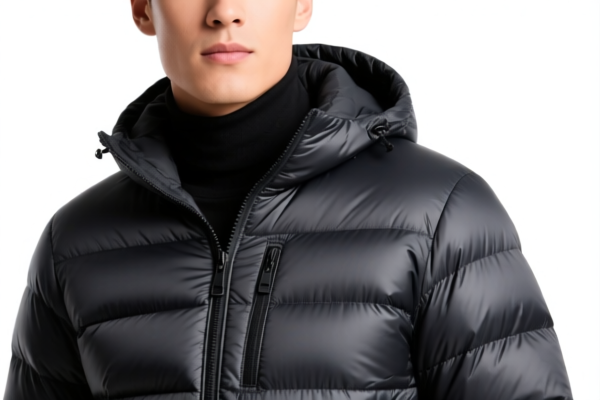
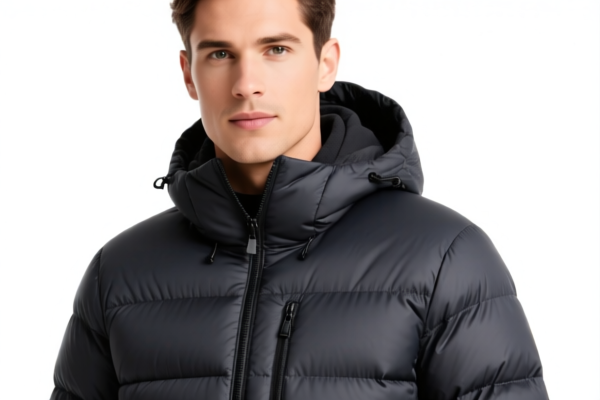
AI分析
🧥 Suede Jacket (Leather Apparel /麂皮夹克)
🌐 HS Code Reference & Customs Clearance Guide | 2026 Latest Tariff Analysis | Professional Clearance Strategy
📌 Part 1: Product Definition & Classification – Do You Really Know "Suede"?
A Suede Jacket is a garment made from suede, a type of leather with a napped finish. In international trade, the classification of leather apparel is highly sensitive to two factors: 1. Material Definition: Is it genuine leather (Chapter 41) or textile-based (Chapter 62)? 2. Product Form: Is it a finished garment (Chapter 42) or raw material/fabric?
⚠️ Key Distinction:
- If it is a finished jacket made from tanned leather (including suede) → It typically falls under Chapter 42 (Articles of Leather) or Chapter 41 (Leather + Clothing).
- If it is marketed as "textile suede" or classified as a generic textile garment without specific leather classification → It may fall under Chapter 62 (Articles of Apparel and Clothing Accessories, Not Knitted or Crocheted).
📦 Part 2: HS Code Classification Details (2026 Latest Tariff Authority Match)
Based on the provided data, here are the exact HS Codes and their corresponding tax implications for "Suede Jacket":
| HS Code | Product Description | Classification Logic | Total Tax Rate (US/CN) |
|---|---|---|---|
4203.10.40.60 |
Leather Jacket, Material: Leather, Form: Jacket | Matches classification requirements for finished leather garments. | 41.0% |
4203.10.40.30 |
Leather Jacket, Material: Leather, Form: Jacket | Fully matches classification requirements for finished leather garments. | 41.0% |
4107.11.70.40 |
Leather Jacket, Material: Leather, Category: Apparel | Matches successfully under leather goods + clothing use. | 15.0% |
4107.12.70.40 |
Leather Jacket, Satisfies Material & Clothing Use | Matches material and clothing purpose requirements. | 15.0% |
6211.49.80.90 |
Suede (Textile-based or treated as textile garment material) | Classified as textile material-made garment/fabric, matches classification. | 24.8% |
🔍 Critical Analysis:
-4203...Codes (41% Tax): These treat the item strictly as a finished leather article. This is the highest risk category due to high duties. -4107...Codes (15% Tax): These treat the item as Leather + Clothing. This is a preferred classification if the product can be legally defined as a "garment" rather than just a "leather article," significantly reducing tax burden. -6211...Code (24.8% Tax): This treats the item as a textile-based or generic apparel item. This applies if the "suede" is not genuine tanned leather but a synthetic/textile substitute, or if local customs require textile classification for certain suede types.
💰 Part 3: 2026 Latest Tariff Rate Breakdown (Including Add-ons & Policy Surcharges)
✅ Applicable Country: United States (US)
✅ Origin: China (CN)
✅ Effective Date: Includes subsequent imports subject to current trade policies.
🎯 1. High-Tariff Category: 4203.10.40.60 & 4203.10.40.30
Classification: Finished Leather Jackets
Total Tax Rate: 41.0%
| Item | Detail |
|---|---|
| Base Tariff | 6.0% |
| Section 301 Additional Tariff | 25.0% |
| Section 122 Tariff (IEEPA) | 10.0% |
| Total Effective Rate | 41.0% |
| Calculation Base | CIF Value × 41.0% |
| De Minimis Exemption | ❌ Not Eligible |
📌 Explanation:
- The 6.0% is the standard Most Favored Nation (MFN) duty for leather articles.
- The 25.0% is the Section 301 tariff imposed on Chinese goods.
- The 10.0% is the additional "122 Clause" tariff targeting specific Chinese imports.
- Total 41% is a heavy burden, requiring precise documentation to prove it is not misclassified.
🎯 2. Low-Tariff Category: 4107.11.70.40 & 4107.12.70.40
Classification: Leather Garments (Clothing)
Total Tax Rate: 15.0%
| Item | Detail |
|---|---|
| Base Tariff | 5.0% |
| Section 301 Additional Tariff | 0.0% |
| Section 122 Tariff (IEEPA) | 10.0% |
| Total Effective Rate | 15.0% |
| Calculation Base | CIF Value × 15.0% |
| De Minimis Exemption | ❌ Not Eligible |
📌 Strategic Advantage:
- The Section 301 (25%) is NOT applied to these specific codes (likely due to different legal interpretations or exemptions for leather garments vs. articles).
- Only the Base (5%) + 122 Clause (10%) apply.
- Savings: 26% less tax compared to the 4203 codes. This is a critical optimization point.
🎯 3. Medium-Tariff Category: 6211.49.80.90
Classification: Textile-Based Suede / Generic Apparel
Total Tax Rate: 24.8%
| Item | Detail |
|---|---|
| Base Tariff | 7.3% |
| Section 301 Additional Tariff | 7.5% |
| Section 122 Tariff (IEEPA) | 10.0% |
| Total Effective Rate | 24.8% |
| Calculation Base | CIF Value × 24.8% |
| De Minimis Exemption | ❌ Not Eligible |
📌 Note:
- This classification applies if the product is not considered "genuine leather" under Chapter 41/42, but rather a textile product.
- The Section 301 rate is lower (7.5% vs 25%) because textile apparel often has different trade policy treatments.
🛠️ Part 4: Customs Clearance Practical Advice (Field Avoidance Guide)
✅ 1. Documentation Checklist (Non-Negotiable)
| Document | Must Provide? | Purpose |
|---|---|---|
| ✅ Product Specification Sheet | ✔️ | Must explicitly state: "Suede" is Tanned Leather (if claiming 4107/4203) OR Textile (if claiming 6211). |
| ✅ Material Composition Label | ✔️ | Proof of material (e.g., "100% Suede Leather" vs. "Polyester Suede"). |
| ✅ Product Photos (Clear) | ✔️ | Show the nap (napped finish) to prove suede texture and garment structure. |
| ✅ Commercial Invoice | ✔️ | Description must match HS Code logic (e.g., "Men's Leather Jacket" vs. "Suede Garment"). |
| ✅ Certificate of Origin | ✔️ | Confirm CN origin to apply correct Section 301/122 rates. |
| ✅ Third-Party Lab Report | ✔️ | If disputed, a leather authenticity test can prevent misclassification penalties. |
✅ 2. Declaration Strategy (Key Mantras)
🔥 "Material Defines Chapter, Garment Defies 301, 4107 Saves 26%!"
| Scenario | Correct Declaration | Incorrect Declaration | Consequence |
|---|---|---|---|
| Genuine Leather Suede Jacket | HS 4107.11.70.40 (Leather Garment) |
HS 4203.10.40.60 (Leather Article) |
Overpay 26% tax |
| Textile/Synthetic Suede Jacket | HS 6211.49.80.90 (Textile Apparel) |
HS 4107... (Leather) |
Penalty for Fraud/Misclassification |
| Mixed Material (Leather + Textile) | Consult Customs Ruling | Generic "Jacket" | Delays or Rejection |
✅ 3. Special Case Handling
| Situation | Handling Advice |
|---|---|
| OEM Custom Jackets | Provide design sketches + material spec. Clarify if "suede" is genuine. |
| Leather Trim + Textile Body | Must declare based on principal material or specific composite rules. |
| "Suede" Ambiguity | If the supplier uses "suede" for faux leather, use HS 6211. Using leather codes for faux leather is fraud. |
| Kit/Unassembled | Declare as finished jacket if assembled upon import. |
🌍 Part 5: Global Market Comparison (2026 Update)
| Market | Recommended HS Code | Est. Duty | Note |
|---|---|---|---|
| 🇺🇸 USA | 4107.11.70.40 |
15.0% | Best rate for genuine leather garments. |
| 🇨🇳 China | 4203.10.40 |
~10-15% | Import duties vary; check FTAs. |
| 🇪🇺 EU | 4203.10 |
~12% | Standard MFN duty; no Section 301 equivalent. |
| 🇦🇺 Australia | 4203.10 |
~10% | GST applies separately. |
📌 Conclusion:
- USA is the most complex market due to Section 301 and 122 Clauses.
- Correctly classifying as4107(Leather Garment) instead of4203(Leather Article) saves 26% in the US.
- Ensure "Suede" is accurately described to avoid being forced into the higher4203or fraudulent4107categories.
📌 Part 6: Common Errors & Pitfalls (Lessons Learned)
❌ Error 1: Calling a Textile "Suede" a "Leather Jacket" to force HS 4107
👉 Consequence: Customs audit, penalty for fraud, possible seizure.
👉 Fix: If it’s not genuine leather, use 6211.
❌ Error 2: Classifying a Leather Jacket as 4203 when 4107 is available
👉 Consequence: Paying 41% instead of 15%.
👉 Fix: Provide proof that it is a garment (apparel) not just an article of leather.
❌ Error 3: Missing "122 Clause" Tariff in Calculation
👉 Consequence: Under-declared value, post-import assessment + interest.
👉 Fix: Always add 10% for IEEPA 122 Clause on CN-origin goods where applicable.
✅ Correct Declaration Example:
"Men's Suede Leather Jacket, 100% Genuine Leather, Tanned, Garment Type, Model XYZ, Made in China"
→ Use HS4107.11.70.40
🎯 Part 7: Conclusion – Precision Classification, Maximum Savings!
🎯 Remember:
🔹 "Suede is Leather, but Form Determines Chapter."
🔹 "4107 saves 26% over 4203 – don't leave money on the table."
🔹 "Textile Suede ≠ Leather – use HS 6211 to avoid fraud charges."
📌 Pro Tip:
If you are importing large volumes, apply for a Binding Ruling with US Customs (CBP) to confirm if your specific suede jacket qualifies for HS 4107 (15%) vs 4203 (41%). This provides legal certainty.
📣 Immediate Action:
📞 Consult your customs broker with material specs.
📄 Confirm if your supplier’s "suede" is genuine leather.
🚀 Optimize your HS Code to4107.11.70.40for maximum savings in the US.
✨ Professional Clearance Starts with Accurate Classification!
💼 Your Bottom Line Depends on These 10 Digits!
用户评价
关于 HS 编码归类
协调制度(HS)是由世界海关组织(WCO)制定的国际贸易商品分类标准。全球 200 多个国家采用 HS 系统作为海关关税、贸易统计和进出口监管的基础。
每个 HS 编码遵循以下层级结构:
- 章(2 位)——商品大类(例如:第 84 章:机器和机械设备)
- 品目(4 位)——章内的更具体分类
- 子目(6 位)——国际通用细分,所有 WCO 成员国统一使用
- 本国细分(8-10 位)——各国自行扩展的细分编码,如美国 HTSUS 10 位编码
正确的 HS 编码归类对于顺利通关、准确缴纳关税和遵守贸易法规至关重要。错误归类可能导致海关延误、多缴关税或罚款。
从CN进口到US时,适用的关税税率可能包括:
- 最惠国(MFN)税率——适用于 WTO 成员国的标准关税税率
- 普通税率——适用于无贸易协定国家
- 贸易救济关税——附加关税,如 301 条款(反倾销)、232 条款(国家安全)或反补贴税
本页内容仅供参考。如需正式归类,请咨询当地海关或持牌报关代理。