surveillance camera model
CN → US| HS编码 | 关税税率 | 原产国 | 目的国 | 文档 |
|---|---|---|---|---|
| 8525893000 | 35.0% | CN | US | 官方文档 |
| 8525895050 | 35.0% | CN | US | 官方文档 |
| 9013809100 | 22.0% | CN | US | 官方文档 |
| 9013105000 | 22.8% | CN | US | 官方文档 |
| 8543709860 | 37.6% | CN | US | 官方文档 |
商品图片
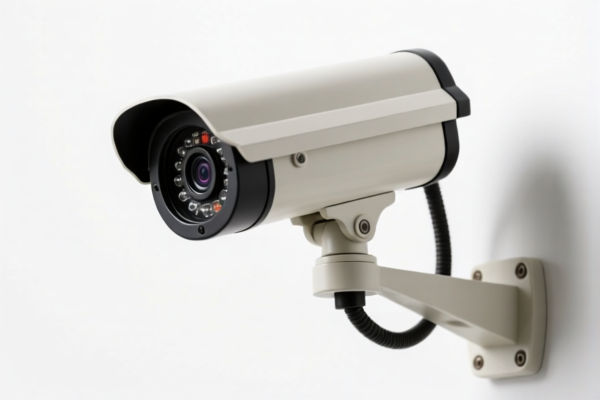
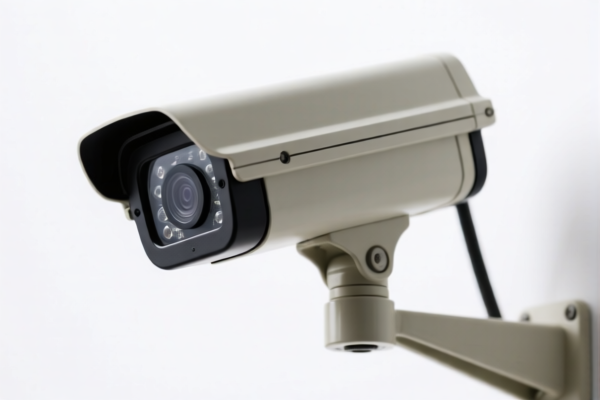
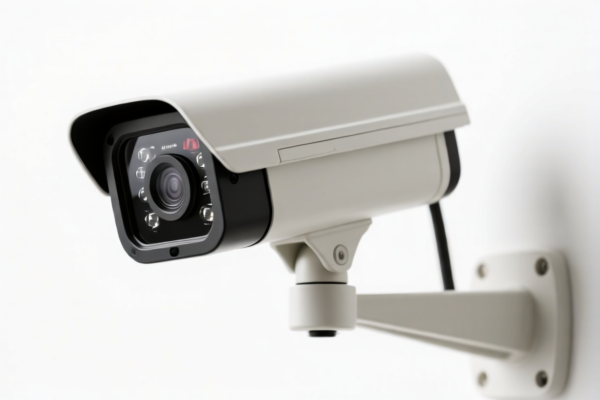
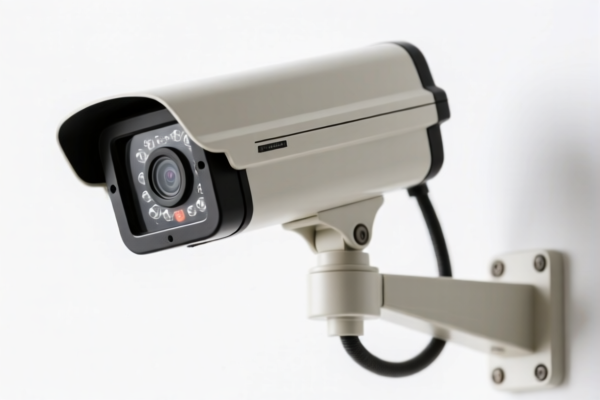
AI分析
📷 Surveillance Camera Models: The Ultimate HS Code & Tariff Strategy Guide (2026)
🌐 HS Code Reference & Customs Clearance Guide | 2026 Latest Tariff Analysis | Professional Clearance Strategy
📌 One Product, Multiple Classifications: Why "Surveillance Camera" is a Compliance Minefield
A surveillance camera is not just a camera. Depending on its internal optical structure, functionality, and integration, it can be classified into vastly different HS codes. The difference? Tax rates ranging from 22% to 37.6%.
In international trade (especially with the US market), misclassification can lead to severe penalties, delayed shipments, and unexpected costs. Below is the authoritative breakdown based on the provided data.
📦 1. HS Code Classification Matrix (2026 Latest Tariff Codes)
| HS Code | Product Description & Logic | Key Determining Factor | Total Tax Rate (US/CN Origin) |
|---|---|---|---|
| 8525.89.30.00 | Video Camera Apparatus Cameras for image capture, consistent with television cameras. |
Core Function: Primary purpose is video/image capture. No conflicting material usage. | 35.0% |
| 8525.89.50.50 | Other Broadcast/Transmission Equipment Cameras for broadcast or TV transmission. |
Application: Specifically designed for broadcast/TV transmission systems rather than standalone security use. | 35.0% |
| 9013.80.91.00 | Optical Instruments (Laser/Optic) Cameras viewed as optical imaging devices within "Laser and other optical appliances." |
Technology: Heavy emphasis on optical lenses/imaging technology, categorized under optical instruments. | 22.0% |
| 9013.10.50.00 | Other Optical Appliances Cameras falling under the "catch-all" category for optical appliances. |
Technology: Similar to above, but for general optical apparatus not specifically listed elsewhere. | 22.8% |
| 8543.70.98.60 | Independent Electronic Devices Cameras with independent functions, fitting the catch-all for machines/devices. |
Functionality: Treated as a standalone electronic device with specific independent functions. | 37.6% |
🔍 Critical Insight:
- Optical vs. Electronic: If the customs officer views the camera primarily as an optical tool (lenses, light capture), it goes to Ch. 90 (22-22.8%).
- Electronic vs. Broadcast: If viewed as a broadcast/electronic device, it goes to Ch. 85 (35-37.6%).
- Risk: The highest rate (37.6%) applies to the "Independent Electronic Device" classification, which is often used for complex, smart, or non-standard cameras.
💰 2. 2026 Tariff Rate Breakdown (Detailed Tax Analysis)
✅ Applicable Region: United States (US)
✅ Origin: China (CN)
✅ Effective Date: Current US Trade Policy (Section 301 & IEEPA)
🎯 Category A: High-Tariff Electronic/Broadcast Class (Ch. 85)
1. 8525.89.30.00 & 8525.89.50.50
- Description: Video cameras and broadcast transmission equipment.
- Tax Structure: | Component | Rate | Legal Basis | |-----------|------|-------------| | Base Tariff | 0.0% | Standard MFN Rate | | Section 301 (Add-on) | +25.0% | USITC Footnote / Trade Act | | IEEPA (122 Clause) | +10.0% | Executive Order on Chinese Imports | | TOTAL RATE | 35.0% | |
⚠️ Note: These two codes have identical total rates. The distinction lies in the summary logic: -
8525.89.30.00: Focuses on image capture utility (standard surveillance). -8525.89.50.50: Focuses on broadcast/transmission utility.
2. 8543.70.98.60 (The Highest Risk)
- Description: Independent electronic device (machine/device catch-all).
- Tax Structure: | Component | Rate | Legal Basis | |-----------|------|-------------| | Base Tariff | 2.6% | Standard MFN Rate | | Section 301 (Add-on) | +25.0% | USITC Footnote / Trade Act | | IEEPA (122 Clause) | +10.0% | Executive Order on Chinese Imports | | TOTAL RATE | 37.6% | |
🚨 Critical Warning: This is the most expensive classification. Avoid this unless the device has unique, independent functions not covered by standard camera codes. Misclassifying a standard security camera here is a compliance risk.
🎯 Category B: Lower-Tariff Optical Class (Ch. 90)
3. 9013.80.91.00 & 9013.10.50.00
- Description: Optical appliances and imaging instruments.
- Tax Structure: | Component | Rate | Legal Basis | |-----------|------|-------------| | Base Tariff | 4.5% - 5.3% | Standard MFN Rate | | Section 301 (Add-on) | +7.5% | USITC Footnote / Trade Act | | IEEPA (122 Clause) | +10.0% | Executive Order on Chinese Imports | | TOTAL RATE | 22.0% - 22.8% | |
💡 Strategy: If your camera's primary value proposition is its optical quality (high-end lenses, specific optical mechanics), arguing for Ch. 90 can save you 12-15% in duties compared to Ch. 85 codes. However, you must provide strong technical evidence that it is an "optical instrument."
🛠️ 3. Customs Clearance Practical Advice (Actionable Strategy)
✅ Step 1: Preparation of Technical Documentation
To justify your HS Code, you must provide more than just a commercial invoice.
| Document | Purpose | Key Details to Include |
|---|---|---|
| Technical Data Sheet | Prove Function | Specify if it's for "Broadcast," "General Surveillance," or "Optical Measurement." |
| Circuit Diagram/Block Diagram | Prove Composition | Show if the core value is in the Optical Lens (Ch. 90) or the Electronic Processor (Ch. 85). |
| User Manual | Prove Use Case | Does the manual say "Broadcast Studio Use" (supports 8525.89.50.50) or "General Security" (supports 8525.89.30.00)? |
| Product Photos | Visual Proof | Clear shots of lenses, sensors, and interfaces. |
✅ Step 2: Smart Classification Strategy
| Scenario | Recommended HS Code | Why? |
|---|---|---|
| Standard IP Camera | 8525.89.30.00 |
Most accurate for general image capture. Safe bet at 35%. |
| High-End Broadcast Camera | 8525.89.50.50 |
If used in TV/Studio environments, this is technically precise. Rate 35%. |
| Premium Optical Lens-Centric Camera | 9013.80.91.00 |
If the lens is the primary component and value driver, argue for Optical Instrument. Potential savings: 13% (35% vs 22%). |
| Complex Smart/AI Camera | 8543.70.98.60 |
⚠️ Avoid unless necessary. Highest tax (37.6%). Only use if it has unique independent electronic functions not covered by other codes. |
✅ Step 3: Common Pitfalls & How to Avoid Them
❌ Pitfall 1: Using "Camera" as a Generic Description
👉 Risk: Customs may default to the highest tariff (8543.70.98.60) or choose the one that triggers the most scrutiny.
✅ Fix: Use precise terms: "Solid-State Video Camera for Surveillance" or "Optical Imaging Apparatus."
❌ Pitfall 2: Ignoring the "122 Clause" IEEPA Tariff
👉 Risk: Forgetting the +10% IEEPA tax.
✅ Fix: All listed codes include this +10% surcharge. Do not calculate tariffs without it.
❌ Pitfall 3: Misclassifying Optical Cameras as Electronics
👉 Risk: Paying 35% when you could pay 22%.
✅ Fix: If the camera is sold as an "Optical Instrument" or "Lens System," provide technical specs emphasizing optical properties (focal length, aperture, glass type) to support 9013 classification.
🌍 4. Global Market Context (2026)
| Region | Recommended Code | Est. Tax Impact | Note |
|---|---|---|---|
| 🇺🇸 USA | Varies (See Above) | 22% - 37.6% | Highly sensitive to Section 301 & IEEPA. Optimize for Ch. 90 if possible. |
| 🇪🇺 EU | 8525 or 9013 | Varies (0-4%) | No Section 301/IEEPA. Focus on accurate functional description. |
| 🇨🇳 China | 8525 or 9013 | 0-10% | Import duties may apply, but no US-style retaliatory tariffs. |
📌 Conclusion for US Imports:
The 13-15% tax difference between9013(Optical) and8525/8543(Electronic) is significant.
- If your product is a standard security camera, stick to8525.89.30.00(35%) for compliance safety.
- If your product is high-end, lens-heavy, or optical-instrument focused, consider9013.80.91.00(22%) with robust technical documentation to claim the lower rate.
- Avoid8543.70.98.60(37.6%) unless absolutely necessary, as it is the most expensive.
📌 Final Checklist for Exporters
- [ ] Define Primary Function: Is it for image capture (Ch. 85) or optical imaging (Ch. 90)?
- [ ] Select Code:
8525.89.30.00(Standard) vs9013.80.91.00(Optical). - [ ] Calculate Cost: Include Base Tariff + 25% (301) + 10% (IEEPA).
- [ ] Prepare Docs: Technical specs highlighting the chosen classification basis.
- [ ] Consult Broker: Get an Advance Ruling from CBP if the value is high.
🎯 Pro Tip:
"Optics save money, Electronics save time."
Arguing for9013(Optical) saves ~13% in tax but requires stronger technical justification.
Using8525(Electronic) is compliant-safe but costs ~13% more.
Know your product, choose your code, and protect your margin!
✨ Precision in Classification, Profit in Clearance.
📞 Contact a licensed customs broker for a pre-classification review.
用户评价
关于 HS 编码归类
协调制度(HS)是由世界海关组织(WCO)制定的国际贸易商品分类标准。全球 200 多个国家采用 HS 系统作为海关关税、贸易统计和进出口监管的基础。
每个 HS 编码遵循以下层级结构:
- 章(2 位)——商品大类(例如:第 84 章:机器和机械设备)
- 品目(4 位)——章内的更具体分类
- 子目(6 位)——国际通用细分,所有 WCO 成员国统一使用
- 本国细分(8-10 位)——各国自行扩展的细分编码,如美国 HTSUS 10 位编码
正确的 HS 编码归类对于顺利通关、准确缴纳关税和遵守贸易法规至关重要。错误归类可能导致海关延误、多缴关税或罚款。
从CN进口到US时,适用的关税税率可能包括:
- 最惠国(MFN)税率——适用于 WTO 成员国的标准关税税率
- 普通税率——适用于无贸易协定国家
- 贸易救济关税——附加关税,如 301 条款(反倾销)、232 条款(国家安全)或反补贴税
本页内容仅供参考。如需正式归类,请咨询当地海关或持牌报关代理。