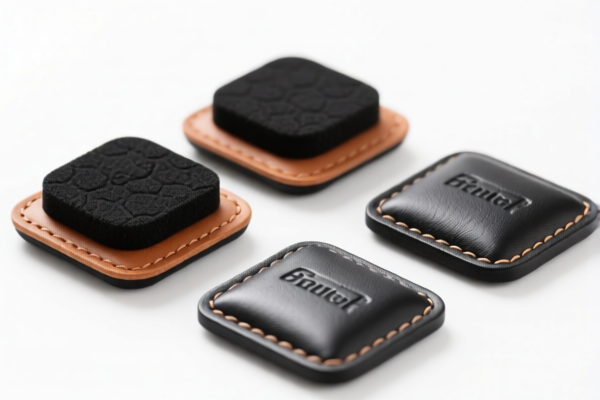
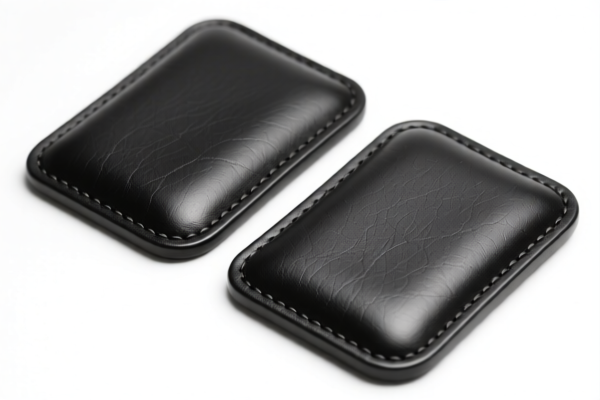
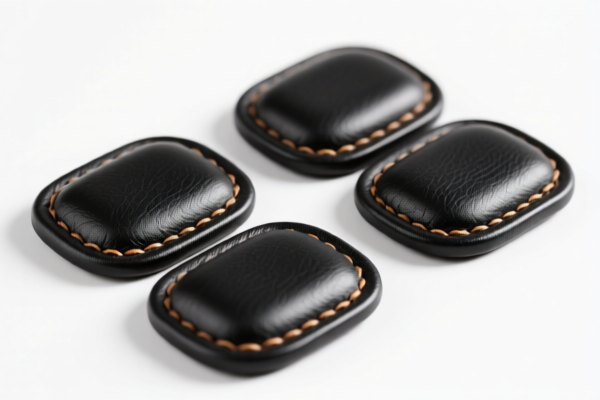
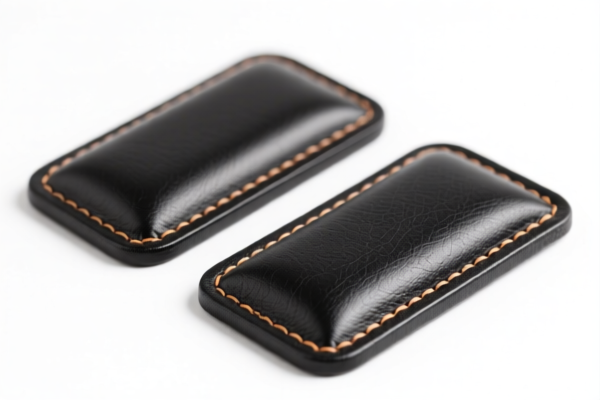
synthetic leather buffer pad for automation equipment
CN → US| HS编码 | 关税税率 | 原产国 | 目的国 | 文档 |
|---|---|---|---|---|
| 3926906090 | 39.2% | CN | US | 官方文档 |
| 3926909989 | 22.8% | CN | US | 官方文档 |
| 9403994080 | 35.0% | CN | US | 官方文档 |
| 8479909596 | 85.0% | CN | US | 官方文档 |
| 3926906090 | 39.2% | CN | US | 官方文档 |
商品图片
AI分析
🛡️ Synthetic Leather Buffer Pad for Automation Equipment
🌐 HS Code Reference & Clearance Guide | 2026 Latest Tariff Analysis | Professional Customization Strategy
📌 I. Product Definition & Classification: What is a "Synthetic Leather Buffer Pad"?
Synthetic leather buffer pads are specialized components used in industrial automation to absorb shock, reduce noise, and protect machinery surfaces. Although they are made of synthetic leather (a polymer/plastic material) and serve a mechanical function, their classification in US Customs depends heavily on the interpretation of the machine part vs. general plastic article rule.
⚠️ Key Classification Conflict:
- Are they considered "Parts of Machinery" (Chapter 84/94)? → Higher risk of Section 301/IEEPA tariffs if classified under specific machine parts.
- Are they considered "Articles of Plastics" (Chapter 39)? → Generally lower base tariff, but still subject to additional duties.
- Critical Note: US Customs often scrutinizes "buffer pads" made of rubber/plastic. If they are clearly identifiable as parts of a specific machine, Chapter 84/94 may apply. If generic, Chapter 39 applies.
📦 II. HS Code Classification Details (2026 Latest Tariff Authority)
Based on the provided data, here are the four possible HS Codes and their rationales:
| HS Code | Product Description | Classification Logic | Key Characteristic |
|---|---|---|---|
3926.90.60.90 |
Plastic/Polimer Articles: Other, for Machines/Equipment | Material-Based: Classified as plastic articles due to synthetic leather composition. Used in automation. | ✅ Most Likely (Standard Plastic Category) |
3926.90.99.89 |
Plastic/Composite Articles: Other | General Plastic: Falls under "Other" plastic items. No specific machine part conflict. | ✅ Generic Plastic |
9403.99.40.80 |
Parts of Furniture: Other | Misclassification Risk: Incorrectly classifies machine buffer as furniture part. | ❌ High Risk (Wrong Chapter) |
8479.90.95.96 |
Machines/Mechanical Appliances: Other Parts | Machine Part: Classified as a part of a generic machine or mechanical appliance. | ✅ Specific Machine Part |
🔍 Critical Distinction:
- Chapter 39 (3926.xx): Focuses on the material (synthetic leather = plastic).
- Chapter 84 (8479.xx): Focuses on the function (part of automation equipment).
- Chapter 94 (9403.xx): Focuses on furniture. Avoid this unless the pad is for a robotic arm chair or human-operated console seat, not industrial automation.
💰 III. 2026 Latest Tariff Rate Breakdown (Including Surtaxes & Policy Additions)
✅ Applicable Country: United States (US)
✅ Origin: China (CN)
✅ Effective Time: 2025/2026 (Including subsequent imports)
✅ Key Taxes: Base Tariff + Section 301 (25%) + IEEPA (10%) + Steel/Aluminum (50% if applicable)
🎯 1. 3926.90.60.90 – Plastic Articles, Other (Machinery Use)
| Item | Content |
|---|---|
| Base Tariff | 4.2% |
| Section 301 Surcharge | +25.0% (China Origin) |
| IEEPA Surcharge | +10.0% (122 Clause China) |
| Total Tariff | 39.2% |
| Tax Calculation | CIF Value × 39.2% |
| De Minimis Exemption | ❌ Not Eligible (High tariff rate) |
| Legal Basis | USITC:3926.90.60.90 → Section 301 → IEEPA:122 |
📌 Explanation:
- This is the most balanced option if classified as a plastic article.
- Base 4.2% + 25% (301) + 10% (122) = 39.2%.
- Synthetic leather is treated as a plastic product.
🎯 2. 3926.90.99.89 – Plastic/Composite Articles, Other
| Item | Content |
|---|---|
| Base Tariff | 5.3% |
| Section 301 Surcharge | +7.5% (Reduced rate for certain plastics?) |
| IEEPA Surcharge | +10.0% (122 Clause China) |
| Total Tariff | 22.8% |
| Tax Calculation | CIF Value × 22.8% |
| De Minimis Exemption | ❌ Not Eligible |
| Legal Basis | USITC:3926.90.99.89 → Section 301 → IEEPA:122 |
📌 Important:
- This code has a lower total tariff (22.8%) than3926.90.60.90.
- However, it is a "catch-all" for plastics. Must ensure the product does not fit a more specific machinery part description.
- Savings: 16.4% lower than the 39.2% option!
🎯 3. 9403.99.40.80 – Parts of Furniture, Other
| Item | Content |
|---|---|
| Base Tariff | 0.0% |
| Section 301 Surcharge | +25.0% |
| IEEPA Surcharge | +10.0% |
| Total Tariff | 35.0% |
| Tax Calculation | CIF Value × 35.0% |
| De Minimis Exemption | ❌ Not Eligible |
| Legal Basis | USITC:9403.99.40.80 → Section 301 → IEEPA:122 |
⚠️ Warning:
- High Risk of Misclassification.
- If this is for industrial automation (not furniture), Customs may reclassify to Chapter 84 or 39.
- If reclassified, you may face penalties for false declaration.
- Only use if the buffer is for operator seating or furniture-like automation consoles.
🎯 4. 8479.90.95.96 – Parts of Machines, Other
| Item | Content |
|---|---|
| Base Tariff | 0.0% |
| Section 301 Surcharge | +25.0% |
| IEEPA Surcharge | +10.0% |
| Steel/Aluminum Surcharge | +50.0% (If containing steel/aluminum components) |
| Total Tariff | 85.0% |
| Tax Calculation | CIF Value × 85.0% |
| De Minimis Exemption | ❌ Not Eligible |
| Legal Basis | USITC:8479.90.95.96 → Section 301 → IEEPA:122 → Section 232 |
🚨 Critical Alert:
- Highest Tax Rate (85.0%).
- This is the most expensive option.
- Only apply if the part is exclusively for a machine listed in Chapter 84 and no other classification fits.
- Avoid unless necessary, as it nearly doubles the cost of Chapter 39 options.
🛠️ IV. Clearance Practical Advice (Battle-Tested Pitfall Guide)
✅ 1. Documentation Checklist (Mandatory)
| Document | Required | Description |
|---|---|---|
| ✅ Product Specification Sheet | ✔️ | Detail material: "Synthetic Leather (PVC/PU)", dimensions, thickness, durometer. |
| ✅ Material Safety Data Sheet (MSDS) | ✔️ | Prove polymer composition. |
| ✅ Product Photos (Clear) | ✔️ | Show use case: Is it on a machine? A chair? A table? |
| ✅ Bill of Lading/Commercial Invoice | ✔️ | Clearly state "Synthetic Leather Buffer Pad for Automation Equipment". |
| ✅ Origin Certificate | ✔️ | For China origin confirmation. |
| ✅ Function Description | ✔️ | Explain why it’s not a "furniture part" or "machine part" if claiming Chapter 39. |
✅ 2. Declaration Strategy (Key Mantras)
🔥 "Material First, Function Second. Avoid Chapter 84 if 39 Fits."
| Scenario | Correct HS Code | Wrong Code | Risk |
|---|---|---|---|
| Generic buffer pad, polymer material | 3926.90.99.89 |
8479.90.95.96 |
62.2% tax difference! |
| Specific machine part, no other fit | 8479.90.95.96 |
3926.90.60.90 |
Overpayment if 39 applies, or underpayment penalty if 84 is forced. |
| For operator chair/console | 9403.99.40.80 |
3926.90.60.90 |
Misclassification penalty if not truly furniture. |
💡 Pro Tip:
- If the product is generic and not exclusively designed for one specific machine model, Chapter 39 is safer.
- If the product is custom-molded for a specific automation arm, Chapter 84 might be required, but expect 85% tax.
✅ 3. Special Circumstances
| Scenario | Handling Advice |
|---|---|
| Contains Metal Inserts | If the buffer has steel/aluminum pins, Chapter 84 may apply with 50% steel tariff. Avoid if possible. |
| Mixed Shipment | If shipped with other plastic goods, ensure clear separation in invoice. |
| Pre-Clearance Ruling | Highly Recommended. Apply for an ITC Pre-Decision Ruling to lock in 3926.90.99.89 (22.8%) if eligible. |
🌍 V. Global Market Clearance Comparison (2026 Latest)
| Country/Region | Recommended HS Code | Tariff Rate | Certification | Note |
|---|---|---|---|---|
| 🇺🇸 USA | 3926.90.99.89 |
22.8% | None | Best Option (Lowest tax among valid plastic codes) |
| 🇺🇸 USA | 8479.90.95.96 |
85.0% | None | Avoid (Highest tax) |
| 🇨🇳 China | 3926.90.60.90 |
~4-5% | CCC (if applicable) | Low tax, no surtaxes |
| 🇪🇺 EU | 3926.90.99 |
~6% | REACH, RoHS | No Section 301/IEEPA |
| 🇦🇺 Australia | 3926.90.99 |
~5% | Glabel | No surtaxes |
📌 Conclusion:
- USA is the most challenging market due to 301/IEEPA tariffs.
- China/EU/AU have no such surtaxes, making the product highly competitive there.
- For USA, aim for3926.90.99.89(22.8%) to minimize costs.
📌 VI. Common Mistakes & Pitfall Guide (Blood Tears Lessons)
❌ Mistake 1: Declaring as "Machinery Part" (8479) when it’s a generic plastic pad
👉 Consequence: 85% tax instead of 22.8% → Cost Increase by 62.2%!
❌ Mistake 2: Declaring as "Furniture Part" (9403) for industrial use
👉 Consequence: Customs reclassification + penalties + delay.
❌ Mistake 3: Not disclosing "Synthetic Leather" material
👉 Consequence: Customs may classify as "Textile" or "Rubber" with different tariffs.
❌ Mistake 4: Ignoring "Steel/Aluminum" content in the pad
👉 Consequence: If metal parts are present, Section 232 (50% tariff) may apply on top of Section 301.
✅ Correct Declaration:
"Synthetic Leather Buffer Pad, Polymer Material, for Industrial Automation Use, Model XYZ"
🎯 VII. Conclusion: Professional Declaration, Save Money, Clear Quickly!
🎯 Remember the Mantra:
🔹 "Material defines Chapter 39, Function defines Chapter 84."
🔹 "If generic, choose 3926.90.99.89 (22.8%). If specific, choose 8479.90.95.96 (85%)."
🔹 "Avoid Furniture Chapter 94 for industrial equipment!"
📌 Tips:
- If your product is exported to Vietnam/Mexico, consider transshipment to avoid IEEPA tariffs (though US Customs tracks origin strictly).
- Apply for a Pre-Ruling with US CBP to secure the 22.8% rate for 3926.90.99.89 if your product qualifies as a general plastic article.
📣 Immediate Action:
📞 Consult a Customs Broker + Provide Product Specs + Apply for Pre-Ruling
🚀 Clear Your Buffer Pads Smoothly, Maximize Profit, and Avoid Surprises!
✨ Professional Clearance Starts with Accurate Classification!
💼 Every Cent of Tariff Saved is Pure Profit!
用户评价
关于 HS 编码归类
协调制度(HS)是由世界海关组织(WCO)制定的国际贸易商品分类标准。全球 200 多个国家采用 HS 系统作为海关关税、贸易统计和进出口监管的基础。
每个 HS 编码遵循以下层级结构:
- 章(2 位)——商品大类(例如:第 84 章:机器和机械设备)
- 品目(4 位)——章内的更具体分类
- 子目(6 位)——国际通用细分,所有 WCO 成员国统一使用
- 本国细分(8-10 位)——各国自行扩展的细分编码,如美国 HTSUS 10 位编码
正确的 HS 编码归类对于顺利通关、准确缴纳关税和遵守贸易法规至关重要。错误归类可能导致海关延误、多缴关税或罚款。
从CN进口到US时,适用的关税税率可能包括:
- 最惠国(MFN)税率——适用于 WTO 成员国的标准关税税率
- 普通税率——适用于无贸易协定国家
- 贸易救济关税——附加关税,如 301 条款(反倾销)、232 条款(国家安全)或反补贴税
本页内容仅供参考。如需正式归类,请咨询当地海关或持牌报关代理。