synthetic woven fabric
CN → US| HS编码 | 关税税率 | 原产国 | 目的国 | 文档 |
|---|---|---|---|---|
| 5512110090 | 24.0% | CN | US | 官方文档 |
| 5407200000 | 35.0% | CN | US | 官方文档 |
| 5513130090 | 49.9% | CN | US | 官方文档 |
| 5513230191 | 49.9% | CN | US | 官方文档 |
| 5407912090 | 49.9% | CN | US | 官方文档 |
商品图片
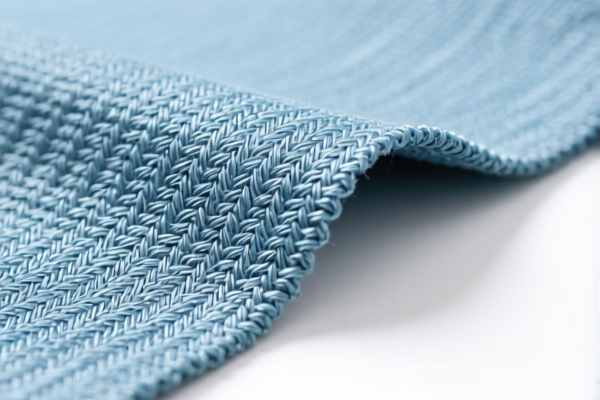
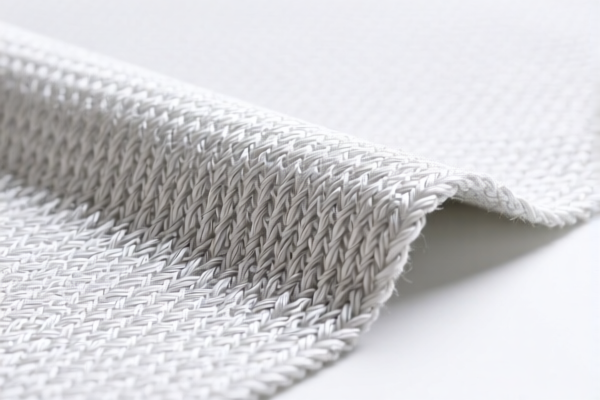
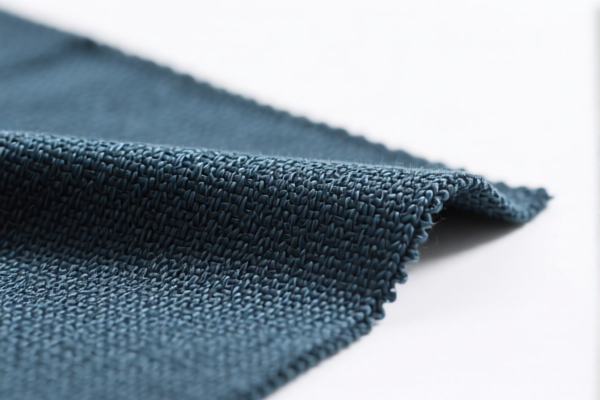
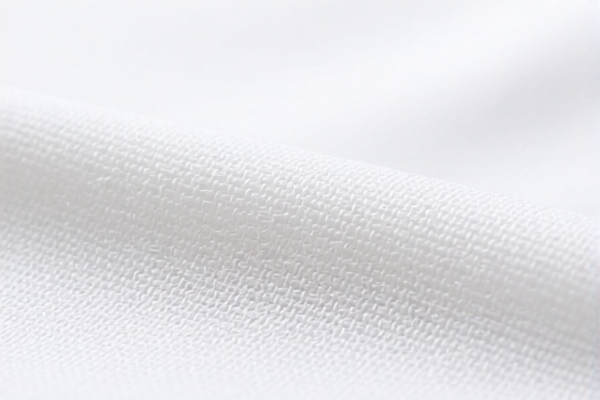
AI分析
🧵 Synthetic Woven Fabric: The Ultimate HS Code & Tariff Guide | 2026 Customs Clearance Strategy
🌐 HS Code Reference & Customs Guide | 2026 Latest Tariff Analysis | Professional Clearance Strategy
📌 I. Product Definition: What Exactly is "Synthetic Woven Fabric"?
Synthetic Woven Fabric is a broad category in international trade, encompassing textiles made from man-made continuous filaments or staple fibers that are woven together. Unlike knitted fabrics (which are stretchy and looped), woven fabrics are stable and rigid, used in everything from clothing and upholstery to industrial applications.
In the Harmonized System (HS), these goods are primarily classified under Chapter 54 (Man-made filaments) and Chapter 55 (Man-made staple fibers).
⚠️ Critical Distinction:
- Filament vs. Staple: Is the fiber made of long continuous threads (Filament/Ch. 54) or short cut fibers spun together (Staple/Ch. 55)?
- Weight/Structure: Is it heavy/medium-weight (often Ch. 55) or lightweight/sheer (often Ch. 54)?
- Composition: Is it 100% polyester, nylon, or a blend?
📦 II. HS Code Classification Details (Based on Provided Data)
The following analysis is strictly based on the provided dataset (<DATA>). All five codes fall under the umbrella of Synthetic Woven Fabrics, but they differ significantly in tax implications due to subtle classification nuances.
| HS Code | Summary Description | Key Characteristics |
|---|---|---|
5512.11.00.90 |
Synthetic Fiber Woven Fabric | Matches synthetic staple fiber material & woven form; classified under "Other" sub-categories. |
5407.20.00.00 |
Synthetic Fiber Woven Fabric | Material & form fully match classification explanations; specific filament woven category. |
5513.13.00.90 |
Synthetic Fiber Woven Fabric | Material consistent & meets woven form; classified under "Other" categories. |
5513.23.01.91 |
Synthetic Fiber Woven Fabric | Material & form match; fits "Other" category fallback logic. |
5407.91.20.90 |
Synthetic Fiber Woven Fabric | Material & form fully match classification; no other conflicts identified. |
🔍 Note:
- Ch. 55 (5512,5513): Typically refers to fabrics made from synthetic staple fibers (cut fibers spun into yarn).
- Ch. 54 (5407): Typically refers to fabrics made from synthetic continuous filaments (long threads).
- The specific sub-codes indicate weight, weave type (plain, twill, etc.), and bleaching/dyeing status, which dictate the tariff rate.
💰 III. 2026 Latest Tariff Rate Breakdown (Including Surcharges & Policy Add-ons)
✅ Applicable Country: United States (US)
✅ Origin: Likely China (Implied by "Section 301" and "122 Clause" references in data)
✅ Effective Time: Current 2026 Tariff Structure
The total tax burden varies dramatically from 24.0% to 49.9% depending on the specific HS code. This is due to the combination of Base Tariff, Section 301 Surcharge, and Section 122 Tariff.
🎯 1. 5512.11.00.90 —— Lowest Tariff Option (24.0%)
| Item | Detail |
|---|---|
| Base Tariff | 12.0% |
| Section 301 Surcharge | 2.0% |
| Section 122 Tariff | 10.0% |
| Total Tax Rate | 24.0% |
| Calculation | CIF Value × 24% |
| De Minimis Exemption? | ❌ No (High value threshold typically applies for textiles; check $800 rule carefully) |
📌 Explanation:
- This is the most cost-effective classification in the provided data.
- It applies to synthetic staple fiber woven fabrics that fall into specific "other" sub-categories under Heading 5512.
- Section 301 (2%): Specific retaliation tariff.
- Section 122 (10%): Emergency tariff for certain imported goods (often textiles/apparel) to protect domestic production.
🎯 2. 5407.20.00.00 —— High Surcharge Case (35.0%)
| Item | Detail |
|---|---|
| Base Tariff | 0.0% |
| Section 301 Surcharge | 25.0% |
| Section 122 Tariff | 10.0% |
| Total Tax Rate | 35.0% |
| Calculation | CIF Value × 35% |
| De Minimis Exemption? | ❌ No |
📌 Explanation:
- Although the Base Tariff is 0%, the Section 301 Surcharge is MASSIVE (25%).
- This HS code falls under a different Section 301 list than the 24% category.
- Key Insight: Even with 0% base duty, the total cost is significantly higher than5512.11.00.90. Do not assume 0% base means low total tax!
🎯 3. 5513.13.00.90, 5513.23.01.91, 5407.91.20.90 —— Highest Tax Bracket (49.9%)
These three codes share the same total tax rate of 49.9%, despite having different base tariffs.
A. 5513.13.00.90 & 5513.23.01.91 & 5407.91.20.90 Breakdown
| Item | Detail |
|---|---|
| Base Tariff | 14.9% |
| Section 301 Surcharge | 25.0% |
| Section 122 Tariff | 10.0% |
| Total Tax Rate | 49.9% |
| Calculation | CIF Value × 49.9% |
| De Minimis Exemption? | ❌ No |
📌 Explanation:
- Highest Tax Burden: These classifications attract the maximum 25% Section 301 surcharge AND a 14.9% base tariff.
- Section 122 (10%): Still applies.
- Why so high? These codes likely represent specific high-volume or sensitive synthetic fabric types (e.g., certain polyesters or nylons) that face both high base duties and full Section 301 retaliation.
🛠️ IV. Customs Clearance Practical Advice (Pitfall Avoidance Guide)
✅ 1. Material & Product Description Documentation (Must-Haves)
To ensure correct classification and avoid audits, provide:
| Document | Requirement | Why It Matters |
|---|---|---|
| ✅ Fiber Content Analysis | ✔️ Must specify: 100% Polyester? Nylon blend? Staple vs. Filament? | Determines Chapter 54 vs. 55. |
| ✅ Weave Structure | ✔️ Plain, Twill, Satin? Weight (GSM)? | Determines specific sub-code (e.g., 5512 vs. 5513). |
| ✅ Processing State | ✔️ Bleached, Dyed, Printed? | Affects classification within the sub-heading. |
| ✅ Product Photos | ✔️ Close-up of weave pattern | Helps customs verify "woven" vs. "knitted" or "non-woven". |
| ✅ Commercial Invoice | ✔️ Detailed description: "Synthetic Woven Fabric, 100% PES, Dyed, Plain Weave" | Prevents vague descriptions like "Fabric" which lead to high default rates. |
✅ 2. Classification Strategy (Key Tips)
🔥 "Match the Fiber, Match the Weight, Avoid the 25% Trap!"
| Scenario | Recommended Action | Risk if Incorrect |
|---|---|---|
| Staple Fiber Fabric | Check 5512 or 5513. Prefer 5512.11.00.90 (24%) if it fits. |
Misclassifying as 5513/5407.91 leads to 49.9% tax. |
| Filament Fabric | Check 5407. Carefully compare 5407.20 (35%) vs 5407.91 (49.9%). |
5407.20 is cheaper than 5407.91. Ensure description matches "20" criteria. |
| Bleached/Dyed | Ensure "Dyed" vs "Printed" is accurate. | Different sub-codes have different tax rates. |
| Section 122 Applicability | Confirm if the fabric falls under Section 122 emergency tariffs. | If exempt, save 10%. If not, pay 10%. |
✅ 3. Special Cases & Exceptions
| Situation | Handling Suggestion |
|---|---|
| Blended Fabrics | If <50% synthetic, it may not fall under these codes. Check Chapter 52/51/53. |
| Garment vs. Fabric | If sold as cut pieces or garments, it may be under Chapter 61/62 with different tariffs. |
| De Minimis ($800) | Warning: While Section 301 tariffs technically apply to de minimis entries, enforcement varies. However, for B2B shipments, this is irrelevant. |
| Country of Origin | If shipped from Vietnam/Malaysia, Section 301 (25%) may NOT apply. Check Free Trade Agreements (FTAs). |
🌍 V. Global Market Comparison (2026)
| Country/Region | Recommended HS Code | Est. Tariff (China Origin) | Key Certification | Notes |
|---|---|---|---|---|
| 🇺🇸 USA | 5512.11.00.90 |
24.0% (Best Option) | Textile Labeling, Fiber Content | Avoid 5513/5407.91 due to 49.9% rate. |
| 🇺🇸 USA | 5407.20.00.00 |
35.0% | Same | Mid-tier option. |
| 🇺🇸 USA | 5513.13.00.90 |
49.9% (Worst Option) | Same | Highest cost. Avoid if possible. |
| 🇨🇳 China | Varies | 5-10% (Import Duty) | None | Low base duty, no Section 301. |
| 🇪🇺 EU | Varies (54/55) | 4-12% | REACH, Oeko-Tex | No Section 301/122 surcharges. |
| 🇬🇧 UK | Varies | 4-12% | UKCA | Post-Brexit rules apply. |
📌 Conclusion:
- USA is the most expensive market due to Section 301 and Section 122 tariffs.
- Strategic Selection: Always aim for5512.11.00.90(24%) if the fabric's material/weight allows it.
- Avoid5513and5407.91unless necessary, as they double the tax of5512.
📌 VI. Common Mistakes & Pitfalls (Lessons Learned)
❌ Mistake 1: Assuming "Synthetic Fabric" has one tax rate.
👉 Result: Paying 49.9% when 24% was available due to incorrect sub-code selection.
❌ Mistake 2: Ignoring Section 122 Tariff.
👉 Result: Unexpected 10% additional cost on every shipment.
❌ Mistake 3: Confusing "Staple" (Ch. 55) with "Filament" (Ch. 54).
👉 Result: Misclassification, delays, and penalties. Staple = short fibers (like cotton); Filament = long threads (like silk-like polyester).
❌ Mistake 4: Using vague descriptions like "Polyester Cloth".
👉 Result: Customs assigns default high-rate codes. Always specify weave, weight, and treatment.
✅ Correct Approach:
"100% Polyester Synthetic Woven Fabric, Staple Fiber, Plain Weave, Dyed, 150 GSM, for Apparel Use"
🎯 VII. Conclusion: Smart Classification, Significant Savings
🎯 Key Takeaway:
🔹 "24% vs. 50%: A 26% Difference!"
🔹 "Check Chapter 55 (Staple) First: Often Cheaper Than Chapter 54 (Filament)."
🔹 "Section 122 is the Silent Cost Killer: Always Account for 10%."
📌 Pro Tip:
If your fabric is not from China (e.g., from Taiwan, Thailand, or India), Section 301 (25%) does not apply. This could reduce your total tax from 49.9% to ~14.9-25%, depending on base tariffs and Section 122. Always declare origin accurately!
📣 Immediate Action:
📞 Consult a licensed customs broker with your fabric's fiber content and weave details.
📄 Request an Advance Ruling if importing large volumes.
🚀 Optimize your HS Code to5512.11.00.90wherever possible to save 26%+ in duties!
✨ Precision in Classification, Profit in Clearance!
💼 Your fabric's value is defined by its code.
用户评价
关于 HS 编码归类
协调制度(HS)是由世界海关组织(WCO)制定的国际贸易商品分类标准。全球 200 多个国家采用 HS 系统作为海关关税、贸易统计和进出口监管的基础。
每个 HS 编码遵循以下层级结构:
- 章(2 位)——商品大类(例如:第 84 章:机器和机械设备)
- 品目(4 位)——章内的更具体分类
- 子目(6 位)——国际通用细分,所有 WCO 成员国统一使用
- 本国细分(8-10 位)——各国自行扩展的细分编码,如美国 HTSUS 10 位编码
正确的 HS 编码归类对于顺利通关、准确缴纳关税和遵守贸易法规至关重要。错误归类可能导致海关延误、多缴关税或罚款。
从CN进口到US时,适用的关税税率可能包括:
- 最惠国(MFN)税率——适用于 WTO 成员国的标准关税税率
- 普通税率——适用于无贸易协定国家
- 贸易救济关税——附加关税,如 301 条款(反倾销)、232 条款(国家安全)或反补贴税
本页内容仅供参考。如需正式归类,请咨询当地海关或持牌报关代理。