textile composite plastic sheets for clothing
CN → US| HS编码 | 关税税率 | 原产国 | 目的国 | 文档 |
|---|---|---|---|---|
| 5903102010 | 35.0% | CN | US | 官方文档 |
| 3921902510 | 41.5% | CN | US | 官方文档 |
| 5603120070 | 35.0% | CN | US | 官方文档 |
| 5903102090 | 35.0% | CN | US | 官方文档 |
商品图片
AI分析
🧥 Textile Composite Plastic Sheets for Clothing
🌐 HS Code Reference & Customs Clearance Guide | 2026 Latest Tariff Analysis | Professional Clearance Strategy
📌 I. Product Definition and Classification: Do You Really Understand "Textile Composite Plastic Sheets"?
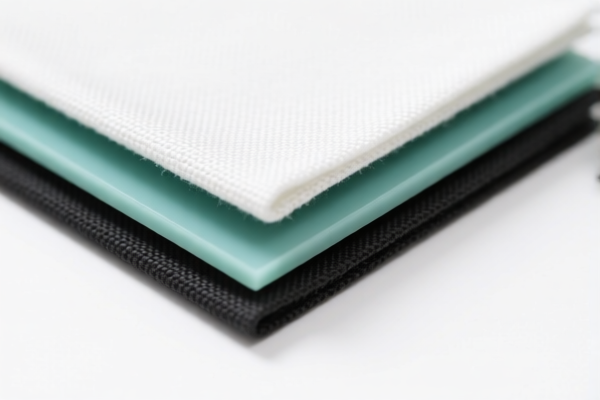
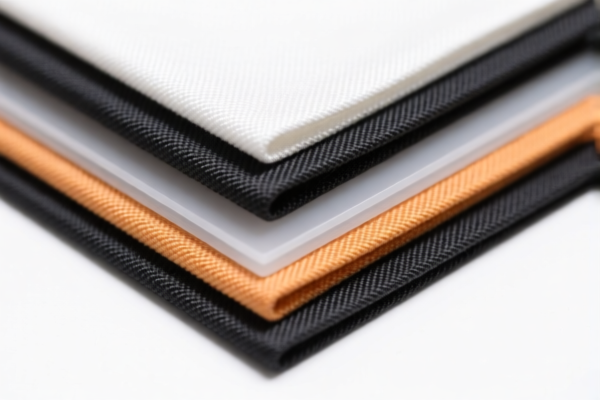
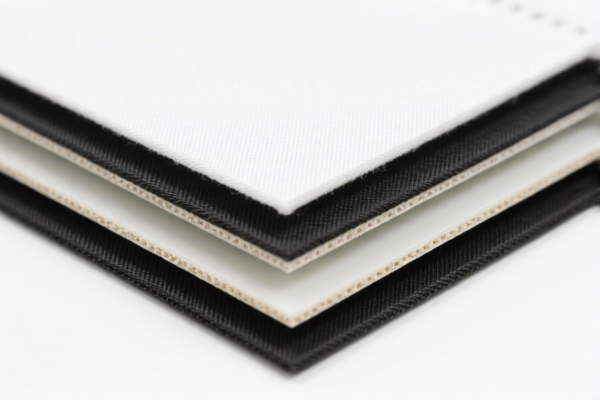
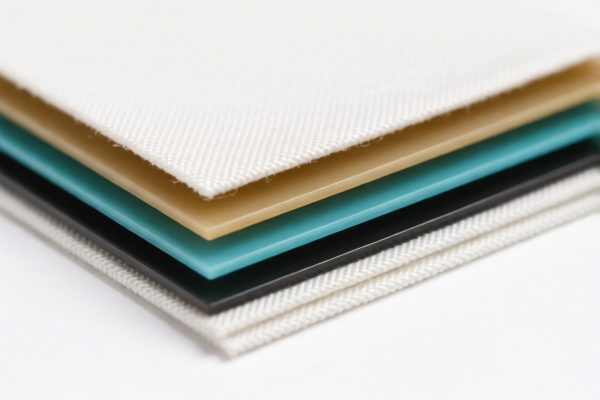
Textile composite plastic sheets for clothing are specialized materials combining the durability of textiles with the water-resistant or protective properties of plastics. In international trade, these materials are primarily classified based on their manufacturing process (impregnation vs. lamination) and textile structure (woven, knitted, or non-woven).
Key Distinctions: 1. Plastic-Impregnated Textiles (Chapter 59): The textile fabric is impregnated, coated, or covered with plastic. This is the most common classification for fabrics used in raincoats, PVC-coated polyester, or plastic-laminated nylon. 2. Plastic Sheets with Textile Reinforcement (Chapter 39): If the plastic layer is the dominant character or if it’s a specific type of composite sheet not primarily defined by the textile’s surface function, it may fall here. 3. Non-Woven Fabrics (Chapter 56): If the textile component is non-woven (e.g., certain waterproof breathable membranes or felt-like composites), it may be classified under Chapter 56.
⚠️ Critical Classification Point:
- If the textile is woven or knitted and the plastic is a coating/impregnation → Chapter 59 is most likely.
- If the material is non-woven → Chapter 56 is a strong candidate.
- If the plastic layer is thick and dominates the physical character, or it’s a flat sheet with textile embedded (not surface-coated) → Chapter 39 may apply.
📦 II. HS Code Classification Details (2026 Latest Tariff Authority Comparison)
| HS Code | Product Description | Application Scenario | Key Feature |
|---|---|---|---|
5903.10.20.10 |
Textile fabrics impregnated, coated, covered or laminated with plastics, of polyvinyl chloride (PVC) | PVC-coated polyester/cotton for rainwear, tents, industrial bags | ✅ PVC Coating |
3921.90.25.10 |
Other plates, sheets, film, foil and strip, of plastics | Plastic composite sheets with textile backing, general industrial use | ✅ Plastic-Dominant |
5603.12.00.70 |
Non-woven fabrics, whether or not impregnated, coated, covered or laminated, weighing more than 70 g/m² but not more than 150 g/m², of synthetic filaments | Non-woven composite materials, breathable fabrics, medical/textile composites | ✅ Non-Woven Structure |
5903.10.20.90 |
Other textile fabrics impregnated, coated, covered or laminated with plastics, of PVC, other | "Catch-all" for PVC-coated textiles not specified elsewhere | ✅ PVC Coating (General) |
🔍 Important Reminder:
- Chapter 59 (5903.10) is the primary classification for most "textile + plastic" clothing materials, especially if the textile provides the structural integrity.
- Chapter 39 (3921.90) is used when the product is considered a "plastic sheet" with textile reinforcement, often in industrial applications rather than direct apparel finishing.
- Chapter 56 (5603.12) is specific to non-woven fabrics. If your material is woven/knitted, this code is incorrect.
💰 III. 2026 Latest Tariff Rate Breakdown (Including Additional Taxes & Policy Add-ons)
✅ Applicable Country: United States (US)
✅ Country of Origin: China (CN)
✅ Effective Date: From November 10, 2025 (including subsequent imports)
🎯 1. 5903.10.20.10 & 5903.10.20.90 —— Textile Fabrics Impregnated with PVC
| Item | Content |
|---|---|
| Base Tariff | 0% (ad valorem) |
| USITC Additional Tariff | +25% (Under USITC Footnote 9903.88.01) |
| IEEPA Additional Tariff | +10% (For products from China/Hong Kong, effective Nov 10, 2025) |
| Total Rate | 35.0% |
| Tax Calculation | CIF Value × 35% |
| De Minimis Exemption Eligible | ❌ No (deny_de_minimis applies) |
| Legal Basis Path | IEEPA:9903.01.25 → IEEPA:9903.01.24 → USITC:5903.10.20.10/90 → FOOTNOTE:9903.88.01 |
📌 Explanation:
- The "25% USITC Additional Tariff" is imposed under Section 301 of the Trade Act.
- The "10% IEEPA Additional Tariff" is an extra layer of tariff on Chinese goods.
- Total 35% is a high tariff. Ensure your supplier provides accurate COO (Certificate of Origin).
🎯 2. 3921.90.25.10 —— Other Plastic Sheets
| Item | Content |
|---|---|
| Base Tariff | 6.5% |
| USITC Additional Tariff | +25% |
| IEEPA Additional Tariff | +10% |
| Total Rate | 41.5% |
| Tax Calculation | CIF Value × 41.5% |
| De Minimis Exemption Eligible | ❌ No (deny_de_minimis applies) |
| Legal Basis Path | IEEPA:9901.25 → IEEPA:9903.01.24 → USITC:3921.90.25.10 → FOOTNOTE:9903.88.01 |
📌 Note:
- This code has a higher base tariff (6.5%) compared to Chapter 59 (0%).
- Misclassifying a PVC-coated textile here can lead to overpayment if it should be 5903.10. However, if the product is truly a plastic sheet with textile backing, this may be the only valid option.
🎯 3. 5603.12.00.70 —— Non-Woven Synthetic Fabrics
| Item | Content |
|---|---|
| Base Tariff | 0% |
| USITC Additional Tariff | +25% |
| IEEPA Additional Tariff | +10% |
| Total Rate | 35.0% |
| Tax Calculation | CIF Value × 35% |
| De Minimis Exemption Eligible | ❌ No (deny_de_minimis applies) |
| Legal Basis Path | IEEPA:9903.01.25 → IEEPA:9903.01.24 → USITC:5603.12.00.70 → FOOTNOTE:9903.88.01 |
📌 Note:
- Only applicable if the textile is non-woven.
- If it’s woven/knitted, using this code is a classification error and may result in penalties.
🛠️ IV. Customs Clearance Practical Advice (Real-World Pitfall Guide)
✅ 1. Required Documentation Checklist (All are mandatory)
| Document | Required? | Description |
|---|---|---|
| ✅ Product Specification Sheet | ✔️ | Must detail: Material composition (e.g., 100% Polyester, PVC coating), weight per square meter, width, thickness |
| ✅ Photos of Product | ✔️ | Clear images showing the fabric side, the plastic side, and any labels |
| ✅ Commercial Invoice | ✔️ | Must explicitly state: "Textile Composite Plastic Sheets for Clothing, PVC Coated" |
| ✅ Packing List | ✔️ | Detail rolls, weight, dimensions |
| ✅ Certificate of Origin (CO) | ✔️ | Essential for determining if additional tariffs apply |
| ✅ Third-Party Test Report | ✔️ | If applicable, show compliance with safety standards (e.g., CPSIA for clothing materials) |
✅ 2. Declaration Tips (Key Mantras)
🔥 "Structure Determines Code, Origin Determines Tax, Description Must Match!"
| Scenario | Correct Declaration | Incorrect Practice |
|---|---|---|
| Woven PVC-Coated Fabric | 5903.10.20.10 or 5903.10.20.90 |
Declare as "Plastic Sheet" → 41.5% |
| Non-Woven Composite | 5603.12.00.70 |
Declare as "Woven Fabric" → Wrong Chapter |
| General Textile-Plastic Composite | 3921.90.25.10 (if plastic-dominant) |
Declare as "Cotton Shirt" → 0% (but risky if audited) |
⚠️ Critical: Do NOT use generic terms like "Fabric" or "Sheet" without specifying the composite nature. The US Customs and Border Protection (CBP) will likely challenge vague descriptions.
✅ 3. Special Handling Scenarios
| Scenario | Recommendation |
|---|---|
| OEM Clothing Materials | Provide the end-product design (if available) to prove it’s for clothing, but the HS code is based on the material itself, not the final garment. |
| Mixed Materials | If the material has multiple layers (e.g., nylon-PVC-polyester), declare the primary material or the one that gives the essential character. |
| Samples vs. Bulk | Samples may still be subject to duties. Do not assume "sample" status exempts you from tariffs. |
| Hydrophobic/Breathable Membranes | If it’s a thin film laminated to fabric, ensure it’s not classified as a "plastic film" (Chapter 39) if the textile is essential. |
🌍 V. Global Market Comparison (2026 Latest)
| Country/Region | Recommended HS Code | Tariff Rate | Certification Requirements | Notes |
|---|---|---|---|---|
| 🇺🇸 United States | 5903.10.20.10 |
35% (China) | No specific FCC/CE, but CPSIA may apply | High tariff; ensure accurate classification |
| 🇨🇳 China (Import) | 5903.10.20.10 |
6.5% | CCC (if applicable) | Lower tariff than US |
| 🇪🇺 European Union | 5903.10.20 |
4.5% | REACH, RoHS | No additional "Section 301" tariffs |
| 🇬🇧 United Kingdom | 5903.10.20 |
4.5% | UKCA, REACH | Post-Brexit, similar to EU but separate system |
| 🇯🇵 Japan | 5903.10.20 |
7.0% | PSE (if electrical components involved) | Moderate tariff |
📌 Conclusion:
- The US market has the highest tariff burden (35-41.5%) due to trade policies.
- EU, Japan, and other markets do not impose these additional punitive tariffs, making them more cost-effective for Chinese-origin textile-composite plastics.
📌 VI. Common Errors & Pitfall Guide (Lessons from Experience)
❌ Error 1: Declaring PVC-coated fabric as "Plastic Sheet" (3921.90) when it should be 5903.10
👉 Consequence: Paying 41.5% instead of 35%. Overpayment of 6.5%.
❌ Error 2: Declaring woven fabric as "Non-Woven" (5603.12) to avoid Chapter 59 scrutiny
👉 Consequence: Misclassification penalty, potential seizure, and retroactive duties.
❌ Error 3: Ignoring the "10% IEEPA Tariff" in cost calculations
👉 Consequence: Underestimating landed cost by 10%, leading to profit loss.
❌ Error 4: Using vague descriptions like "Textile Material"
👉 Consequence: CBP holds shipment for inspection, causing delays and demurrage charges.
✅ Correct Approach:
"PVC-Coated Polyester Woven Fabric, 100% Polyester Base, 200gsm, Roll Width 1.5m, for Raincoat Manufacturing"
🎯 VII. Conclusion: Precise Classification Saves Money!
🎯 Remember the Mantra:
🔹 "Woven/Knitted + Plastic Coating = Chapter 59"
🔹 "Non-Woven + Plastic = Chapter 56"
🔹 "Plastic Sheet + Textile Reinforcement = Chapter 39"
🔹 "US + China Origin = 35-41.5% Tariff"
📌 Pro Tip:
If your material is laminated (not coated/impregnated), and the plastic layer is very thick, consider 3921.90.25.10. But for most clothing applications (raincoats, jackets), 5903.10 is the standard. Always consult a customs broker for pre-classification rulings if the product is complex.
📣 Immediate Action:
📞 Contact a licensed customs broker
📄 Provide detailed material specs (base fabric + coating material + weight)
🚀 Get a binding ruling from CBP to avoid post-import audits!
✨ Professional clearance starts with accurate classification!
💼 Your profit margin depends on every percentage point!
用户评价
关于 HS 编码归类
协调制度(HS)是由世界海关组织(WCO)制定的国际贸易商品分类标准。全球 200 多个国家采用 HS 系统作为海关关税、贸易统计和进出口监管的基础。
每个 HS 编码遵循以下层级结构:
- 章(2 位)——商品大类(例如:第 84 章:机器和机械设备)
- 品目(4 位)——章内的更具体分类
- 子目(6 位)——国际通用细分,所有 WCO 成员国统一使用
- 本国细分(8-10 位)——各国自行扩展的细分编码,如美国 HTSUS 10 位编码
正确的 HS 编码归类对于顺利通关、准确缴纳关税和遵守贸易法规至关重要。错误归类可能导致海关延误、多缴关税或罚款。
从CN进口到US时,适用的关税税率可能包括:
- 最惠国(MFN)税率——适用于 WTO 成员国的标准关税税率
- 普通税率——适用于无贸易协定国家
- 贸易救济关税——附加关税,如 301 条款(反倾销)、232 条款(国家安全)或反补贴税
本页内容仅供参考。如需正式归类,请咨询当地海关或持牌报关代理。