textile composite plastic strips for packaging
CN → US| HS编码 | 关税税率 | 原产国 | 目的国 | 文档 |
|---|---|---|---|---|
| 5903102090 | 35.0% | CN | US | 官方文档 |
| 5903102010 | 35.0% | CN | US | 官方文档 |
| 6305330080 | 25.9% | CN | US | 官方文档 |
| 6305390000 | 25.9% | CN | US | 官方文档 |
| 5903102090 | 35.0% | CN | US | 官方文档 |
商品图片
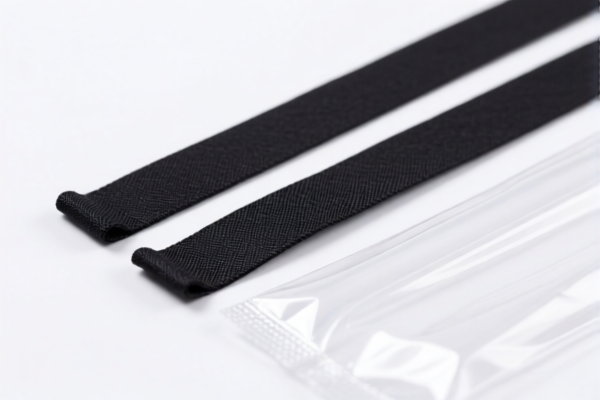
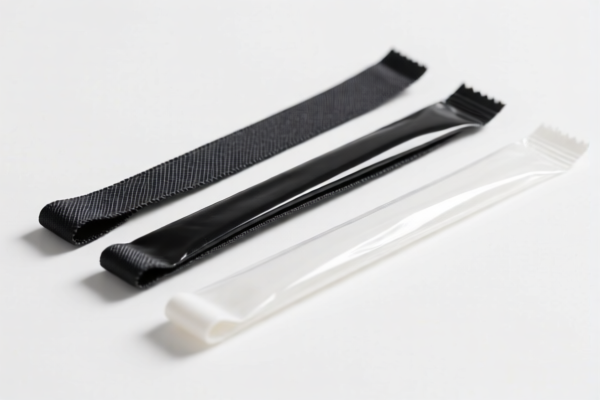
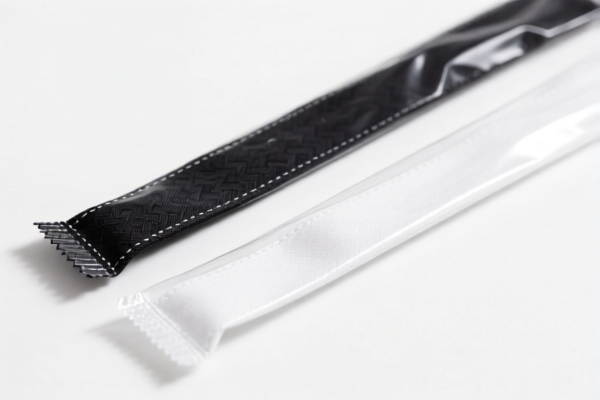
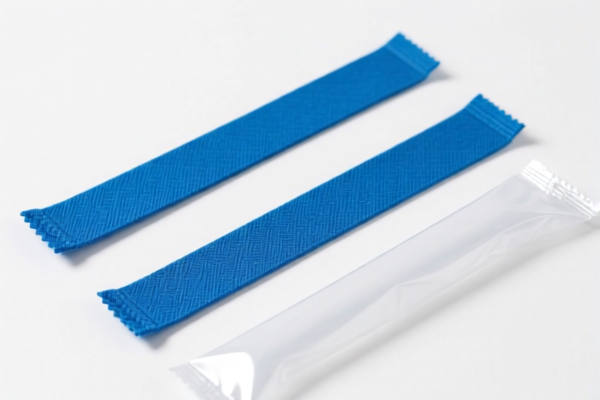
AI分析
🧶 Textile-Composite Plastic Strips (Packaging)
🌐 HS Code Reference & Customs Clearance Guide | 2026 Latest Tariff Analysis | Professional Clearance Strategy
📌 I. Product Definition & Classification: Do You Really Understand "Plastic-Textile Composite Strips"?
Plastic strips for packaging, specifically those combining synthetic fibers (textile) with plastics (polyethylene/polypropylene), are critical components in strapping, banding, and industrial packaging. In international trade, they are classified based on their material composition, structure (fibrillated vs. non-fibrillated), and application.
Woven vs. Non-Woven/Flat:
- Non-fibrillated strips (Flat/Sheathed): Solid or coated strips without split fibrils. Often used for high-strength bundling.
- Fibrillated strips (Split/Textile-like): Strips that have been split to create a fibrous texture, behaving more like rope or twine.
⚠️ Key Distinction Point:
- If the product is a wide strip of polyethylene/polypropylene without fibrillation, it falls under 5607.49.10.00.
- If it is a twine/rope-like product made of polyethylene/polypropylene (fibrillated or braided), it may fall under 5607.49.30.00.
- If it is a woven fabric with >60% plastic by weight, it falls under 5407.30.10.00.
- If it is a belt for machinery containing textile fibers, it falls under 3926.90.59.00 or 3926.90.57.00.
📦 II. HS Code Classification Details (2026 Latest Tariff Authority Comparison)
| HS Code | Product Description | Applicable Scenario | Key Characteristics |
|---|---|---|---|
5607.49.10.00 |
Twine/Cordage/Ropes: Of Polyethylene/Polypropylene: Other: Of wide nonfibrillated strip | Flat plastic strapping, non-split bands, industrial bundling | ✅ No fibrils, wide strip, pure plastic/twine definition |
5607.49.30.00 |
Twine/Cordage/Ropes: Of Polyethylene/Polypropylene: Other: Other | Fibrillated strapping, braided ropes, split plastic twine | ✅ Fibrillated/braided, rope-like texture |
3926.90.59.00 |
Other articles of plastics: Belting/belts for machinery: Containing textile fibers: Other: Other | Plastic-mechanical belts with mixed textile reinforcement (non-man-made predominant) | ❌ Machinery belt, mixed fibers, not predominantly synthetic |
3926.90.57.00 |
Other articles of plastics: Belting/belts for machinery: Containing textile fibers: Other: With textile components where man-made fibers predominate | Industrial belts where synthetic/textile fibers > other textiles | ❌ Machinery belt, synthetic-dominant textile mix |
5407.30.10.00 |
Woven fabrics of synthetic filament: >60% by weight of plastics | Plastic-coated woven fabrics, heavy-duty packaging fabrics | ✅ Woven structure, >60% plastic weight |
5407.30.90.00 |
Woven fabrics of synthetic filament: Other | Standard woven synthetic fabrics (not high-plastic content) | ✅ Woven, <60% plastic or standard composition |
🔍 Key Reminder:
- Strapping vs. Belt: "Strapping for packaging" is typically classified under Chapter 56 (Twine/Cordage) if it meets the definition of twine/rope. "Belts for machinery" (Chapter 39) are distinct and have different tax treatments.
- Fibrillation: The presence of nonfibrillated wide strips (flat) vs. fibrillated/rope-like forms is the primary divider between5607.49.10.00and5607.49.30.00.
- Plastic Content: If the product is a woven fabric with >60% plastic by weight, it triggers the specific HS code5407.30.10.00, which carries a 25% additional tariff.
💰 III. 2026 Latest Tariff Rate Details (Including Additional Taxes)
✅ Applicable Country: United States (US)
✅ Origin: China (CN)
✅ Effective Date: Current 2026 Tariff Schedule
🎯 1. 5607.49.10.00 — Wide Nonfibrillated Plastic Strips (Twine/Cordage)
| Item | Content |
|---|---|
| Base Tariff | 0% (ad valorem) |
| Additional Tariff (Section 301/USITC) | 0% |
| IEEPA Additional Tariff | 0% |
| Total Tariff Rate | 0.0% |
| Tax Calculation | CIF Value × 0% = $0 |
| De Minimis Eligibility | ✅ Yes (if under $800) |
| Legal Basis | USITC:5607.49.10.00 → No Footnote 9903.88.01 applied |
📌 Explanation:
- This specific subheading for wide nonfibrillated strips of polyethylene/polypropylene enjoys a 0% total tariff in the US.
- It is NOT subject to the 25% Section 301 tariff or the 10% IEEPA tariff often applied to other plastic/textile mixes.
- Advantage: This is the most cost-effective classification for flat plastic strapping.
🎯 2. 5607.49.30.00 — Other Plastic Twine/Ropes (Fibrillated/Braided)
| Item | Content |
|---|---|
| Base Tariff | 0% |
| Additional Tariff (Section 301/USITC) | 0% |
| IEEPA Additional Tariff | 0% |
| Total Tariff Rate | 0.0% |
| Tax Calculation | CIF Value × 0% = $0 |
| De Minimis Eligibility | ✅ Yes |
| Legal Basis | USITC:5607.49.30.00 |
📌 Note:
- Like the nonfibrillated strips, fibrillated plastic twines also enjoy a 0% total tariff.
- Whether it’s a flat strip or a split/fibrillated rope, Chapter 56 plastic twines currently face no additional US tariffs.
🎯 3. 5407.30.10.00 — Woven Fabrics with >60% Plastic
| Item | Content |
|---|---|
| Base Tariff | 0% |
| Additional Tariff (Section 301/USITC) | +25.0% |
| IEEPA Additional Tariff | 0% |
| Total Tariff Rate | 25.0% |
| Tax Calculation | CIF Value × 25% |
| De Minimis Eligibility | ❌ No (Deny de minimis for 301 items) |
| Legal Basis | USITC:5407.30.10.00 → FOOTNOTE:9903.88.01 (301 Tariff) |
📌 Critical Warning:
- If your "plastic strip" is actually a woven fabric with >60% plastic by weight, it falls under5407.30.10.00.
- This triggers a 25% additional tariff on top of the 0% base rate.
- De Minimis ($800) is blocked for this code under Section 301.
- Misclassification Risk: Do NOT declare a woven fabric as "twine" to avoid the 25% tax. Customs will scrutinize the weave structure.
🎯 4. 3926.90.59.00 & 3926.90.57.00 — Plastic Belts for Machinery
| Item | Content |
|---|---|
| Base Tariff | 2.4% (59) / 0.0% (57) |
| Additional Tariff (Section 301/USITC) | +25.0% |
| Total Tariff Rate | 27.4% (59) / 0.0% (57) |
| De Minimis Eligibility | ❌ No for 3926.90.59.00 |
📌 Explanation:
- These codes apply to industrial machinery belts, not packaging strapping.
-3926.90.59.00(non-synthetic dominant textile) incurs a 27.4% total tariff.
-3926.90.57.00(synthetic dominant textile) incurs a 0% total tariff.
- Clarification: Packaging strips are generally NOT considered "belts for machinery." Misclassifying strapping as machinery belts can lead to audit flags.
🛠️ IV. Customs Clearance Practical Advice (Battle-Tested Pitfall Guide)
✅ 1. Documentation Checklist (Mandatory)
| Document | Required | Explanation |
|---|---|---|
| ✅ Product Specification Sheet | ✔️ | Detail: Material (PE/PP), Width, Thickness, Fibrillation status, Weave structure (if any) |
| ✅ Photos (Macro & Micro) | ✔️ | Show surface texture: Is it smooth (nonfibrillated) or fibrous (fibrillated)? |
| ✅ Commercial Invoice | ✔️ | Description: "Plastic Strapping Tape, Non-fibrillated, Polypropylene" |
| ✅ Certificate of Origin | ✔️ | For potential FTAA benefits if not from China |
| ✅ Material Composition Statement | ✔️ | Confirm % plastic vs. textile fibers (critical for Chapter 39 vs. 54 vs. 56) |
✅ 2. Classification Strategy (Key Mnemonic)
🔥 "Flat is Zero, Woven is Twenty-Five, Belt is Tricky!"
| Scenario | Correct HS Code | Tariff | Why? |
|---|---|---|---|
| Flat, Smooth Plastic Strapping | 5607.49.10.00 |
0% | Defined as "wide nonfibrillated strip" |
| Fibrillated/Split Plastic Rope | 5607.49.30.00 |
0% | Defined as "Other" twine/rope |
| Woven Fabric (>60% Plastic) | 5407.30.10.00 |
25% | High plastic content woven fabric |
| Machinery Belt (Mixed Fibers) | 3926.90.59.00 |
27.4% | Industrial use, non-synthetic dominant |
| Machinery Belt (Synthetics) | 3926.90.57.00 |
0% | Industrial use, synthetic dominant |
✅ 3. Special Handling Cases
| Scenario | Handling Advice |
|---|---|
| OEM Custom Colors/Printing | Provide printing specs. Ensure no misleading "brand" claims that affect origin. |
| Coated/Impregnated Strips | Declare coating material. If rubber/plastic coated, still likely 5607.49.10.00 if width/structure remains. |
| Mixed Shipments (Strapping + Machinery Parts) | Separate Line Items. Do not lump plastic strapping under machinery parts. |
| Woven vs. Non-Woven Dispute | Provide microscope images if asked. Woven = Interlaced yarns. Twine = Plaited/Braided fibers. |
🌍 V. Global Market Clearance Comparison (2026)
| Country/Region | Recommended HS Code | Tariff | Certification | Notes |
|---|---|---|---|---|
| 🇺🇸 USA | 5607.49.10.00 |
0% | None | Best for flat strips. Avoid 5407.30.10.00 due to 25% tax. |
| 🇨🇳 China | 5607.49.10.00 |
5-10% | None | Export duty may apply if exported from China. |
| 🇪🇺 EU | 5607.49.10.00 |
0-6.5% | REACH | Check for REACH compliance if containing specific chemicals. |
| 🇬🇧 UK | 5607.49.10.00 |
0-6.5% | UKCA | Post-Brexit rules apply. |
| 🇦🇺 Australia | 5607.49.10.00 |
5% | GCC | No special anti-dumping on this code. |
📌 Conclusion:
- USA is the most tariff-friendly for nonfibrillated plastic strips (5607.49.10.00).
- EU and Australia have moderate tariffs (5-6.5%) but no additional punitive taxes.
- Avoid5407.30.10.00in the US unless you are certain it is a woven fabric with >60% plastic, as the 25% tax is significant.
📌 VI. Common Errors & Pitfalls (Lessons from Blood and Tears)
❌ Error 1: Declaring Woven Plastic Fabric as "Twine" to avoid the 25% tariff
👉 Consequence: Customs audits the weave structure → Back taxes + 25% penalty + 25% tariff.
❌ Error 2: Declaring Flat Strapping as "Machinery Belt" (3926.90.57.00)
👉 Consequence: While tax is 0%, customs may reject it if the product is clearly for packaging, not machinery. Risk of seizure.
❌ Error 3: Ignoring Fibrillation Status
👉 Consequence: Misclassifying fibrillated (rope-like) as nonfibrillated. If caught, re-classification penalties apply.
❌ Error 4: Using "Plastic Tape" generically
👉 Consequence: Customs needs specific material structure (woven vs. braided vs. flat strip).
✅ Correct Practice:
"Plastic Strapping, Polypropylene, Non-fibrillated, Width: 15mm, Thickness: 0.3mm, Spool Packaging"
🎯 VII. Conclusion: Precise Classification, Maximize Profit!
🎯 Remember the Mnemonic:
🔹 "Flat Strip = 0%, Woven High-Plastic = 25%, Belt = Tricky!"
🔹 "Structure Matters: Weave vs. Twist vs. Flat!"
🔹 "De Minimis is Dead for 301 Items (5407.30.10.00)!"
📌 Pro Tip:
If your product is a woven fabric but <60% plastic by weight, use 5407.30.90.00 (0% tariff) instead of 5407.30.10.00 (25% tariff). Verify the weight percentage of plastic vs. other fibers in your composite.
📣 Immediate Action:
📞 Consult your customs broker with material composition data.
📸 Upload macro photos of the strip surface.
🚀 Secure the 0% tariff by correctly classifying as5607.49.10.00(Nonfibrillated) or5607.49.30.00(Fibrillated).
✨ Professional Clearance Starts with Accurate Classification!
💼 Your Every Cent of Cost Deserves to be Precisely Calculated!
用户评价
关于 HS 编码归类
协调制度(HS)是由世界海关组织(WCO)制定的国际贸易商品分类标准。全球 200 多个国家采用 HS 系统作为海关关税、贸易统计和进出口监管的基础。
每个 HS 编码遵循以下层级结构:
- 章(2 位)——商品大类(例如:第 84 章:机器和机械设备)
- 品目(4 位)——章内的更具体分类
- 子目(6 位)——国际通用细分,所有 WCO 成员国统一使用
- 本国细分(8-10 位)——各国自行扩展的细分编码,如美国 HTSUS 10 位编码
正确的 HS 编码归类对于顺利通关、准确缴纳关税和遵守贸易法规至关重要。错误归类可能导致海关延误、多缴关税或罚款。
从CN进口到US时,适用的关税税率可能包括:
- 最惠国(MFN)税率——适用于 WTO 成员国的标准关税税率
- 普通税率——适用于无贸易协定国家
- 贸易救济关税——附加关税,如 301 条款(反倾销)、232 条款(国家安全)或反补贴税
本页内容仅供参考。如需正式归类,请咨询当地海关或持牌报关代理。