thermoplastic petroleum resin plastic modified raw material
CN → US| HS编码 | 关税税率 | 原产国 | 目的国 | 文档 |
|---|---|---|---|---|
| 3824994900 | 41.5% | CN | US | 官方文档 |
| 3824995500 | 38.7% | CN | US | 官方文档 |
| 3902100000 | 41.5% | CN | US | 官方文档 |
| 3901101000 | 41.5% | CN | US | 官方文档 |
| 3902900050 | 41.5% | CN | US | 官方文档 |
商品图片
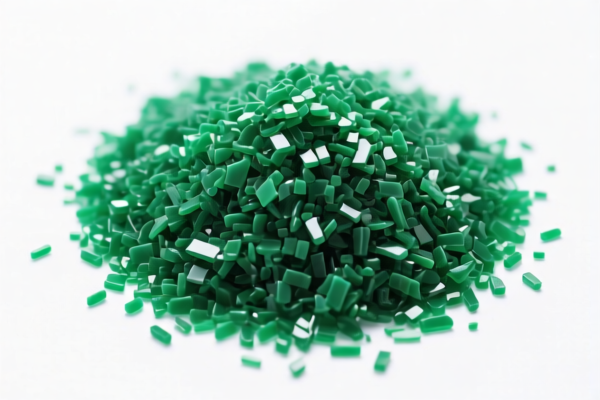
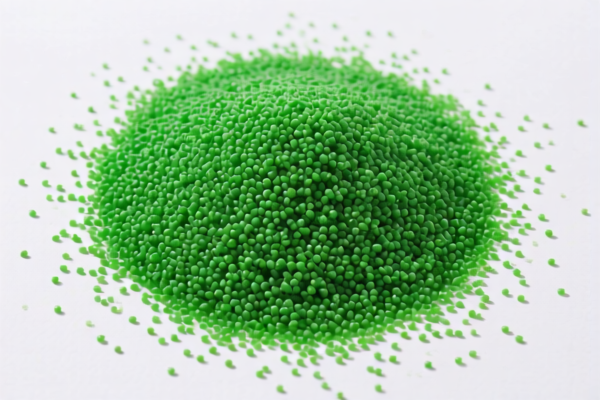

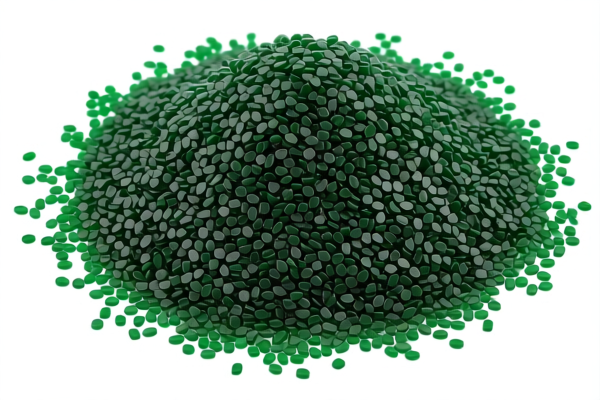
AI分析
🧪 Thermoplastic Petroleum Resin (Plastic Modified Raw Material)
🌐 HS Code Reference & Customs Clearance Guide | 2026 Latest Tariff Analysis | Professional Entry Strategy
📌 I. Product Definition & Classification: Do You Really Understand "Petroleum Resin"?
Thermoplastic Petroleum Resin is a critical auxiliary material in the plastics industry. It is derived from petroleum hydrocarbons (C5 or C9 fractions) and is used primarily to modify plastics (such as PE, PP, PS, PVC) to improve gloss, processing properties, adhesion, or chemical resistance.
In international trade, the classification depends heavily on the chemical composition and state of aggregation:
Type A: Hydrocarbon-based Resins (Non-halogenated)
Primarily composed of hydrocarbons (alkanes, alkenes, aromatics). Often used as general plastic modifiers or paper sizing agents.
👉 Key Characteristic: Pure hydrocarbon structure, no halogen atoms.
Type B: Halogenated Hydrocarbon Mixtures
Contains halogenated compounds (chlorinated, brominated, etc.) mixed with hydrocarbons. Used for specialized flame retardancy or specific chemical resistance applications.
👉 Key Characteristic: Contains halogens (Cl, Br, etc.), making it chemically distinct from standard petroleum resins.
Type C: Olefin Polymers (Primary Forms)
Polymers formed from olefins (e.g., ethylene, propylene). These are often sold as "raw plastic materials" rather than "resins" in the traditional sense, but functionally overlap with thermoplastic modifiers.
👉 Key Characteristic: Polymerized olefins in primary form (powder, pellets, liquid).
⚠️ Critical Distinction Point:
- If the material is a generic hydrocarbon resin derived from petroleum cracking → 3824.99.49.00 or 3902.10/90.
- If the material contains halogens (e.g., chlorinated polypropylene, chlorinated rubber blends) → 3824.99.55.00.
- If the material is pure olefin polymer (like PE/PP pellets) used as a base resin → 3902.90.00.50.
📦 II. HS Code Classification Details (2026 Latest Tariff Authority Comparison)
| HS Code | Product Description | Application Scenario | Key Chemical Feature |
|---|---|---|---|
3824.99.49.00 |
Thermoplastic petroleum resin for paper/plastic; Hydrocarbon base; Chemical product/primer | General plastic modification, paper sizing, adhesive tackifiers | ✅ Pure Hydrocarbon (No Halogens) |
3824.99.55.00 |
Thermoplastic petroleum resin; Halogenated hydrocarbon mixture; Chemical product/primer | Flame-retardant modifiers, specialized chemical resins | ⚠️ Contains Halogens (Cl/Br) |
3902.10.00.00 |
Thermoplastic plastic raw material; Olefin polymer in primary form | Base resin for injection molding, extrusion (e.g., Polyethylene, Polypropylene) | ✅ Olefin Polymer (Primary Form) |
3901.10.10.00 |
Thermoplastic plastic raw material; Polymer shape in primary form | Base resin (often Polyethylene based, specific sub-classification) | ✅ Polymer Shape (Primary Form) |
3902.90.00.50 |
Thermoplastic plastic raw material; Olefin polymer in primary form (Other) | Other olefin polymers not specified above (e.g., Polybutylene, specific copolymers) | ✅ Olefin Polymer (Primary Form) |
🔍 Key Reminder:
- 3824 is for "Other Chemical Products" – this includes petroleum resins that are not pure polymers but modified or mixed chemical products. - 3902 is for "Polymers of Olefins" – if the material is a pure polymer (PE/PP), it goes here, not 3824. - Misclassification Risk: Reporting a halogenated resin as a standard hydrocarbon resin (3824.99.49) when it is actually 3824.99.55 can lead to severe penalties due to different chemical safety profiles.
💰 III. 2026 Latest Tariff Rate Breakdown (Including Surcharges & Policy Add-ons)
✅ Applicable Country: United States (US)
✅ Origin: China (CN)
✅ Effective Date: From 2025-11-10 onwards (including subsequent imports)
🎯 1. 3824.99.49.00 — Thermoplastic Petroleum Resin (Hydrocarbon Base)
| Item | Content |
|---|---|
| Base Duty Rate | 6.5% (ad valorem) |
| USITC Additional Duty (Section 301) | +25% |
| 122 Clause Duty | +10% |
| Total Effective Tax Rate | 41.5% |
| Tax Calculation | CIF Value × 41.5% |
| De Minimis Eligibility | ❌ Not Eligible (Denied for Section 301/122 goods) |
| Legal Basis Path | Base: 6.5% → Section 301: 25% → Section 122: 10% |
📌 Explanation:
- This is the standard rate for generic petroleum resins. - The 25% Section 301 tariff is applied to all Chinese-origin chemicals in this category. - The 10% Section 122 tariff is a specific trade remedy duty often applied to certain Chinese chemical imports. - Total 41.5% is a significant cost factor. Ensure your supplier quotes FOB/CIF accurately to include this tax burden.
🎯 2. 3824.99.55.00 — Thermoplastic Petroleum Resin (Halogenated Mixture)
| Item | Content |
|---|---|
| Base Duty Rate | 3.7% (ad valorem) |
| USITC Additional Duty (Section 301) | +25% |
| 122 Clause Duty | +10% |
| Total Effective Tax Rate | 38.7% |
| Tax Calculation | CIF Value × 38.7% |
| De Minimis Eligibility | ❌ Not Eligible |
| Legal Basis Path | Base: 3.7% → Section 301: 25% → Section 122: 10% |
📌 Note:
- Although the base rate is lower (3.7%), the total rate (38.7%) is still very high. - Chemical Hazard: Halogenated resins may require additional EPA or DOT documentation due to halogen content (corrosivity/toxicity). - Even with a slightly lower total tariff, the regulatory burden is higher than non-halogenated resins.
🎯 3. 3902.10.00.00, 3901.10.10.00, 3902.90.00.50 — Olefin Polymers (Primary Forms)
| Item | Content |
|---|---|
| Base Duty Rate | 6.5% |
| USITC Additional Duty (Section 301) | +25% |
| 122 Clause Duty | +10% |
| Total Effective Tax Rate | 41.5% |
| Tax Calculation | CIF Value × 41.5% |
| De Minimis Eligibility | ❌ Not Eligible |
| Legal Basis Path | Base: 6.5% → Section 301: 25% → Section 122: 10% |
📌 Note:
- These codes apply if the material is a pure polymer (e.g., Polyethylene, Polypropylene) rather than a modified resin. - The tariff structure is identical to3824.99.49.00. - Classification Tip: If you are importing "Plastic Modified Raw Material," you must determine if it is a polymer (39xx) or a chemical preparation/resin (38xx). Pure pellets are 39xx; blended/modifier resins are often 38xx.
🛠️ IV. Customs Clearance Practical Advice (Real-World Pitfall Guide)
✅ 1. Document Checklist (Indispensable)
| Document | Required | Explanation |
|---|---|---|
| ✅ Certificate of Analysis (COA) | ✔️ | Must specify chemical composition: Hydrocarbon vs. Halogenated vs. Olefin Polymer. |
| ✅ Material Safety Data Sheet (MSDS/SDS) | ✔️ | Critical for halogenated materials. Must indicate flash point, toxicity, and halogen content. |
| ✅ Product Specification Sheet | ✔️ | State of aggregation (powder, pellet, liquid), molecular weight, softening point. |
| ✅ Commercial Invoice | ✔️ | Must accurately describe product as "Thermoplastic Petroleum Resin" or "Olefin Polymer," not generic "Plastic Raw Material." |
| ✅ Packing List | ✔️ | Net/Gross weight, number of packages. |
| ✅ Origin Certificate | ✔️ | Required for Section 301/122 determination. |
✅ 2. Declaration Strategy (Key Mantra)
🔥 “Chemical Nature Determines Code, Halogen Adds Risk, Pure Polymer is 39xx, Mixed Resin is 38xx!”
| Scenario | Correct HS Code | Incorrect Practice |
|---|---|---|
| Generic Petroleum Resin (Hydrocarbon) | 3824.99.49.00 |
Mislabel as "Plastic Pellets" → 3902 |
| Halogenated Resin (Chlorinated) | 3824.99.55.00 |
Label as standard resin → Customs Rejection + Fine |
| Pure Polyethylene/Propylene Pellets | 3902.10.00.00 |
Label as "Resin" → 3824 |
| Blended Polymer Mixtures | Depends on dominant component | Vague description → Audit Risk |
✅ 3. Special Handling Tips
| Situation | Handling Advice |
|---|---|
| Halogenated Materials | Provide detailed MSDS. US Customs may flag for EPA TSCA compliance. Ensure TSCA certification is included. |
| "Plastic Modified Raw Material" | Be specific. Is it a resin modifier (3824) or a base polymer (39xx)? Provide proof of primary chemical structure. |
| Section 301 Exclusions | Check if your specific product has an exclusion number. Most petroleum resins are not excluded. |
| Section 122 Duty | This is a relatively new/added duty layer. Ensure your broker applies the 10% correctly on top of the 25% and base rate. |
🌍 V. Global Market Clearance Comparison (2026 Latest)
| Country/Region | Recommended HS Code | Tariff (China Origin) | Certification Requirements | Notes |
|---|---|---|---|---|
| 🇺🇸 USA | 3824.99.49.00 / 3902.10.00.00 |
41.5% (Hydrocarbon) 38.7% (Halogenated) |
TSCA (EPA) + SDS | High combined tariffs (Base + 301 + 122). |
| 🇨🇳 China | 3824.99.49.00 |
5-6% | GB Standards | No Section 301/122. |
| 🇪🇺 EU | 3901.10.00 / 3824.99.91 |
0-6.5% (varies) | REACH + CLP | REACH registration is mandatory for chemicals. |
| 🇬🇧 UK | 3901.10.00 |
0-6.5% | UK REACH | Post-Brexit rules apply. |
| 🇯🇵 Japan | 3901.10.00 |
0-3% | JIS Standards | Low tariffs, strict purity standards. |
📌 Conclusion:
- USA is the most costly market due to the叠加 (stacking) of Base + 301 + 122 tariffs. - Halogenated resins face higher regulatory scrutiny (EPA) but slightly lower total tariffs (38.7% vs 41.5%). - Pure polymers (39xx) and general resins (3824.49) share the same high US tariff rate (41.5%).
📌 VI. Common Mistakes & Pitfall Guide (Lessons Learned)
❌ Mistake 1: Calling everything "Plastic Raw Material" without specifying chemical type.
👉 Consequence: Customs cannot determine if it is 3824 or 39xx. Delays and re-inspection.
❌ Mistake 2: Failing to disclose Halogen Content for 3824.99.55.00.
👉 Consequence: Severe fines for misdeclaration. Halogenated chemicals are subject to environmental regulations.
❌ Mistake 3: Ignoring the 122 Clause Duty (+10%).
👉 Consequence: Underpayment of duties. Repayment + Interest + Penalties.
❌ Mistake 4: Using "Polymer" HS Code for a Chemical Mixture/Resin.
👉 Consequence: If it is a mixture/resin, it belongs in Chapter 38, not 39. Misclassification penalty.
✅ Correct Approach:
"Thermoplastic Petroleum Resin, Hydrocarbon-based, CAS No. [Insert CAS], Used for Plastic Modification, MSDS Attached, TSCA Compliant."
🎯 VII. Conclusion: Precision in Classification Saves Money!
🎯 Remember the Mantra:
🔹 “Hydrocarbon Resin: 41.5% Total Tax”
🔹 “Halogen Resin: 38.7% Total Tax + EPA Red Tape”
🔹 “Olefin Polymer: 41.5% Total Tax”
🔹 “Don’t Mix Up 3824 and 3902!”
📌 Pro Tip:
- If you are importing Halogenated Resins, ensure your supplier provides TSCA Certification (if applicable) or proof of chemical inventory compliance.
- For Hydrocarbon Resins, verify the CAS Number to ensure it falls under 3824.99.49.00 and not a more specific exclusion.
- Consider Supply Chain Diversification: If tariffs are too high, explore sourcing from countries not subject to US Section 301/122 duties (e.g., Vietnam, Mexico, India).
📣 Immediate Action:
📞 Contact your Customs Broker with the CAS Number and SDS.
📝 Request an Advance Ruling if the product is complex.
🚀 Accurate classification is your best defense against customs audits!
✨ Professional Clearance Starts with Accurate Classification!
💼 Every Percentage Point of Tariff Matters!
用户评价
关于 HS 编码归类
协调制度(HS)是由世界海关组织(WCO)制定的国际贸易商品分类标准。全球 200 多个国家采用 HS 系统作为海关关税、贸易统计和进出口监管的基础。
每个 HS 编码遵循以下层级结构:
- 章(2 位)——商品大类(例如:第 84 章:机器和机械设备)
- 品目(4 位)——章内的更具体分类
- 子目(6 位)——国际通用细分,所有 WCO 成员国统一使用
- 本国细分(8-10 位)——各国自行扩展的细分编码,如美国 HTSUS 10 位编码
正确的 HS 编码归类对于顺利通关、准确缴纳关税和遵守贸易法规至关重要。错误归类可能导致海关延误、多缴关税或罚款。
从CN进口到US时,适用的关税税率可能包括:
- 最惠国(MFN)税率——适用于 WTO 成员国的标准关税税率
- 普通税率——适用于无贸易协定国家
- 贸易救济关税——附加关税,如 301 条款(反倾销)、232 条款(国家安全)或反补贴税
本页内容仅供参考。如需正式归类,请咨询当地海关或持牌报关代理。