thickened plastic hot water bottle
CN → US| HS编码 | 关税税率 | 原产国 | 目的国 | 文档 |
|---|---|---|---|---|
| 3926909989 | 22.8% | CN | US | 官方文档 |
| 3923900012 | 38.0% | CN | US | 官方文档 |
| 3923900014 | 38.0% | CN | US | 官方文档 |
| 3926901000 | 20.9% | CN | US | 官方文档 |
| 3926902100 | 21.7% | CN | US | 官方文档 |
商品图片
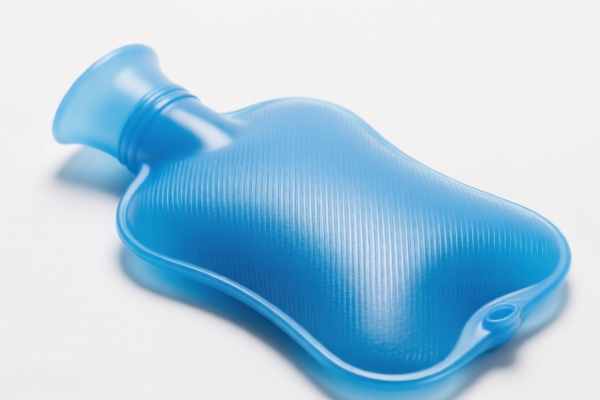
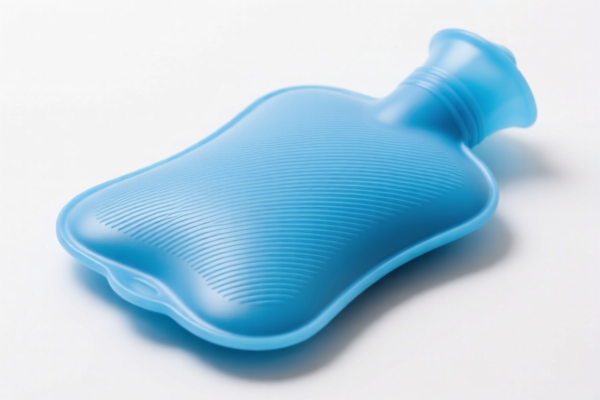
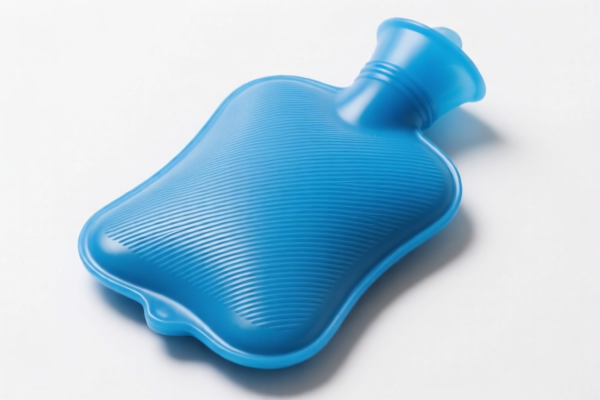
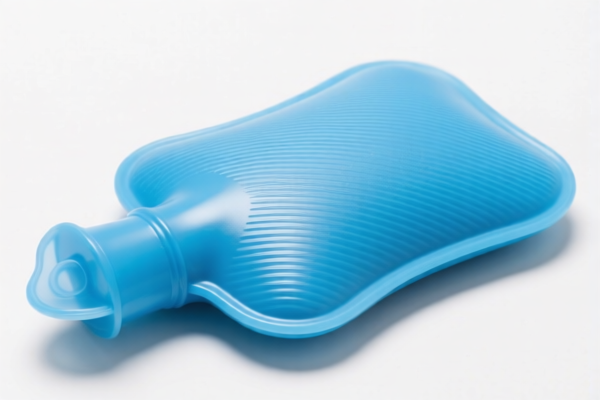
AI分析
🛁 Thickened Plastic Hot Water Bottle (热水袋)
🌐 HS Code Reference & Customs Clearance Guide | 2026 Latest Tariff Analysis | Professional Compliance Strategy 📌 Part 1: Product Definition & Classification: Do You Know Your "Hot Water Bottle"?
A Thickened Plastic Hot Water Bottle is a common household item used for thermal therapy, warmth, or comfort. In international trade, its classification depends heavily on the specific material composition and design purpose.
Two Main Material Categories: 1. Plastic-Based (PVC/TPR/PE): The most common "thickened" bottles found in modern markets. These are flexible, durable, and often feature decorative outer covers. 2. Rubber-Based (Sulfur-Vulcanized Rubber): Traditional, high-heat-resistant bottles. Often classified under rubber制品.
⚠️ Key Distinction Point: - If the primary material is Plastic (e.g., PVC, TPR) → Likely falls under Chapter 39 (Plastics). - If the primary material is Rubber → Likely falls under Chapter 40 (Rubber). - Crucial Note: The term "Thickened" implies a specific manufacturing process for durability but does not change the base material classification.
📦 Part 2: HS Code Classification Details (2026 Latest Tariff Authority对照)
Based on the provided data, here are the precise HS Codes and their corresponding tax implications for US imports from China.
| HS Code | Product Description | Applicability Summary | Total Tax Rate |
|---|---|---|---|
3926.90.99.89 |
Plastic Articles, Not Elsewhere Specified | Matches "Plastic" material and "Article" form. Specifically applicable to thickened plastic products. | 22.8% |
3923.90.00.12 |
Plastic Containers, Casks, Drums | Matches "Plastic" material and "B桶 (Drum/Container)" form. For transport or packaging goods. | 38.0% |
3923.90.00.14 |
Plastic Packaging Articles | Matches "Plastic" material and "B桶 (Drum/Container)" form. Classified as packaging articles. | 38.0% |
3926.90.21.00 |
Plastic Hot Water Bottles | Exact Match: The name "Hot Water Bottle" perfectly fits the category description. | 21.7% |
4016.99.05.00 |
Other Vulcanized Rubber Articles | Rubber Alternative: If the bottle is made of sulfur-vulcanized rubber, it belongs here. | 20.9% |
🔍 Critical Insight: - Plastic vs. Rubber: Most modern "thickened" bottles are PVC/TPR (Plastic). Therefore, Chapter 39 codes (
3926.90.99.89,3923.90.00.12/14,3926.90.21.00) are the most common. - Best Fit for Plastic:3926.90.21.00is explicitly for "Hot Water Bottles" made of plastic, with a lower total tax (21.7%) compared to generic plastic articles (22.8%) or packaging codes (38.0%). - Best Fit for Rubber: If your product is genuinely rubber,4016.99.05.00offers the lowest total tax (20.9%).
💰 Part 3: 2026 Latest Tariff Rate Breakdown (Including Surcharges)
✅ Applicable Country: United States (US)
✅ Country of Origin: China (CN)
✅ Effective Date: 2025年11月10日起 (Including subsequent imports)
🎯 1. 3926.90.21.00 —— Plastic Hot Water Bottle (Recommended for Plastic)
| Item | Content |
|---|---|
| Base Tariff | 4.2% (ad valorem) |
| Section 301 Surcharge | +7.5% (Added to base) |
| Section 122 Tariff | +10% (Specific levy on certain Chinese goods) |
| Total Tax Rate | 21.7% |
| Tax Calculation | CIF Value × 21.7% |
| De Minimis Eligibility | ❌ No (Deny de minimis for these codes) |
| Legal Basis Path | Base: 3926.90.21 → Section 301: 7.5% → Section 122: 10% |
📌 Explanation: - This code is highly specific to "Hot Water Bottles." - The 7.5% surcharge comes from the Section 301 trade action. - The 10% is the Section 122 tariff. - Total 21.7% is significantly lower than packaging codes (38%), making it the optimal choice for plastic bottles.
🎯 2. 3926.90.99.89 —— Other Plastic Articles (Generic)
| Item | Content |
|---|---|
| Base Tariff | 5.3% |
| Section 301 Surcharge | +7.5% |
| Section 122 Tariff | +10% |
| Total Tax Rate | 22.8% |
| Tax Calculation | CIF Value × 22.8% |
| De Minimis Eligibility | ❌ No |
| Legal Basis Path | Base: 3926.90.99.89 → Section 301: 7.5% → Section 122: 10% |
📌 Note: - This is a catch-all for plastic articles not elsewhere specified. - Higher than
3926.90.21.00by 1.1%. Only use if3926.90.21.00is rejected due to specific product features.
🎯 3. 3923.90.00.12 / 3923.90.00.14 —— Plastic Containers/Packaging (High Risk)
| Item | Content |
|---|---|
| Base Tariff | 3.0% |
| Section 301 Surcharge | +25.0% |
| Section 122 Tariff | +10% |
| Total Tax Rate | 38.0% |
| Tax Calculation | CIF Value × 38.0% |
| De Minimis Eligibility | ❌ No |
| Legal Basis Path | Base: 3923.90 → Section 301: 25% → Section 122: 10% |
📌 Warning: - DO NOT USE unless your product is clearly a packaging container (e.g., a bulk plastic drum for shipping, not a retail hot water bottle). - The 25% Section 301 surcharge makes this extremely expensive. Misclassifying a retail hot water bottle as a "plastic container" is a common red flag for customs audits.
🎯 4. 4016.99.05.00 —— Rubber Hot Water Bottle (If Rubber)
| Item | Content |
|---|---|
| Base Tariff | 3.4% |
| Section 301 Surcharge | +7.5% |
| Section 122 Tariff | +10% |
| Total Tax Rate | 20.9% |
| Tax Calculation | CIF Value × 20.9% |
| De Minimis Eligibility | ❌ No |
| Legal Basis Path | Base: 4016.99.05 → Section 301: 7.5% → Section 122: 10% |
📌 Note: - If your product is sulfur-vulcanized rubber, this is the lowest tax rate (20.9%). - However, "thickened plastic" bottles are rarely rubber. Verify material composition before using this code.
🛠️ Part 4: Customs Clearance Practical Advice (Avoid Pitfalls)
✅ 1. Preparation Checklist (Mandatory)
| Document | Required | Description |
|---|---|---|
| ✅ Product Specification Sheet | ✔️ | Must clearly state Material Composition (e.g., "100% PVC," "TPR," "Vulcanized Rubber"). |
| ✅ Product Photos | ✔️ | Clear images of the entire bottle, label, and any outer cover. |
| ✅ Commercial Invoice | ✔️ | Description must match the HS Code: e.g., "Plastic Hot Water Bottle, PVC, Thickened." |
| ✅ Packing List | ✔️ | Detail items per carton. |
| ✅ Declaration Form | ✔️ | Confirm country of origin (China). |
✅ 2. Declaration Strategy (Key Mnemonics)
🔥 "Material First, Specificity Wins, Packaging is a Trap!"
| Scenario | Correct Declaration | Wrong Practice |
|---|---|---|
| Plastic Hot Water Bottle | 3926.90.21.00 (21.7%) |
❌ 3923.90.00.12 (38%) → Huge Cost Increase! |
| Rubber Hot Water Bottle | 4016.99.05.00 (20.9%) |
❌ 3926.90.99.89 (22.8%) → Slightly Higher |
| Plastic Bottle with Fleece Cover | Still 3926.90.21.00 |
❌ Split into two items → Complex & Risky |
| Bulk Plastic Drum (Not for Home Use) | 3923.90.00.12 (38%) |
❌ Mislabeling retail bottles as "drums" → Audit Risk |
✅ 3. Special Cases
| Situation | Handling Advice |
|---|---|
| Outer Fleece Cover Included | Declare as one unit. The cover is an accessory. Still use 3926.90.21.00 if the core is plastic. |
| Different Colors/Designs | Same HS Code. No impact on tax rate. |
| Sample vs. Bulk | Same HS Code. De Minimis does not apply (deny_de_minimis), so even samples are taxed. |
| Misclassification Risk | If you declare as 3923.90 (Packaging), be prepared to prove it is not for consumer use. Customs may reject this for retail hot water bottles. |
🌍 Part 5: Global Market Comparison (2026)
| Country/Region | Recommended HS Code | Estimated Tax (China Origin) | Certification Requirements |
|---|---|---|---|
| 🇺🇸 USA | 3926.90.21.00 |
21.7% | FTC Labeling, CPSIA (if for kids) |
| 🇪🇺 EU | 3926.90.99 |
~6.5% + VAT (No 301/122) | CE, REACH, LFGB (Food Contact if applicable) |
| 🇨🇦 Canada | 3926.90.99 |
~5.5% + GST/HST | Health Canada Approval |
| 🇬🇧 UK | 3926.90.99 |
~4.0% + VAT | UKCA, Consumer Safety |
📌 Conclusion: - The US has the most complex and high-tax environment for Chinese plastic goods due to Section 301 and Section 122. - Precision in HS Code selection is critical. Using the generic
3926.90.99.89(22.8%) vs. the specific3926.90.21.00(21.7%) may seem small, but on large volumes, it adds up. - Avoid3923.90codes unless you are genuinely exporting industrial plastic containers.
📌 Part 6: Common Mistakes & Pitfalls (Lessons Learned)
❌ Mistake 1: Declaring a Plastic Hot Water Bottle as a "Plastic Container" (3923.90)
👉 Consequence: 38% Tax instead of 21.7%. Loss of Profit! Also high audit risk for misclassification.
❌ Mistake 2: Not Specifying "Hot Water Bottle" in Description
👉 Consequence: Customs may classify it as generic "Plastic Article" (3926.90.99.89 at 22.8%) or worse, if material is unclear, higher rates apply.
❌ Mistake 3: Ignoring Material Composition 👉 Consequence: If it's rubber, using plastic codes leads to rejection and penalties. If it's plastic, using rubber codes also causes issues. Material must match HS Code Chapter.
✅ Correct Declaration Example:
"Hot Water Bottle, PVC Plastic, Thickened, 2L, with Fleece Cover, Model XYZ, Made in China" HS Code:
3926.90.21.00
🎯 Part 7: Conclusion: Professional Classification, Cost Efficiency!
🎯 Remember:
🔹 "Plastic? Use 3926.90.21.00 (21.7%)!"
🔹 "Rubber? Use 4016.99.05.00 (20.9%)!"
🔹 "Packaging Codes (38%) are for Drums, Not Bottles!"
📌 Pro Tip:
- Always confirm the exact material (PVC vs. TPR vs. Rubber) with your manufacturer.
- Request a Pre-Ruling from US Customs if the material is ambiguous.
- Never use 3923.90 codes for retail consumer hot water bottles to save time; the tax penalty is too high.
📣 Immediate Action:
📞 Verify Material → Choose Correct HS Code → Prepare Accurate Description → Avoid 38% Tax Trap! 🚀 Clear Customs Smoothly, Maximize Your Profit Margin!
✨ Professional Clearance Starts with Precise Classification!
💼 Every Percent in Tax is Pure Profit Lost or Gained!
用户评价
关于 HS 编码归类
协调制度(HS)是由世界海关组织(WCO)制定的国际贸易商品分类标准。全球 200 多个国家采用 HS 系统作为海关关税、贸易统计和进出口监管的基础。
每个 HS 编码遵循以下层级结构:
- 章(2 位)——商品大类(例如:第 84 章:机器和机械设备)
- 品目(4 位)——章内的更具体分类
- 子目(6 位)——国际通用细分,所有 WCO 成员国统一使用
- 本国细分(8-10 位)——各国自行扩展的细分编码,如美国 HTSUS 10 位编码
正确的 HS 编码归类对于顺利通关、准确缴纳关税和遵守贸易法规至关重要。错误归类可能导致海关延误、多缴关税或罚款。
从CN进口到US时,适用的关税税率可能包括:
- 最惠国(MFN)税率——适用于 WTO 成员国的标准关税税率
- 普通税率——适用于无贸易协定国家
- 贸易救济关税——附加关税,如 301 条款(反倾销)、232 条款(国家安全)或反补贴税
本页内容仅供参考。如需正式归类,请咨询当地海关或持牌报关代理。