tire hs code 4011201015
CN → US| HS编码 | 关税税率 | 原产国 | 目的国 | 文档 |
|---|---|---|---|---|
| 4011801010 | 35.0% | CN | US | 官方文档 |
| 4011205050 | 38.4% | CN | US | 官方文档 |
| 4011205030 | 38.4% | CN | US | 官方文档 |
| 4011201015 | 39.0% | CN | US | 官方文档 |
商品图片
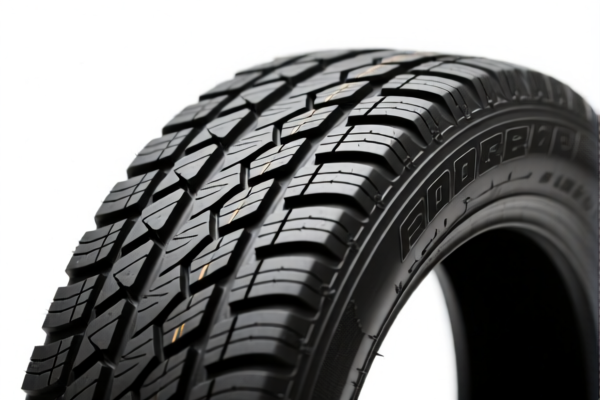
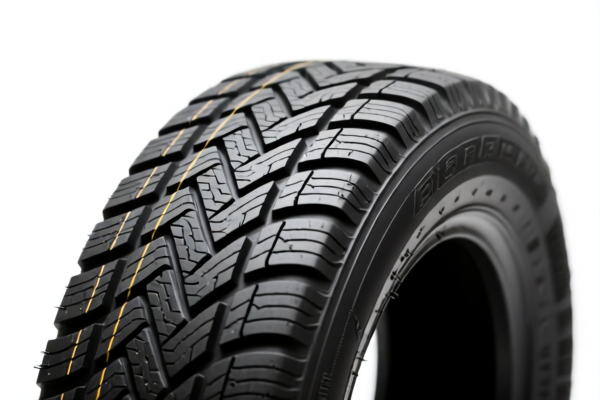
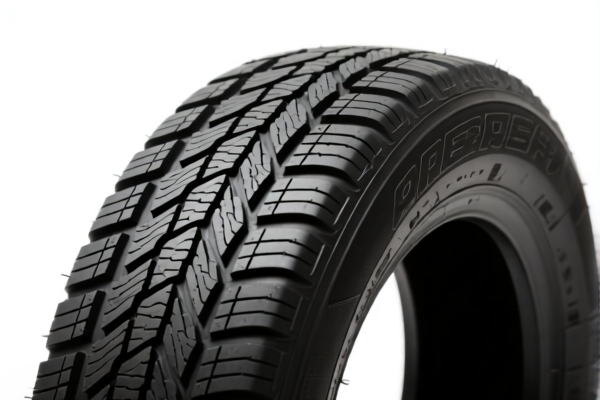
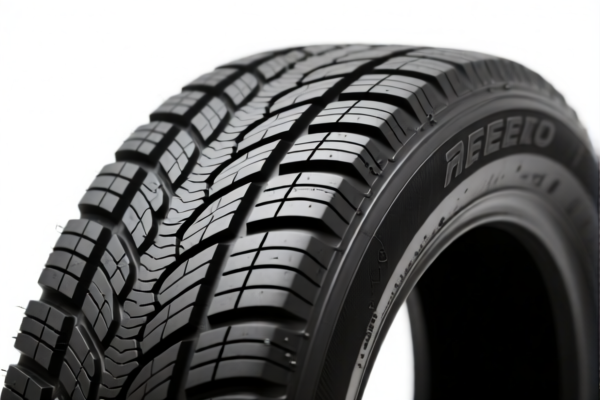
AI分析
🚗 Tires (Rubber Pneumatic Tires)
🌐 HS Code Reference & Clearance Guide | 2026 Latest Tariff Breakdown | Professional Clearance Strategy
📌 I. Product Definition & Classification: What Exactly Is "4011.20.10.15"?
The HS Code 4011.20.10.15 refers to a specific sub-category of Rubber Pneumatic Tires. To understand this classification, we must look at the hierarchical structure of the Harmonized System (HS):
- Chapter 40: Rubber and articles thereof.
- Heading 4011: New pneumatic tyres, of rubber.
- Subheading 4011.20: Tyres of a kind used on motor cars (including station wagons and racing cars).
- National Subheading (US HTS): The
.10.15suffix indicates a specific statistical or regulatory breakdown within the "Motor Car" category, often used for detailed tracking of imports from specific countries or for applying specific trade remedies (like Section 301 or 122 tariffs).
⚠️ Key Distinction:
- 4011.20 is strictly for passenger vehicles (cars, SUVs, vans).
- If the tire is for trucks/buses, it falls under 4011.30 or 4011.40.
- If it is solid or non-pneumatic, it does not belong here.
📦 II. HS Code Classification Details (Based on Provided Data)
Below is the breakdown of the relevant HS codes for rubber tires, specifically highlighting the target code 4011.20.10.15 and related categories found in your dataset.
| HS Code | Product Description | Application Scenario | Total Tax Rate (US/CN) |
|---|---|---|---|
4011.20.10.15 |
Rubber tires for motor cars (specific sub-category) | Passenger vehicles, SUVs, racing cars | 39.0% |
4011.20.50.30 |
Rubber pneumatic tires, for buses/trucks | Commercial transport, heavy-duty vehicles | 38.4% |
4011.20.50.50 |
Rubber pneumatic tires, other/non-highway | Off-road, industrial, or specialized non-road use | 38.4% |
4011.80.10.10 |
Rubber tires, general classification | Generic or unspecified pneumatic tires | 35.0% |
🔍 Focus on 4011.20.10.15:
- This code is highly specific to passenger vehicle tires.
- It triggers the highest tax rate in the provided dataset (39.0%), indicating significant trade restrictions or anti-dumping duties.
- Do not confuse it with4011.80.10.10(General Category, 35.0%) if the tire is clearly for a passenger car.
💰 III. 2026 Latest Tariff Rate Breakdown (Detailed Tax Policy)
✅ Applicable Country: United States (US)
✅ Origin: China (CN)
✅ HS Code Focus:4011.20.10.15(Passenger Car Tires)
🎯 1. 4011.20.10.15 —— Passenger Vehicle Rubber Tires
| Item | Content |
|---|---|
| Base Tariff Rate | 4.0% (Ad Valorem) |
| Section 301 / Retaliatory Tariff | +25.0% (Additional Duty) |
| Section 122 Tariff | +10.0% (Specific Trade Measure) |
| Total Effective Tax Rate | 39.0% |
| Tax Calculation | CIF Value × 39.0% |
| De Minimis Exemption | ❌ Not Eligible (High-value industrial goods usually excluded) |
| Legal Basis Path | USITC:4011.20.10.15 → Section 301: Footnote 9903.01.25 → Section 122: 19 U.S.C. 2253 |
📌 Explanation of Tax Components:
- 4.0% Base: This is the standard Most Favored Nation (MFN) duty for tires under USITC rules.
- 25.0% Section 301: Imposed on Chinese imports due to unfair trade practices (IP theft, market distortion). This is the largest component.
- 10% Section 122: A lesser-known but critical tariff often applied to imports that threaten national security or balance of payments.
- Total 39.0%: This is a very high cost. Importers must factor this into their landed cost calculation immediately.
🛠️ IV. Customs Clearance Practical Advice (Avoid Pitfalls)
✅ 1. Preparation Checklist (Mandatory Documents)
| Document | Required? | Notes |
|---|---|---|
| ✅ Product Specification Sheet | ✔️ | Must specify: Diameter, Width, Aspect Ratio, Load Index, Speed Rating. |
| ✅ Origin Certificate (CO) | ✔️ | Crucial for proving origin. If not China, tariffs drop significantly. |
| ✅ Commercial Invoice | ✔️ | Must clearly state: "Rubber Pneumatic Tires, for Passenger Vehicles." |
| ✅ Packing List | ✔️ | Detail the number of tires per pallet/container. |
| ✅ Labeling Samples | ✔️ | Tires must have DOT compliance markings and country of origin molded. |
| ✅ Third-Party Test Reports | ✔️ | UTAC, TUV, or DOT compliance tests to prove safety standards. |
✅ 2. Declaration Tips (Critical Keywords)
🔥 "Accurate Description Prevents Seizure!"
| Scenario | Correct Declaration | Incorrect Declaration | Consequence |
|---|---|---|---|
| Passenger Car Tire | 4011.20.10.15 - "Tires, pneumatic, rubber, for passenger vehicles" |
"Car Parts" or "Rubber Goods" | Audit Risk: Misclassification leads to back taxes + penalties. |
| Truck Tire | 4011.20.50.30 (if misdeclared as car tire) |
4011.20.10.15 |
Underpayment: You’ll owe the difference (39% vs 38.4%) + interest. |
| Solid Tire | 4011.80.10.10 (General) |
4011.20.10.15 |
Major Error: Solid tires are not pneumatic. Heavy fines. |
✅ 3. Special Considerations for 4011.20.10.15
| Situation | Handling Advice |
|---|---|
| Re-treaded Tires | These fall under 4012.13.00.00, NOT 4011.20.10.15. Do not mix them. |
| Inner Tubes | These fall under 4010.36.00.00 or similar. Do not bundle them into the tire HS code. |
| Chinese Origin | 39% Tax is unavoidable unless you have a valid exemption or are sourcing from a country with a Free Trade Agreement (e.g., Canada, Mexico, Chile). |
| DOT Marking | Ensure every tire has the DOT serial code. Missing markings can lead to detention by CBP. |
🌍 V. Global Market Comparison (2026 Latest)
| Country/Region | Recommended HS Code | Tariff Rate (CN Origin) | Notes |
|---|---|---|---|
| 🇺🇸 USA | 4011.20.10.15 |
39.0% | High duties due to Sec 301 & 122. |
| 🇨🇳 China | 4011.20.10.15 |
~7.0-10.0% | Lower base duty; no US-style retaliation. |
| 🇪🇺 EU | 4011.20.90 |
0-4% | Depends on specific anti-dumping duties. |
| 🇯🇵 Japan | 4011.20.00 |
~7.5% | No major anti-dumping on standard tires. |
📌 Conclusion:
- The US market is the most challenging for Chinese-origin passenger tires due to the 39% total tariff.
- Importers often look to source from Thailand, Vietnam, or Mexico to avoid these tariffs, provided the rules of origin are strictly met.
📌 VI. Common Mistakes & Pitfalls (Lessons Learned)
❌ Mistake 1: Declaring "Tires" as "Auto Parts" under Chapter 87.
👉 Consequence: Misclassification. Tires have their own heading (4011). Penalties apply.
❌ Mistake 2: Ignoring the "Passenger Vehicle" distinction.
👉 Consequence: If you import a tire for an SUV (Passenger) but declare it as "General" (4011.80.10.10), you pay 35% instead of 39%. However, if inspected, CBP will reclassify and charge the difference + interest. Correct is always best.
❌ Mistake 3: Assuming De Minimis (Section 321) applies.
👉 Consequence: Tires are often excluded from de minimis thresholds due to anti-dumping orders. Even small shipments may be subject to full tariffs and duties.
✅ Correct Practice:
"Pneumatic Radial Tire, 205/55R16, Load Index 91V, for Passenger Vehicles, Made in China, DOT Certified."
🎯 VII. Conclusion: Professional Clearance for High-Tariff Goods
🎯 Key Takeaway:
🔹 39% Total Tax is significant. It eats directly into profit margins.
🔹 Verify Origin: If not China, you may save 25-35%.
🔹 Precise Classification: Ensure it is Passenger (4011.20) and not Truck (4011.30) or General (4011.80).
📌 Pro Tip:
If you are importing large volumes, consider Section 301 Exclusions (if available) or Bonded Warehousing to defer duties until final sale.
Always consult a licensed customs broker to verify the latest HTSUS updates before shipment.
📣 Immediate Action:
📞 Verify the exact DOT compliance of your supplier.
📊 Calculate Landed Cost including the 39% tax.
🚀 Consider alternative sourcing if margins are thin.
✨ Accurate Classification Saves Money!
💼 Don't let 39% tariffs surprise you. Plan ahead!
用户评价
关于 HS 编码归类
协调制度(HS)是由世界海关组织(WCO)制定的国际贸易商品分类标准。全球 200 多个国家采用 HS 系统作为海关关税、贸易统计和进出口监管的基础。
每个 HS 编码遵循以下层级结构:
- 章(2 位)——商品大类(例如:第 84 章:机器和机械设备)
- 品目(4 位)——章内的更具体分类
- 子目(6 位)——国际通用细分,所有 WCO 成员国统一使用
- 本国细分(8-10 位)——各国自行扩展的细分编码,如美国 HTSUS 10 位编码
正确的 HS 编码归类对于顺利通关、准确缴纳关税和遵守贸易法规至关重要。错误归类可能导致海关延误、多缴关税或罚款。
从CN进口到US时,适用的关税税率可能包括:
- 最惠国(MFN)税率——适用于 WTO 成员国的标准关税税率
- 普通税率——适用于无贸易协定国家
- 贸易救济关税——附加关税,如 301 条款(反倾销)、232 条款(国家安全)或反补贴税
本页内容仅供参考。如需正式归类,请咨询当地海关或持牌报关代理。