transmission harness housing
CN → US| HS编码 | 关税税率 | 原产国 | 目的国 | 文档 |
|---|---|---|---|---|
| 8714995000 | 17.5% | CN | US | 官方文档 |
| 8714998000 | 27.5% | CN | US | 官方文档 |
| 3917320050 | 38.1% | CN | US | 官方文档 |
| 7312109090 | 85.0% | CN | US | 官方文档 |
| 7312103080 | 85.0% | CN | US | 官方文档 |
商品图片
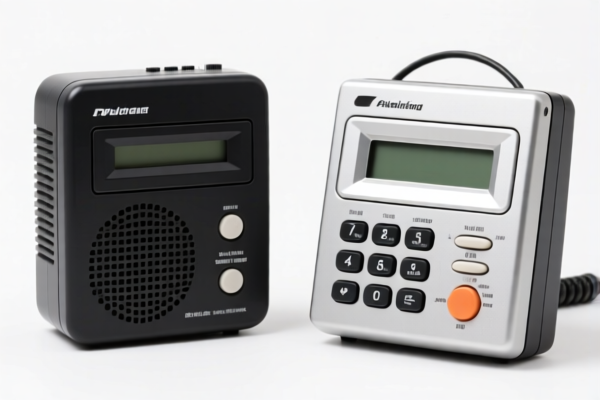
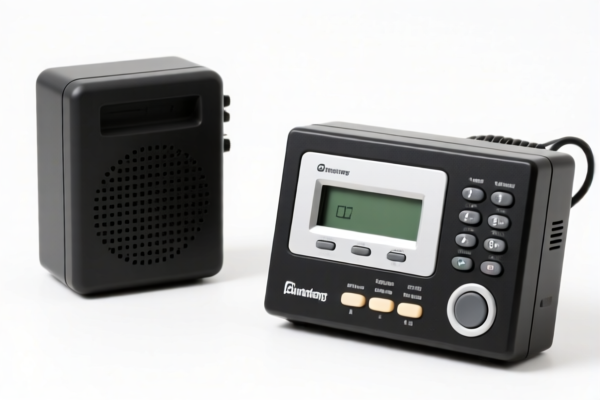


AI分析
🔌 Transmission Harness Housing (Shrouds & Casings)
🌐 HS Code Reference & Customs Clearance Guide | 2026 Latest Tariff Analysis | Professional Entry Strategy
📌 I. Product Definition & Classification: What is a "Transmission Harness Housing"?
The Transmission Harness Housing refers to the protective shell, casing, or connector housing used to secure and protect the wiring harnesses within a vehicle’s transmission system. It is a critical automotive accessory component.
In international trade, classification depends heavily on: 1. Material: Is it plastic (polymers), metal (steel/iron), or something else? 2. Function: Is it specifically identified as a part of the transmission mechanism, or is it a general automotive accessory? 3. Specificity: Does the Harmonized System (HS) have a specific heading for these parts, or does it fall under a "basket" category?
⚠️ Key Distinction Point:
- If made of Plastic and considered a part of the transmission assembly → Potential 8714 (Vehicle Parts) or 3917 (Plastics).
- If made of Metal (Steel/Iron) → Potential 8714 (Vehicle Parts) or 7312 (Wire/Cable/Other Steel Articles).
- Critical Rule: Automotive specific parts often have priority over generic material classifications if the description matches "Parts of Motor Vehicles."
📦 II. HS Code Classification Matrix (Based on Provided Data)
| HS Code | Product Description & Logic | Material/Type | Total Tax Rate (US Import) |
|---|---|---|---|
| 8714.99.50.00 | Parts of Transmission Components: Identified as a housing for transmission wire harnesses. No material conflict with vehicle part definitions. | Generic/Unspecified Plastic or Mixed | 17.5% |
| 8714.99.80.00 | Vehicle Accessories: Classified under general vehicle accessory shells. Usage aligns with accessory categories. | Generic Shell | 27.5% |
| 3917.32.00.50 | Plastic Rigid Conduit: Categorized under plastic tubes/pipes/housings. No obvious material conflict. Fits spare parts matching rules. | Plastic | 38.1% |
| 7312.10.30.80 | Steel/Iron Articles: Inferred as metal material. Fits category for non-electrical insulated iron/steel articles. | Steel/Iron | 85.0% |
| 7312.10.90.90 | Other Steel Wire/Products: Inferred as spare parts. Material has no iron/steel conflict; fits catch-all category. | Steel/Aluminum/Copper | 85.0% |
🔍 Key Insight:
- 8714.99.50.00 is the most favorable tariff option (17.5%), provided the product can be legally argued as a "part of the transmission" rather than a generic accessory or plastic conduit. - 3917 and 7312 classifications are significantly more expensive due to high additional tariffs (Section 301 + IEEPA).
💰 III. 2026 Tariff Rate Breakdown (Detailed Tax Clauses)
✅ Applicable Country: United States (US)
✅ Origin: China (CN)
✅ Effective Time: Post-2025 Policy (Current Trade War Regime)
🎯 1. HS Code 8714.99.50.00 – The "Golden Ticket"
Classification Logic: "Transmission housing, belonging to vehicle transmission component parts, no material conflict."
| Item | Detail |
|---|---|
| Base Tariff | 0.0% |
| Additional Tariff (Section 301) | +7.5% |
| 122 Clause Tariff (IEEPA) | +10% |
| Total Effective Rate | 17.5% |
| Tax Calculation | CIF Value × 17.5% |
| De Minimis Exemption? | ❌ NO (High-risk category for China origin) |
| Legal Basis Path | USITC:8714.99.50.00 → Section 301 Footnote → IEEPA Section 122 |
📌 Explanation:
- This is the lowest risk classification among the options. - The argument here is that the housing is an integral part of the transmission system, not just a generic wire cover. - Strategy: Ensure documentation explicitly states "Part of Transmission Assembly" rather than "Wire Cover."
🎯 2. HS Code 8714.99.80.00 – The "Accessory" Trap
Classification Logic: "Transmission housing, belonging to vehicle accessory shells, consistent usage."
| Item | Detail |
|---|---|
| Base Tariff | 10.0% |
| Additional Tariff (Section 301) | +7.5% |
| 122 Clause Tariff (IEEPA) | +10% |
| Total Effective Rate | 27.5% |
| Tax Calculation | CIF Value × 27.5% |
| De Minimis Exemption? | ❌ NO |
📌 Explanation:
- Higher base rate (10%) because it is classified as a "general accessory" rather than a specific transmission part. - Avoid this if possible; it costs 10% more than8714.99.50.00.
🎯 3. HS Code 3917.32.00.50 – The "Plastic" Penalty
Classification Logic: "Transmission housing, shape is shell, no obvious material conflict, fits parts matching rules."
| Item | Detail |
|---|---|
| Base Tariff | 3.1% |
| Additional Tariff (Section 301) | +25.0% |
| 122 Clause Tariff (IEEPA) | +10% |
| Total Effective Rate | 38.1% |
| Tax Calculation | CIF Value × 38.1% |
| De Minimis Exemption? | ❌ NO |
📌 Explanation:
- If the housing is plastic, customs may default to this plastic conduit category. - The 25% Section 301 tariff makes this significantly more expensive than the auto-part classification. - Counter-Argument: Argue that it is a custom-molded automotive part, not a generic plastic tube.
🎯 4. HS Codes 7312.10.90.90 & 7312.10.30.80 – The "Metal" Minefield
Classification Logic: "Inferred as metal, fits non-electrical insulated iron/steel articles."
| Item | Detail |
|---|---|
| Base Tariff | 0.0% |
| Additional Tariff (Section 301) | +25.0% |
| 122 Clause Tariff (IEEPA) | +10% |
| Steel/Aluminum/Copper Additional | +50% (Applied to specific metal products) |
| Total Effective Rate | 85.0% |
| Tax Calculation | CIF Value × 85.0% |
| De Minimis Exemption? | ❌ NO |
📌 Explanation:
- EXTREMELY HIGH TAX. If the housing is metal (steel/iron), it attracts the full brunt of Section 301, IEEPA, and potentially the 50% "Steel Products" surcharge. - Critical: Do NOT use these HS Codes unless absolutely necessary. The cost impact is prohibitive. - Strategy: If metal, try to argue it is a "forged automotive part" under 8714, not a "wire/rod" under 7312, to avoid the 50% steel surcharge (though 8714.99.50.00 is still better).
🛠️ IV. Customs Clearance Practical Advice (Avoid Pitfalls)
✅ 1. Preparation Checklist (Non-negotiable)
| Document | Required? | Details |
|---|---|---|
| ✅ Product Specifications | ✔️ | Material (Plastic vs. Metal), Dimensions, Weight. |
| ✅ Technical Diagrams | ✔️ | Show how it fits into the transmission assembly. |
| ✅ Photos | ✔️ | Clear images of the housing, including any part numbers or mold marks. |
| ✅ Letter of Explanation | ✔️ | Explicitly state: "This is a specialized housing for the transmission harness, integral to the vehicle's transmission system, NOT a generic wire cover." |
| ✅ Commercial Invoice | ✔️ | Description must match HS Code logic (e.g., "Transmission Harness Housing, Auto Part"). |
| ✅ Certificate of Origin | ✔️ | Mandatory for determining China-origin surcharges. |
✅ 2. Declaration Strategy (Key Mantras)
🔥 "Material Matters, Function is King, 8714 Saves the Day!"
| Scenario | Correct Declaration | Wrong Declaration |
|---|---|---|
| Plastic Housing | 8714.99.50.00 (Auto Part) |
3917.32.00.50 (Plastic Tube) → 38.1% Tax |
| Metal Housing | 8714.99.50.00 (Auto Part) |
7312.10.90.90 (Steel Wire) → 85% Tax |
| Generic Cover | 8714.99.80.00 (Accessory) |
8714.99.50.00 (If not truly transmission-specific) → 27.5% Tax |
| Mixed Material | Consult Specialist | Guessing → Audit Risk |
✅ 3. Special Cases & Mitigation
| Situation | Handling Advice |
|---|---|
| OEM Custom Parts | Provide OEM engineering drawings. Proves it is a "part of the vehicle" (8714) rather than a generic component. |
| White Label/No Brand | Still eligible for 8714 if the shape is unique to a transmission model. Avoid generic names like "Plastic Shell." |
| Metal Housing | HIGH RISK. Try to classify as 8714.99.50.00 by emphasizing its specific fitment to the transmission. Avoid 7312 at all costs. |
| Plastic Housing | Best case scenario for tax minimization if classified under 8714.99.50.00. |
🌍 V. Global Market Comparison (2026)
| Market | Recommended HS Code | Est. Tax Rate (China Origin) | Note |
|---|---|---|---|
| 🇺🇸 USA | 8714.99.50.00 |
17.5% | Best option. Avoid 3917/7312. |
| 🇨🇳 China | 8714.99.50.00 |
0% - 5% | Low import tariff. No Section 301. |
| 🇪🇺 EU | 8714.99.80.00 |
0% (Usually) | No anti-dumping on auto parts generally. |
| 🇲🇽 Mexico | 8714.99.50.00 |
0% (USMCA) | If assembled in Mexico. |
📌 Conclusion:
- USA is the only market with punitive tariffs. - 8714.99.50.00 is the optimal HS Code for minimizing costs (17.5% vs 85% or 38.1%). - Ensure the product description in commercial invoices and packing lists supports the "Transmission Component Part" narrative.
📌 VI. Common Errors & Pitfalls (Lessons Learned)
❌ Error 1: Declaring a metal housing as 7312 (Steel Wire/Strand)
👉 Consequence: 85% Tax!
👉 Fix: Argue it is a "Forged/Stamped Auto Part" under 8714.
❌ Error 2: Declaring a plastic housing as 3917 (Plastic Pipes)
👉 Consequence: 38.1% Tax.
👉 Fix: Provide OEM specs showing it is a custom-molded auto part, not a generic pipe.
❌ Error 3: Using generic names like "Wire Cover" or "Shell"
👉 Consequence: Customs officer defaults to generic material codes (3917/7312).
👉 Fix: Use "Transmission Harness Housing" and cite "Part of Transmission Assembly."
🎯 VII. Final Verdict: Professional Declaration, Cost Saving!
🎯 Remember the Mantra:
🔹 "Auto Part, Not Generic: 8714 Wins!"
🔹 "Material Doesn't Matter as Much as Function: 17.5% vs 85%."
🔹 "Always Justify the 'Why': Engineering Drawings Save Millions."
📌 Pro Tip:
If you are unsure, apply for a Customs Ruling (Advance Ruling) with CBP before shipment. Provide technical diagrams and samples. This locks in the 17.5% rate for 8714.99.50.00 and prevents surprises at the border.
📣 Take Action Now:
📞 Contact your freight forwarder + Provide Technical Specs + Demand 8714.99.50.00 classification.
🚀 Secure your margin. Avoid the 85% tax trap.
✨ Professional Customs Clearance Starts with Precise Classification!
💼 Every dollar saved in tariffs is pure profit!
用户评价
关于 HS 编码归类
协调制度(HS)是由世界海关组织(WCO)制定的国际贸易商品分类标准。全球 200 多个国家采用 HS 系统作为海关关税、贸易统计和进出口监管的基础。
每个 HS 编码遵循以下层级结构:
- 章(2 位)——商品大类(例如:第 84 章:机器和机械设备)
- 品目(4 位)——章内的更具体分类
- 子目(6 位)——国际通用细分,所有 WCO 成员国统一使用
- 本国细分(8-10 位)——各国自行扩展的细分编码,如美国 HTSUS 10 位编码
正确的 HS 编码归类对于顺利通关、准确缴纳关税和遵守贸易法规至关重要。错误归类可能导致海关延误、多缴关税或罚款。
从CN进口到US时,适用的关税税率可能包括:
- 最惠国(MFN)税率——适用于 WTO 成员国的标准关税税率
- 普通税率——适用于无贸易协定国家
- 贸易救济关税——附加关税,如 301 条款(反倾销)、232 条款(国家安全)或反补贴税
本页内容仅供参考。如需正式归类,请咨询当地海关或持牌报关代理。