transparent wax sealing sticker
CN → US| HS编码 | 关税税率 | 原产国 | 目的国 | 文档 |
|---|---|---|---|---|
| 3919102040 | 40.8% | CN | US | 官方文档 |
| 3919905040 | 40.8% | CN | US | 官方文档 |
| 3404905150 | 35.0% | CN | US | 官方文档 |
| 3404901000 | 35.0% | CN | US | 官方文档 |
| 4823908680 | 35.0% | CN | US | 官方文档 |
商品图片
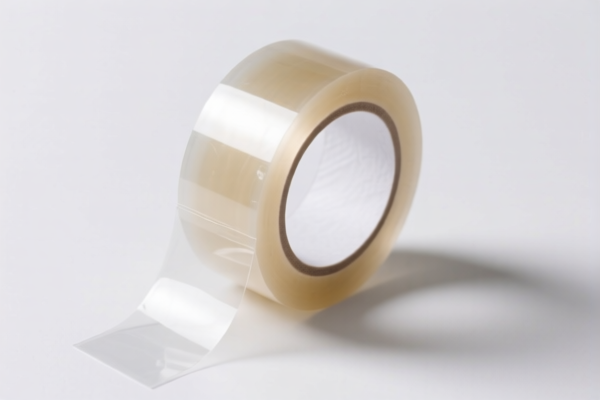
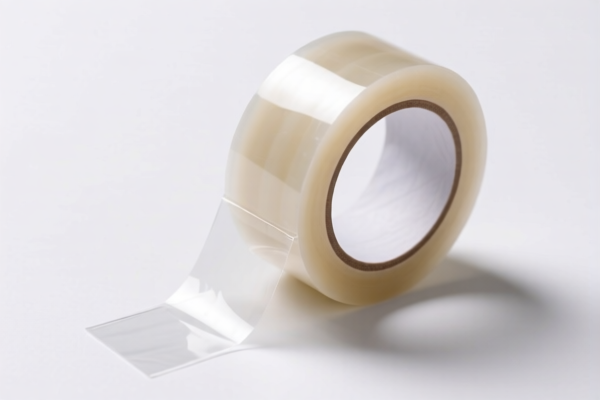


AI分析
🕯️ Transparent Wax Sealing Stickers (Wax Seal Labels)
🌐 HS Code Reference & Customs Clearance Guide | 2026 Latest Tariff Analysis | Professional Clearance Strategy
📌 I. Product Definition & Classification: What Exactly Is a "Wax Sealing Sticker"?
A Transparent Wax Sealing Sticker is a decorative adhesive label designed to mimic the appearance of traditional wax seals. Unlike molten wax that must be melted and poured, these are pre-formed flat or slightly embossed stickers.
In international trade, they are classified based on their primary material composition and physical form. The ambiguity lies in whether they are treated as "wax products" or "plastic/adhesive paper products." Customs authorities typically scrutinize the backing material (paper vs. plastic film) and the top layer (wax vs. resin/plastic).
⚠️ Key Classification Distinction:
- If the core material is wax-based (even if clear/translucent) and used for sealing → Falls under Chapter 34 (Waxes).
- If the core material is plastic/resin (PET, PVC) resembling wax → Falls under Chapter 39 (Plastics).
- If the core material is paper/cardboard with a wax-like coating → Falls under Chapter 48 (Paper).
📦 II. HS Code Classification Details (2026 Official Tariff Correlation)
Based on the provided data, there are five potential HS Codes. The correct choice depends on the exact material makeup of the sticker.
| HS Code | Product Description | Material Profile | Tax Rate | Classification Logic |
|---|---|---|---|---|
| 3919.10.20.40 | Self-adhesive plates, sheets, film, foil, tape, strip, and other flat shapes, of plastics, in rolls of width ≤20cm, transparent | Plastic/Resin (e.g., PET, PVC, PP) with adhesive backing. "Transparent" implies a plastic film base. | 40.8% | "Flat sticker," "Plastic/Resin material," "Transparent tape category attributes." |
| 3919.90.50.40 | Other self-adhesive plates, sheets, film, foil, tape, strip, and other flat shapes, of plastics | Plastic/Glue (General plastic adhesive). May be opaque or semi-transparent, not specifically "transparent film." | 40.8% | "Sticker shape," "Plastic/Glue material," "Transparent tape category attributes" (Broader plastic category). |
| 3404.90.51.50 | Other artificial waxes and prepared waxes | Wax-based (Natural or Synthetic Wax). The "transparent" aspect is achieved through wax formulation, not plastic film. | 35.0% | "Wax material inferred," "Fits artificial/prepared wax definition," "Other fallback category." |
| 3404.90.10.00 | Artificial waxes and prepared waxes | Wax-based (Specific preparation). | 35.0% | "Wax material," "Fits artificial/prepared wax characteristics," "Other category." |
| 4823.90.86.80 | Other articles of paper, paperboard, cardboard, fibrous cellulosic pulp, of a kind suitable for commercial use | Paper/Cellulose Base with wax or adhesive coating. | 35.0% | "Paper or cellulose-based substrate," "Fits other paper products category." |
🔍 Critical Analysis:
- Plastic-based (3919): If the sticker has a shiny, plastic-like feel and is truly transparent like a film, it is likely 3919.
- Wax-based (3404): If the sticker is opaque, has a matte/glossy wax finish, and smears like wax, it is likely 3404.
- Paper-based (4823): If the backing is clearly paper (like a sticker label) and the "wax" is just a print/coating, it is 4823.
💰 III. 2026 Latest Tariff Rate Breakdown (Including Additional Taxes & Policy Surcharges)
✅ Applicable Country: United States (US)
✅ Country of Origin: China (CN)
✅ Effective Date: From November 10, 2025 (for subsequent imports)
🎯 1. Plastic-Based Stickers: 3919.10.20.40 & 3919.90.50.40
| Item | Content |
|---|---|
| Basic Tariff | 5.8% (ad valorem) |
| USITC Surcharge (Section 301) | +25.0% |
| IEEPA Surcharge (Section 122) | +10.0% |
| Total Tariff | 40.8% |
| Tax Calculation | CIF Value × 40.8% |
| De Minimis Exemption | ❌ NOT Eligible (denied_de_minimis) |
| Legal Authority Path | IEEPA:122 → USITC:3919 → FOOTNOTE:301 |
📌 Explanation:
- "IEEPA 122": Refers to specific executive orders targeting Chinese imports, adding a 10% surcharge.
- "USITC 25%": The standard Section 301 tariff on many Chinese plastic products.
- "Basic 5.8%": The standard Most Favored Nation (MFN) rate for self-adhesive plastic tapes/stickers.
- Total 40.8%: A very high combined rate. This makes plastic-based wax seals expensive for US importers.
🎯 2. Wax-Based Stickers: 3404.90.51.50 & 3404.90.10.00
| Item | Content |
|---|---|
| Basic Tariff | 0.0% (ad valorem) |
| USITC Surcharge (Section 301) | +25.0% |
| IEEPA Surcharge (Section 122) | +10.0% |
| Total Tariff | 35.0% |
| Tax Calculation | CIF Value × 35.0% |
| De Minimis Exemption | ❌ NOT Eligible (denied_de_minimis) |
| Legal Authority Path | IEEPA:122 → USITC:3404 → FOOTNOTE:301 |
📌 Explanation:
- "Basic Tariff 0%": Waxes generally have low or zero base tariffs.
- Total 35.0%: Still high due to the 25% + 10% surcharges, but 5.8 percentage points lower than plastic-based stickers.
- Strategic Insight: If the product can be legitimately classified as "Wax" (3404) rather than "Plastic" (3919), it saves money.
🎯 3. Paper-Based Stickers: 4823.90.86.80
| Item | Content |
|---|---|
| Basic Tariff | 0.0% (ad valorem) |
| USITC Surcharge (Section 301) | +25.0% |
| IEEPA Surcharge (Section 122) | +10.0% |
| Total Tariff | 35.0% |
| Tax Calculation | CIF Value × 35.0% |
| De Minimis Exemption | ❌ NOT Eligible (denied_de_minimis) |
| Legal Authority Path | IEEPA:122 → USITC:4823 → FOOTNOTE:301 |
📌 Explanation:
- Similar to wax, paper-based products have a 0% base rate, but the surcharges push the total to 35.0%.
🛠️ IV. Customs Clearance Practical Advice (Real-World Pitfall Guide)
✅ 1. Document Checklist (Must-Haves)
| Document | Required? | Explanation |
|---|---|---|
| ✅ Product Composition Sheet | ✔️ | Must specify % of wax, plastic, paper, and adhesive. Crucial for distinguishing Chapter 34 vs. 39. |
| ✅ Material Safety Data Sheet (MSDS) | ✔️ | Helps confirm if the product is flammable (wax) or non-flammable (plastic). |
| ✅ High-Resolution Product Photos | ✔️ | Show the texture: Is it glossy/shiny (plastic) or matte/gel-like (wax)? Show the backing. |
| ✅ Commercial Invoice | ✔️ | Description must be precise: "Transparent Wax-Style Adhesive Sticker" or "Artificial Wax Seal." |
| ✅ Packing List | ✔️ | Weight and dimensions for accurate valuation. |
✅ 2. Declaration Strategy (Key Mantra)
🔥 "Material Determines Chapter: Wax is 34, Plastic is 39, Paper is 48. Don't Guess, Prove It!"
| Scenario | Correct Declaration | Consequence of Error |
|---|---|---|
| Sticker is Plastic Film | 3919.10.20.40 |
If declared as Wax (3404), you underpay tax → Penalty + Back Taxes. |
| Sticker is Real Wax | 3404.90.51.50 |
If declared as Plastic (3919), you overpay tax → Lost Profit (5.8% difference). |
| Sticker is Paper-Based | 4823.90.86.80 |
If declared as Plastic, similar penalty risk. |
✅ 3. Special Considerations for "Transparent" Wax Stickers
-
The "Transparent" Trap:
- Many sellers call them "Wax Stickers" but they are actually PET plastic films printed with a wax design.
- Customs Reality: If it stretches like plastic and doesn't melt when heated, it's Plastic (3919), not Wax.
- Advice: If it is plastic, use 3919.10.20.40. Do not try to force it into 3404 without strong evidence of wax content.
-
Adhesive Type:
- The adhesive is part of the product. Self-adhesive products of plastic are always Chapter 39.
- Self-adhesive products of paper are Chapter 48.
- Self-adhesive waxes are Chapter 34.
-
De Minimis Exemption (Section 321):
- ❌ None of these HS Codes qualify for de minimis exemption.
- Even if the value is under $800, if the goods are from China and fall under these specific 301/122 categories, duties apply. Plan for full duty payment.
🌍 V. Global Market Comparison (2026 Update)
| Market | Recommended HS Code | Base Duty | Additional Surcharges (China) | Total Est. Rate | Notes |
|---|---|---|---|---|---|
| 🇺🇸 USA | 3919.10.20.40 (Plastic) | 5.8% | +25% (301) + 10% (122) | 40.8% | High barrier. Requires robust documentation. |
| 🇺🇸 USA | 3404.90.51.50 (Wax) | 0.0% | +25% (301) + 10% (122) | 35.0% | Slightly cheaper if material is genuine wax. |
| 🇪🇺 EU | 3919.10 (Plastic) | 6.5% | None (Standard) | 6.5% | No Section 301/122 equivalent. Much cheaper. |
| 🇬🇧 UK | 3919.10 (Plastic) | 6.5% | None (Standard) | 6.5% | Post-Brexit trade deals may offer 0% for some origins. |
| 🇨🇳 China | 3919.10 / 3404.90 | 0% - 5% | None | Low | Domestic sales avoid US surcharges. |
📌 Conclusion:
- The US market is significantly more expensive for these goods due to the 25% + 10% surcharges.
- EU/UK markets are more favorable with base rates only.
- If targeting the US, accurate material declaration is critical to avoid penalties.
📌 VI. Common Mistakes & Pitfalls (Lessons Learned)
❌ Mistake 1: Calling a Plastic Sticker a "Wax Seal" to avoid higher taxes.
👉 Consequence: Customs may reject the declaration, conduct an inspection, and assess 3919 taxes (40.8%) + penalties.
❌ Mistake 2: Assuming "Transparent" means it's not wax.
👉 Fact: Artificial waxes can be transparent. However, if the base is a plastic film, it’s still plastic.
❌ Mistake 3: Ignoring the "122 Clause" (IEEPA).
👉 Fact: The 10% IEEPA surcharge is separate from the 25% Section 301 tariff. Both apply.
❌ Mistake 4: Claiming De Minimis Exemption.
👉 Fact: These HS Codes are explicitly excluded from de minimis benefits for Chinese imports.
✅ Best Practice:
"Test the Material: Melt Test, Stretch Test. If it melts/smells like wax, declare 3404. If it stretches like plastic, declare 3919. Be Honest, Be Precise."
🎯 VII. Conclusion: Precision in Declaration, Profit in Clearance
🎯 Remember the Mantra:
🔹 "Wax is 34 (35%), Plastic is 39 (40.8%), Paper is 48 (35%).
🔹 "No De Minimis, No Exemptions for China.
🔹 "Material Proof is Your Best Friend!"
📌 Pro Tip:
If you are importing small quantities (<$800), do not rely on de minimis. The costs of clearance delays and penalties outweigh the duty savings.
For larger shipments, consider pre-classification rulings from US Customs (CBP) if the product is a hybrid (e.g., wax coating on plastic).
📣 Action Item:
📞 Consult a customs broker with material samples.
📄 Prepare MSDS and Composition Sheets.
🚀 Clearance starts with correct classification!
✨ Professional Customs Clearance Starts with Accurate HS Codes!
💼 Every Percentage Point Counts in Your Supply Chain!
用户评价
关于 HS 编码归类
协调制度(HS)是由世界海关组织(WCO)制定的国际贸易商品分类标准。全球 200 多个国家采用 HS 系统作为海关关税、贸易统计和进出口监管的基础。
每个 HS 编码遵循以下层级结构:
- 章(2 位)——商品大类(例如:第 84 章:机器和机械设备)
- 品目(4 位)——章内的更具体分类
- 子目(6 位)——国际通用细分,所有 WCO 成员国统一使用
- 本国细分(8-10 位)——各国自行扩展的细分编码,如美国 HTSUS 10 位编码
正确的 HS 编码归类对于顺利通关、准确缴纳关税和遵守贸易法规至关重要。错误归类可能导致海关延误、多缴关税或罚款。
从CN进口到US时,适用的关税税率可能包括:
- 最惠国(MFN)税率——适用于 WTO 成员国的标准关税税率
- 普通税率——适用于无贸易协定国家
- 贸易救济关税——附加关税,如 301 条款(反倾销)、232 条款(国家安全)或反补贴税
本页内容仅供参考。如需正式归类,请咨询当地海关或持牌报关代理。