travel bags
CN → US| HS编码 | 关税税率 | 原产国 | 目的国 | 文档 |
|---|---|---|---|---|
| 6307909891 | 24.5% | CN | US | 官方文档 |
| 4202923131 | 52.6% | CN | US | 官方文档 |
| 6307909875 | 24.5% | CN | US | 官方文档 |
| 3923290000 | 38.0% | CN | US | 官方文档 |
| 3923900080 | 38.0% | CN | US | 官方文档 |
商品图片
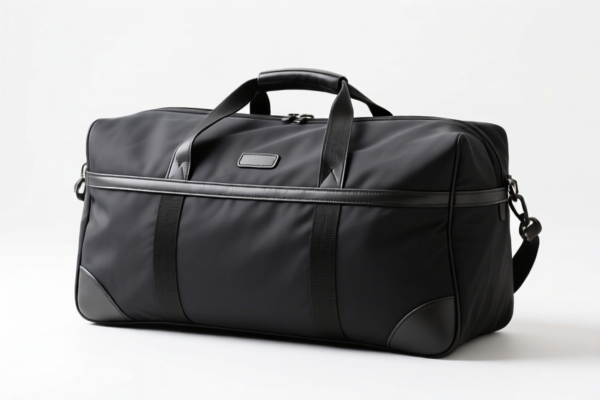
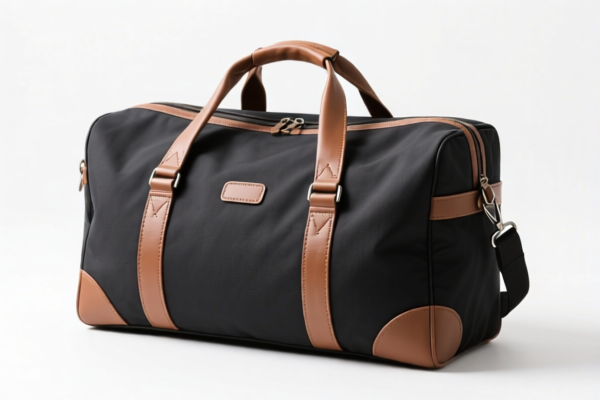
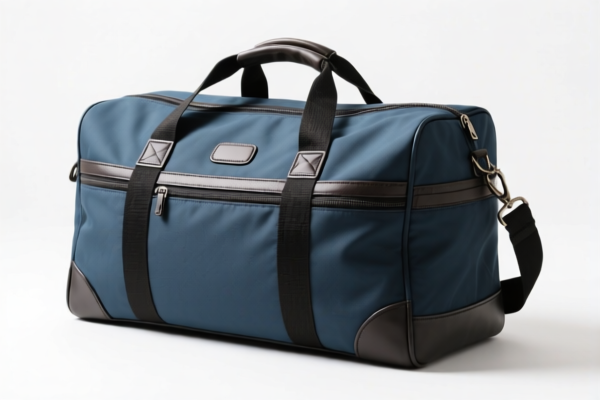
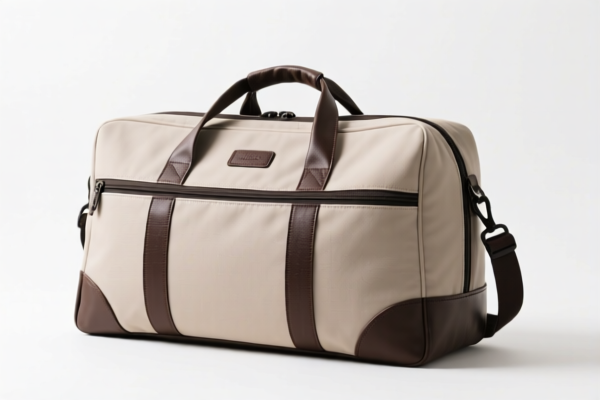
AI分析
🧳 Travel Bags (Luggage & Storage Solutions)
🌐 HS Code Reference & Customs Clearance Guide | 2024 Latest Tariff Analysis | Strategic Compliance Strategy
📌 1. Product Definition & Classification: What Exactly Are "Travel Bags"?
Travel bags are a broad category of goods designed for transporting personal items during transit. In international trade, they are not a single unified commodity but are strictly classified based on their material composition and specific function. Misclassification is the most common cause of customs delays and unexpected duties.
⚠️ Key Classification Logic:
- Textile/Fabric Based: Soft-sided bags, duffels, and garment bags fall under Chapter 63 (Other Made Up Textile Articles) or Chapter 42 (Articles of Leather/Travel Goods).
- Plastic/Synthetic Based: Rigid containers, plastic pouches, or non-woven fabric bags often fall under Chapter 39 (Plastics).
- Critical Distinction: The difference between "Travel Goods" (Ch. 42) and "Other Made-Up Textile Articles" (Ch. 63) often hinges on whether the item is considered a "suitcase/travel bag" proper or a generic "storage pouch/bag."
📦 2. HS Code Classification Details (Based on Provided Data)
| HS Code | Product Description & Logic | Primary Material Inference | Total Tax Rate |
|---|---|---|---|
| 6307.90.98.91 | Other Made-Up Textile Articles (Catch-all) Classified as finished consumer goods; inferred as textile material under the "other finished articles" residual category. |
Textile Fabric | 24.5% |
| 4202.92.31.31 | Travel Goods / Travel Bags Matches the specific use case (travel) and morphology of bags; inferred to have an outer surface of textile material. |
Textile Outer | 52.6% |
| 6307.90.98.75 | Other Made-Up Textile Articles (Catch-all) Belongs to finished consumer bag category; follows the residual logic for other finished goods; inferred as textile material. |
Textile Fabric | 24.5% |
| 3923.29.00.00 | Plastic Sacks/ Bags & Pouches Morphology fits the characteristic of sacks/bags; inferred material is plastic or synthetic fiber; classified under "Other Plastic Articles." |
Plastic/Synthetic | 38.0% |
| 3923.90.00.80 | Plastic Articles for conveyance/packaging Belongs to packaging supplies/container category; inferred material is plastic or synthetic fiber; classified under the "other" residual category. |
Plastic/Synthetic | 38.0% |
🔍 Critical Analysis of the Data Source:
- The data presents a significant divergence in tax liability:
- Lowest Duty (24.5%): Applies if the bag is classified broadly as a "textile accessory" (HS 6307). This is a common strategy for non-rigid, generic travel pouches or organizers that do not meet the strict definition of "luggage."
- Highest Duty (52.6%): Applies if the item is strictly defined as "Travel Goods" (HS 4202). This classification triggers the highest tariffs because it is specifically targeted as a consumer travel item.
- Mid-Range Duty (38.0%): Applies if the bag is made of plastic or synthetic materials (HS 3923). This captures rigid plastic luggage or soft plastic storage sacks.
💰 3. 2024 Latest Tariff Rate Breakdown (Including Surtaxes)
✅ Applicable Country: United States (US)
✅ Origin: China (CN)
✅ Effective Date: Current Trade War Tariffs Apply
🎯 1. 6307.90.98.91 & 6307.90.98.75 —— Textile-Based "Other" Bags
These codes share the same tax structure. Classification here is strategic—often used for items like packing cubes, shoe bags, or non-rigid toiletry kits.
| Item | Detail |
|---|---|
| Base Tariff | 7.0% |
| Section 301 Surtax | 7.5% |
| Section 122 Tariff | 10.0% |
| Total Effective Rate | 24.5% |
| Calculation Basis | CIF Value × 24.5% |
| De Minimis Exemption? | ❌ No (Denied for China-origin goods under Section 301) |
| Legal Basis Path | USITC:6307.90.98 → Section 301 Footnotes → Section 122 Specifics |
📌 Explanation:
- The 7.0% base is the standard Most Favored Nation (MFN) rate for other made-up textile articles.
- The 7.5% Section 301 surtax applies to specific Chinese textile imports.
- The 10% Section 122 tariff is a specific trade remedy duty often applied to steel/aluminum but can intersect with specific product lists or broader trade actions depending on the current enforcement landscape. Note: Ensure the specific 122 clause applies to your exact subheading; if not, the rate may vary.
🎯 2. 4202.92.31.31 —— Hard-Defined "Travel Goods"
This is the most "correct" classification for traditional suitcases, backpacks, and duffel bags designed for long-term travel. However, it carries the highest penalty.
| Item | Detail |
|---|---|
| Base Tariff | 17.6% |
| Section 301 Surtax | 25.0% |
| Section 122 Tariff | 10.0% |
| Total Effective Rate | 52.6% |
| Calculation Basis | CIF Value × 52.6% |
| De Minimis Exemption? | ❌ No |
| Legal Basis Path | USITC:4202.92.31 → Section 301 Footnotes → Section 122 Specifics |
📌 Warning:
- A 25% Section 301 surtax is the standard heavy penalty on Chinese travel goods.
- Combined with the 17.6% base and 10% Section 122, this creates a prohibitive duty rate.
- Strategy: Companies often attempt to classify softer, less structured items (like packing organizers) under 6307 to reduce the rate from 52.6% to 24.5%. However, this carries a high risk of customs audit if the item clearly functions as a suitcase.
🎯 3. 3923.29.00.00 & 3923.90.00.80 —— Plastic/Synthetic Bags
These apply to rigid plastic suitcases, dry bags, or plastic storage sacks.
| Item | Detail |
|---|---|
| Base Tariff | 3.0% |
| Section 301 Surtax | 25.0% |
| Section 122 Tariff | 10.0% |
| Total Effective Rate | 38.0% |
| Calculation Basis | CIF Value × 38.0% |
| De Minimis Exemption? | ❌ No |
| Legal Basis Path | USITC:3923.29/3923.90 → Section 301 Footnotes → Section 122 Specifics |
📌 Comparison:
- While the base tariff (3.0%) is low, the 25% Section 301 surtax significantly increases the cost.
- This is cheaper than textile travel goods (52.6%) but more expensive than generic textile bags (24.5%).
🛠️ 4. Customs Clearance Practical Advice (Real-World Pitfalls)
✅ 1. Material Declaration is Key
| Material | Recommended HS Code | Risk Level | Note |
|---|---|---|---|
| Fabric/Canvas/Nylon | 6307.90.98.91 / 4202.92.31.31 |
⚠️ High | Must prove it's NOT a "suitcase" to qualify for 24.5%. |
| Plastic/Rigid Shell | 3923.29.00.00 / 3923.90.00.80 |
✅ Medium | Clear material definition; avoid mixed materials if possible. |
| Leather/Vinyl Outer | 4202.92.31.31 |
⚠️ High | Triggers highest tax. Consider if fabric lining can be declared as outer surface. |
🔥 Pro Tip:
If your product is a "Packing Cube" or "Toiletry Bag", explicitly declare it as "Textile Storage Organizer" rather than "Travel Bag." Use HS 6307.90.98.91 (24.5%) instead of 4202 (52.6%).
Justification: It is an "other made-up textile article" for organization, not a primary vessel for clothing during transit.
✅ 2. Documentation Checklist
| Document | Requirement |
|---|---|
| Product Description | Be specific. e.g., "Nylon Packing Cube" vs. "Travel Bag." |
| Material Composition | List % of outer fabric, lining, and zippers. Customs will scrutinize the "outer surface." |
| Photos | Show the bag in use, closed, and open. Highlight that it lacks rigid structure (if claiming Ch. 63). |
| Function Statement | If claiming 6307, state: "Used for internal organization within luggage, not as primary luggage." |
✅ 3. Strategic Classification Recommendations
| Scenario | Recommended Action | Expected Tax |
|---|---|---|
| Soft-sided Duffel/Backpack | Attempt 6307.90.98.91 if structurally simple. If rigid frame/complex shape, accept 4202. | 24.5% (Risk) / 52.6% (Safe) |
| Plastic Hard Suitcase | Use 3923.29.00.00. | 38.0% |
| Silicone/Plastic Pouches | Use 3923.90.00.80. | 38.0% |
| Mixed Material (Fabric + Plastic Trim) | Declare primary material. If fabric >50%, consider 6307 or 4202 depending on morphology. | Varies |
🌍 5. Global Market Comparison (2024 Context)
| Market | Typical HS for Travel Bags | Approx. Duty (China Origin) | Notes |
|---|---|---|---|
| 🇺🇸 USA | 4202 or 6307 |
24.5% - 52.6% | High Section 301/122 tariffs. Classification strategy is critical. |
| 🇪🇺 EU | 4202 or 6307 |
4% - 12% | Lower base duties, but VAT applies (20%+). No Section 301 equivalents. |
| 🇨🇳 China (Import) | 4202 or 6307 |
5% - 20% | Varies by material. Generally lower than US. |
| 🇬🇧 UK | 4202 or 6307 |
4% - 12% | Post-Brexit rules apply. Check UK Global Tariff. |
📌 Conclusion:
The US market is the most challenging for Chinese-origin travel bags due to the叠加 (stacking) of Base, Section 301, and Section 122 tariffs.
Cost Optimization:
- Avoid4202.92.31.31(52.6%) if possible.
- Aim for6307.90.98.91(24.5%) by positioning products as organizers/accessories rather than primary luggage.
- Ensure your product design supports this distinction (e.g., no rigid handles, no wheels, soft structure).
📌 6. Common Errors & Pitfalls (Lessons Learned)
❌ Error 1: Declaring a rigid, wheeled suitcase as "Textile Bag" to get 24.5%.
👉 Consequence: Customs rejection, penalty, and potential retroactive duty of 52.6% + interest.
❌ Error 2: Ignoring Section 122 Tariff.
👉 Consequence: Underpayment. The 10% surtax is specific and must be accounted for in all calculations.
❌ Error 3: Using "Plastic" for fabric bags with plastic zippers.
👉 Consequence: Incorrect classification. The "outer surface" determines the chapter. Fabric outer = Ch. 63/42. Plastic outer = Ch. 39.
✅ Correct Strategy:
"Know your shape, know your material. Soft and flat? Maybe 6307. Rigid and rolling? 4202. Plastic? 3923. Don't gamble with 52.6%."
🎯 7. Final Recommendations
🎯 Key Takeaway:
Classification is not just about what it IS, but how you DEFINE it for customs.
- If you sell packing cubes, use 6307.90.98.91 (24.5%).
- If you sell duffel bags, you may be stuck with 4202 (52.6%) unless you can prove it falls under "other textile articles."
- If you sell hard-shell luggage, use 3923 (38.0%) or 4202 (52.6%) depending on material.
📌 Action Item:
- Review your product specifications.
- Determine the primary outer material.
- Assess the function (Primary Luggage vs. Organizer).
- Choose the HS Code that offers the lowest lawful duty.
- Prepare documentation to support that classification.
✨ Smart Classification, Lower Duties, Higher Profits!
💼 Don't let 52.6% eat your margin. Optimize your HS Code today.
用户评价
关于 HS 编码归类
协调制度(HS)是由世界海关组织(WCO)制定的国际贸易商品分类标准。全球 200 多个国家采用 HS 系统作为海关关税、贸易统计和进出口监管的基础。
每个 HS 编码遵循以下层级结构:
- 章(2 位)——商品大类(例如:第 84 章:机器和机械设备)
- 品目(4 位)——章内的更具体分类
- 子目(6 位)——国际通用细分,所有 WCO 成员国统一使用
- 本国细分(8-10 位)——各国自行扩展的细分编码,如美国 HTSUS 10 位编码
正确的 HS 编码归类对于顺利通关、准确缴纳关税和遵守贸易法规至关重要。错误归类可能导致海关延误、多缴关税或罚款。
从CN进口到US时,适用的关税税率可能包括:
- 最惠国(MFN)税率——适用于 WTO 成员国的标准关税税率
- 普通税率——适用于无贸易协定国家
- 贸易救济关税——附加关税,如 301 条款(反倾销)、232 条款(国家安全)或反补贴税
本页内容仅供参考。如需正式归类,请咨询当地海关或持牌报关代理。