travel wallets
CN → US| HS编码 | 关税税率 | 原产国 | 目的国 | 文档 |
|---|---|---|---|---|
| 4202329300 | 52.6% | CN | US | 官方文档 |
| 4202321000 | 0.0% | CN | US | 官方文档 |
| 4202923120 | 52.6% | CN | US | 官方文档 |
| 4202923900 | 52.6% | CN | US | 官方文档 |
| 3923900080 | 38.0% | CN | US | 官方文档 |
商品图片
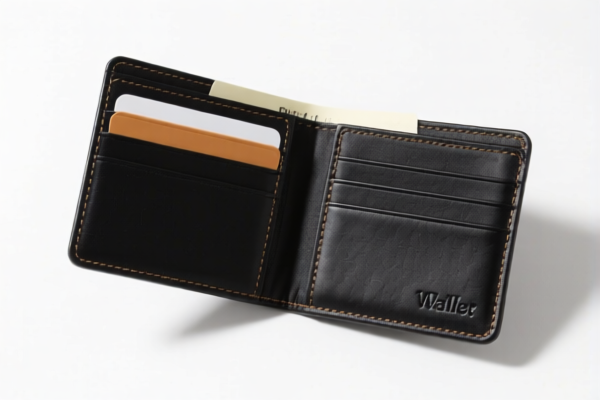
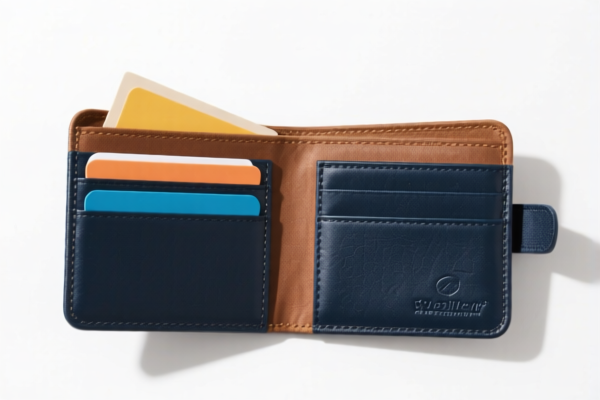
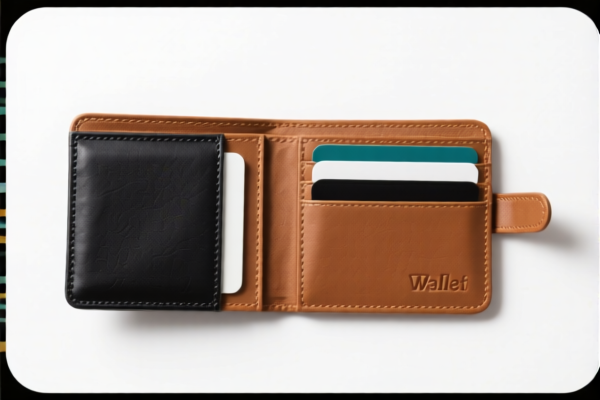
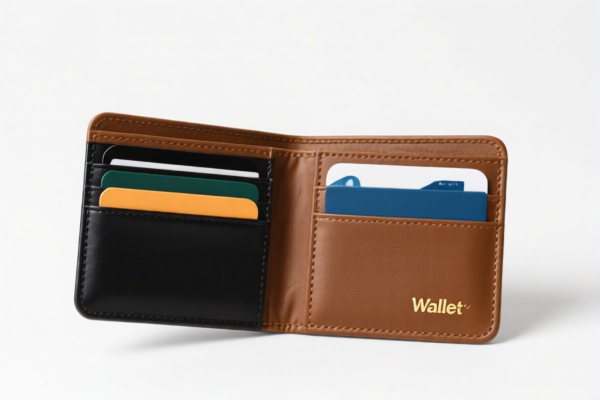
AI分析
👜 Travel Wallets & Pouches (Global Customs & Tariff Analysis 2026)
🌐 HS Code Reference & Customs Clearance Guide | Latest 2026 Tariff Breakdown | Strategic Clearance Strategy
📌 1. Product Definition & Classification: Do You Truly Know "Travel Wallets"?
Travel wallets, also known as travel organizers, money belts, or passport holders, are small accessories designed to securely carry essential items such as passports, credit cards, cash, and tickets while traveling. In international trade, these products are primarily classified under Chapter 42 (Articles of Leather; Saddlery and Harness) or Chapter 39 (Articles of Plastics), depending heavily on their material composition and specific form.
Key Distinction Criteria: * Material is King: Is the outer surface textile (fabric, nylon, polyester) or plastic? * Form Factor: Is it a rigid container, a flexible pouch, or a wearable belt? * Function: Is it strictly for travel/documents or general storage?
⚠️ Critical Classification Point:
- If the item is primarily textile-based and designed to be carried on the person (belt, pocket, handbag) → It falls under Chapter 42 (Travel Wallets/Waist Packs).
- If the item is a plastic storage pouch for organization → It may fall under Chapter 39 (Packaging/Containers).
- Misclassification Risk: Declaring a textile wallet as a "plastic container" or vice versa can lead to severe penalties, duty reassessments, and shipment holds.
📦 2. HS Code Classification Matrix (2026 Latest Tariff Schedule)
Based on the provided data, here are the exact HS Codes and their corresponding tax structures for travel wallets.
| HS Code | Product Description | Material/Form | Total Tax Rate (China Origin) | Tax Composition Breakdown |
|---|---|---|---|---|
| 4202.32.93.00 | Travel Wallet | Textile material; carried in pocket or handbag | 52.6% | Base: 17.6% +25% (Section 301) +10% (Section 122) |
| 4202.32.10.00 | Travel Wallet | Plastic/Laminated/Textile mix; portable carrier | 12.1¢/kg + 4.6% + 35.0% | Base: 12.1¢/kg + 4.6% +25% (Section 301) +10% (Section 122) |
| 4202.92.31.20 | Travel Waist Pack | Textile/Plastic; wearable container style | 52.6% | Base: 17.6% +25% (Section 301) +10% (Section 122) |
| 4202.92.39.00 | Travel Waist Pack | Textile outer surface; travel bag style | 52.6% | Base: 17.6% +25% (Section 301) +10% (Section 122) |
| 3923.90.00.80 | Travel Storage Pouch | Plastic/Synthetic Fiber; packaging/container | 38.0% | Base: 3.0% +25% (Section 301) +10% (Section 122) |
🔍 Analysis of Tax Differences: - Textile Wallets/Waist Packs (4202...): Attract a high ad valorem rate of 52.6% due to the high base duty (17.6%) layered with trade tariffs. - Hybrid/Weight-Based Wallets (4202.32.10.00): Uses a compound duty (specific + ad valorem). While the percentage looks lower (4.6% + 35%附加), the per-kg charge (12.1¢) can significantly impact light items. Note: The total effective rate depends heavily on weight vs. value. - Plastic Storage Pouches (3923...): Offers the lowest effective rate at 38.0%, making it a potential cost-saving optimization if the product qualifies as a "packaging/organizer" rather than a "travel accessory."
💰 3. Detailed Tariff Breakdown & Legal Basis
✅ Applicable Market: United States (US)
✅ Origin: China (CN)
✅ Policy Status: Active Trade Restrictions
🎯 1. Standard Textile Travel Wallets (HS: 4202.32.93.00, 4202.92.31.20, 4202.92.39.00)
| Item | Details |
|---|---|
| Base Duty | 17.6% |
| Section 301 Tariff | +25.0% (Retaliatory Tariffs on Chinese Goods) |
| Section 122 Tariff | +10.0% (Trade Remedy Measures) |
| Total Effective Rate | 52.6% |
| Calculation Method | CIF Value × 52.6% |
| De Minimis Exemption | ❌ Not Eligible (Section 321 threshold does not apply to these restricted categories) |
📌 Why is it 52.6%?
- The 17.6% base rate reflects the standard US MFN (Most Favored Nation) duty for leather/textile travel goods.
- The +25% is mandated by USITC Footnote 9903.88.01 (Section 301 List 3/4).
- The +10% is applied under Section 122 of the Trade Act of 1974, often used for specific import surcharges.
- Result: This is a high-cost category. Profit margins must account for over half the product value in duties alone.
🎯 2. Hybrid/Weight-Based Wallet (HS: 4202.32.10.00)
| Item | Details |
|---|---|
| Base Duty | 12.1¢ per kg + 4.6% |
| Section 301 Tariff | +25.0% |
| Section 122 Tariff | +10.0% |
| Total Effective Rate | Compound: 12.1¢/kg + ~39.6% Total |
| Calculation Method | (Weight × 0.121) + (CIF Value × 39.6%) |
| De Minimis Exemption | ❌ Not Eligible |
📌 Strategic Note:
- If your product is lightweight but high-value (e.g., luxury leather/textile wallet), the specific duty (12.1¢/kg) is negligible, but the ad valorem rate (~39.6%) is lower than the 52.6% bracket.
- If your product is heavy and low-value, the per-kg charge may inflate the effective rate. Calculate carefully based on net weight.
🎯 3. Plastic Storage Pouch (HS: 3923.90.00.80)
| Item | Details |
|---|---|
| Base Duty | 3.0% |
| Section 301 Tariff | +25.0% |
| Section 122 Tariff | +10.0% |
| Total Effective Rate | 38.0% |
| Calculation Method | CIF Value × 38.0% |
| De Minimis Exemption | ❌ Not Eligible |
📌 Optimization Opportunity:
- If your product is primarily made of plastic or synthetic fiber and marketed as a "storage organizer" rather than a "travel wallet," you may qualify for this lower rate.
- Caution: Customs may reclassify a "textile wallet" as a "plastic pouch" if it contains plastic components, but only if the essential character is plastic. If it's mostly textile, you must use Chapter 42.
🛠️ 4. Customs Clearance Practical Advice (Avoiding Pitfalls)
✅ 1. Preparation Checklist (Mandatory Documents)
| Document | Required? | Purpose |
|---|---|---|
| Product Specification Sheet | ✔️ | Clearly state material composition (e.g., "Outer: 100% Polyester, Inner: PU Leather") |
| Material Breakdown | ✔️ | Percentage of textile vs. plastic vs. leather |
| Commercial Invoice | ✔️ | Must specify "Travel Wallet" or "Storage Pouch" accurately |
| Packing List | ✔️ | Include net weight (critical for HS 4202.32.10.00) |
| Product Photos | ✔️ | Show front, back, and interior to prove form factor |
| Third-Party Test Reports | ✔️ | If claiming plastic/synthetic, provide material safety data |
✅ 2. Classification Strategy (The "Essential Character" Rule)
| Scenario | Recommended HS Code | Reasoning |
|---|---|---|
| 100% Textile/Nylon Wallet | 4202.32.93.00 or 4202.92.39.00 |
Textile is the essential character. High duty (52.6%). |
| Leather-Trimmed Textile Wallet | 4202.32.93.00 |
If textile > leather by value/weight. |
| Plastic Zipper Pouch for Documents | 3923.90.00.80 |
If primarily plastic packaging/organizer. Lower duty (38.0%). |
| Weight-Sensitive Hybrid (Textile/Plastic) | 4202.32.10.00 |
Only if it fits the "plastic/laminated/textile mix" description and weight-based duty is favorable. |
🚫 Common Mistake:
- Declaring a textile wallet as "Plastic Bag" (3923.21.00.00) to save tax.
- Consequence: Customs will inspect, reclassify, and impose penalties + back duties + interest.
- Rule: The material that gives the item its essential character determines the heading. For travel wallets, textiles usually dictate Chapter 42.
✅ 3. Special Considerations
- Section 122 & 301: Both are non-negotiable for Chinese-origin goods. No tariff engineering can eliminate these without changing the country of origin (e.g., Vietnam, Malaysia).
- De Minimis (De Minimis Exemption): Travel wallets do not qualify for the $800 de minimis exemption under Section 321 because they are subject to Section 301 and 122 tariffs. Every shipment, regardless of value, is dutiable.
- Labeling: Ensure labels clearly indicate material content (e.g., "Made of Nylon") to support your HS Code claim.
🌍 5. Global Market Comparison (2026 Overview)
| Country/Region | Recommended HS Code | Estimated Total Duty (China Origin) | Notes |
|---|---|---|---|
| 🇺🇸 USA | 4202.32.93.00 / 3923.90.00.80 |
38.0% – 52.6% | High tariffs due to Section 301 & 122. |
| 🇪🇺 EU | 4202.32.00 / 3923.90 |
~4.0% – 6.0% | No Section 301/122. Standard MFN applies. |
| 🇨🇦 Canada | 4202.32.00 / 3923.90 |
~3.5% – 5.0% | Lower duties, no major retaliatory tariffs. |
| 🇬🇧 UK | 4202.32.00 / 3923.90 |
~5.0% – 7.0% | Post-Brexit MFN rates apply. |
📌 Key Insight:
- The USA market is uniquely expensive for Chinese travel wallets.
- If targeting the US, consider supply chain diversification (e.g., manufacturing in Vietnam or Indonesia) to avoid Section 301/122 tariffs, or optimize product design to qualify for the lower-duty plastic storage pouch classification (3923.90.00.80).
📌 6. Common Errors & Pitfalls (Lessons Learned)
❌ Error 1: Misclassifying a textile wallet as a "plastic bag" to save 14.6%.
👉 Result: Customs audit, penalty, and delayed shipment.
❌ Error 2: Ignoring the 12.1¢/kg charge for HS 4202.32.10.00.
👉 Result: For heavy, low-value items, this specific duty can make the effective rate higher than expected.
❌ Error 3: Assuming De Minimis applies.
👉 Result: Small packages (e.g., $10 wallets) still get taxed 52.6%. No $800 exemption.
❌ Error 4: Failing to specify "Travel Waist Pack" vs. "Wallet."
👉 Result: While both are high duty, incorrect description can cause customs scrutiny.
✅ Correct Approach:
"Textile Travel Wallet, Model XYZ, 100% Nylon Outer, PU Inner, With Zipper Closure."
🎯 7. Conclusion: Strategic Clearance for Maximum Efficiency
🎯 Key Takeaways:
🔹 52.6% is the standard rate for textile travel wallets/waist packs.
🔹 38.0% is achievable if the product is repositioned as a plastic/synthetic storage pouch (3923.90.00.80).
🔹 Compound Duty (4202.32.10.00) requires weight-value analysis.
🔹 No De Minimis Exemption applies. Every shipment is dutiable.
📌 Pro Tip:
If your product contains plastic components, emphasize its function as a "Storage Organizer" rather than a "Travel Wallet" to potentially qualify for the lower 38.0% rate. However, ensure the essential character test is met to avoid misclassification penalties.
📣 Immediate Action Items:
📞 Contact a Customs Broker to validate your HS Code selection based on material composition.
📦 Review Your Supply Chain – Can you source materials from non-China countries to mitigate Section 301/122 risks?
📊 Calculate Landed Cost – Include the full 52.6% or 38.0% in your pricing model.
✨ Precision in Classification = Profit in Your Pocket!
💼 Don’t Let Tariffs Eat Your Margins!
用户评价
关于 HS 编码归类
协调制度(HS)是由世界海关组织(WCO)制定的国际贸易商品分类标准。全球 200 多个国家采用 HS 系统作为海关关税、贸易统计和进出口监管的基础。
每个 HS 编码遵循以下层级结构:
- 章(2 位)——商品大类(例如:第 84 章:机器和机械设备)
- 品目(4 位)——章内的更具体分类
- 子目(6 位)——国际通用细分,所有 WCO 成员国统一使用
- 本国细分(8-10 位)——各国自行扩展的细分编码,如美国 HTSUS 10 位编码
正确的 HS 编码归类对于顺利通关、准确缴纳关税和遵守贸易法规至关重要。错误归类可能导致海关延误、多缴关税或罚款。
从CN进口到US时,适用的关税税率可能包括:
- 最惠国(MFN)税率——适用于 WTO 成员国的标准关税税率
- 普通税率——适用于无贸易协定国家
- 贸易救济关税——附加关税,如 301 条款(反倾销)、232 条款(国家安全)或反补贴税
本页内容仅供参考。如需正式归类,请咨询当地海关或持牌报关代理。