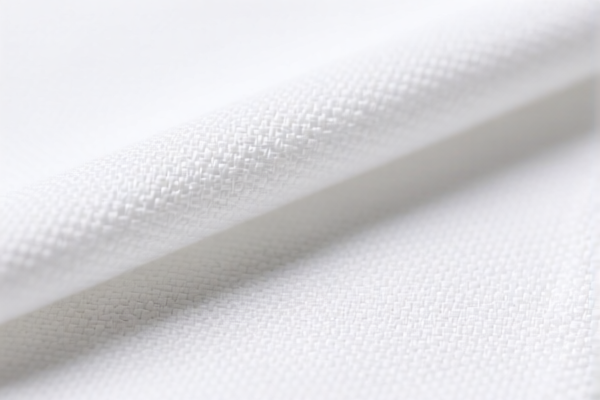
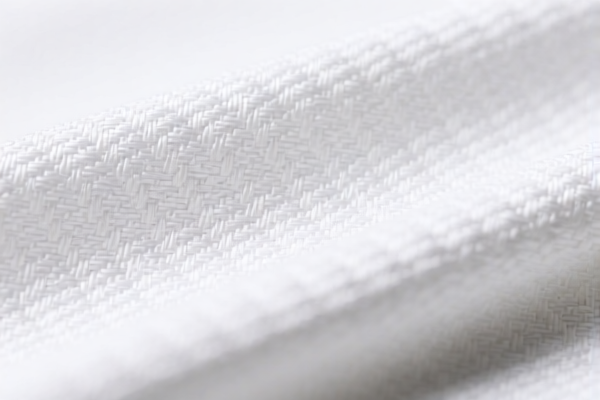
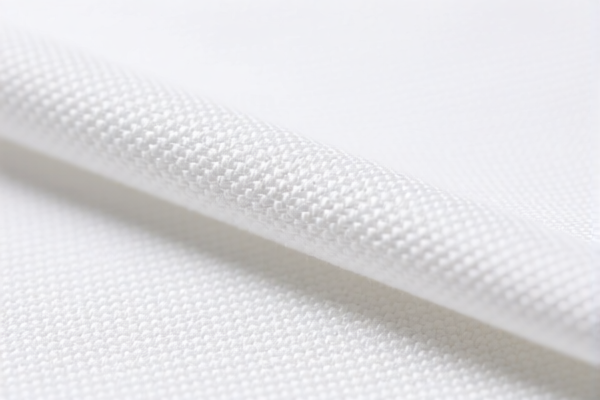
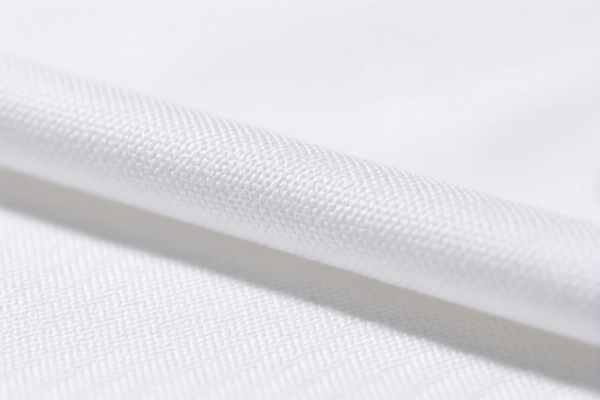
twill weave fabric
CN → US| HS编码 | 关税税率 | 原产国 | 目的国 | 文档 |
|---|---|---|---|---|
| 5806322000 | 41.2% | CN | US | 官方文档 |
| 5801902090 | 37.7% | CN | US | 官方文档 |
| 5801901000 | 38.7% | CN | US | 官方文档 |
| 5208330000 | 45.3% | CN | US | 官方文档 |
| 5806322000 | 41.2% | CN | US | 官方文档 |
商品图片
AI分析
🌟 Twill Weave Fabric for Handicrafts – HS Code & Tariff Guide 2026 | Expert Customs Clearance Strategy
📌 I. Product Definition & Classification: What Exactly Is "Twill Weave Fabric"?
Twill weave fabric is a durable, textured textile characterized by diagonal parallel ribs formed by a weave pattern where the weft thread passes over one or more warp threads, then under two or more, creating a distinctive diagonal pattern. In international trade, twill fabrics used for handicrafts are carefully classified based on:
- ✅ Material composition (natural fiber, synthetic, or mixed)
- ✅ Weave structure (twill, not plain or satin)
- ✅ End use (specifically for handicrafts, not apparel or industrial)
- ✅ HS Code precision to avoid overpayment or penalties
⚠️ Key Insight:
Not all "twill fabrics" are treated the same under U.S. customs law. Even with identical appearance, material type and intended use determine the correct HS Code and final tariff.
📦 II. HS Code Classification Breakdown (2026 U.S. Tariff Authority – Updated)
| HS Code | Product Description | Material Inference | Use Case | Tax Status |
|---|---|---|---|---|
5806.32.20.00 |
Twill weave fabric for handicrafts; may be synthetic or natural fiber; falls under "other fabrics" | Artificial or natural fiber | Artisan weaving, embroidery, decorative crafts | ✅ High Tariff |
5801.90.20.90 |
Twill weave fabric for handicrafts; unspecified material, fits "other materials" category | Unclear material, no conflict | General craft use, DIY projects | ✅ High Tariff |
5801.90.10.00 |
Twill weave fabric for handicrafts; inferred non-cotton plant or synthetic fiber | Non-cotton plant fiber or synthetic | Specialty crafts, eco-art, modern design | ✅ High Tariff |
5208.33.00.00 |
Twill weave fabric for handicrafts; inferred cotton material | Cotton | Traditional crafts, quilting, hand-stitched art | ✅ Highest Tariff |
5806.32.20.00 |
Twill weave fabric for handicrafts; may be synthetic or non-metallic material; fits "other fabrics" | Artificial fiber or non-metal material | Decorative, industrial crafts, packaging | ✅ High Tariff |
🔍 Note:
-5806.32.20.00appears twice in the data — same code, slightly different descriptions, but same tax treatment. - All five codes are for handicraft use only, not apparel or home textiles.
💰 III. 2026 U.S. Tariff Breakdown (Detailed & Legal-Compliant)
✅ Applicable Country: United States (US)
✅ Origin: China (CN)
✅ Effective Date: November 10, 2025 (and onward)
✅ Legal Basis: Section 301, IEEPA, and U.S. Trade Act 1974
🎯 1. 5806.32.20.00 – Twill Fabric (Artificial/Natural Fiber, Handicraft Use)
| Tax Component | Rate | Legal Basis | Explanation |
|---|---|---|---|
| Base Duty | 6.2% | HTSUS §5806.32.20 | Standard tariff for non-cotton twill fabrics |
| Section 301 (USITC) Add-on | +25.0% | USITC Footnote 9903.88.01 | Imposed under Section 301 for Chinese-origin goods |
| IEEPA (International Emergency Economic Powers Act) | +10.0% | IEEPA: 9903.01.25 | Applies to goods from China/Hong Kong |
| Total Effective Tariff | 41.2% | — | CIF × 41.2% |
| De Minimis Threshold | ❌ Not applicable | 19 U.S.C. §1304 | No exemption for Chinese-origin goods |
| Legal Pathway | IEEPA:9903.01.25 → USITC:9903.88.01 → HTSUS:5806.32.20.00 |
📌 Why This Matters:
Even if the fabric is 100% natural fiber, if it’s made in China, it still triggers the 25% + 10% surcharges. Only non-Chinese origin goods can avoid these.
🎯 2. 5801.90.20.90 – Twill Fabric (Unspecified Material, Handicraft Use)
| Tax Component | Rate | Legal Basis | Explanation |
|---|---|---|---|
| Base Duty | 2.7% | HTSUS §5801.90.20 | Low base for "other fabrics" |
| Section 301 Add-on | +25.0% | USITC Footnote 9903.88.01 | Applies regardless of material |
| IEEPA Add-on | +10.0% | IEEPA: 9903.01.25 | For China-origin goods |
| Total Effective Tariff | 37.7% | — | CIF × 37.7% |
| De Minimis | ❌ Not applicable | 19 U.S.C. §1304 | No relief for Chinese imports |
| Legal Pathway | IEEPA:9903.01.25 → USITC:9903.88.01 → HTSUS:5801.90.20.90 |
📌 Critical Note:
Even if the material is cotton or linen, if the HS Code is 5801.90.20.90, it still gets the full 35% surcharge. The material isn’t the deciding factor — the code is.
🎯 3. 5801.90.10.00 – Twill Fabric (Non-Cotton Plant or Synthetic Fiber)
| Tax Component | Rate | Legal Basis | Explanation |
|---|---|---|---|
| Base Duty | 3.7% | HTSUS §5801.90.10 | Slightly higher than 5801.90.20 |
| Section 301 Add-on | +25.0% | USITC:9903.88.01 | Applies to all Chinese goods |
| IEEPA Add-on | +10.0% | IEEPA:9903.01.25 | Mandatory for China-origin |
| Total Effective Tariff | 38.7% | — | CIF × 38.7% |
| De Minimis | ❌ Not applicable | 19 U.S.C. §1304 | No exemption |
| Legal Pathway | IEEPA:9903.01.25 → USITC:9903.88.01 → HTSUS:5801.90.10.00 |
📌 Why This Code is Risky:
If your fabric is cotton-based, but you incorrectly classify it under this code (which excludes cotton), you may be penalized. Use only if non-cotton.
🎯 4. 5208.33.00.00 – Twill Fabric (Cotton-Based, Handicraft Use)
| Tax Component | Rate | Legal Basis | Explanation |
|---|---|---|---|
| Base Duty | 10.3% | HTSUS §5208.33.00 | Higher base for cotton twill |
| Section 301 Add-on | +25.0% | USITC:9903.88.01 | Applies to all China-made cotton goods |
| IEEPA Add-on | +10.0% | IEEPA:9903.01.25 | Mandatory for China-origin |
| Total Effective Tariff | 45.3% | — | CIF × 45.3% |
| De Minimis | ❌ Not applicable | 19 U.S.C. §1304 | No relief |
| Legal Pathway | IEEPA:9903.01.25 → USITC:9903.88.01 → HTSUS:5208.33.00.00 |
📌 Biggest Risk:
This is the highest tariff among all five codes. If your fabric is cotton, you must use this code — but it comes at a 45.3% price tag.
🛠️ IV. Customs Clearance Best Practices (Pro Tips to Avoid Penalties)
✅ 1. Required Documentation (MUST-HAVE)
| Document | Why It’s Critical | Format |
|---|---|---|
| ✅ Product Specifications | Prove material type (cotton, polyester, etc.) | PDF + Table |
| ✅ Fabric Sample Photos | Show weave pattern, color, texture | High-res, labeled |
| ✅ Commercial Invoice | Must state: “Twill Weave Fabric for Handicrafts” | Clear, bold, no ambiguity |
| ✅ Bill of Lading (BOL) | Proves shipment origin & route | Original or electronic |
| ✅ Certificate of Origin (CO) | If from Vietnam/Mexico/Thailand → lower tariffs | Form A, EUR.1, or self-certified |
| ✅ Material Test Report | Confirm fiber composition (e.g., 100% cotton) | Lab-certified |
| ✅ Packing List | Shows units, weight, dimensions | Itemized |
✅ 2.申报技巧(Critical Rules)
🔥 "Material First, Code Second, Origin Last!"
| Scenario | Correct HS Code | Wrong Code | Result |
|---|---|---|---|
| Cotton twill, handmade crafts | 5208.33.00.00 |
5801.90.10.00 |
Underpaid → Audit risk |
| Synthetic twill, crafts | 5806.32.20.00 |
5801.90.20.90 |
Overpaid → Loss of profit |
| Unclear material, crafts | 5801.90.20.90 |
5806.32.20.00 |
Risk of misclassification |
| Fabric from Vietnam | 5806.32.20.00 |
5806.32.20.00 (with CO) |
0% IEEPA → Save 10% |
✅ 3. Special Cases & Solutions
| Situation | Recommended Action |
|---|---|
| Fabric from Vietnam/Mexico/Thailand | Get Certificate of Origin → IEEPA 10% waived → Total tax drops to 31.2% |
| OEM/Custom-Weave Fabric | Submit weave diagram + material specs → avoid "unspecified" codes |
| Fabric with Mixed Fibers | Use dominant fiber rule (e.g., >50% cotton → use cotton code) |
| Re-exported from U.S. | Can claim HTSUS 9802.00.10 — 0% duty if re-exported with no value added |
🌍 V. Global Market Tariff Comparison (2026)
| Country | Recommended HS Code | Base Duty | IEEPA/301? | Notes |
|---|---|---|---|---|
| 🇺🇸 USA | 5208.33.00.00 |
10.3% | ✅ Yes (45.3% total) | Highest tariff |
| 🇨🇳 China | 5208.33.00.00 |
5% | ❌ No | No extra surcharges |
| 🇪🇺 EU | 5208.33.00.00 |
0% (if CE) | ❌ No | No 301/IEEPA |
| 🇦🇺 Australia | 5208.33.00.00 |
5% | ❌ No | No extra taxes |
| 🇯🇵 Japan | 5208.33.00.00 |
0% | ❌ No | No additional duties |
📌 Insight:
The U.S. is the only market with 35%+ surcharges on Chinese-origin twill fabric. Switching origin to Vietnam or Mexico can save 10%+.
📌 VI. Common Mistakes & How to Avoid Them (Real-World Pitfalls)
❌ Mistake 1: Using 5801.90.20.90 for cotton fabric
👉 Result: Underpaid duty → Audit, penalties, back taxes
❌ Mistake 2: Not providing material test report
👉 Result: Customs may reclassify → higher tariff, delays
❌ Mistake 3: Claiming "artistic fabric" without proof
👉 Result: Not accepted as "handicraft" → taxed as general textile
❌ Mistake 4: Ignoring Certificate of Origin
👉 Result: Pay 10% extra IEEPA — $10,000 on a $100,000 shipment
✅ Correct Approach:
“100% Cotton Twill Weave Fabric, 60” wide, 12 oz/yd², for Handicrafts, Made in China, CO Attached, Test Report Included, Invoice: ‘Twill Fabric for Handicrafts’”
🎯 VII. Final Verdict: How to Win the Tariff Game
🔹 “Know Your Fiber, Know Your Code, Know Your Origin”
🔹 “One wrong code = 45.3% tax instead of 37.7%”
🔹 “Origin matters more than material”
📣 Call to Action: Act Now!
📞 Contact a U.S. Customs Broker + Request an HS Code Pre-Ruling
🚀 Switch origin to Vietnam/Mexico → Save 10%+ in tariffs
💼 Use this guide to pre-approve your shipment, avoid delays, and protect margins
✨ Professional Customs, Precision Classification, Maximum Profit!
💼 Your fabric’s future starts with the right HS Code.
用户评价
关于 HS 编码归类
协调制度(HS)是由世界海关组织(WCO)制定的国际贸易商品分类标准。全球 200 多个国家采用 HS 系统作为海关关税、贸易统计和进出口监管的基础。
每个 HS 编码遵循以下层级结构:
- 章(2 位)——商品大类(例如:第 84 章:机器和机械设备)
- 品目(4 位)——章内的更具体分类
- 子目(6 位)——国际通用细分,所有 WCO 成员国统一使用
- 本国细分(8-10 位)——各国自行扩展的细分编码,如美国 HTSUS 10 位编码
正确的 HS 编码归类对于顺利通关、准确缴纳关税和遵守贸易法规至关重要。错误归类可能导致海关延误、多缴关税或罚款。
从CN进口到US时,适用的关税税率可能包括:
- 最惠国(MFN)税率——适用于 WTO 成员国的标准关税税率
- 普通税率——适用于无贸易协定国家
- 贸易救济关税——附加关税,如 301 条款(反倾销)、232 条款(国家安全)或反补贴税
本页内容仅供参考。如需正式归类,请咨询当地海关或持牌报关代理。