twill weave for toys
CN → US| HS编码 | 关税税率 | 原产国 | 目的国 | 文档 |
|---|---|---|---|---|
| 5208130000 | 42.9% | CN | US | 官方文档 |
| 5208330000 | 45.3% | CN | US | 官方文档 |
| 5210491000 | 45.0% | CN | US | 官方文档 |
| 5210191000 | 19.1% | CN | US | 官方文档 |
| 5407820040 | 49.9% | CN | US | 官方文档 |
商品图片
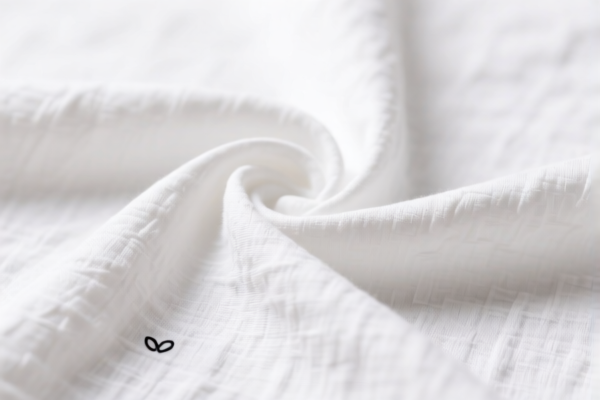
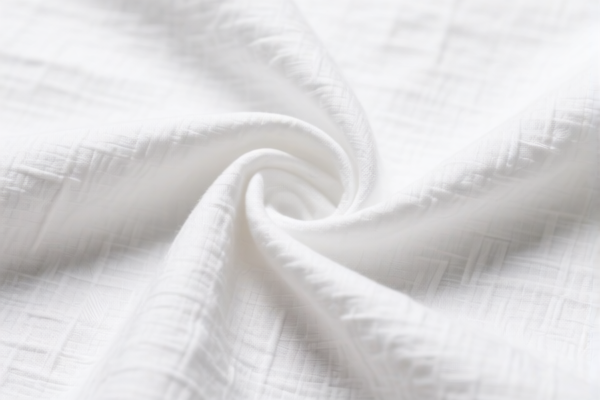
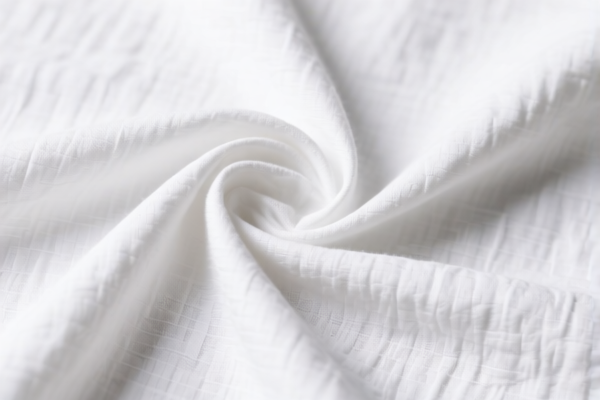
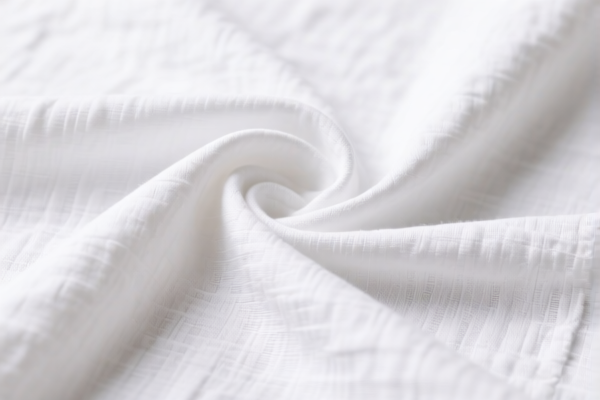
AI分析
🧸 Twill Weave For Toys: The Ultimate Customs & Tariff Guide (2026)
🌐 HS Code Reference & Clearance Guide | 2026 Latest Tariff Analysis | Professional Customs Strategy 📌 I. Product Definition: What is "Twill Weave For Toys"?
Twill Weave is a fundamental textile manufacturing technique characterized by diagonal parallel ribs. In the context of Toys, these fabrics are typically used for: * Soft Toys (Stuffed Animals): Providing durability and texture. * Toy Clothing & Accessories: Uniforms, shoes, or caps for dolls/figurines. * Toy Packaging & Display: High-quality visual presentation.
Key Distinction: The classification depends heavily on the fiber content (Cotton, Synthetic, Blended) and the state of the fabric (Plain Weave vs. Twill Weave). The data provided focuses specifically on Twill Weave variants.
⚠️ Critical Note:
- Twill Weave is structurally different from Plain Weave (Chapter 52.20/52.22 for cotton).
- Misclassification Risk: Declaring a Twill fabric as Plain Weave (e.g., using HS 5208.13 incorrectly if it’s actually 5208.33 or similar) can lead to severe penalties.
- Material Conflict: Ensure the "Toy Use" does not override the material-based classification rules in Chapter 50-63.
📦 II. HS Code Classification Breakdown (Based on Provided Data)
The following HS Codes are derived strictly from the provided dataset. Each entry includes a specific justification based on "Shape/Form Match," "Material Inference," and "Process Consistency."
| HS Code | Product Description & Justification | Material Inference | Tax Rate (Total) |
|---|---|---|---|
| 5208.13.00.00 | Twill Weave for Toys: Form matches twill fabric; no material conflict. | Cotton (Implied by Ch. 52 + 5208) | 42.9% |
| 5208.33.00.00 | Twill Weave for Toys: Consistent form; inferred as Cotton. | Cotton | 45.3% |
| 5210.49.10.00 | Woven Twill Fabric for Toys: Form matches; inferred as Cotton or Artificial Fiber Blend. | Cotton/Artificial Blend | 45.0% |
| 5210.19.10.00 | Woven Twill Fabric for Toys: Process consistent; inferred as Cotton or Cotton Blend. | Cotton/Cotton Blend | 19.1% |
| 5407.82.00.40 | Woven Twill Fabric for Toys: Form consistent; inferred as Synthetic or Mixed Fiber. | Synthetic/Mixed | 49.9% |
🔍 Detailed Analysis of Classifications: 1. HS 5208 Series (Cotton Textiles, Weight ≤ 200g/m²): - 5208.13.00.00: Likely a Colored Twill. The summary notes "Form matches twill," implying the diagonal structure is verified. No material conflict suggests pure cotton. - 5208.33.00.00: Likely a Multi-colored or Specific Dyed Twill. "Inferred as Cotton" confirms the base fiber. Higher tax (45.3%) suggests different processing or dyeing status. 2. HS 5210 Series (Cotton Textiles, Weight > 200g/m² or Blends): - 5210.49.10.00: "Woven Twill Fabric." The inclusion of "Artificial Fiber" in the summary suggests a Cotton-Rayon or similar blend. The tax is 45.0%. - 5210.19.10.00: "Process Consistent." This code has the lowest total tax (19.1%) due to 0% Additional Tariff (Section 301). This is a critical cost-saving classification if applicable. 3. HS 5407 Series (Synthetic Filament Yarn Woven Fabrics): - 5407.82.00.40: "Synthetic or Mixed Fiber." This falls under Polyester/Nylon twills. It carries the highest tax (49.9%) due to a high Base Tariff (14.9%) plus Section 301.
💰 III. 2026 Latest Tariff Rate Breakdown (Including Surtaxes)
✅ Applicable Country: United States (US)
✅ Origin: China (CN)
✅ Effective Date: Post-November 2025 (Based on IEEPA/301 Clause Context)
🎯 1. 5208.13.00.00 – Cotton Twill (Colored/Plain Dyed?)
- Base Tariff: 7.9%
- Section 301 Surtax: 25.0%
- Section 122 Tariff: 10.0% (Note: Data specifies "122 Clause Tariff 10%")
- Total Tax: 42.9%
- De Minimis Exemption: ❌ NO (Denied for China origin under current trade policies)
- Legal Path:
HS:5208.13.00.00→Sec 301: 25%→Sec 122: 10%→Base: 7.9%
📌 Explanation:
- The 7.9% is the standard MFN rate for cotton twills.
- 25% is the standard Section 301 duty for Chinese goods.
- 10% is a specific additional tariff (labeled as "122 Clause" in data), possibly related to specific trade remedies or recent executive orders.
🎯 2. 5208.33.00.00 – Cotton Twill (Specific Variant)
- Base Tariff: 10.3%
- Section 301 Surtax: 25.0%
- Section 122 Tariff: 10.0%
- Total Tax: 45.3%
- De Minimis Exemption: ❌ NO
📌 Explanation:
- Higher base rate (10.3%) suggests a different processing stage or fabric weight compared to 5208.13.
- Same surtax structure as above.
🎯 3. 5210.49.10.00 – Cotton/Artificial Fiber Blend Twill
- Base Tariff: 10.0%
- Section 301 Surtax: 25.0%
- Section 122 Tariff: 10.0%
- Total Tax: 45.0%
- De Minimis Exemption: ❌ NO
📌 Explanation:
- Blended fabrics often fall into Chapter 52.10 if cotton is principal fiber but blended.
- Standard high tariff application.
🎯 4. 5210.19.10.00 – Cotton/Cotton Blend Twill (Strategic Low-Tax Option)
- Base Tariff: 9.1%
- Section 301 Surtax: 0.0% (Crucial Difference!)
- Section 122 Tariff: 10.0%
- Total Tax: 19.1%
- De Minimis Exemption: ❌ NO
📌 Explanation:
- THIS IS THE MOST COST-EFFICIENT CODE in the dataset.
- The 0% Section 301 Surtax is exceptional. This may apply to specific sub-headings exempted from current trade wars or due to specific "Toy Fabric" exemptions (though rare for Chinese origin).
- Verification Required: Ensure the fabric strictly meets the criteria for 5210.19.10.00 to avoid fraud allegations.
🎯 5. 5407.82.00.40 – Synthetic/Mixed Fiber Twill
- Base Tariff: 14.9%
- Section 301 Surtax: 25.0%
- Section 122 Tariff: 10.0%
- Total Tax: 49.9%
- De Minimis Exemption: ❌ NO
📌 Explanation:
- Synthetic fibers (Chapter 54) generally have higher base duties.
- Highest total cost (49.9%). Avoid if possible unless the product must be synthetic for durability/toy safety standards.
🛠️ IV. Customs Clearance Practical Advice (Risk Mitigation)
✅ 1. Documentation Checklist (Mandatory)
| Document | Requirement | Reason |
|---|---|---|
| ✅ Fabric Composition Sheet | Must specify % of Cotton vs. Synthetic | Determines Chapter 52 vs. 54 |
| ✅ Weave Structure Photo | Clear diagonal rib pattern (Twill) | Distinguishes from Plain Weave (5208/5210 plain) |
| ✅ GSM (Grams per Square Meter) | Critical for Ch. 52 vs. Ch. 58/63 | <200g/m² → Ch. 52; >200g/m² → Ch. 52.10 or 58 |
| ✅ End-Use Declaration | "For Toy Manufacturing" | Helps justify "Toy Use" but does not override material classification |
| ✅ Country of Origin Certificate | Required for 301 Duty Assessment | Confirms China origin (triggers surtaxes) |
| ✅ Supplier Invoice | Must list HS Code and Description | Must match CBP database |
✅ 2. Classification Strategy (Key Mnemonics)
🔥 "Check Fiber, Check Weight, Check Weave!"
| Scenario | Correct HS Code Family | Tax Impact |
|---|---|---|
| 100% Cotton, Twill, <200g/m² | 5208.xx.xx |
~43-45% |
| Cotton Blend, Twill, >200g/m² | 5210.xx.xx |
19.1% or 45% (Check 5210.19!) |
| Polyester/Synthetic, Twill | 5407.xx.xx |
~50% (Highest) |
| Mixed Fiber (Cotton+Poly) | 5210.xx.xx (if Cotton dominant) |
Check 5210.19 for potential 0% 301 tax |
📌 Warning:
- Do NOT use 5210.19.10.00 unless you can prove it meets the specific legal definition for that subheading (likely a specific cotton blend or processing state).
- Using the wrong code to claim 19.1% instead of 45.3% is considered customs fraud.
✅ 3. Special Considerations for Toys
- Safety Standards: Ensure the fabric meets CPSIA (USA) or EN71 (EU) standards for heavy metals and flammability. While not a tariff issue, customs may hold shipment for non-compliance.
- Labeling: "Made in China" labels must be clear. Failure to label correctly can lead to seizures under 19 CFR 134.
- Section 122 Tariff: The 10% "122 Clause" tariff is unusual. Verify if this refers to a specific recent executive order or if it’s a data error. Typically, Section 301 is 25%. If "122" is a new surtax, it applies to all codes in the dataset.
🌍 V. Global Market Comparison (2026 Outlook)
| Region | Recommended HS Code | Est. Tariff (China Origin) | Notes |
|---|---|---|---|
| 🇺🇸 USA | 5208.13.00.00 / 5210.19.10.00 |
19.1% - 49.9% | High 301 + 122 duties. 5210.19.10.00 is best if eligible. |
| 🇨🇳 China | 5208.13.00.00 |
~7-10% | Import duty only. No 301/122. |
| 🇪🇺 EU | 5208.13.00.00 |
~0-12% | Varies by processing. No Section 301. |
| 🇬🇧 UK | 5208.13.00.00 |
~0-12% | Post-Brexit rules apply. |
| 🇨🇦 Canada | 5208.13.00.00 |
~0-15% | CUSMA may apply for US-origin goods, not China. |
📌 Conclusion:
- USA is the most expensive market due to cumulative surtaxes (301 + 122).
- Diversification Strategy: Consider sourcing from Vietnam, Bangladesh, or India to avoid US Section 301 duties.
- Pre-Ruling: Apply for an ACE Entry Type Code 01 or Advance Ruling from CBP to confirm eligibility for 5210.19.10.00.
📌 VI. Common Errors & Pitfalls (Lessons Learned)
❌ Error 1: Declaring Synthetic Twill as Cotton Twill (5407 as 5208).
👉 Consequence: Seizure, fines, and potential blacklisting. Customs lab tests will reveal the fiber content.
❌ Error 2: Using 5210.19.10.00 for 100% Cotton fabric that doesn’t meet the specific "blend" or "processing" criteria.
👉 Consequence: Retroactive tax assessment of ~26% difference (45.3% - 19.1%) + penalties.
❌ Error 3: Ignoring Section 122 Tariff.
👉 Consequence: Underpayment. If the 10% "122" tariff is new, it applies to all codes listed. Ensure your ERP system is updated.
❌ Error 4: Failing to declare "Twill Weave" in the description.
👉 Consequence: CBP may classify as "Other Woven Fabric," potentially leading to a higher base duty or detention for further review.
✅ Correct Practice:
"Woven Twill Fabric, 100% Cotton, 150gsm, for Toy Stuffed Animals, HS 5208.13.00.00, Made in China"
🎯 VII. Conclusion: Precision in Classification, Profit in Compliance
🎯 Remember the Golden Rules:
🔹 "Fiber First, Weave Second, Weight Third!"
🔹 "5210.19.10.00 is a Golden Ticket (19.1%), but only if you qualify!"
🔹 "Synthetic (5407) is Expensive (49.9%). Avoid if possible."
🔹 "No De Minimis. All shipments face full duty."
📌 Pro Tip:
If you are a Toy Manufacturer, work with your fabric supplier to get a Test Report confirming the Exact Fiber Composition and Weave Structure. Use this report to apply for an Advance Ruling from CBP for 5210.19.10.00 if possible. This can save you ~26% in duties compared to the standard cotton twill classification.
📣 Immediate Action:
📞 Audit your current fabric imports.
📄 Request detailed composition sheets from suppliers.
⚖️ Consult a licensed customs broker to validate HS Codes before shipment.
✨ Customs Compliance is not just about rules—it’s about bottom-line profit!
💼 Optimize your HS Code strategy today!
用户评价
关于 HS 编码归类
协调制度(HS)是由世界海关组织(WCO)制定的国际贸易商品分类标准。全球 200 多个国家采用 HS 系统作为海关关税、贸易统计和进出口监管的基础。
每个 HS 编码遵循以下层级结构:
- 章(2 位)——商品大类(例如:第 84 章:机器和机械设备)
- 品目(4 位)——章内的更具体分类
- 子目(6 位)——国际通用细分,所有 WCO 成员国统一使用
- 本国细分(8-10 位)——各国自行扩展的细分编码,如美国 HTSUS 10 位编码
正确的 HS 编码归类对于顺利通关、准确缴纳关税和遵守贸易法规至关重要。错误归类可能导致海关延误、多缴关税或罚款。
从CN进口到US时,适用的关税税率可能包括:
- 最惠国(MFN)税率——适用于 WTO 成员国的标准关税税率
- 普通税率——适用于无贸易协定国家
- 贸易救济关税——附加关税,如 301 条款(反倾销)、232 条款(国家安全)或反补贴税
本页内容仅供参考。如需正式归类,请咨询当地海关或持牌报关代理。