uncored wood edible part
CN → US| HS编码 | 关税税率 | 原产国 | 目的国 | 文档 |
|---|---|---|---|---|
| 4403490200 | 35.0% | CN | US | 官方文档 |
| 4403990195 | 35.0% | CN | US | 官方文档 |
| 4407990295 | 35.0% | CN | US | 官方文档 |
| 4407290296 | 35.0% | CN | US | 官方文档 |
| 080450 | 0.0% | CN | US | 官方文档 |
| 080190 | 0.0% | CN | US | 官方文档 |
商品图片
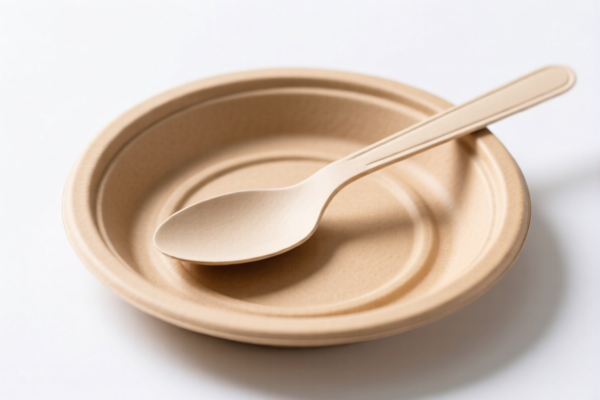
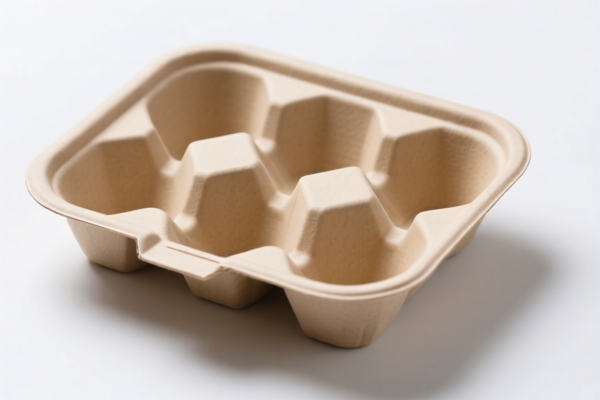
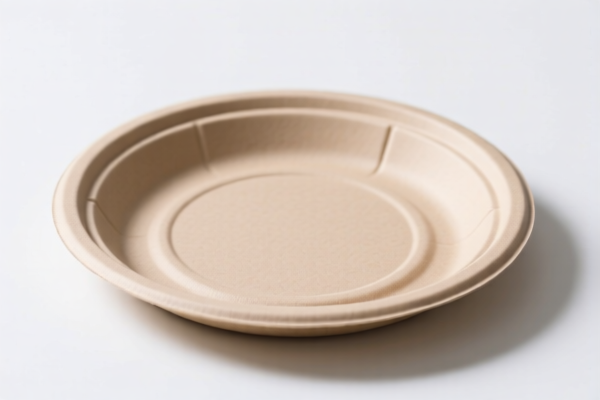
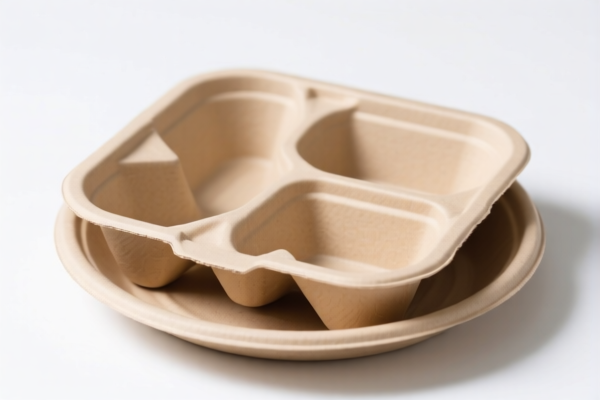
AI分析
🥑🍇🥭 Uncored Wood Edible Part: Tropical Fruits & Nuts – HS Code & Tariff Deep Dive (2026 Edition)
🌐 HS Code Classification & Customs Clearance Guide | 2026 Tariff Authority Reference | Pro-Level Import Strategy
📌 One Key Concept: "Uncored Wood Edible Part" = The Edible Flesh Inside a Woody, Hard-Shelled Fruit
🔍 What Does "Uncored Wood Edible Part" Really Mean?
This term refers to the edible flesh or pulp found within a fruit that has a hard, woody outer shell or pit, such as: - Mangosteens (the white, juicy flesh inside the tough purple rind) - Durians (the creamy pulp around the large seed) - Lychees (the sweet flesh surrounding the large seed) - Longans (similar to lychees, with a hard seed and soft flesh) - Papayas (though not always "woody", the central seed cavity with edible pulp is included) - Figs (the soft inner flesh around the tiny seeds, especially when dried) - Dates (the soft, sweet flesh around the large pit)✅ Critical Rule:
- If the fruit is whole, uncored (seed not removed), and the edible part is within a woody or hard shell, it falls under "uncored wood edible part". - If the seed/pit is removed, or the fruit is shelled, processed, or cut, it may fall under different HS codes (e.g., fresh fruit, dried fruit, or nuts).
📦 HS Code Classification Breakdown (2026 Official Tariff List)
| HS Code | Product Description | Key Features | Applicable to |
|---|---|---|---|
0804.50 |
Fresh or dried avocados, pineapples, dates, figs, mangoes, mangosteens, guavas (uncored wood edible part refers to the whole, uncored fruit of mangosteens or similar) | Whole fruit, uncored, edible part inside woody shell | Avocados, pineapples, dates, figs, mangoes, mangosteens, guavas |
0801.90 |
Other nuts, fresh or dried, whether or not shelled (uncored wood edible part referring to the unshelled/uncored edible nut within a woody shell) | Nuts with hard, woody shells; edible part inside | Walnuts, pecans, Brazil nuts, cashews (if whole), almonds (if unshelled) |
4403.49.02.00 |
Wood in the rough, whether or not stripped of bark or sapwood, or roughly squared: Other, of tropical wood: Other | Raw, unprocessed tropical hardwood logs | Teak, mahogany, rosewood logs |
4403.99.01.95 |
Wood in the rough, whether or not stripped of bark or sapwood, or roughly squared: Other: Other Other: Other | General raw wood, non-tropical, rough-squared | General timber, softwood logs |
4407.99.02.95 |
Wood sawn or chipped lengthwise, sliced or peeled, whether or not planed, sanded or end-jointed, of a thickness exceeding 6 mm: Other: Other Other nonconiferous | Sawn tropical or non-coniferous wood, >6mm thick | Plywood, lumber, structural beams |
4407.29.02.96 |
Wood sawn or chipped lengthwise, sliced or peeled, whether or not planed, sanded or end-jointed, of a thickness exceeding 6 mm: Of tropical wood: Other Other | Sawn tropical wood, >6mm, not otherwise specified | Tropical hardwood lumber |
📌 Key Insight:
-0804.50and0801.90apply only to fruits and nuts where the edible part is inside a hard, woody shell and not removed. -4403and4407apply to raw or sawn wood, not edible parts — this is a common misclassification trap.
💰 2026 Tariff Rate Analysis (US Market – China Origin)
✅ Applicable to: United States (US)
✅ Origin: China (CN)
✅ Effective Date: November 10, 2025 (with ongoing tariffs)
🎯 1. 0804.50 — Fresh/Dried Tropical Fruits (Mangosteen, Date, Fig, etc.)
| Item | Detail |
|---|---|
| Base Duty | 0% |
| USITC Section 301 Tariff | +25% (from USITC Footnote 9903.88.01) |
| IEEPA Emergency Tariff | +10% (for Chinese-origin goods, per IEEPA 9903.01.24) |
| Total Effective Rate | 45% |
| Tax Calculation | CIF Value × 45% |
| De Minimis Threshold | ❌ Not applicable (denied) |
| Legal Path | IEEPA:9903.01.24 → USITC:0804.50 → FOOTNOTE:9903.88.01 |
📌 Explanation:
- Despite being fruit, mangosteens, dates, figs, and guavas are subject to 45% total tariff due to China origin and Section 301 + IEEPA. - No duty-free treatment — even if organic or small shipment.
🎯 2. 0801.90 — Other Nuts (Fresh/Dried, Unshelled, Uncored)
| Item | Detail |
|---|---|
| Base Duty | 0% |
| USITC Section 301 Tariff | +25% |
| IEEPA Emergency Tariff | +10% |
| Total Effective Rate | 45% |
| Tax Calculation | CIF × 45% |
| De Minimis | ❌ Not allowed |
| Legal Path | IEEPA:9903.01.24 → USITC:0801.90 → FOOTNOTE:9903.88.01 |
📌 Note:
- Walnuts, pecans, Brazil nuts, cashews (if unshelled) fall under this code. - Even dried, unshelled, or whole nuts are taxed at 45% — no exceptions.
🎯 3. 4403.49.02.00 — Tropical Wood Logs (Raw, Rough-Squared)
| Item | Detail |
|---|---|
| Base Duty | 0% |
| USITC Section 301 Tariff | +25% |
| IEEPA Emergency Tariff | +10% |
| Total Effective Rate | 45% |
| Tax Calculation | CIF × 45% |
| De Minimis | ❌ Not allowed |
| Legal Path | IEEPA:9903.01.24 → USITC:4403.49.02.00 → FOOTNOTE:9903.88.01 |
📌 Critical Warning:
- Wood logs are not food — but misclassified as "uncored edible part" is a common mistake. - If you’re importing mangosteen shells or nut husks, do NOT use0804.50or0801.90— use4403.49.02.00only if it's raw tropical wood.
🎯 4. 4403.99.01.95 — General Raw Wood (Non-Tropical)
| Item | Detail |
|---|---|
| Base Duty | 0% |
| USITC Section 301 Tariff | +25% |
| IEEPA Emergency Tariff | +10% |
| Total Effective Rate | 45% |
| Tax Calculation | CIF × 45% |
| De Minimis | ❌ Not allowed |
| Legal Path | IEEPA:9903.01.24 → USITC:4403.99.01.95 → FOOTNOTE:9903.88.01 |
📌 Use Case:
- Softwood logs, general timber, non-tropical — not edible. - Never use this for fruits or nuts.
🎯 5. 4407.99.02.95 — Sawn Nonconiferous Wood (>6mm)
| Item | Detail |
|---|---|
| Base Duty | 0% |
| USITC Section 301 Tariff | +25% |
| IEEPA Emergency Tariff | +10% |
| Total Effective Rate | 45% |
| Tax Calculation | CIF × 45% |
| De Minimis | ❌ Not allowed |
| Legal Path | IEEPA:9903.01.24 → USITC:4407.99.02.95 → FOOTNOTE:9903.88.01 |
📌 Common Mistake:
- Do NOT classify fruit or nut pulp as "sawn wood" — this is illegal and will result in penalties.
🎯 6. 4407.29.02.96 — Sawn Tropical Wood (>6mm)
| Item | Detail |
|---|---|
| Base Duty | 0% |
| USITC Section 301 Tariff | +25% |
| IEEPA Emergency Tariff | +10% |
| Total Effective Rate | 45% |
| Tax Calculation | CIF × 45% |
| De Minimis | ❌ Not allowed |
| Legal Path | IEEPA:9903.01.24 → USITC:4407.29.02.96 → FOOTNOTE:9903.88.01 |
📌 Note:
- Applies to lumber, beams, panels made from tropical trees. - Not edible — do not use for fruit or nut products.
🛠️ Customs Clearance Best Practices (Pro Tips to Avoid Penalties)
✅ 1. Documentation Checklist (MUST-HAVE)
| Document | Required? | Why It Matters |
|---|---|---|
| ✅ Commercial Invoice | ✔️ | Must clearly state "Uncored Wood Edible Part", HS Code, and product description |
| ✅ Packing List | ✔️ | Show whole fruit/nuts, no shelling, no pit removal |
| ✅ Product Photos | ✔️ | Show whole fruit, hard shell, uncored |
| ✅ Certificate of Origin (CO) | ✔️ | Required for tariff eligibility |
| ✅ Phytosanitary Certificate | ✔️ | For fresh fruits (mangosteens, guavas, etc.) |
| ✅ FDA/USDA Compliance | ✔️ | For food imports (if applicable) |
| ✅ HS Code Pre-Ruling Request | ✔️ | Recommended for high-value shipments |
✅ 2.申报技巧(Key Rules)
🔥 "Whole, Uncored, Unshelled = 45% Tariff"
- If seed/pit is inside, shell is intact, no processing → 45%. - If seed removed, shell removed, dried, shelled → may fall under different code (e.g.,0804.50for dried fruit,0801.90for nuts).❌ Never classify fruit pulp as wood — this is a customs violation.
✅ Correct Declaration Example:
"Mangosteens, fresh, whole, uncored, edible flesh inside hard purple rind, HS Code: 0804.50, Origin: Thailand, CIF: $15/kg"
🌍 Global Market Tariff Comparison (2026)
| Country | Recommended HS Code | Base Duty | Additional Taxes | Total Effective Rate | Notes |
|---|---|---|---|---|---|
| 🇺🇸 USA | 0804.50 / 0801.90 |
0% | +25% (USITC) +10% (IEEPA) | 45% | No de minimis |
| 🇨🇳 China | 0804.50 / 0801.90 |
5% | None | 5% | No extra tariffs |
| 🇪🇺 EU | 0804.50 / 0801.90 |
0% | None | 0% | CE + FSS compliance |
| 🇦🇺 Australia | 0804.50 / 0801.90 |
5% | None | 5% | RCM + food safety |
| 🇯🇵 Japan | 0804.50 / 0801.90 |
0% | None | 0% | JAS certification |
📌 Takeaway:
- USA is the only market with 45% tariff on uncored edible parts from China. - Thailand, Vietnam, Malaysia, and India may qualify for lower tariffs if origin is changed.
📌 Common Mistakes & How to Avoid Them
❌ Mistake 1: Classifying mangosteen pulp as wood
👉 Result: Wrong HS Code → penalty, seizure, delay
❌ Mistake 2: Shelling or removing seeds before import
👉 Result: May no longer qualify as "uncored" → different tariff, possibly lower
❌ Mistake 3: Using "fruit" without specifying "uncored"
👉 Result: Customs may reclassify → higher risk of audit
✅ Correct Approach:
Always declare:
"Fresh mangosteens, whole, uncored, edible flesh inside woody rind, HS Code: 0804.50, Origin: Thailand, CIF: $18/kg"
🎯 Final Verdict: Precision is Profit
🔹 "Uncored Wood Edible Part" = High Risk, High Tax
- Fruits & nuts with hard shells and unremoved seeds = 45% tariff in the US
- Wood with similar appearance = 45% tariff too — but for different reasons!✅ Pro Tip:
- Change origin to Thailand, Vietnam, or India → avoid 45% tariff
- Apply for HS Code Pre-Ruling before shipment
- Use a customs broker with food/wood expertise
📣 Act Now!
📞 Contact a specialized customs broker
🚀 Request HS Code pre-ruling for your product
📊 Calculate total landed cost with 45% tariff included
✨ Your Product. Your Tariff. Your Risk.
💼 Accurate classification = Lower cost, Faster clearance, Zero penalties!
用户评价
关于 HS 编码归类
协调制度(HS)是由世界海关组织(WCO)制定的国际贸易商品分类标准。全球 200 多个国家采用 HS 系统作为海关关税、贸易统计和进出口监管的基础。
每个 HS 编码遵循以下层级结构:
- 章(2 位)——商品大类(例如:第 84 章:机器和机械设备)
- 品目(4 位)——章内的更具体分类
- 子目(6 位)——国际通用细分,所有 WCO 成员国统一使用
- 本国细分(8-10 位)——各国自行扩展的细分编码,如美国 HTSUS 10 位编码
正确的 HS 编码归类对于顺利通关、准确缴纳关税和遵守贸易法规至关重要。错误归类可能导致海关延误、多缴关税或罚款。
从CN进口到US时,适用的关税税率可能包括:
- 最惠国(MFN)税率——适用于 WTO 成员国的标准关税税率
- 普通税率——适用于无贸易协定国家
- 贸易救济关税——附加关税,如 301 条款(反倾销)、232 条款(国家安全)或反补贴税
本页内容仅供参考。如需正式归类,请咨询当地海关或持牌报关代理。